

Predictive Maintenance (PdM) is revolutionizing the offshore wind industry, offering a proactive approach to asset management and operational efficiency. This article delves into the implementation of PdM strategies for offshore wind farms, exploring its critical role in minimizing downtime, optimizing performance, and ensuring the long-term viability of these vital renewable energy assets. We will examine the core technologies, benefits, challenges, and best practices associated with integrating PdM into offshore wind operations.
The Transformative Power of Predictive Maintenance (PdM) in Offshore Wind Operations
The burgeoning offshore wind sector, a cornerstone of global decarbonization efforts, faces unique operational complexities and substantial economic stakes. The harsh marine environment, coupled with the sheer scale and remoteness of offshore wind farms, presents significant challenges for conventional maintenance regimes. Unplanned asset failures can lead to extended downtime, resulting in substantial revenue losses and escalating repair costs, often involving specialized vessels and highly trained personnel. This is where the strategic implementation of Predictive Maintenance (PdM) becomes not just advantageous, but imperative. PdM shifts the maintenance paradigm from a reactive or time-based approach to a condition-based strategy, leveraging real-time data and advanced analytics to anticipate and address potential equipment failures before they occur. By doing so, offshore wind farm operators can significantly enhance operational reliability, reduce maintenance expenditures, and extend the lifespan of their critical infrastructure, thereby maximizing energy output and profitability. The integration of PdM is fundamentally transforming how offshore wind assets are managed, moving towards a more intelligent, data-driven, and cost-effective operational framework.
Understanding the Core Principles of Predictive Maintenance (PdM)
At its heart, Predictive Maintenance (PdM) relies on the continuous monitoring of equipment health and performance parameters. Unlike preventive maintenance, which schedules maintenance at fixed intervals regardless of actual condition, PdM utilizes sophisticated sensor technology and data analysis to determine the optimal time for maintenance intervention. This involves identifying subtle deviations from normal operating conditions that may indicate the early stages of degradation or impending failure. The goal is to detect anomalies before they escalate into significant problems.
The foundational elements of a successful PdM program include:
– Data acquisition: Gathering relevant operational data from turbines and associated subsea infrastructure.
– Data processing and analysis: Employing algorithms and machine learning models to interpret the collected data.
– Anomaly detection: Identifying deviations from baseline performance that signal potential issues.
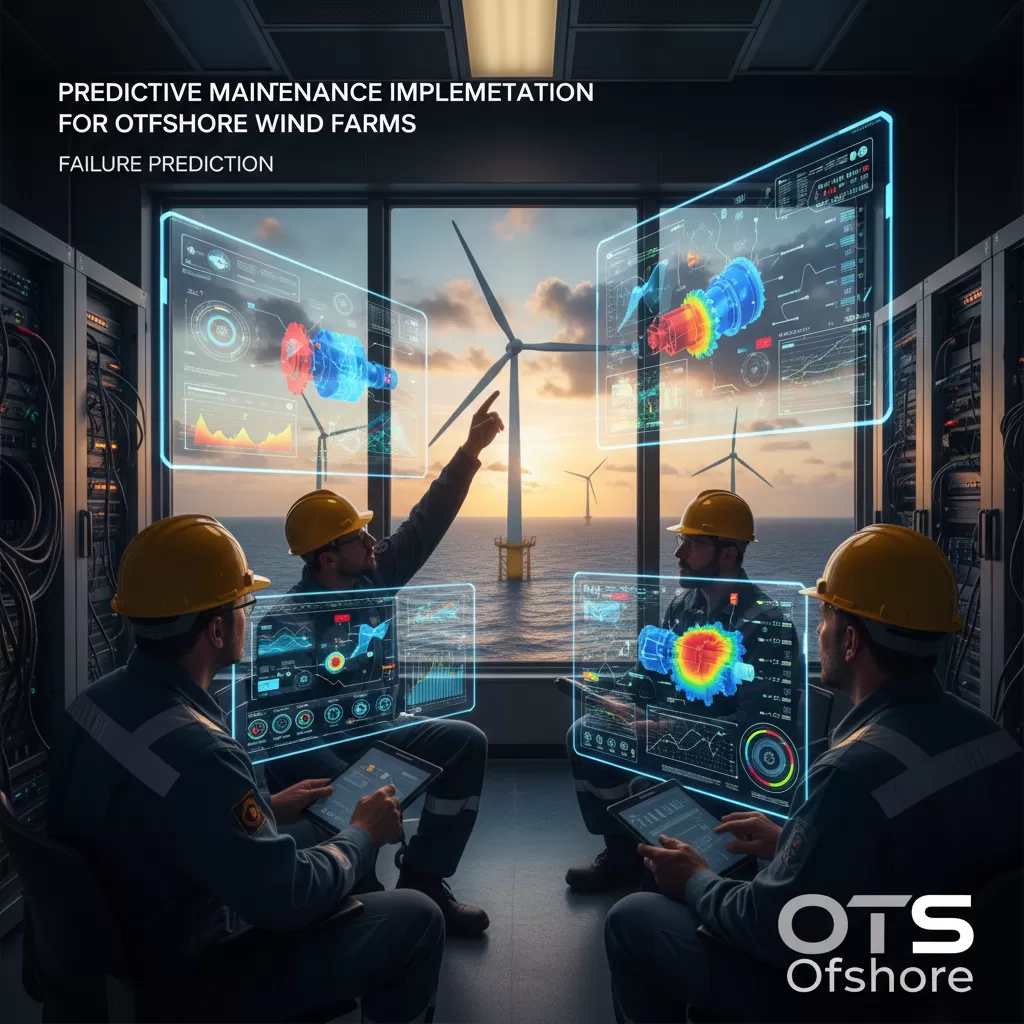
– Failure prediction: Forecasting the likelihood and timing of potential component failures.
– Prescriptive recommendations: Providing actionable insights for maintenance scheduling and intervention.

Key Technologies Powering Predictive Maintenance (PdM) in Offshore Wind
The efficacy of PdM in offshore wind farms is inextricably linked to the advancement and integration of various cutting-edge technologies. These technologies enable the granular collection of data and its subsequent intelligent analysis, forming the bedrock of predictive capabilities.
– Sensor Networks and IoT Devices:
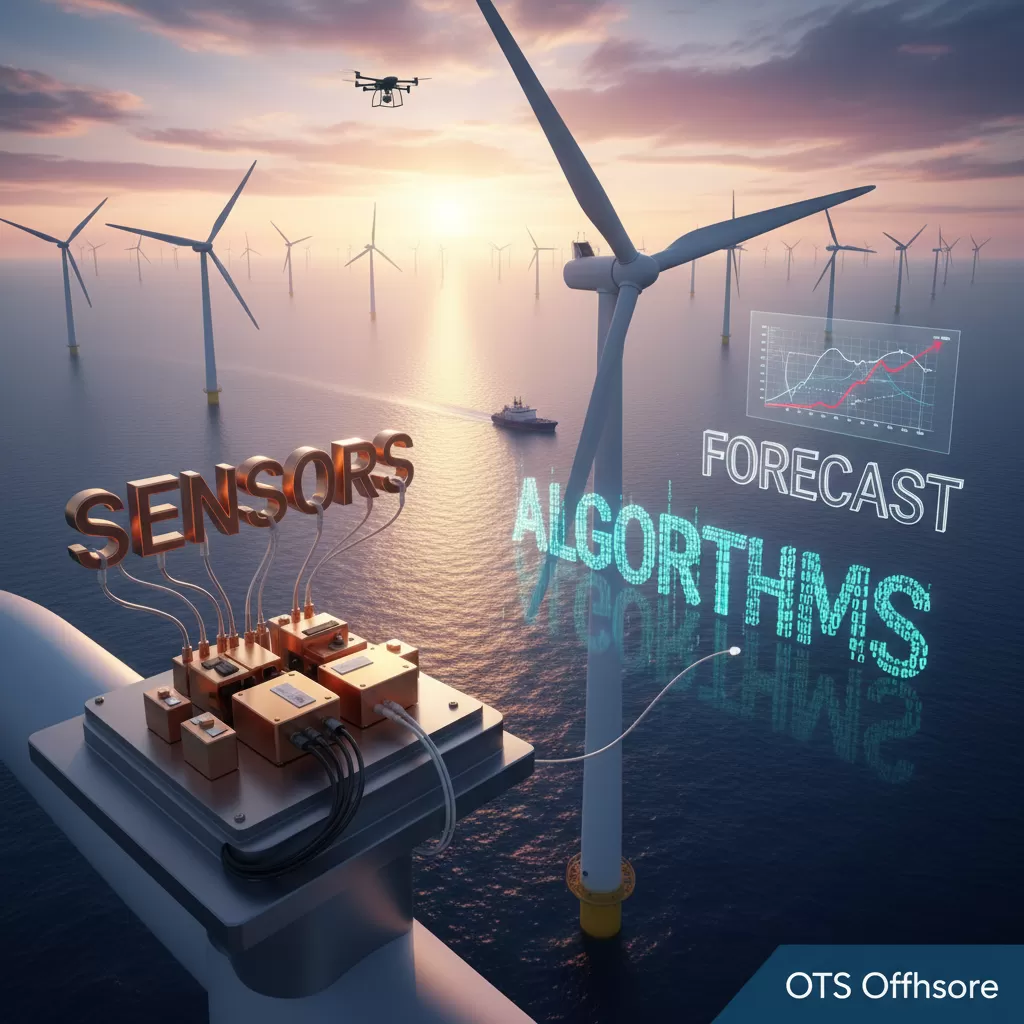
A vast array of sensors are deployed across wind turbines, including vibration sensors, temperature sensors, acoustic emission sensors, oil analysis sensors, and strain gauges. These devices, increasingly connected through the Internet of Things (IoT), provide a constant stream of high-frequency data on the operational status of critical components such as gearboxes, bearings, generators, and blades. The proliferation of robust, marine-grade IoT devices is crucial for reliable data transmission in the challenging offshore environment.
– SCADA Systems and Data Historians:
Supervisory Control and Data Acquisition (SCADA) systems are the central nervous system of wind farms, collecting operational data from all turbines. Data historians serve as repositories for this historical operational data, providing the long-term context necessary for identifying trends and deviations. Advanced SCADA functionalities can also incorporate basic anomaly detection algorithms.
– Machine Learning and Artificial Intelligence (AI):
Machine learning (ML) and artificial intelligence (AI) algorithms are central to transforming raw sensor data into actionable predictive insights. These algorithms can identify complex patterns and correlations that human analysts might miss. Techniques such as supervised learning, unsupervised learning, and deep learning are employed to build predictive models for component degradation and failure. Examples include regression models to predict remaining useful life (RUL) and classification models to identify specific fault types.
– Digital Twins:
A digital twin is a virtual replica of a physical asset, such as a wind turbine. It integrates real-time data from the physical asset with historical data and simulation models. This allows for highly accurate monitoring, performance prediction, and the simulation of various operational scenarios to understand potential failure modes and optimize maintenance strategies. The fidelity of the digital twin directly impacts the accuracy of predictive insights.
– Data Analytics Platforms:
Robust data analytics platforms are essential for processing, storing, and visualizing the massive volumes of data generated by offshore wind farms. These platforms provide the infrastructure for deploying ML/AI models, conducting root cause analysis, and generating comprehensive reports for maintenance teams and asset managers. Cloud-based solutions are increasingly favored for their scalability and accessibility.
– Drones and Robotics:
For inspections, particularly in hard-to-reach areas or during adverse weather conditions, drones and robotic systems are becoming invaluable. They can perform visual inspections, thermal imaging, and even minor repair tasks, collecting data that can feed into PdM systems and reduce the need for potentially hazardous human interventions. Automated inspection routines can be scheduled based on predictive models.
The Unquestionable Benefits of Implementing Predictive Maintenance (PdM)**
The adoption of Predictive Maintenance (PdM) in the offshore wind sector yields a cascade of significant advantages, impacting operational efficiency, financial performance, and overall asset longevity. These benefits are crucial for ensuring the economic viability and sustainability of offshore wind projects.
– Reduced Unplanned Downtime:
This is arguably the most significant benefit. By predicting failures, maintenance can be scheduled during planned outages or periods of low wind, minimizing the time turbines are offline and not generating revenue. This directly translates to increased energy production and revenue streams.
– Optimized Maintenance Costs:
PdM allows for a shift from costly emergency repairs to planned, efficient maintenance interventions. It helps avoid unnecessary component replacements based on scheduled intervals and focuses resources only when and where they are truly needed, reducing labor, parts, and logistical expenses.
– Extended Asset Lifespan:
By addressing minor issues before they escalate into major failures, PdM helps prevent catastrophic damage to components. This proactive approach preserves the integrity of critical parts and systems, thereby extending the overall operational life of the wind turbines and other infrastructure.
– Improved Safety for Personnel:
Predictive maintenance reduces the need for personnel to perform frequent, potentially hazardous inspections and repairs in the challenging offshore environment. Maintenance tasks can be planned and executed under safer conditions, and critical component failures that could pose safety risks are mitigated.
– Enhanced Performance and Efficiency:
Monitoring operational parameters through PdM can reveal suboptimal performance in components or systems. Identifying and rectifying these issues can lead to improved energy capture efficiency and overall output from the wind farm.
– Better Inventory Management:
With accurate predictions of component wear and tear, operators can optimize their spare parts inventory. Instead of stocking a wide range of parts based on speculative needs, they can maintain a more focused and efficient inventory aligned with anticipated maintenance requirements, reducing warehousing costs and the risk of obsolescence.
– Data-Driven Decision Making:
PdM generates a wealth of data that can inform strategic decisions regarding operations, maintenance scheduling, and future asset procurement. This shift towards evidence-based decision-making enhances overall asset management effectiveness.
– Increased Grid Reliability:
By ensuring more consistent and reliable operation of offshore wind turbines, PdM contributes to the stability and reliability of the electricity grid, which is crucial for the integration of renewable energy sources.
Challenges in Implementing Predictive Maintenance (PdM) for Offshore Wind Farms
Despite its compelling advantages, the implementation of Predictive Maintenance (PdM) in the offshore wind sector is not without its hurdles. Overcoming these challenges is crucial for unlocking the full potential of PdM.
– High Initial Investment:
The deployment of extensive sensor networks, data acquisition systems, advanced analytics software, and the necessary IT infrastructure represents a significant upfront investment. The economic justification for this investment needs to be clearly demonstrated through detailed ROI calculations.
– Data Management and Integration:
Offshore wind farms generate vast quantities of data from numerous sources. Effectively managing, cleaning, integrating, and storing this data from disparate systems can be a complex undertaking. Ensuring data quality and consistency is paramount for the accuracy of predictive models.
– Skill Gaps and Workforce Training:
Implementing and managing a PdM program requires a workforce with specialized skills in data science, AI, IoT, and domain expertise in wind turbine technology. There can be a shortage of personnel with this unique combination of skills, necessitating significant investment in training and development.
– Cybersecurity Concerns:
As more systems become interconnected through IoT and data is transmitted wirelessly, cybersecurity becomes a critical concern. Protecting sensitive operational data from cyber threats is essential to prevent disruptions or malicious interference with turbine operations.
– Environmental and Operational Realities:
The harsh marine environment (corrosion, extreme weather, accessibility issues) poses challenges for sensor reliability, data transmission, and maintenance execution. Maintenance operations offshore are inherently more complex and expensive than on land, requiring specialized vessels and personnel.
– Model Accuracy and Validation:
Developing accurate predictive models requires extensive historical data and continuous validation. In the relatively young offshore wind industry, comprehensive failure data might still be accumulating, making it challenging to train highly precise models. The dynamic nature of offshore operations can also necessitate ongoing model refinement.
– Interoperability of Systems:
Ensuring that sensors, data acquisition systems, analytics platforms, and maintenance management systems from different vendors can communicate and integrate seamlessly is a significant challenge. Lack of standardization can hinder the efficient flow of data and insights.
– Cultural Shift and Buy-in:
Transitioning from traditional maintenance practices to a data-driven, predictive approach requires a cultural shift within the organization. Gaining buy-in from all stakeholders, from technicians to senior management, is essential for successful adoption.
Establishing a Robust Predictive Maintenance (PdM) Framework**
To effectively implement Predictive Maintenance (PdM) for offshore wind farms, a structured and comprehensive framework is essential. This framework ensures that the program is aligned with operational goals and leverages technology to its fullest potential.
– Define Clear Objectives and KPIs:
Start by clearly defining what the PdM program aims to achieve. Key performance indicators (KPIs) should be established to measure success, such as reductions in unplanned downtime, maintenance cost savings, increased turbine availability, and extended component life.
– Asset Criticality Assessment:
Conduct a thorough assessment of the criticality of different assets within the wind farm. Identify which components are most vital to overall operation and have the highest impact if they fail. This prioritization helps focus PdM efforts on the most impactful areas.
– Sensor Selection and Deployment Strategy:
Carefully select the appropriate sensors based on the criticality assessment and the types of failure modes being monitored. Develop a strategic deployment plan that considers sensor durability, power supply, data transmission capabilities, and ease of access for maintenance and calibration in the offshore environment.
– Data Acquisition and Management Strategy:
Establish a robust system for collecting, storing, and managing the vast amounts of data generated. This includes defining data standards, ensuring data quality, implementing appropriate data storage solutions (e.g., cloud-based platforms), and establishing data governance policies.
– Development and Implementation of Analytical Models:
Invest in the development or acquisition of advanced analytical tools and expertise. This involves building or training machine learning models capable of detecting anomalies, predicting failure probabilities, and estimating the remaining useful life of critical components.
– Integration with CMMS/EAM Systems:
Ensure seamless integration of the PdM system with existing Computerized Maintenance Management Systems (CMMS) or Enterprise Asset Management (EAM) systems. This allows for automated generation of work orders and efficient scheduling of maintenance interventions based on predictive insights.
– Training and Skill Development:
Invest in comprehensive training programs for maintenance personnel, data analysts, and system operators. Equip the workforce with the necessary skills to interpret predictive insights, operate the PdM system, and perform condition-based maintenance effectively.
– Cybersecurity Measures:
Implement robust cybersecurity protocols to protect the data acquisition systems, communication networks, and analytical platforms from unauthorized access and cyber threats. Regular security audits and updates are crucial.
– Continuous Monitoring and Model Refinement:
PdM is not a one-time implementation; it’s an ongoing process. Continuously monitor the performance of the predictive models, validate their accuracy against actual failure events, and refine them as new data becomes available and operational conditions change.
– Collaboration and Knowledge Sharing:
Foster collaboration among internal teams (operations, maintenance, engineering, data science) and with external technology providers and industry peers. Sharing best practices and lessons learned can accelerate the adoption and effectiveness of PdM programs.
– Scalability Planning:
Design the PdM framework with scalability in mind, anticipating future expansion of the wind farm or the integration of new technologies and data sources.
Future Trends Shaping Predictive Maintenance (PdM) in Offshore Wind**
The field of Predictive Maintenance (PdM) is in constant evolution, with emerging trends set to further enhance its application and impact on the offshore wind industry. Staying abreast of these advancements is key to maintaining a competitive edge and maximizing operational efficiency.
– AI-Powered Anomaly Detection and Root Cause Analysis:
The sophistication of AI algorithms is rapidly increasing. Future PdM systems will likely feature more advanced AI that can not only detect subtle anomalies but also perform sophisticated root cause analysis, pinpointing the exact reasons for degradation with greater accuracy and speed. This will reduce the time required for troubleshooting.
– Edge Computing for Real-Time Analysis:
Moving computation closer to the data source through edge computing will enable real-time analysis of sensor data directly on the turbine or offshore substation. This reduces latency and dependence on constant connectivity to central servers, improving responsiveness and enabling immediate alerts for critical events.
– Enhanced Cybersecurity and Data Privacy:
As data becomes more central, cybersecurity will become even more paramount. Advanced encryption, blockchain technology for data integrity, and zero-trust security models will be increasingly integrated into PdM systems to safeguard sensitive operational information and maintain the trust of stakeholders.
– Integration of Digital Twins for Holistic Asset Management:
The development and widespread adoption of highly accurate digital twins will revolutionize PdM. These virtual replicas will go beyond simple monitoring to simulate complex scenarios, predict performance under various conditions, and optimize maintenance strategies across the entire lifecycle of the wind farm assets.
– Augmented Reality (AR) for Maintenance Guidance:
AR technologies can overlay digital information onto the physical world, providing maintenance technicians with real-time guidance, schematics, and predictive insights directly in their field of view. This can significantly improve the efficiency and accuracy of maintenance tasks, especially in complex offshore environments.
– Autonomous Inspection and Maintenance Robotics:
The use of autonomous drones and robotics for routine inspections, cleaning, and even minor repairs will become more prevalent. These systems, guided by PdM data, can operate more frequently and in more challenging conditions, reducing human risk and providing continuous data streams for analysis.
– Standardized Data Models and Interoperability:
Industry-wide efforts towards standardizing data formats and communication protocols will foster greater interoperability between different vendors’ systems and platforms. This will simplify data integration and enable more comprehensive, farm-wide predictive analytics.
– Focus on System-Level Predictive Maintenance:
Moving beyond individual component monitoring, future PdM will increasingly focus on predicting failures at the system level, considering the interactions between various components and their collective impact on overall performance and reliability. This holistic approach will be crucial for optimizing the entire wind farm’s operation.
– Sustainability and Lifecycle Management:
PdM data will be increasingly leveraged to inform decisions related to sustainable practices, such as optimizing component usage, predicting end-of-life for recycling or refurbishment, and minimizing the environmental footprint of maintenance operations.