

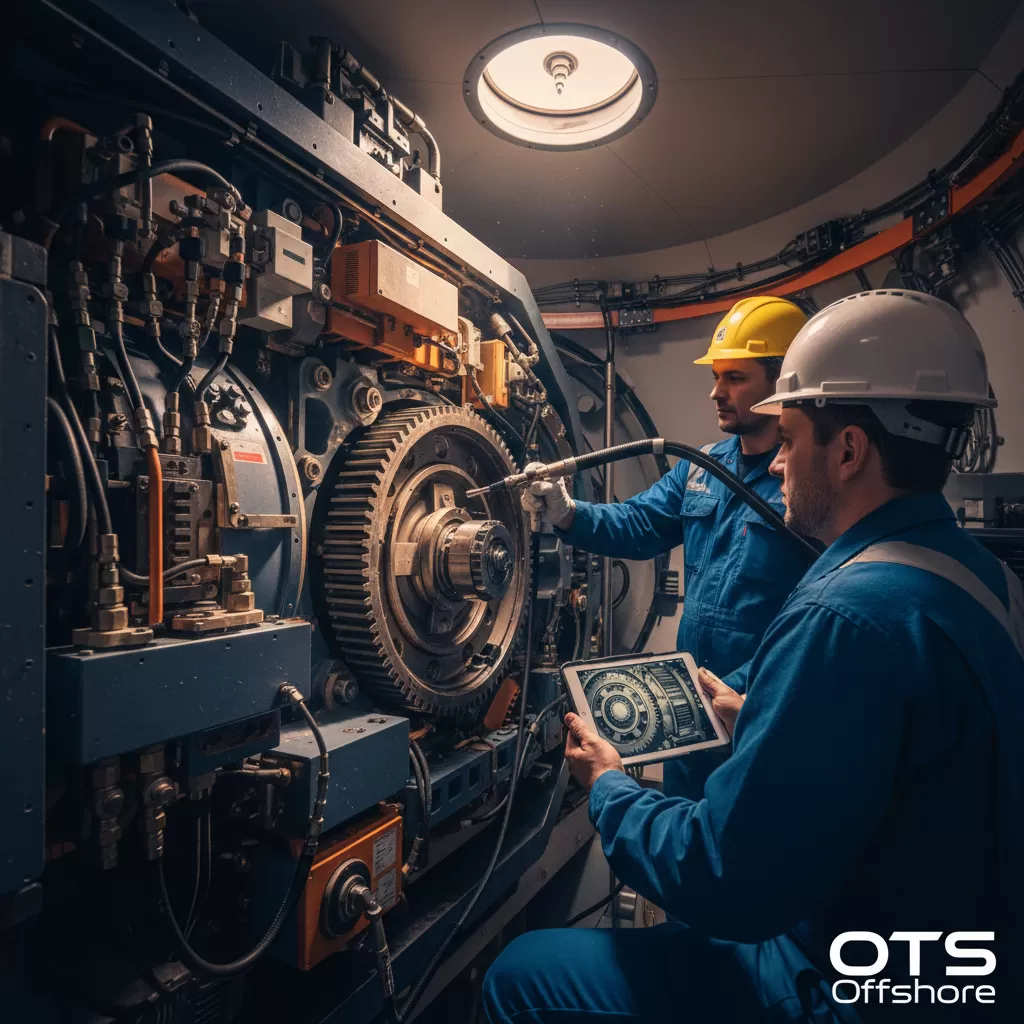
A comprehensive guide to wind turbine gearbox inspection using endoscopy offers a detailed look at advanced diagnostic techniques crucial for maintaining the operational integrity of these vital components in the renewable energy sector. This guide explores the methodologies, benefits, and key considerations when employing borescopes and videoscopes for internal gearbox examination, ensuring prolonged service life and optimal performance of wind energy assets.
The Essential Comprehensive Guide to Wind Turbine Gearbox Inspection using Endoscopy
The reliability and efficiency of wind turbines are paramount to the success of renewable energy initiatives worldwide. At the heart of this complex machinery lies the gearbox, a critical component responsible for translating the low rotational speed of the rotor into the high speed required by the generator. The demanding operational environment of wind turbines, characterized by constant stress, vibration, and exposure to the elements, can lead to wear, damage, and eventual failure of gearbox components. Early detection of these issues is not just beneficial; it is essential for preventing catastrophic failures, minimizing downtime, and optimizing maintenance strategies. This comprehensive guide to wind turbine gearbox inspection using endoscopy will delve into the intricate world of internal diagnostics, offering insights into how advanced endoscopic technologies provide an unparalleled view into the health of these crucial mechanical systems.
The purpose of this extensive examination is to highlight the transformative impact of endoscopic inspection on wind turbine gearbox maintenance. By offering a non-intrusive method to visualize internal surfaces, it allows technicians to identify subtle signs of distress that might otherwise go unnoticed until they escalate into significant problems. This proactive approach, facilitated by a comprehensive guide to wind turbine gearbox inspection using endoscopy, translates directly into reduced operational costs, extended asset lifespan, and enhanced overall energy production.
Understanding the Critical Role of the Wind Turbine Gearbox
Wind turbine gearboxes are intricate mechanical assemblies designed to withstand immense torques and rotational forces. They typically comprise several stages of reduction gears, bearings, lubrication systems, and sealing mechanisms. The primary function is to step up the slow, high-torque rotation of the wind turbine blades to the high-speed, lower-torque rotation needed to drive the generator. This process involves significant mechanical stress and friction, making the gearbox one of the most susceptible components to wear and tear. A robust comprehensive guide to wind turbine gearbox inspection using endoscopy recognizes the inherent vulnerabilities within this complex system.
– The gearbox converts the slow rotation of the rotor (e.g., 10-20 RPM) into the high speed required by the generator (e.g., 1500-1800 RPM).
– It is subjected to fluctuating loads, cyclic stresses, and vibrations from wind conditions and operational demands.
– Key components include main gears, planetary gears, pinions, bearings (roller and ball), shafts, and the lubrication system.
– Failures in the gearbox can lead to extensive downtime, costly repairs, and significant loss of revenue.
The health of the gearbox directly impacts the overall performance and longevity of the wind turbine. A comprehensive guide to wind turbine gearbox inspection using endoscopy is therefore indispensable for asset managers and maintenance teams.
Common Gearbox Failure Modes Requiring Early Detection
The operational demands placed on wind turbine gearboxes lead to a variety of potential failure modes. Recognizing these is the first step in understanding why detailed internal inspections are so vital. A comprehensive guide to wind turbine gearbox inspection using endoscopy emphasizes identifying these early warning signs.
– Pitting and spalling: Surface fatigue on gear teeth and bearing raceways, often starting as small pits that can grow and lead to material loss.
– Scoring and abrasion: Damage caused by inadequate lubrication, debris ingress, or high friction, resulting in surface wear and loss of material.
– Cracks: Micro-cracks can develop on gear teeth, bearing races, or shafts due to excessive stress or material defects, potentially leading to catastrophic fracture.
– Wear: Gradual loss of material on gear teeth, bearing surfaces, and shaft journals due to friction and inadequate lubrication.
– Lubrication issues: Contamination of oil with wear debris or water, degradation of lubricant properties, or insufficient lubrication can accelerate all other failure modes.
– Foreign object debris (FOD): Ingress of external particles, such as sand, metal fragments, or gasket material, can cause significant abrasive wear and damage.
Early detection of these issues through a comprehensive guide to wind turbine gearbox inspection using endoscopy allows for targeted interventions, preventing minor problems from escalating into major, expensive failures.
The Power of Endoscopy in Gearbox Diagnostics
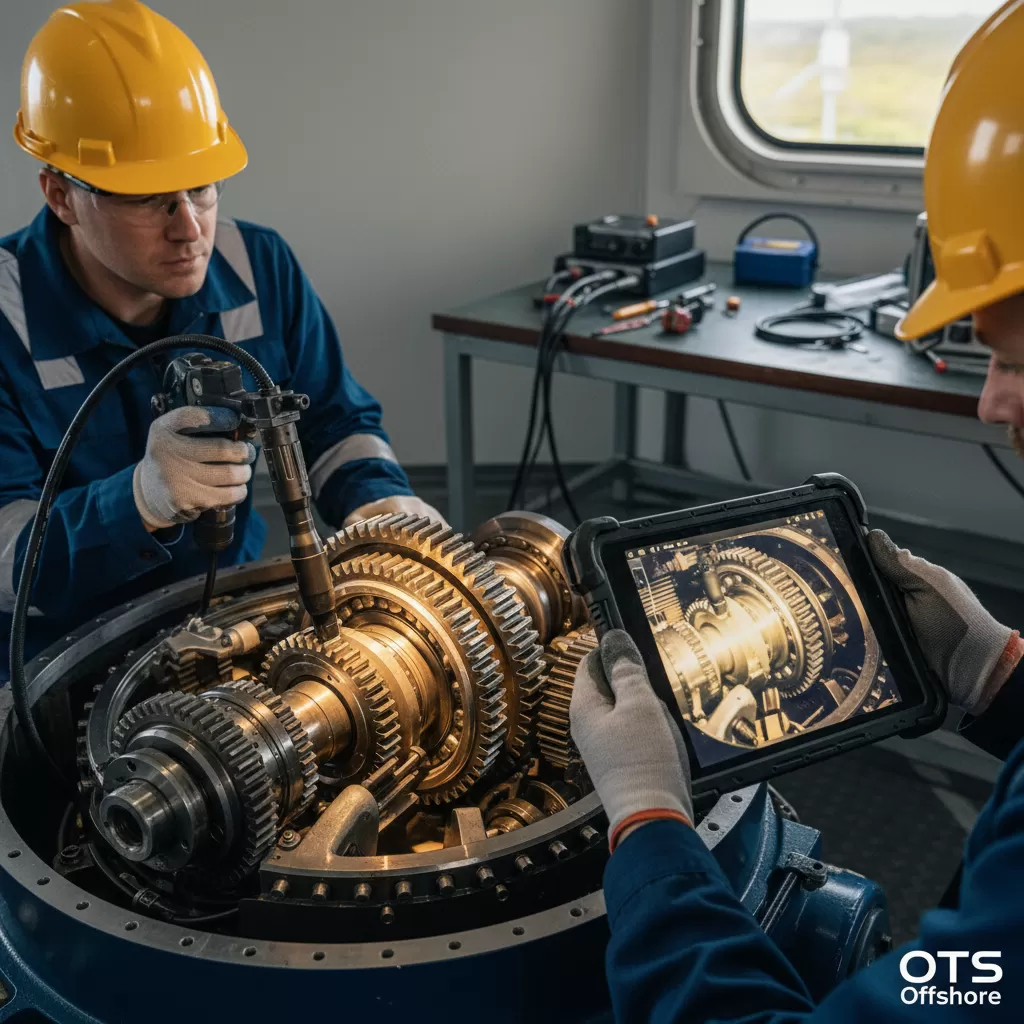
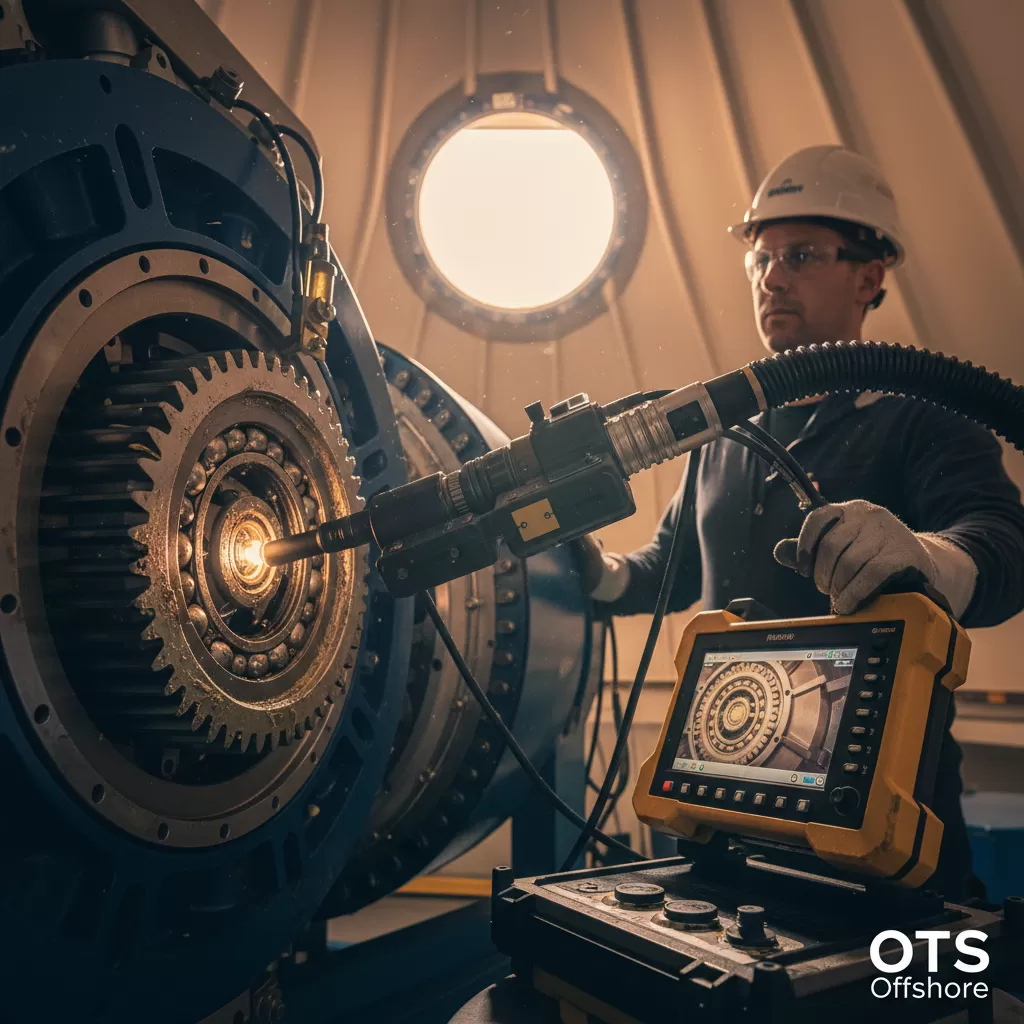
Endoscopy, utilizing borescopes and videoscopes, offers an invaluable non-destructive method for inspecting the internal components of a wind turbine gearbox without requiring disassembly. This advanced diagnostic technique provides visual access to areas that would otherwise be hidden, enabling the identification of subtle defects at their nascent stages. A comprehensive guide to wind turbine gearbox inspection using endoscopy leverages this technology to its fullest potential.
– Direct visual inspection: Endoscopes allow for close-up visual examination of gear teeth, bearing surfaces, internal housing, and lubrication pathways.
– Non-destructive testing (NDT): Unlike other inspection methods that may require component removal or damage, endoscopy is entirely non-intrusive.
– Remote access: Specialized flexible and articulating borescopes can navigate complex internal geometries, reaching areas not accessible with conventional inspection tools.
– High-resolution imaging: Modern videoscopes provide clear, high-definition images and video, allowing for detailed analysis and documentation.
– Cost-effectiveness: By preventing major failures and reducing the need for extensive disassembly, endoscopic inspections prove highly cost-effective in the long run.
This technology transforms gearbox maintenance from a reactive measure to a proactive strategy, significantly enhancing the predictive capabilities of maintenance teams.
Types of Endoscopic Equipment for Wind Turbine Gearboxes
The selection of appropriate endoscopic equipment is crucial for effective wind turbine gearbox inspection. A comprehensive guide to wind turbine gearbox inspection using endoscopy should detail the available tools and their applications.
– Borescopes: These are rigid or semi-rigid tubes with a lens system that allows light to pass through. They are useful for inspecting straight or moderately curved access points.
– Videoscopes: These flexible or semi-rigid devices incorporate a camera at the tip, transmitting digital images to a monitor. They offer greater maneuverability and the ability to record inspections.
– Articulating Videoscopes: These are particularly useful for navigating complex geometries within a gearbox, allowing the user to bend and direct the tip in multiple directions for optimal viewing angles.
– Specialized accessories: Such as magnetic retrieval tools, measurement probes, and illumination enhancements, can be integrated with borescopes and videoscopes to expand their diagnostic capabilities.
The choice of equipment often depends on the specific gearbox design, access points available, and the type of defects being sought.
The Step-by-Step Endoscopic Inspection Process
A well-defined procedure is essential for conducting thorough and effective endoscopic inspections of wind turbine gearboxes. This methodical approach ensures that all critical areas are examined systematically. This comprehensive guide to wind turbine gearbox inspection using endoscopy outlines the key stages.
– Preparation and Safety:
– Ensure the turbine is safely shut down and locked out according to established safety protocols.
– Verify that all access points to the gearbox are clean and free from obstructions.
– Prepare the endoscopic equipment, ensuring it is clean, functional, and fully charged or powered.
– Accessing the Gearbox Interior:
– Identify suitable inspection ports, such as drain plugs, fill ports, or dedicated inspection openings.
– Carefully insert the borescope or videoscope into the gearbox cavity.
– Utilize articulating scopes to maneuver into challenging areas.
– Systematic Visual Examination:
– Conduct a methodical sweep of all internal components, including:
– Gear teeth: Inspect for pitting, scoring, wear, chipping, and foreign material. Pay close attention to the entire surface of each tooth, from tip to root.
– Bearings: Examine bearing races and rollers/balls for signs of pitting, spalling, discoloration, and wear.
– Shafts: Inspect for surface damage, corrosion, or signs of cracking.
– Internal housing: Check for debris, sludge, or evidence of leaks.
– Lubrication pathways: Ensure oil passages are clear and free of blockages.
– Documentation and Analysis:
– Record high-quality images and video of any anomalies detected.
– Note the location, size, and nature of any defects observed.
– Use reference scales or measurement tools if available to quantify defect size.
– Compile a detailed inspection report that includes findings, recommendations, and photographic evidence.
– Post-Inspection Procedures:
– Safely withdraw the endoscopic equipment.
– Clean and store the equipment properly.
– Ensure all access ports are securely resealed.
– Follow turbine restart procedures.
This structured approach, guided by a comprehensive guide to wind turbine gearbox inspection using endoscopy, maximizes the diagnostic value of each inspection.
Key Areas of Focus During Inspection
Within the gearbox, certain areas are particularly prone to developing issues and warrant detailed attention during an endoscopic inspection. A comprehensive guide to wind turbine gearbox inspection using endoscopy highlights these critical zones.
– Gear Teeth Surfaces:
– The meshing surfaces are subjected to the highest stresses. Look for surface fatigue (pitting, spalling), scoring, and signs of abrasive wear. The root and tip of teeth are also critical areas.
– Bearing Raceways and Rolling Elements:
– Inspect both the inner and outer races of bearings for any signs of damage. For roller bearings, examine the individual rollers, and for ball bearings, inspect the balls themselves. Look for spalling, pitting, and brinelling.
– Shaft Journals and Keyways:
– Examine areas where gears and bearings are mounted on shafts for wear, corrosion, or signs of fretting. Keyways are also susceptible to wear and damage.
– Internal Gearbox Housing and Baffles:
– Check for accumulated debris, sludge, or evidence of internal leaks. The condition of baffles and internal structures can also indicate operational issues.
– Lubrication Distribution Channels:
– Ensure that the channels designed to deliver lubricant to critical components are clear and free from obstructions. Blockages can lead to localized overheating and accelerated wear.
– Seals and Gaskets:
– While direct inspection of seals may be limited, any visible signs of degradation or leakage around seal areas should be noted.
Paying meticulous attention to these areas, as detailed in a comprehensive guide to wind turbine gearbox inspection using endoscopy, is crucial for effective early detection of potential failures.
Benefits of Comprehensive Guide to Wind Turbine Gearbox Inspection using Endoscopy
The implementation of regular endoscopic inspections offers a multitude of advantages that directly contribute to the enhanced performance, reliability, and profitability of wind farms. A comprehensive guide to wind turbine gearbox inspection using endoscopy underscores these significant benefits.
– Early Defect Detection:
– Identifies minor wear, pitting, cracks, or contamination before they escalate into major component failures. This allows for timely interventions.
– Reduced Downtime:
– Proactive maintenance based on endoscopic findings minimizes unscheduled outages, which are extremely costly in terms of lost energy production and repair expenses.
– Optimized Maintenance Scheduling:
– Enables condition-based maintenance rather than time-based, ensuring that maintenance is performed only when necessary, optimizing resource allocation.
– Extended Gearbox Lifespan:
– By addressing issues early, the overall lifespan of the gearbox and its components can be significantly extended, deferring costly replacements.
– Improved Safety:
– Reduces the risk of catastrophic gearbox failure, which can pose significant safety hazards to personnel and the surrounding environment.
– Cost Savings:
– Prevents expensive major component failures, reduces the need for full gearbox overhauls, and optimizes spare parts inventory.
– Enhanced Performance and Efficiency:
– A well-maintained gearbox operates more efficiently, leading to optimal power generation from the turbine.
– Detailed Historical Data:
– Endoscopic inspections provide valuable visual records that can be tracked over time, offering insights into the degradation rate and performance trends of the gearbox.
These benefits collectively underscore the indispensable nature of a comprehensive guide to wind turbine gearbox inspection using endoscopy in modern wind turbine fleet management.
Challenges and Considerations in Endoscopic Inspection
While highly effective, endoscopic inspections are not without their challenges. Awareness of these potential hurdles is important for successful implementation. A comprehensive guide to wind turbine gearbox inspection using endoscopy addresses these practical considerations.
– Access Limitations:
– Some gearbox designs may have limited access points, making it difficult to insert the endoscope into all critical areas.
– Lighting Conditions:
– Internal gearbox environments can be dark, requiring powerful and well-positioned illumination from the endoscopic equipment.
– Interpretation of Findings:
– Differentiating between normal wear patterns and early signs of serious defects requires experienced personnel with a deep understanding of gearbox mechanics and failure modes.
– Contamination and Debris:
– The presence of excessive oil, grease, or debris can obscure the view and require cleaning or flushing before an effective inspection can be performed.
– Equipment Maintenance and Calibration:
– Endoscopic equipment itself requires regular maintenance and calibration to ensure accurate and reliable results.
– Training and Expertise:
– Technicians must be adequately trained in operating endoscopic equipment and interpreting the visual data obtained.
Overcoming these challenges requires careful planning, the use of appropriate equipment, and skilled personnel, all of which are integral to a successful comprehensive guide to wind turbine gearbox inspection using endoscopy.
Integrating Endoscopy into a Proactive Maintenance Strategy
Endoscopic inspection is most powerful when integrated into a broader, proactive maintenance strategy. This holistic approach ensures that diagnostic data informs a comprehensive plan for maintaining turbine health. A comprehensive guide to wind turbine gearbox inspection using endoscopy emphasizes this integration.
– Complementary Technologies:
– Combine endoscopic findings with other condition monitoring techniques such as oil analysis, vibration analysis, and thermal imaging for a more complete picture of gearbox health.
– Establishing Inspection Intervals:
– Based on gearbox type, operational history, environmental conditions, and previous inspection results, determine optimal inspection frequencies.
– Root Cause Analysis:
– When defects are identified, use the endoscopic data as a starting point for a thorough root cause analysis to understand why the issue occurred.
– Predictive Maintenance Software:
– Utilize software platforms that can store, analyze, and track endoscopic inspection data over time, enabling predictive maintenance algorithms.
– Training and Knowledge Transfer:
– Ensure that maintenance teams are cross-trained on various diagnostic techniques, including endoscopy, to foster a comprehensive understanding of turbine health.
By embedding endoscopic inspections within a well-structured maintenance program, operators can maximize the benefits of this technology and ensure the long-term reliability of their wind turbine fleet.
Future Trends in Wind Turbine Gearbox Inspection
The field of industrial inspection is continuously evolving, with new technologies emerging that promise even greater diagnostic capabilities for wind turbine gearboxes. A comprehensive guide to wind turbine gearbox inspection using endoscopy looks towards these advancements.
– Artificial Intelligence (AI) and Machine Learning (ML):
– AI-powered image analysis can help automate the detection and classification of defects from endoscopic footage, improving accuracy and speed.
– Advanced Sensor Integration:
– Integration of sensors directly into the endoscopic probes to gather additional data, such as temperature, vibration, or chemical analysis of the lubricant.
– Robotic and Drone-based Inspections:
– Development of autonomous robots or drones equipped with endoscopic capabilities to access and inspect hard-to-reach areas more efficiently and safely.
– Augmented Reality (AR) Overlays:
– Using AR to overlay inspection data, repair manuals, or historical inspection results onto the live endoscopic feed, providing real-time guidance to technicians.
– Enhanced Material Science:
– Continued advancements in materials used for gears and bearings may lead to different wear patterns, requiring ongoing refinement of inspection techniques.
These future trends suggest that endoscopic inspection will become even more sophisticated and integral to maintaining the efficiency and longevity of wind energy infrastructure.