

Managing vibration and noise emissions offshore is critical for operational integrity, environmental protection, and regulatory compliance. This comprehensive guide delves into the strategies, technologies, and best practices for effectively controlling these pervasive challenges within the oil and gas sector’s offshore environment, ensuring adherence to stringent global and regional standards.
Mastering Offshore Vibration and Noise Emissions: A Pathway to Regulatory Compliance
The offshore oil and gas industry operates under immense pressure, not only from the challenging marine environment but also from increasingly rigorous regulations governing emissions and operational impacts. Among the most significant of these are vibration and noise. Effectively Managing Vibration Noise is no longer a secondary concern but a primary imperative for operators seeking to maintain their license to operate, safeguard personnel well-being, and protect sensitive marine ecosystems. This detailed exploration focuses on the multifaceted approach required to achieve robust control over vibration and noise, ensuring compliance with a complex web of international and national environmental and safety standards.
The challenges posed by vibration and noise on offshore platforms are substantial. Rotating machinery, reciprocating engines, fluid flow through pipelines and process equipment, and the structural dynamics of the platform itself all contribute to significant vibration and acoustic energy generation. Unmanaged, these phenomena can lead to a cascade of negative consequences. Structurally, excessive vibration can induce fatigue, reduce component lifespan, and compromise the integrity of critical systems, potentially leading to catastrophic failures. Operationally, high noise levels degrade working conditions, impair communication, and pose long-term health risks to personnel, including hearing loss and increased stress. From an environmental perspective, underwater noise pollution can severely disrupt marine life, affecting communication, navigation, and breeding patterns of numerous species, drawing the scrutiny of environmental protection agencies. Therefore, a proactive and sophisticated approach to Managing Vibration Noise is fundamental to the sustainable and responsible operation of offshore energy facilities.
The Undeniable Importance of Managing Vibration Noise Offshore
The paramount importance of effectively Managing Vibration Noise offshore stems from a confluence of safety, environmental, economic, and regulatory imperatives. Failure to adequately address these emissions can result in severe penalties, operational disruptions, and irreparable damage to both human health and the marine environment.
– Regulatory Mandates: A primary driver for stringent vibration and noise control is the proliferation of environmental regulations. Bodies such as the International Maritime Organization (IMO), national environmental protection agencies, and regional agreements like the OSPAR Convention set strict limits on noise pollution, particularly underwater, due to its impact on marine mammals and other wildlife. Compliance is non-negotiable.
– Operational Efficiency and Reliability: Excessive vibration directly correlates with increased wear and tear on machinery and structural components. This leads to premature equipment failure, unplanned downtime, and costly maintenance interventions. Proactive vibration management extends asset life, improves reliability, and optimizes operational efficiency, directly impacting the bottom line.
– Personnel Safety and Well-being: Prolonged exposure to high noise levels can lead to irreversible hearing damage, cognitive impairment, and increased stress among offshore personnel. Regulations such as those from the International Labour Organization (ILO) mandate specific noise exposure limits in the workplace. Effective noise mitigation is crucial for maintaining a safe and healthy working environment.
– Environmental Stewardship: The acoustic footprint of offshore operations extends far beneath the surface. Underwater noise generated by drilling, seismic surveys, platform machinery, and vessel traffic can cause significant disturbance to marine ecosystems. Managing Vibration Noise encompasses mitigating this underwater acoustic pollution to protect biodiversity and maintain ecological balance.
– Reputation and Social License to Operate: Demonstrating a commitment to environmental responsibility and worker safety through effective vibration and noise management enhances an operator’s reputation. This positive image is vital for securing and maintaining a social license to operate, fostering trust with communities, regulators, and stakeholders.
Key Strategies for Effective Vibration and Noise Management Offshore
Implementing a robust strategy for Managing Vibration Noise requires a multi-pronged approach, integrating design considerations, advanced technologies, and stringent operational protocols. This comprehensive framework addresses the root causes of vibration and noise while mitigating their propagation and impact.
1. Source Identification and Characterization
The first critical step in Managing Vibration Noise is accurately identifying and characterizing the sources of vibration and acoustic energy. This involves a systematic assessment of all major equipment, including pumps, compressors, turbines, diesel engines, generators, thrusters, and process piping.
– Vibration Analysis: Techniques such as modal analysis, operational deflection shape (ODS) analysis, and finite element analysis (FEA) are employed to understand the vibration modes and frequencies of equipment and structures. This allows for the identification of resonance issues and the pinpointing of specific components contributing to excessive vibration.
– Noise Measurement and Mapping: Comprehensive acoustic surveys are conducted both internally (within accommodation modules and control rooms) and externally (on the platform deck and in the surrounding marine environment). This includes measuring sound pressure levels (SPL) and octave band analysis to identify dominant noise frequencies and their origins.
– Fluid Dynamics Assessment: The flow of liquids and gases through pipelines, valves, and process equipment can generate significant noise and vibration. Computational fluid dynamics (CFD) can be used to model flow patterns and predict potential noise generation points.
2. Noise and Vibration Mitigation at the Source
Once sources are identified, the most effective approach to Managing Vibration Noise is to mitigate emissions directly at their origin.
– Equipment Selection and Design: Prioritizing low-noise and low-vibration equipment during the procurement phase is crucial. Manufacturers are increasingly incorporating noise and vibration reduction features into their designs. This can include dynamic balancing of rotating components, optimized impeller designs for pumps and fans, and the use of inherently quieter technologies.
– Isolation and Damping:
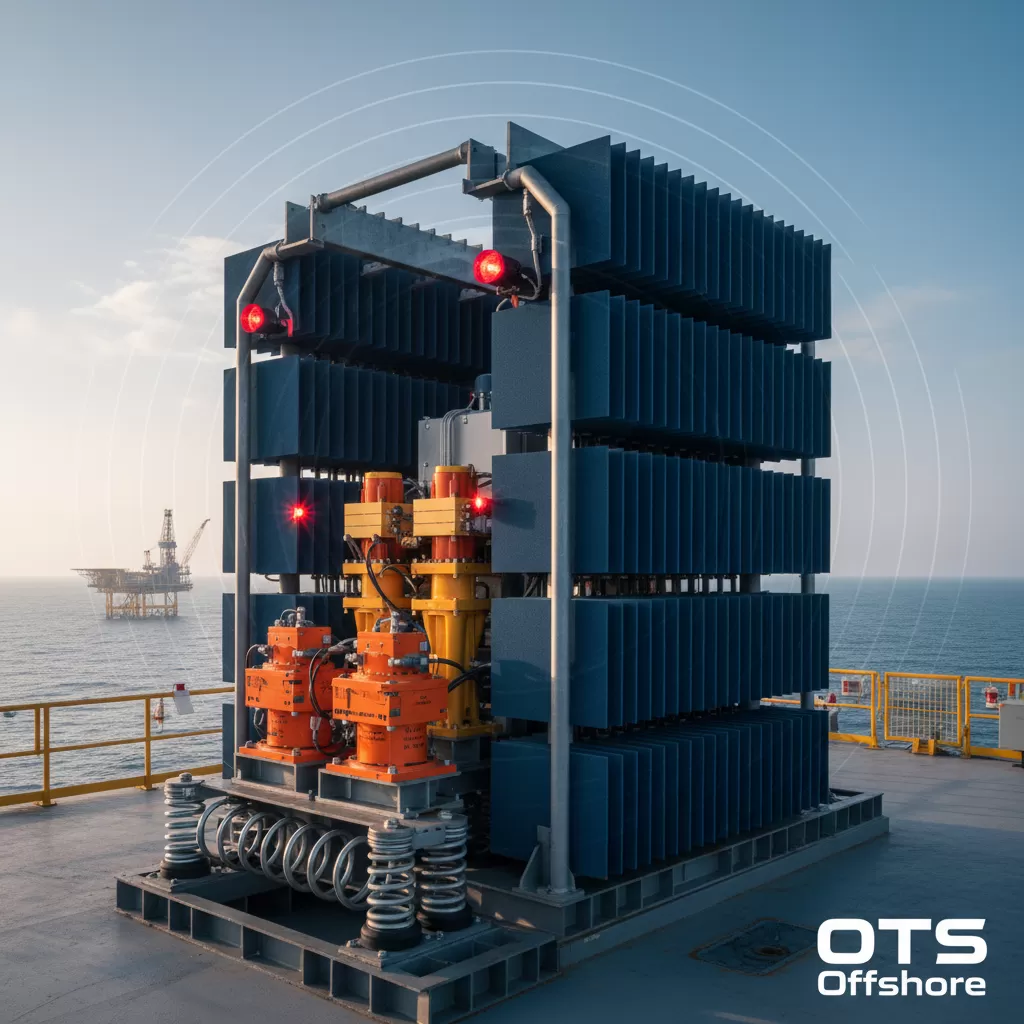
– Vibration Isolation: Mounting equipment on resilient materials such as rubber mounts, spring isolators, or air springs effectively decouples the vibrating source from the supporting structure. This significantly reduces the transmission of vibration through the platform. Careful selection of isolator stiffness and damping characteristics is vital to avoid resonance at operating frequencies.
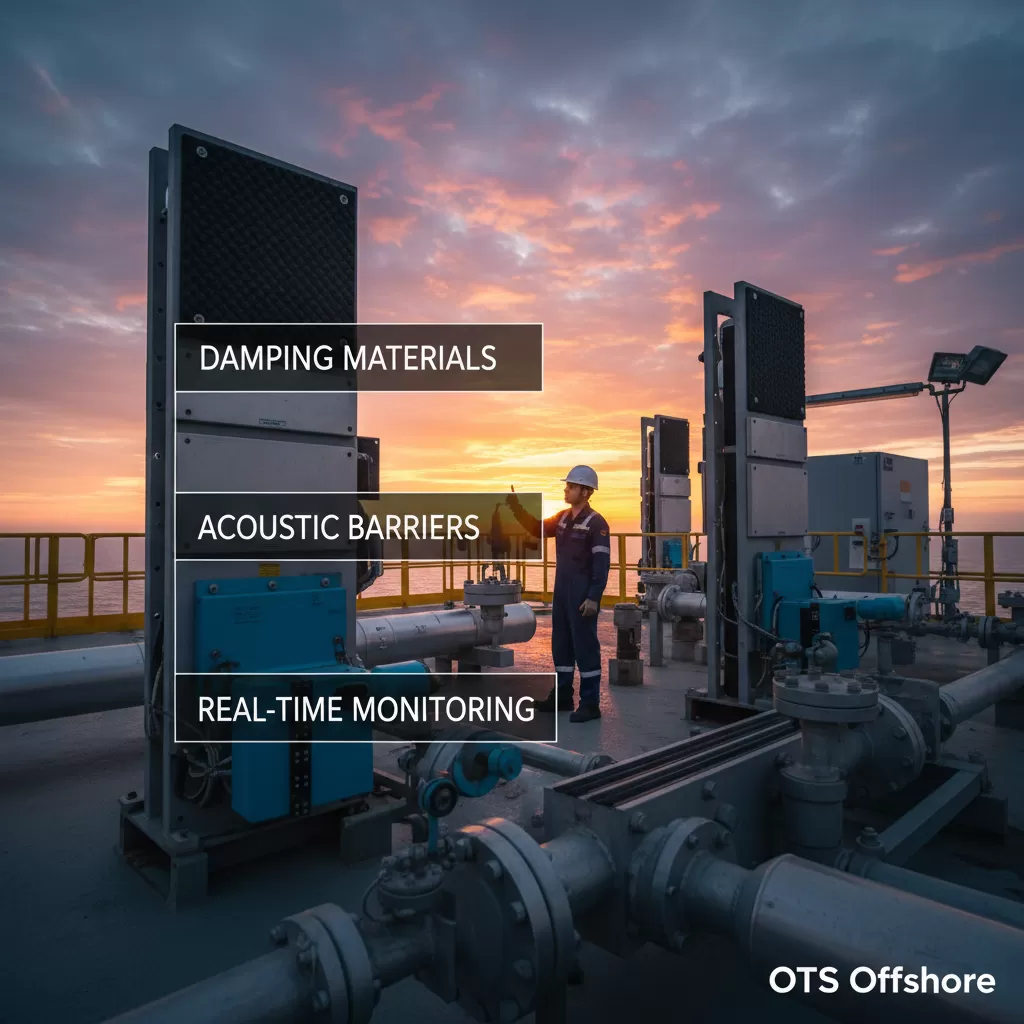
– Damping Treatments: Applying viscoelastic damping materials to vibrating surfaces can dissipate vibrational energy as heat, reducing overall vibration amplitudes. This is particularly effective for flat panel structures.
– Mufflers and Silencers: For exhaust systems of engines and turbines, strategically placed mufflers and silencers are essential to attenuate airborne noise. Advanced designs incorporate reactive and absorptive elements tailored to specific frequency ranges.
– Resonance Control: Identifying and addressing structural resonances is critical. This can involve stiffening structural elements, adding mass to damp vibrations, or altering the geometry of problematic components. FEA is invaluable in predicting and mitigating resonance issues during the design phase.
3. Path Control: Preventing Propagation
Even with effective source control, some vibration and noise will inevitably propagate. Path control measures focus on interrupting or attenuating this transmission.
– Structural Design and Stiffness: The overall structural design of an offshore platform plays a significant role in vibration transmission. Designing for stiffness and avoiding long, unsupported spans can help limit the amplification and propagation of vibrations.
– Acoustic Lagging and Insulation: Applying acoustic lagging to pipes and ductwork can reduce noise radiated from fluid flow. Thermal insulation can also contribute to acoustic damping. For modules and enclosures, multi-layer acoustic insulation systems are employed to create barriers against noise.
– Bulkheads and Enclosures: Constructing sound-insulating bulkheads and enclosures around noisy equipment creates a physical barrier that significantly reduces noise levels in adjacent areas. The design must consider airtightness to prevent flanking paths.
– Damped Structural Connections: Using damped or resilient connections between equipment and structural members further enhances vibration isolation.
4. Receiver Protection: Minimizing Impact**
When source and path control measures are insufficient to meet regulatory limits or comfort standards, receiver protection becomes the final layer of defense.
– Hearing Protection Devices (HPDs): For personnel, the use of appropriate HPDs such as earplugs and earmuffs is a fundamental requirement in high-noise areas. This is often a regulatory mandate.
– Acoustic Louvers and Ventilation: For enclosures and modules, acoustic louvers and carefully designed ventilation systems can allow for airflow while minimizing noise ingress and egress.
– Room Acoustics: In accommodation modules and control rooms, interior acoustic treatments such as sound-absorbing panels and ceilings are used to reduce reverberation and improve speech intelligibility.
– Underwater Noise Mitigation: This is a distinct but related area of receiver protection. Techniques include bubble curtains, acoustic blankets, and optimized propeller designs for vessels supporting offshore operations.
5. Monitoring and Maintenance: The Continuous Improvement Cycle**
Effective Management of Vibration Noise is not a one-time effort but an ongoing process requiring continuous monitoring and diligent maintenance.
– Vibration Monitoring Systems: Real-time vibration monitoring systems provide early warning of developing issues, allowing for proactive maintenance before significant damage or disruption occurs. This includes eddy current sensors, accelerometers, and wireless monitoring solutions.
– Acoustic Monitoring: Regular acoustic surveys and the deployment of permanent acoustic monitoring stations can track noise levels and detect deviations from baseline conditions.
– Predictive Maintenance: Integrating vibration and noise data into predictive maintenance strategies allows for optimized scheduling of maintenance activities based on the actual condition of equipment, rather than fixed schedules.
– Seal and Gasket Integrity: Maintaining the integrity of seals and gaskets on rotating equipment, piping, and enclosures is crucial for both noise and vibration control. Leaks can significantly exacerbate these issues.
– Structural Inspections: Regular inspections of structural integrity, including welds and mounting points, are essential to ensure that vibration isolation and damping systems remain effective.
Navigating the Regulatory Landscape for Offshore Vibration and Noise Emissions
The regulatory framework governing offshore vibration and noise emissions is complex and evolving, requiring operators to stay abreast of international conventions, national legislation, and regional guidelines. Understanding and adhering to these regulations is paramount for successful operations.
– International Maritime Organization (IMO): While primarily focused on ship noise, IMO guidelines and codes can influence offshore platform design and operation, particularly concerning noise impact on marine life.
– International Labour Organization (ILO): The ILO sets standards for occupational safety and health, including limits on noise exposure for workers in hazardous environments.
– Regional Agreements: Bodies like the OSPAR Commission (for the North-East Atlantic) and the Arctic Council have established environmental protection objectives that include managing underwater noise pollution from offshore activities.
– National Environmental Protection Agencies: Each nation with offshore oil and gas activities has its own set of environmental regulations that dictate permissible noise levels, monitoring requirements, and mitigation strategies. These often stem from broader environmental protection acts and specific offshore operating regulations.
– Industry Standards and Best Practices: Organizations like the American Petroleum Institute (API), the International Association of Oil & Gas Producers (IOGP), and the Society of Naval Architects and Marine Engineers (SNAME) develop and promote industry standards and best practices that often exceed minimum regulatory requirements and offer practical guidance for Managing Vibration Noise.
The proactive integration of Managing Vibration Noise principles from the initial design phase through to decommissioning is essential. This holistic approach ensures that platforms are not only compliant but also operate with optimal safety, reliability, and minimal environmental impact.
The Future of Managing Vibration Noise Offshore
The drive for sustainability and enhanced environmental protection is pushing the boundaries of Managing Vibration Noise technologies and strategies. Advanced computational modeling, real-time data analytics, and the integration of artificial intelligence are set to revolutionize how vibration and noise are monitored and controlled. Furthermore, increasing emphasis on the development and adoption of inherently quieter and more vibration-resistant technologies will continue to be a key focus area for equipment manufacturers and operators alike. The commitment to a greener and safer offshore energy future hinges significantly on our collective ability to effectively manage these pervasive emissions.