


Managing vibration and noise emissions offshore is a critical aspect of ensuring operational integrity, environmental stewardship, and regulatory compliance. This article delves into the strategies and technologies employed to effectively control these potentially detrimental factors in the harsh marine environment, focusing on practical approaches for offshore oil and gas operations and renewable energy platforms.
Effective Managing Vibration Noise for Offshore Regulatory Compliance
The offshore energy sector, encompassing both traditional oil and gas extraction and the burgeoning renewable energy industry, faces unique challenges in maintaining operational efficiency and minimizing environmental impact. A significant concern within this domain is the effective managing vibration noise. These airborne and structure-borne disturbances, originating from a multitude of sources on offshore platforms, not only pose risks to personnel safety and equipment longevity but also carry substantial implications for regulatory adherence. As global environmental standards tighten and the scrutiny on offshore activities intensifies, a proactive and comprehensive approach to managing vibration and noise emissions is no longer a matter of best practice, but a fundamental requirement for legal operation and long-term sustainability.
The inherent nature of offshore operations, characterized by the constant hum of machinery, the dynamic forces of the marine environment, and the complex interplay of structural components, creates a fertile ground for vibration and noise generation. From the powerful thrusters of support vessels to the high-pressure pumps and rotating equipment on production facilities, and the intricate mechanisms of wind turbines, the potential for noise and vibration propagation is ubiquitous. Ignoring these phenomena can lead to a cascade of negative consequences, including structural fatigue, component wear, decreased operational performance, and, crucially, non-compliance with stringent environmental regulations set forth by international and national bodies. Consequently, understanding and implementing robust managing vibration noise strategies are paramount for any entity operating in the offshore energy landscape.
Understanding the Sources of Offshore Vibration and Noise
Offshore platforms, whether for hydrocarbon extraction or renewable energy generation, are complex ecosystems of interconnected machinery and structural elements. The generation of vibration and noise is a multifaceted issue stemming from various operational and environmental factors. A thorough understanding of these sources is the foundational step in developing effective mitigation strategies.
Machinery-Related Vibration and Noise
At the heart of most offshore operations lies a significant array of machinery. The operation of these systems is a primary contributor to both vibration and noise.
– Rotating equipment such as pumps, compressors, turbines, and generators are notorious for generating imbalances and mechanical faults that translate directly into vibrations. These vibrations can propagate through the platform structure, affecting adjacent equipment and potentially causing resonance. The noise associated with these machines can range from high-frequency whine to low-frequency rumble, depending on the specific component and its operating parameters.
– Reciprocating machinery, including diesel engines and certain types of compressors, introduce periodic forces and impacts that generate distinct vibration signatures and tonal noise components.
– Hydraulic systems, while often quieter than their mechanical counterparts, can still generate significant noise and vibration due to fluid turbulence, cavitation, and pump operation. High-pressure leaks can also produce audible noise.
– Thrusters and propulsion systems on offshore vessels and dynamically positioned platforms are substantial sources of both vibration and underwater noise, which can impact marine life.
– Drilling operations, particularly during the drilling phase, produce substantial noise and vibration through the drill string, rig machinery, and associated pumps.
Structural Vibration and Noise Transmission
Once generated, vibration and noise do not remain localized. They can be transmitted through the platform’s structure, amplifying and spreading throughout the facility.
– Structural resonance is a critical concern. If the natural frequencies of structural components align with the excitation frequencies from machinery, significant amplifications in vibration can occur, leading to increased stress and potential failure.
– Mechanical connections, such as pipe supports, bolted joints, and mounting bases, act as conduits for vibration transmission. Poorly designed or maintained connections can exacerbate this issue.
– The sheer scale and complexity of offshore structures mean that vibrations originating in one area can travel considerable distances, impacting sensitive equipment or areas where personnel are located.
– Airborne noise from machinery can also impinge upon structural elements, causing them to vibrate and re-radiate sound, further contributing to the overall noise environment.
Environmental and Operational Factors
Beyond the machinery itself, external and operational conditions play a significant role.
– Wave action and wind loading can induce dynamic forces on the platform structure, leading to low-frequency vibrations and noise, particularly for lighter structures like floating wind turbines.
– Fluid flow within pipes and process equipment, especially at high velocities or with significant turbulence, can generate flow-induced noise and vibration. This is common in production pipelines and utility systems.
– Process upsets, such as pressure surges or sudden changes in flow, can create transient but intense vibration and noise events.
– Operational activities, including material handling, maintenance work, and the movement of personnel, can introduce temporary but notable increases in noise and vibration levels.
Regulatory Frameworks for Offshore Vibration and Noise Emissions
Navigating the complex landscape of offshore operations necessitates a deep understanding of the regulatory frameworks governing vibration and noise emissions. These regulations are designed to protect both the marine environment and human health, ensuring that energy extraction and production activities are conducted responsibly.
International Maritime Organization (IMO) and Underwater Noise
The International Maritime Organization (IMO) has increasingly focused on the issue of underwater noise generated by shipping and offshore activities. While specific regulations are still evolving, the general principle is to minimize the impact on marine life, particularly marine mammals that rely on sound for communication, navigation, and foraging.
– Guidelines for the reduction of underwater noise from shipping and offshore platforms are being developed and implemented. This often involves promoting quieter propulsion systems and operational practices.
– The IMO’s Ballast Water Management Convention, while not directly addressing noise, highlights the broader trend of increasing environmental stewardship in maritime operations.
National Environmental Protection Agencies and Standards
National environmental protection agencies play a crucial role in setting specific limits and requirements for offshore operations within their jurisdictions. These can vary significantly depending on the country and the specific type of offshore activity.
– Permitting processes for offshore exploration, production, and renewable energy installations typically include stipulations on noise and vibration emissions. These permits often require baseline studies, ongoing monitoring, and the implementation of mitigation measures.
– Standards related to occupational health and safety also dictate acceptable noise exposure levels for personnel working on offshore platforms. This includes requirements for personal protective equipment (PPE) and the implementation of noise reduction strategies in work areas.
– Environmental Impact Assessments (EIAs) are a standard requirement for new offshore projects. These assessments must evaluate the potential impact of noise and vibration on the marine environment and propose mitigation plans.
Industry Standards and Best Practices
Beyond legally binding regulations, industry bodies and professional organizations develop standards and best practices that often exceed minimum legal requirements. Adherence to these standards is crucial for maintaining a strong reputation and demonstrating a commitment to responsible operations.
– Organizations such as the International Association of Oil & Gas Producers (IOGP) and the International Electrotechnical Commission (IEC) publish guidelines and standards related to noise control and vibration management in the oil and gas industry and for electrical equipment, respectively.
– Renewable energy organizations, such as those focused on offshore wind, also develop specific standards for noise and vibration mitigation from turbine operations and installation activities.
– The application of standards like ISO 1996 (Acoustics – Description, measurement and assessment of environmental noise) and ISO 3744 (Acoustics – Determination of sound power levels of noise sources using sound pressure) provides standardized methodologies for noise measurement and assessment.
Strategies for Managing Vibration Noise Emissions
Effective managing vibration noise offshore requires a multi-pronged approach, integrating design, operational practices, and advanced monitoring technologies. The goal is to minimize the generation of vibration and noise at the source, and to control its propagation and transmission.
Source Control: The First Line of Defense
The most effective approach to managing vibration and noise is to prevent or minimize its generation at the source.
– Equipment selection and design: Prioritizing low-noise and low-vibration equipment during the procurement phase is crucial. This includes specifying machinery with inherently balanced designs, high-quality bearings, and effective damping mechanisms. For rotating machinery, ensuring precise manufacturing and balancing of components like impellers and rotors is vital.
– Isolation and Damping: Mounting vibrating equipment on resilient mounts, such as rubber or spring isolators, can significantly reduce the transmission of vibration to the platform structure. Similarly, applying damping materials to vibrating surfaces can dissipate vibrational energy and reduce noise radiation.
– Silencers and Mufflers: For exhaust systems of engines and other air/gas outlets, installing appropriate silencers or mufflers can dramatically reduce airborne noise. The design of these devices must be optimized for the specific frequency range of the noise source.
– Aerodynamic and Hydrodynamic Optimization: For systems involving fluid flow, optimizing pipe diameters, reducing flow velocities where possible, and smoothing internal surfaces can minimize flow-induced noise and vibration. For vessels and structures, hull design and propeller selection play a role in reducing underwater noise.
– Variable Speed Drives (VSDs): Utilizing VSDs allows for the operation of machinery at optimal speeds, reducing noise and vibration during start-up, shutdown, and at lower load conditions. This also contributes to energy efficiency.
Path Control: Minimizing Transmission
Once vibration and noise are generated, measures can be taken to control their transmission through the structure or the surrounding environment.
– Structural Stiffening and Reinforcement: In some cases, reinforcing or stiffening structural elements can increase their natural frequencies, moving them away from the dominant excitation frequencies of machinery, thus avoiding resonance.
– Acoustic Enclosures and Barriers: Enclosing noisy equipment within acoustically treated enclosures can contain the noise and prevent it from radiating into the surrounding environment. Acoustic barriers can also be used to block the direct path of sound propagation.
– Lagging and Insulation: Applying acoustic lagging to pipes and ductwork can reduce radiated noise from fluid flow. Thermal insulation can also offer some acoustic benefits.
– Vibration Damping Materials: Applying viscoelastic damping materials to large vibrating surfaces, such as decks and bulkheads, can effectively dissipate vibrational energy and reduce radiated noise.
– Isolation of Piping and Supports: Using resilient hangers and supports for pipes and conduits can decouple them from the main structure, preventing vibration transmission.
Receiver Control: Protecting Personnel and Environment
When source and path control are insufficient, measures are taken to protect personnel and the environment from the remaining noise and vibration.
– Personal Protective Equipment (PPE): Providing appropriate hearing protection (earplugs, earmuffs) for personnel working in high-noise areas is a fundamental requirement.
– Operational Procedures: Implementing strict operational procedures, such as limiting the time spent in high-noise zones and scheduling noisy activities during periods of lower environmental sensitivity, can help manage exposure.
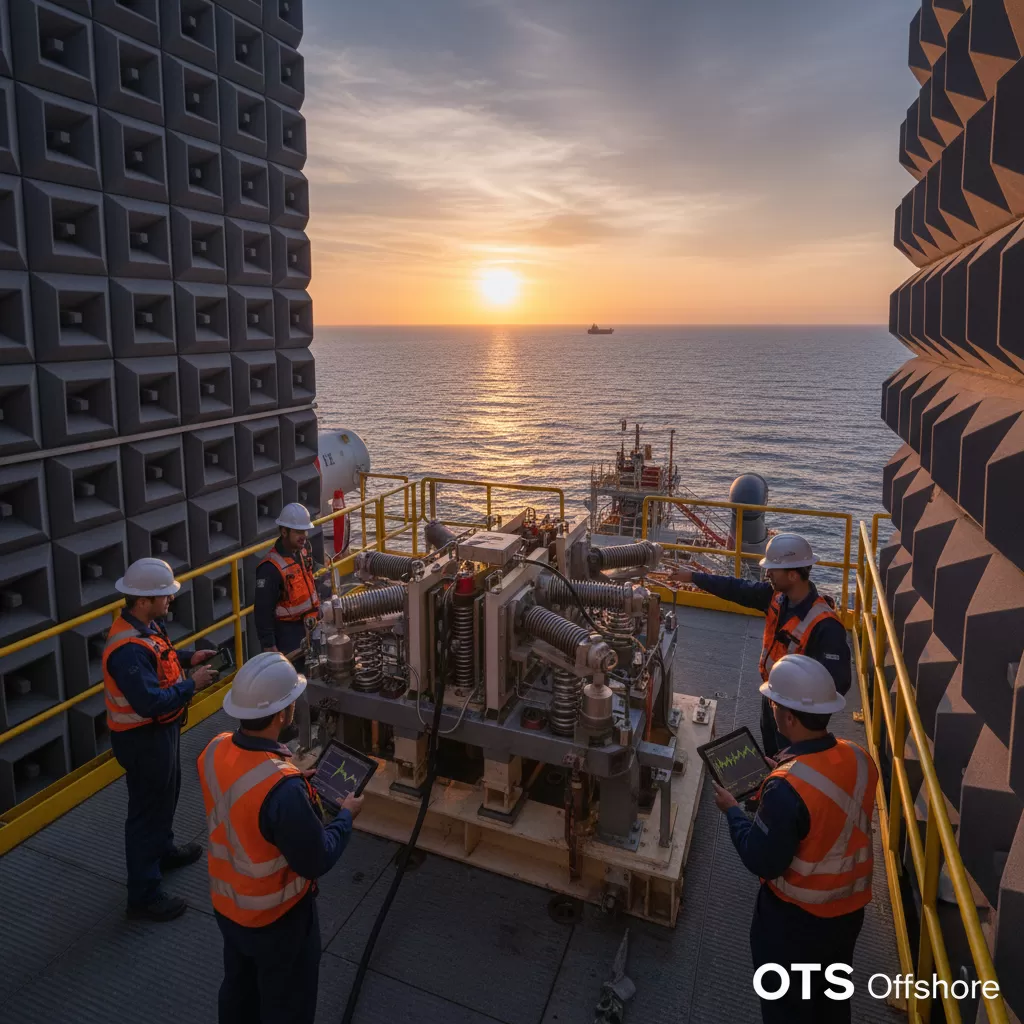
– Monitoring and Alarm Systems: Implementing continuous monitoring of vibration and noise levels allows for early detection of potential issues and alerts operators to abnormal conditions. Alarm systems can be triggered when predefined thresholds are exceeded, prompting immediate action.
– Underwater Noise Mitigation during Installation and Operation: For renewable energy projects, specific strategies are employed to reduce underwater noise during pile driving for foundations (e.g., bubble curtains, hydro sound dampers) and to minimize operational noise from turbines.
Advanced Technologies for Monitoring and Analysis
The effectiveness of managing vibration noise is greatly enhanced by the deployment of advanced monitoring and analysis technologies. These tools provide real-time insights into the condition of equipment and the acoustic environment, enabling proactive maintenance and informed decision-making.
Vibration Monitoring Systems
Modern vibration monitoring systems go beyond simple measurement, offering sophisticated diagnostic capabilities.
– Wireless Sensor Networks (WSNs): These networks allow for flexible and cost-effective deployment of vibration sensors across an entire platform, providing comprehensive coverage without the need for extensive cabling.
– Online Condition Monitoring: Continuous, real-time monitoring of vibration parameters allows for the early detection of developing faults in rotating machinery. Trends in vibration amplitude, frequency, and phase can indicate issues such as bearing wear, imbalance, misalignment, and gear defects.
– Data Analytics and Machine Learning: Advanced algorithms can analyze vast amounts of vibration data to identify subtle patterns and predict potential equipment failures before they occur. This enables predictive maintenance strategies, reducing unplanned downtime and preventing costly repairs.
– Finite Element Analysis (FEA) and Modal Analysis: These computational tools are used during the design phase to predict the vibrational characteristics of structures and machinery. Modal analysis helps identify natural frequencies and mode shapes, allowing engineers to avoid resonant conditions.
Acoustic Monitoring and Analysis
Acoustic monitoring is equally critical for assessing noise levels and identifying sources.
– Sound Level Meters and Analyzers: Portable and fixed sound level meters are used to measure overall sound pressure levels and analyze the frequency content of noise. This helps in identifying dominant noise sources and assessing compliance with regulatory limits.
– Acoustic Cameras: These innovative devices visualize sound sources by overlaying sound intensity maps onto a visual image, allowing for precise identification of where noise is emanating from. This is invaluable for pinpointing specific components contributing to excessive noise.
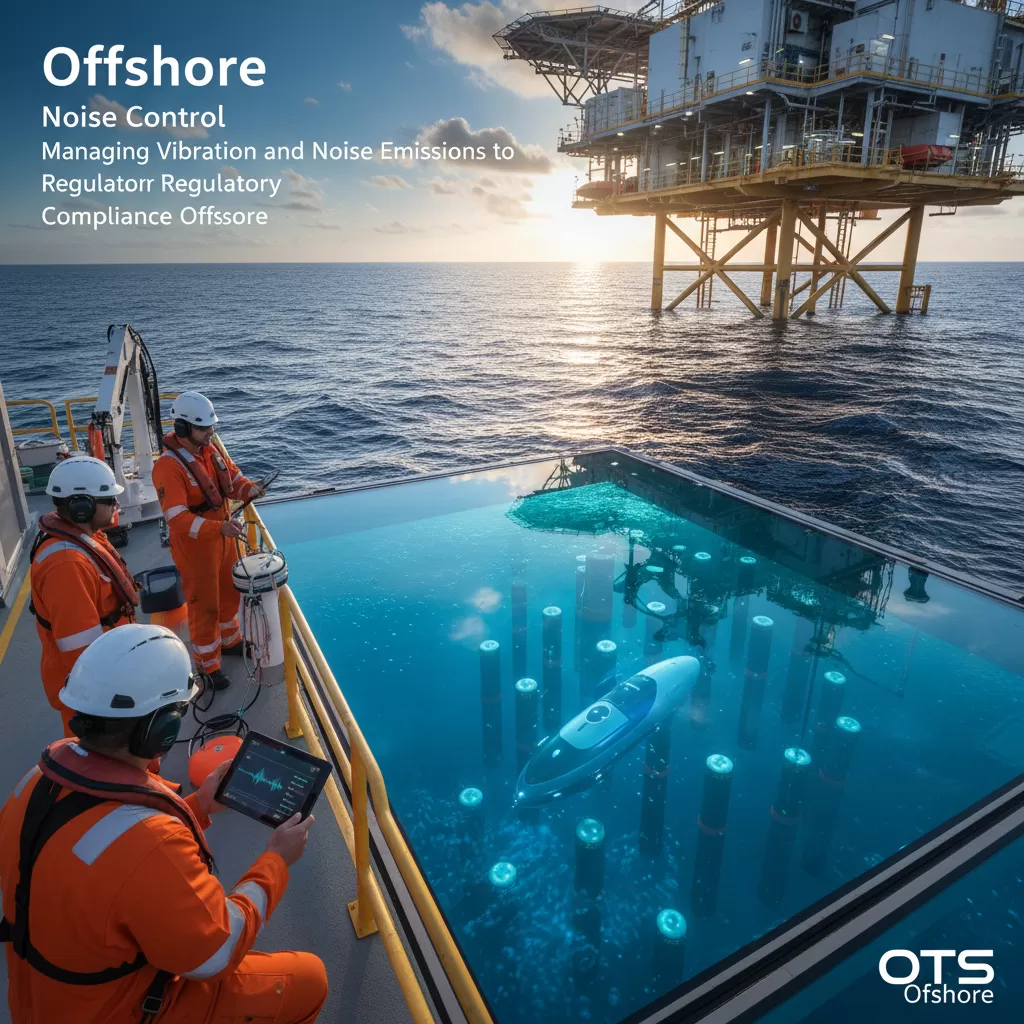
– Hydrophone Arrays: For underwater noise monitoring, hydrophone arrays are deployed to measure and localize sound sources, particularly important for assessing the impact on marine ecosystems.
– Noise Mapping: Creating detailed noise maps of offshore platforms helps visualize noise distribution and identify areas where noise levels are highest, guiding the implementation of targeted mitigation measures.
Integrated Monitoring Platforms
The most advanced approach involves integrating vibration and acoustic monitoring with other operational data, such as process parameters and environmental conditions.
– Centralized Data Acquisition and Management: A unified platform for collecting, storing, and analyzing data from various sensors provides a holistic view of platform health and environmental impact.
– Real-time Performance Indicators: Integrated systems can generate real-time performance indicators related to noise and vibration, allowing operators to quickly assess the situation and take corrective actions.
– Predictive Maintenance Software: Software that combines vibration, acoustic, and operational data can predict equipment failures with higher accuracy, optimizing maintenance schedules and reducing the risk of incidents.
By leveraging these advanced technologies, offshore operators can move from a reactive approach to a proactive one, ensuring continuous compliance and enhancing the overall safety and efficiency of their operations. The ongoing evolution of these technologies promises even greater capabilities in the future for managing vibration and noise in this demanding sector.