

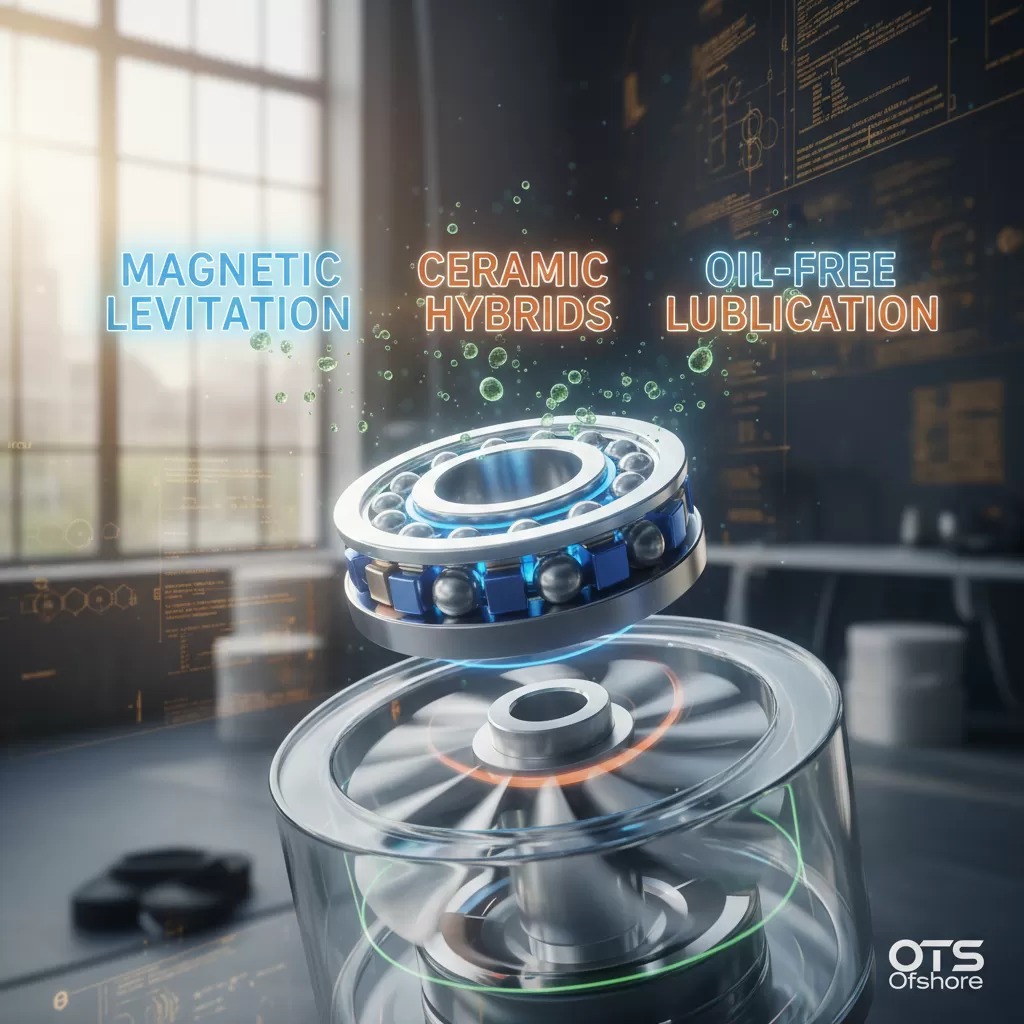
Advances in anti-friction bearing technology are critical for enhancing the efficiency, reliability, and longevity of high-speed turbines, particularly in demanding sectors like oil and gas and power generation. This article delves into the latest innovations in bearing design, materials, lubrication, and monitoring systems that are revolutionizing turbine performance and mitigating operational risks.
The Crucial Role of Advances in Anti-Friction Bearing Technology for High-Speed Turbines
The relentless pursuit of higher operational speeds and greater power output in turbomachinery, especially within the oil and gas and energy sectors, places immense stress on critical components. Among these, anti-friction bearings are pivotal, directly influencing turbine efficiency, operational lifespan, and overall system reliability. Advances in anti-friction bearing technology are therefore not merely incremental improvements but fundamental shifts that enable turbines to operate at peak performance under increasingly arduous conditions. These advancements address challenges such as extreme temperatures, high rotational velocities, significant load bearing requirements, and the need for minimized frictional losses. For operators in the upstream oil and gas industry, the reliability of turbines used in extraction and processing is paramount, and cutting-edge bearing solutions directly translate to reduced downtime, lower maintenance costs, and enhanced safety. Similarly, in the power generation industry, where turbines are the backbone of electricity supply, any improvement in bearing technology contributes to grid stability and cost-effective energy production. The ongoing evolution in anti-friction bearing design and materials is thus a cornerstone of modern turbomachinery engineering, unlocking new levels of performance and sustainability.
Understanding the Core Principles of Anti-Friction Bearings in Turbines
Anti-friction bearings, also known as rolling-element bearings, function by utilizing rolling elements such as balls or rollers to reduce friction between moving parts. Unlike plain bearings that rely on sliding surfaces, anti-friction bearings separate these surfaces with discrete rolling elements, significantly lowering the coefficient of friction. This fundamental principle is especially vital in high-speed turbines where rotational speeds can reach tens of thousands of revolutions per minute. At these velocities, even minute frictional forces can generate substantial heat, leading to material degradation, increased energy loss, and potential catastrophic failure. The design of anti-friction bearings for turbines must therefore carefully consider factors like load distribution, rotational dynamics, thermal expansion, and the surrounding operational environment, which can include corrosive media or extreme temperatures. The selection of appropriate bearing types – such as ball bearings, roller bearings (cylindrical, spherical, tapered), or thrust bearings – depends heavily on the specific application’s load characteristics and speed requirements. Precision manufacturing, material science, and advanced lubrication techniques are all integral to ensuring that these bearings can withstand the rigors of continuous operation in high-speed turbine applications.
The Evolution from Traditional Bearings to Modern Solutions
Historically, turbines often employed simpler bearing designs. However, as performance demands escalated, so did the need for bearings that could handle higher loads, greater speeds, and more extreme environments. Early advancements focused on material improvements, introducing harder and more durable steels. Subsequently, innovations in manufacturing precision allowed for tighter tolerances and smoother surface finishes, further reducing friction and wear. The advent of advanced lubrication technologies, including synthetic lubricants and sophisticated delivery systems, played a crucial role in managing heat and wear. More recently, the integration of advanced materials like ceramics and specialized alloys has opened new frontiers, offering superior performance under high-temperature and corrosive conditions. Furthermore, the incorporation of intelligent monitoring systems and predictive maintenance strategies, enabled by embedded sensors, represents a paradigm shift in how bearing health is managed, moving from reactive repairs to proactive interventions. This continuous evolution underscores the significance of advances in anti-friction bearing technology.

Key Innovations Driving Performance in High-Speed Turbine Bearings
The field of anti-friction bearing technology for high-speed turbines is characterized by continuous innovation, driven by the demands of sectors like oil and gas and power generation. These advancements span multiple critical areas, from material science to design optimization and intelligent monitoring. Understanding these breakthroughs is essential for engineers and operators aiming to maximize turbine efficiency and reliability.
Advanced Material Science: The Foundation of Enhanced Durability
Material selection is paramount in the design of anti-friction bearings for high-speed turbines. Traditional bearing steels, while robust, have limitations when subjected to the extreme conditions often encountered in modern turbomachinery. Advances in material science have introduced a range of superior alternatives that significantly enhance bearing performance and lifespan.
– Ceramic Materials: The use of advanced ceramics, such as silicon nitride (Si3N4) and Zirconia (ZrO2), has revolutionized bearing technology. Ceramic rolling elements are significantly lighter than steel, reducing centrifugal forces at high speeds. They also possess higher hardness, greater stiffness, and superior resistance to corrosion and high temperatures. This makes them ideal for applications where lubrication is marginal or where aggressive operating environments are present. Hybrid bearings, which combine ceramic rolling elements with steel rings, offer a compelling blend of benefits, including extended life, reduced power loss, and enhanced electrical insulation properties.
– Specialty Steel Alloys: Beyond ceramics, significant progress has been made in developing advanced steel alloys. These include high-carbon, high-chromium steels with improved hardenability and wear resistance. Vacuum-arc remelting (VAR) and electro-slag remelting (ESR) processes are employed to produce cleaner steels with fewer inclusions, which are critical weak points in bearings subjected to high stress. Furthermore, surface treatments like nitriding and advanced coatings (e.g., titanium nitride, chromium nitride) enhance surface hardness and reduce friction.
– Composite Materials: In certain specialized applications, composite materials are being explored for bearing components. These materials can offer unique combinations of properties, such as high strength-to-weight ratios and excellent thermal insulation. While less common than ceramics or advanced steels for core rolling elements, they are finding applications in bearing cages and seals where specific environmental resistance or weight reduction is crucial.
The careful selection and application of these advanced materials directly contribute to the improved reliability and efficiency observed in modern anti-friction bearings designed for high-speed turbine applications.
Innovative Design Strategies for Optimized Performance
Beyond materials, the actual design of the bearing itself has undergone substantial evolution. These design refinements aim to improve load distribution, minimize stress concentrations, and enhance operational stability under high-speed conditions.
– Cage Design and Materials: The cage, which separates and guides the rolling elements, plays a critical role in bearing performance. Traditional steel cages can be prone to wear and lubrication issues at high speeds. Modern designs often utilize advanced polymers (e.g., PEEK, PTFE composites) or specialized metal alloys that offer reduced friction, improved wear resistance, and better thermal stability. Phenolic or composite cages with improved lubrication retention are also prevalent in high-speed applications.
– Optimized Internal Geometry: The internal geometry of bearings, including the raceway profiles and the contact angles between rolling elements and raceways, is meticulously optimized. Advanced computational modeling and finite element analysis (FEA) are used to simulate stress distribution and predict fatigue life. This allows for designs that enhance load-carrying capacity, reduce internal friction, and improve dynamic response. For instance, slightly modified raceway curvatures can better accommodate minor misalignments or elastic deformations, improving overall contact.
– Enhanced Sealing Solutions: Effective sealing is crucial for preventing contamination ingress and lubricant loss, especially in harsh environments common in the oil and gas industry. Innovations include advanced labyrinth seals, multi-lip seals, and magnetically coupled seals. These designs are engineered to maintain sealing integrity at high rotational speeds, preventing the ingress of abrasive particles or corrosive fluids that can drastically shorten bearing life.
– Integrated Bearing Systems: In some high-speed turbine designs, bearings are integrated as part of a larger sub-assembly. This can involve monobloc constructions or specialized housing designs that enhance stiffness and thermal management. Such integrated approaches ensure optimal alignment and load transfer throughout the bearing system.
These design strategies, often in conjunction with advanced materials, are central to achieving the performance metrics required for modern high-speed turbines.
Revolutionary Lubrication Techniques: The Lifeblood of Turbines
Lubrication is perhaps the most critical factor in ensuring the longevity and performance of anti-friction bearings, especially at high speeds where heat generation is a significant concern. Recent advances have moved beyond conventional oil lubrication to more sophisticated and efficient methods.
– Synthetic Lubricants: The development of advanced synthetic lubricants, such as polyalphaolefins (PAOs), esters, and perfluoropolyethers (PFPEs), has been a major breakthrough. These lubricants offer superior thermal and oxidative stability, wider operating temperature ranges, and better film strength compared to mineral oils. PFPEs, in particular, are inert and resistant to extreme temperatures and aggressive chemicals, making them suitable for the most demanding oil and gas applications.
– Advanced Lubrication Delivery Systems: Beyond the lubricant itself, the method of delivery has been refined. Systems like oil mist lubrication, spray lubrication, and oil jet lubrication provide a continuous and controlled supply of lubricant to the bearing, effectively dissipating heat and providing a robust lubrication film. For very high speeds, through-flow lubrication systems that pass a large volume of oil through the bearing are employed to maximize cooling.
– Solid Lubricants and Greases: In applications where liquid lubrication is impractical or undesirable, solid lubricants (e.g., molybdenum disulfide, graphite) and advanced greases incorporating solid lubricants or specialized thickeners are used. These provide lubrication under extreme conditions or where contamination is a major concern.
– Tribological Coatings: Surface treatments and coatings are also playing an increasing role in lubrication. These coatings can improve the lubricant film adherence, reduce friction, and provide a sacrificial layer to protect the base material, especially during start-up and shutdown phases.
The synergy between advanced lubricants and sophisticated delivery systems is fundamental to the successful operation of high-speed turbines.
Intelligent Monitoring and Predictive Maintenance
The integration of sensors and data analytics has transformed bearing maintenance from a reactive or scheduled process to a proactive, predictive strategy. This is particularly relevant for critical high-speed turbine assets in the oil and gas sector.
– Vibration Analysis: Advanced accelerometers and vibration monitoring systems can detect subtle changes in bearing operation, such as the onset of spalling, surface distress, or cage damage, often long before audible or visible signs appear. Sophisticated algorithms can distinguish between different types of faults.
– Temperature Monitoring: Infrared sensors and embedded thermocouples provide real-time temperature data. Abnormal temperature spikes or gradual increases can indicate lubricant degradation, insufficient lubrication, or excessive friction, signaling an impending issue.
– Acoustic Emission Monitoring: This technique listens for high-frequency stress waves generated by crack propagation or surface deformation within the bearing. It can detect incipient damage at very early stages.
– Oil Debris Analysis: Analyzing the wear particles in the lubricating oil provides direct insight into the condition of the bearing. Spectrographic analysis can identify the presence and type of wear metals, while particle counting can quantify the extent of degradation.
– Integrated Sensor Systems: Modern bearings are increasingly equipped with embedded sensors that can monitor a range of parameters continuously. This data is often transmitted wirelessly to a central monitoring system, enabling real-time diagnostics and predictive analytics. Machine learning algorithms are used to analyze these data streams, predict remaining useful life, and schedule maintenance optimally, thereby minimizing unplanned downtime and reducing the risk of catastrophic failure.
The ongoing advances in anti-friction bearing technology, encompassing materials, design, lubrication, and intelligent monitoring, are crucial for the sustained high performance and reliability of high-speed turbines across demanding industrial applications.
Addressing the Challenges of High-Speed Operation
Operating anti-friction bearings at high rotational speeds presents a unique set of challenges that require specialized solutions. The increased centrifugal forces, higher heat generation, and the potential for dynamic instabilities necessitate careful engineering and technological adoption.
– Managing Centrifugal Forces and Inertial Effects: As rotational speeds increase, the centrifugal forces acting on the rolling elements become substantial. This can lead to increased stress on the bearing components, particularly the cage, and can affect the proper distribution of the lubricant film. Advances in lighter, stronger materials for rolling elements (e.g., ceramics) and cages (e.g., advanced polymers) directly address this challenge. Optimized internal geometries also help manage these forces more effectively by ensuring even load distribution.
– Mitigating Heat Generation and Thermal Management: Friction, even at low coefficients, generates heat. At high speeds, this heat can accumulate rapidly, potentially exceeding the thermal limits of the lubricant and bearing materials. Effective heat dissipation is therefore paramount. This is achieved through advanced lubrication systems that provide a high flow rate of cooling lubricant, optimized bearing designs that minimize churning losses, and sometimes external cooling mechanisms integrated into the turbine housing. The choice of lubricants with high thermal stability is also critical.
– Ensuring Dynamic Stability and Preventing Vibrations: High-speed rotation can excite various dynamic modes within the bearing and the entire turbomachinery system. Imbalances, misalignments, or resonant frequencies can lead to excessive vibrations, noise, and premature wear. Advanced bearing designs that incorporate features to dampen vibrations, such as specific internal clearances or elastomeric elements, are being developed. Rigorous balancing of rotating components and precise alignment of the turbine shaft are also essential preventative measures. Furthermore, sophisticated vibration monitoring systems help detect and diagnose these dynamic issues early.
– Lubricant Film Formation and Maintenance: At very high speeds, maintaining a consistent and robust lubricant film between the rolling elements and raceways is crucial. The lubricant must be able to withstand high shear forces and elevated temperatures. Advanced synthetic lubricants with superior film strength and viscosity stability are employed. Lubrication delivery systems are designed to ensure a continuous supply of fresh lubricant to the contact zones, effectively replenishing the film and removing wear debris.
– Combating Fatigue and Wear: The cumulative effect of high loads, speeds, and thermal cycling accelerates fatigue and wear processes. Material science innovations, such as the use of high-purity steels, advanced ceramics, and sophisticated surface treatments, are vital for increasing the fatigue life and wear resistance of bearing components. Strict quality control during manufacturing and meticulous maintenance practices are also indispensable.
By addressing these specific challenges through continuous technological advancement, the reliability and operational lifespan of anti-friction bearings in high-speed turbines are significantly enhanced, enabling greater efficiency and reduced operational costs in critical industries.
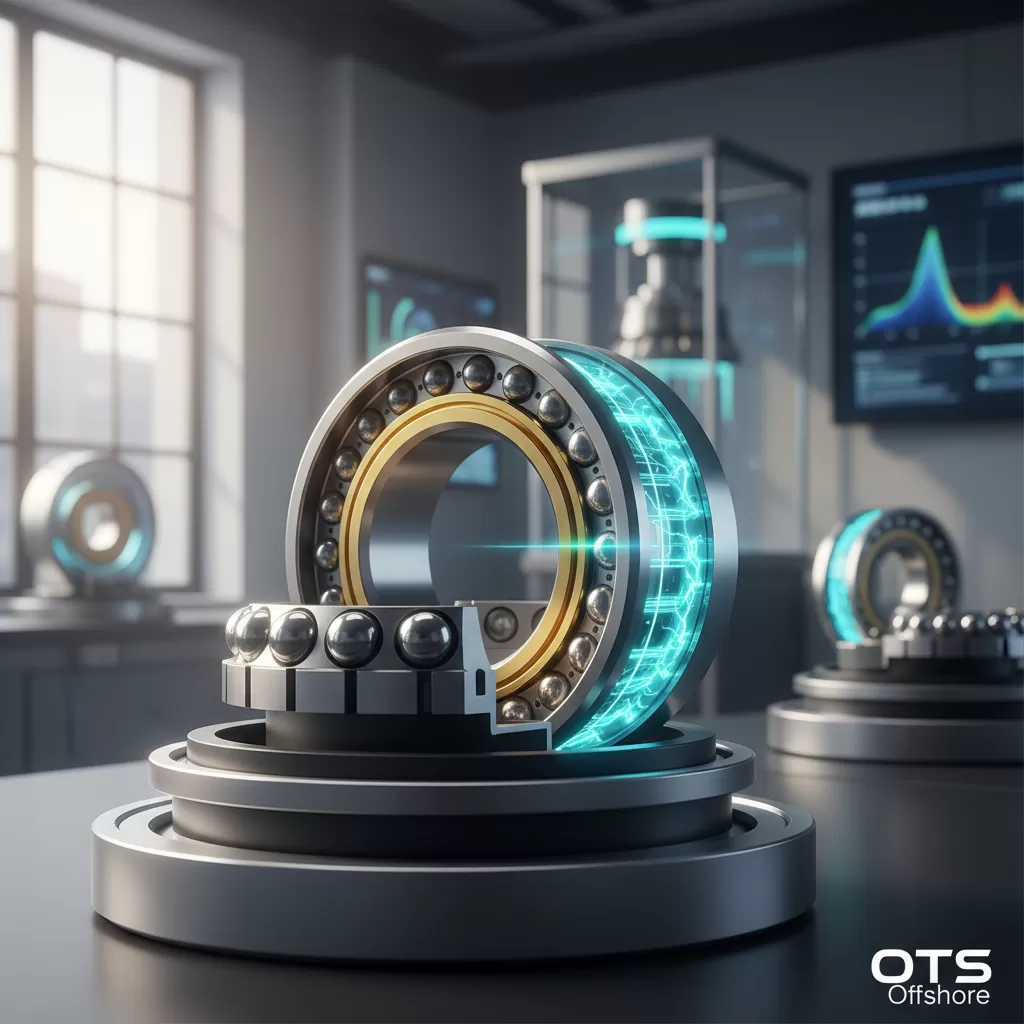
The Future Outlook for Anti-Friction Bearing Technology
The trajectory of innovation in anti-friction bearing technology for high-speed turbines points towards even greater integration of smart capabilities, novel materials, and highly optimized designs. The push for higher energy efficiency, longer service intervals, and enhanced operational resilience will continue to drive research and development.
– Enhanced Smart Bearings: The future will likely see bearings with more sophisticated integrated sensing capabilities, moving beyond simple vibration and temperature monitoring. This could include in-situ analysis of lubricant condition, real-time stress mapping within bearing components, and even self-healing or adaptive lubrication mechanisms. The data generated will feed into more advanced AI-driven predictive maintenance platforms, offering unparalleled insights into bearing health and performance.
– Next-Generation Materials: Research into new classes of materials, such as advanced graphene-based composites or nanomaterials, may offer unprecedented improvements in wear resistance, thermal conductivity, and friction reduction. The exploration of self-lubricating materials that can provide adequate lubrication even in the absence of traditional lubricants will also be a significant area of focus.
– Miniaturization and High-Power Density: As turbine designs become more compact and power-dense, bearings will need to deliver higher performance in smaller envelopes. This will require innovative designs that maximize load capacity and thermal management within constrained spaces.
– Sustainability and Environmental Considerations: Growing emphasis on sustainability will drive the development of bearings and lubricants with reduced environmental impact. This includes lubricants that are biodegradable or easier to recycle, and bearing materials that are sourced and manufactured with lower energy footprints.
The ongoing evolution of anti-friction bearing technology is intrinsically linked to the progress of the industries it serves, promising even more robust, efficient, and intelligent solutions for the demanding world of high-speed turbines.