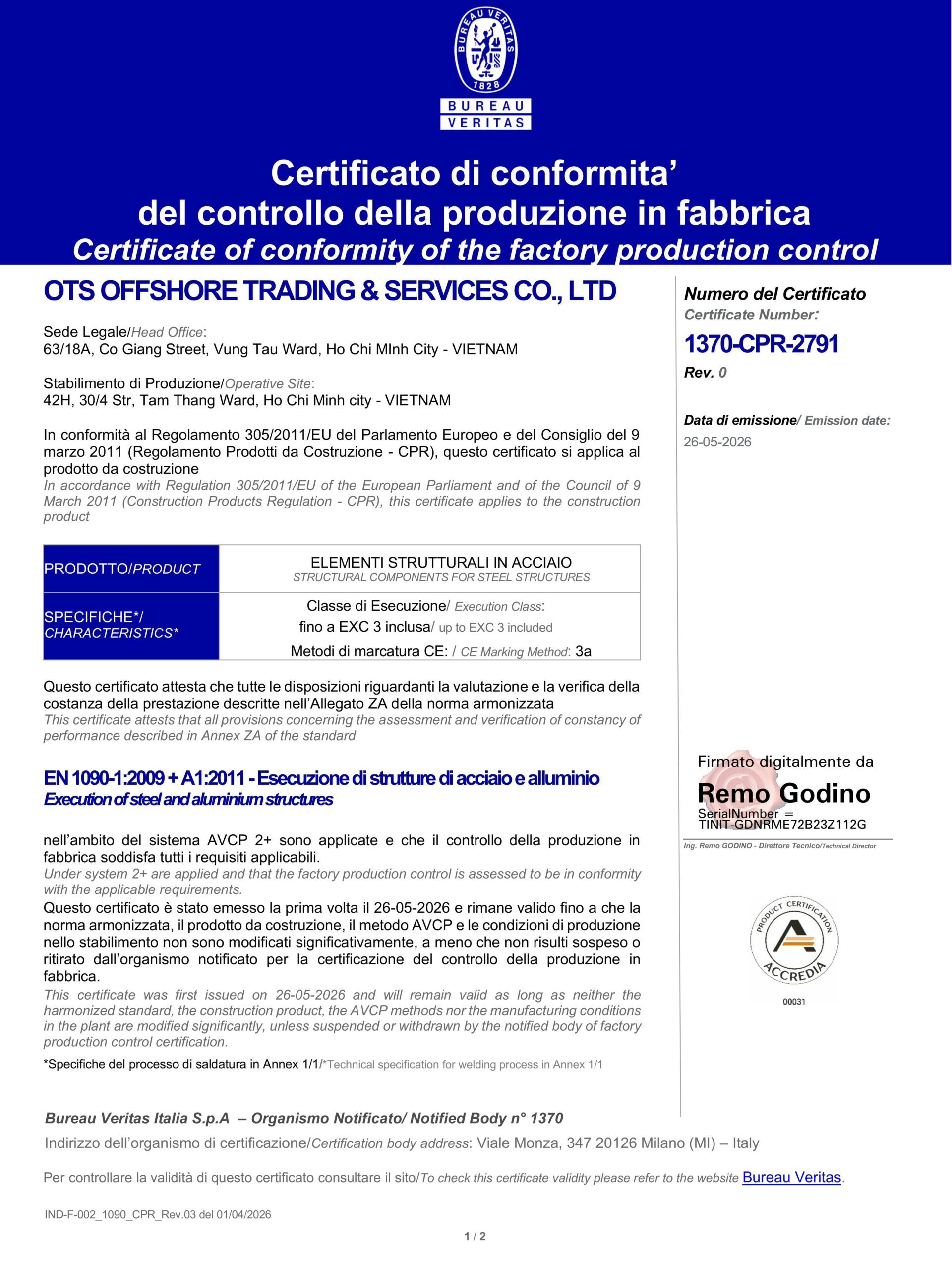


The operational integrity and sustained power output of offshore wind farms, particularly those utilizing advanced turbine models like the V164 class, hinge on rigorous maintenance strategies. This article delves into the critical Maintenance Requirements for Large-Scale offshore turbines, exploring preventative, predictive, and corrective measures essential for maximizing uptime and ensuring cost-effectiveness throughout their lifecycle.
Understanding the Nuanced Maintenance Requirements for Large-Scale Offshore Turbines (V164 Class)
Ensuring the reliability and optimal performance of large-scale offshore wind turbines, such as the V164 class, necessitates a comprehensive understanding of their specific Maintenance Requirements for Large-Scale operations. These colossal machines, operating in harsh marine environments, face unique challenges that demand sophisticated maintenance protocols. From their inception, these turbines are designed for longevity and efficiency, but this is intrinsically linked to the meticulous care and attention they receive. The Maintenance Requirements for Large-Scale turbines of this magnitude encompass a wide spectrum of activities, including routine inspections, component servicing, performance monitoring, and timely corrective actions. A proactive approach to maintenance is not merely a best practice; it is an economic imperative, directly impacting the levelized cost of energy (LCOE) and the overall profitability of an offshore wind farm. The complexity of the V164 turbine, with its advanced gearbox, generator, and control systems, further amplifies the need for specialized knowledge and skilled personnel to address its Maintenance Requirements for Large-Scale deployment effectively.
The Pillars of Offshore Turbine Maintenance Strategies
Effective Maintenance Requirements for Large-Scale offshore wind assets are built upon three fundamental pillars: preventative maintenance, predictive maintenance, and corrective maintenance. Each plays a crucial, albeit distinct, role in ensuring the turbine’s operational continuity and longevity.
Preventative Maintenance: The Proactive Shield
Preventative maintenance, often referred to as scheduled maintenance, is the cornerstone of minimizing unexpected downtime. For V164 class turbines, this involves adhering to strict manufacturer-recommended service intervals. These intervals are meticulously calculated based on operational hours, environmental conditions, and historical performance data. The objective is to identify and address potential issues before they escalate into critical failures.
– Routine Inspections: Visual checks of the entire turbine structure, including the tower, nacelle, rotor blades, and foundation. This involves looking for signs of corrosion, erosion, loose fastenings, or structural fatigue.
– Lubrication and Fluid Checks: Regular monitoring and replenishment of lubricants in the gearbox, pitch system, and main bearing are vital. Oil analysis is a key component here, detecting wear particles and contaminants that indicate potential internal issues.
– Component Servicing: This includes servicing of the pitch control system, yaw system, and braking systems. These systems are critical for turbine operation and require regular calibration and component checks.
– Electrical System Checks: Inspection of electrical connections, cable integrity, and control cabinets to prevent power quality issues or component failures.
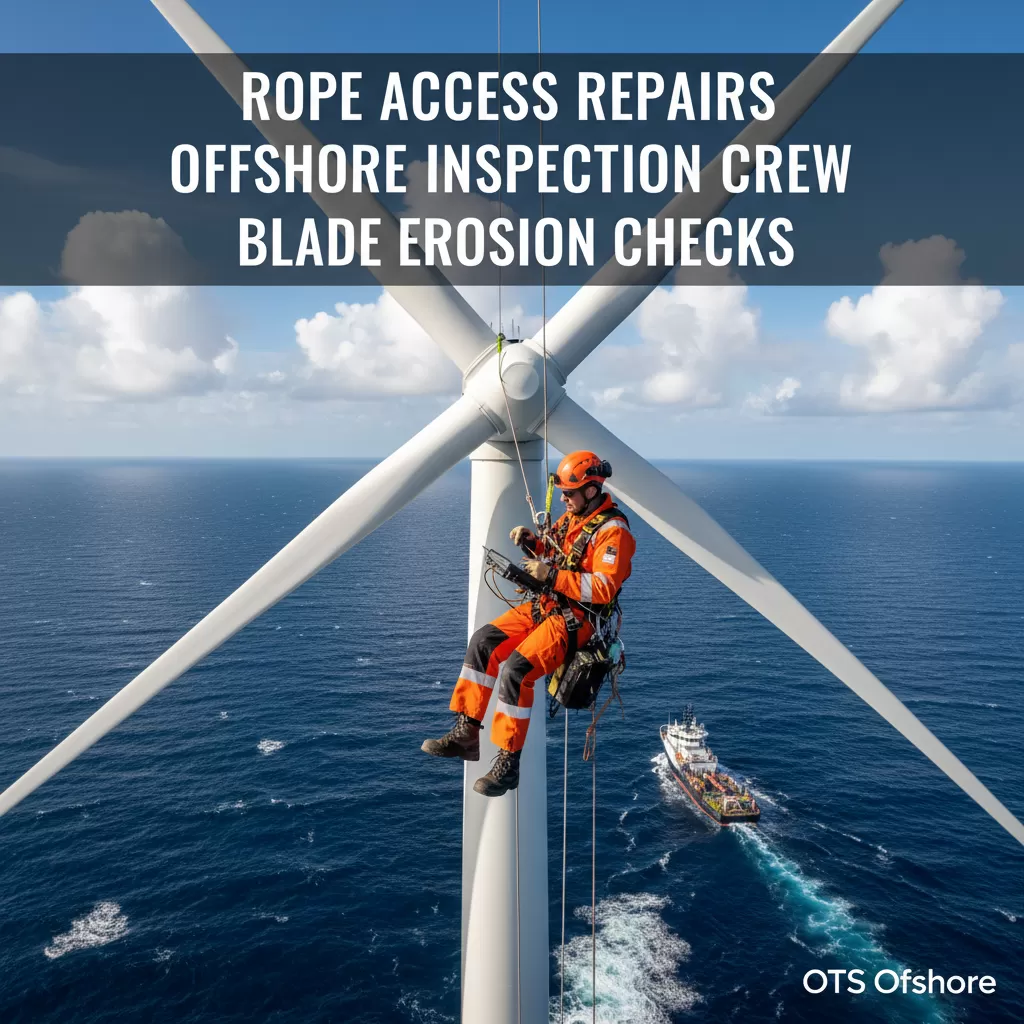
– Blade Inspections and Minor Repairs: Using specialized access techniques like rope access or drones, blades are inspected for damage such as leading-edge erosion, cracks, or delamination. Minor repairs are often performed during these routine checks to prevent further degradation.
– Filter Replacements: Ensuring clean air and oil filters are in place prevents contamination and maintains the efficiency of various systems.
The successful execution of preventative maintenance directly influences the reliability of the turbine and reduces the likelihood of costly emergency repairs. It’s about staying ahead of the curve, addressing minor wear and tear before it impacts major components, thus fulfilling a significant portion of the Maintenance Requirements for Large-Scale offshore turbines.
Predictive Maintenance: The Intelligent Forecaster
Predictive maintenance leverages technology and data analytics to forecast potential failures. Instead of relying solely on fixed schedules, this approach monitors the condition of critical components in real-time, allowing for maintenance to be scheduled precisely when it is needed. This significantly optimizes maintenance resources and further refines the Maintenance Requirements for Large-Scale offshore wind installations.
– Condition Monitoring Systems (CMS): Advanced CMS are integral to modern offshore turbines like the V164. These systems employ various sensors to monitor parameters such as vibration, temperature, acoustic emissions, and oil quality.
– Vibration Analysis: Detecting abnormal vibration patterns in the gearbox, main bearing, and generator can indicate bearing wear, gear tooth damage, or shaft misalignment. Sophisticated algorithms can identify the specific type and severity of the fault.
– Thermal Imaging: Infrared cameras can detect hotspots in electrical components, bearings, or brake systems, indicating potential overheating and impending failure.
– Oil Analysis: Beyond simple top-ups, detailed oil analysis provides insights into the wear of internal components. Spectrometric analysis can identify specific metals indicative of wear in different parts of the drivetrain.
– Performance Monitoring: Analyzing key performance indicators (KPIs) like power output, rotor speed, and pitch angles can reveal subtle deviations that might point to underlying issues. Deviations from expected performance can be early indicators of component degradation.
– SCADA Data Analysis: Supervisory Control and Data Acquisition (SCADA) systems collect vast amounts of operational data. Advanced analytics applied to this data can identify trends and anomalies that precede failures.
Predictive maintenance transforms maintenance from a reactive or scheduled activity into an informed, data-driven decision-making process. This is particularly valuable for Maintenance Requirements for Large-Scale offshore wind farms where access can be challenging and costly.
Corrective Maintenance: The Responsive Solution
Corrective maintenance, also known as breakdown maintenance, is performed after a component has failed or a fault has been detected. While the goal of preventative and predictive maintenance is to minimize corrective interventions, they remain an unavoidable aspect of managing any complex machinery. The effectiveness of corrective maintenance hinges on rapid response, accurate diagnostics, and efficient execution.
– Fault Diagnosis: Upon detecting a failure, a thorough diagnostic process is initiated to pinpoint the root cause. This often involves using specialized tools and expert knowledge of the V164 turbine’s systems.
– Component Replacement or Repair: Depending on the nature and severity of the failure, components may be repaired on-site (if feasible) or replaced. For large components like gearboxes or generators, this often requires specialized lifting equipment and significant logistical planning.
– Emergency Response Planning: Offshore wind farms must have robust emergency response plans in place to address sudden failures, including provisions for personnel, vessels, and critical spare parts.
– Post-Repair Testing: After any corrective maintenance, thorough testing is essential to ensure the turbine is operating safely and efficiently and that the issue has been fully resolved.
While corrective maintenance is reactive, its impact can be mitigated through effective planning and the rapid deployment of resources, thereby addressing the urgent Maintenance Requirements for Large-Scale offshore wind turbine issues.

Key Components Requiring Specialized Maintenance Attention
The V164 class turbine, with its immense power and sophisticated engineering, presents specific areas where maintenance attention is paramount. Understanding these critical zones is vital for any effective Maintenance Requirements for Large-Scale strategy.
The Drivetrain: Heart of the Turbine
The drivetrain, encompassing the main bearing, gearbox, and generator, is arguably the most complex and critical system. Its maintenance demands meticulous attention and specialized expertise.
– Main Bearing: This massive bearing supports the rotor and is subjected to immense loads. Regular lubrication, vibration monitoring, and careful inspection for wear or pitting are crucial. Early detection of bearing issues can prevent catastrophic gearbox damage.
– Gearbox: The gearbox is responsible for stepping up the rotor speed to the generator speed. It is a highly stressed component requiring precise lubrication, oil analysis, and vibration monitoring. Gear tooth wear, bearing failures within the gearbox, and oil leaks are common concerns.
– Generator: The generator converts mechanical energy into electrical energy. Maintenance includes checking electrical connections, cooling systems, and bearings. Monitoring for abnormal temperatures or vibrations is essential.
Rotor Blades: The Aerodynamic Frontiers
The V164’s large rotor blades are exposed to the elements and are critical for energy capture. Their maintenance is a significant undertaking.
– Blade Integrity: Regular inspections for erosion, cracks, impact damage (from lightning or debris), and delamination are essential. Advanced inspection techniques, including drone-based imaging and ultrasonic testing, are increasingly used.
– Leading-Edge Protection: The leading edge of the blade is susceptible to erosion from rain, sand, and ice. Applying protective coatings and repairing any damage promptly is a key preventative measure.
– Pitch System: The pitch system controls the angle of the blades, crucial for regulating power output and shutdown. Maintenance includes checking hydraulic systems, actuators, and electrical control components.
Nacelle Systems: The Control and Power Hub
The nacelle houses a multitude of critical systems that require regular attention.
– Yaw System: This system ensures the turbine is always facing the wind. Maintenance involves inspecting gears, motors, brakes, and control systems to ensure smooth and accurate operation.
– Control Systems: The sophisticated control systems manage all aspects of turbine operation. Regular software updates, sensor calibration, and checks of communication networks are vital.
– Electrical Systems: This includes high-voltage switchgear, transformers, converters, and internal cabling. Ensuring proper insulation, connection integrity, and cooling is paramount to prevent electrical faults.
– Braking System: The turbine’s braking system is a critical safety feature. Regular testing and inspection of mechanical and hydraulic brakes are necessary to ensure their reliability.
Foundation and Tower: The Structural Backbone
While less intricate than the internal components, the structural integrity of the foundation and tower is non-negotiable.
– Corrosion and Structural Integrity: Offshore structures are constantly exposed to saltwater, making corrosion a significant threat. Regular visual inspections and, in some cases, ultrasonic thickness measurements are performed.
– Scour Protection: For monopile or jacket foundations, ensuring adequate scour protection around the base is crucial to maintain structural stability.
– Tower Interior: Inspections of the tower interior for signs of water ingress, corrosion, or damage to internal ladders and platforms are conducted.
The Crucial Role of Logistics and Planning in Offshore Maintenance
The logistical challenges associated with maintaining large-scale offshore turbines are substantial and directly impact the overall Maintenance Requirements for Large-Scale strategy. Effective planning and execution are paramount.
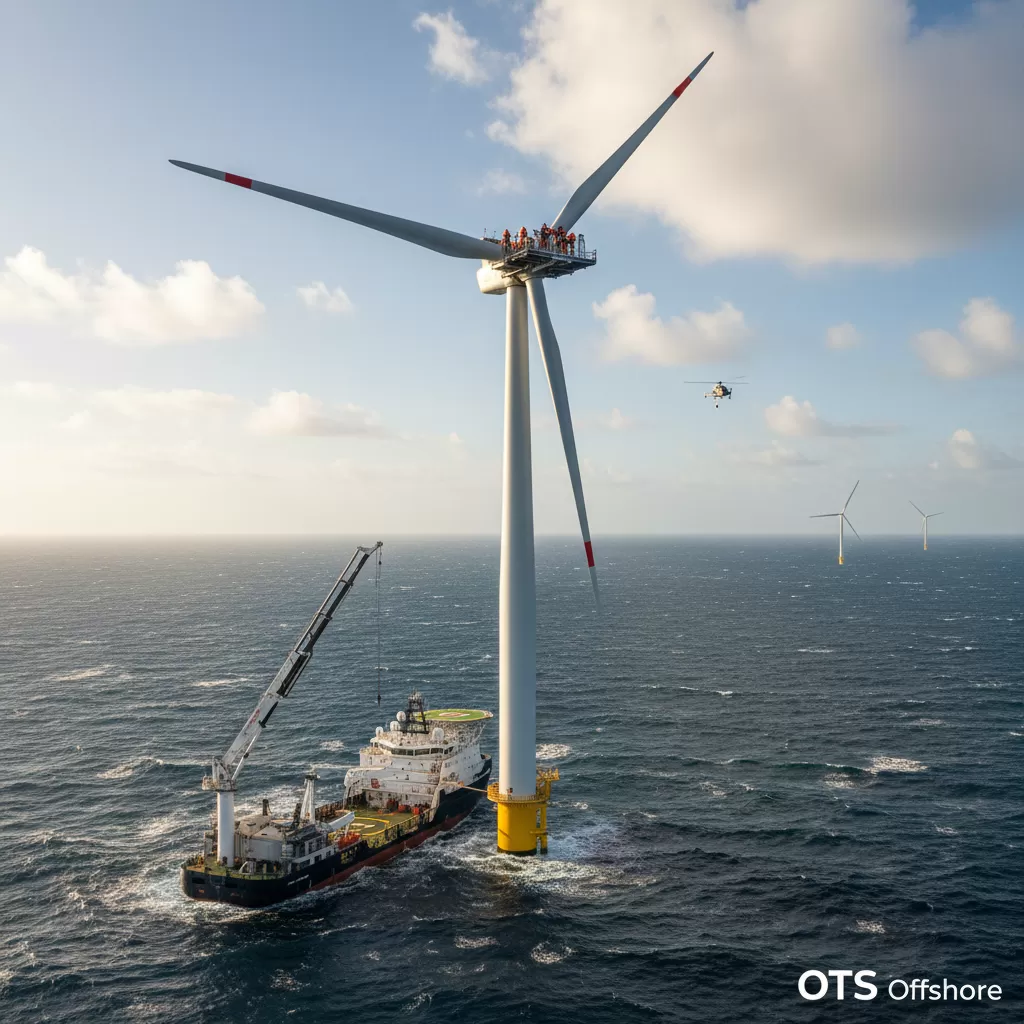
– Vessel and Crew Mobilization: Securing specialized vessels (e.g., Crew Transfer Vessels (CTVs) and Service Operation Vessels (SOVs)) and trained offshore wind technicians is a complex logistical undertaking.
– Weather Windows: Maintenance operations are highly dependent on favorable weather conditions. Technicians must work within defined “weather windows” to ensure safety and operational efficiency, making scheduling a critical factor.
– Spare Parts Management: Maintaining an adequate inventory of critical spare parts, both onshore and potentially on offshore hubs, is essential to minimize downtime during corrective maintenance. The size and weight of components like gearboxes mean spare parts management is a significant consideration.
– Safety Protocols: Offshore environments present inherent safety risks. Rigorous safety protocols, including risk assessments, personal protective equipment (PPE), and emergency procedures, are integral to all maintenance activities.
– Access Solutions: Specialized access equipment, such as rope access systems, cherry pickers, and temporary platforms, are often required to reach specific components on the turbine.

Technological Advancements Enhancing Maintenance Efficiency
The evolution of technology is continuously reshaping the Maintenance Requirements for Large-Scale offshore wind turbines, making them more efficient, safer, and cost-effective.
– Drones and Robotics: Unmanned aerial vehicles (UAVs) and remotely operated vehicles (ROVs) are increasingly used for blade inspections, structural surveys, and subsea foundation inspections, reducing the need for manned flights or dives.
– Artificial Intelligence (AI) and Machine Learning (ML): AI and ML algorithms are enhancing predictive maintenance by analyzing vast datasets from CMS and SCADA systems to identify subtle patterns indicative of impending failures with greater accuracy.
– Digital Twins: Creating digital replicas of turbines allows for simulation, performance analysis, and optimized maintenance planning in a virtual environment before applying it to the physical asset.
– Augmented Reality (AR): AR can provide technicians with real-time data overlays, schematics, and step-by-step instructions directly in their field of view, improving the accuracy and efficiency of maintenance tasks.
Implementing these technologies not only improves the direct maintenance processes but also contributes to a more sophisticated and proactive approach to managing the Maintenance Requirements for Large-Scale offshore wind farm assets.
The Economic Imperative of Optimized Maintenance
The financial implications of effective maintenance are profound for large-scale offshore wind projects. Unplanned downtime translates directly into lost revenue and increased operational expenditure.
– Maximizing Uptime: The primary goal of robust maintenance is to maximize the time the turbine is generating power. Every hour of downtime represents a loss of potential revenue.
– Reducing O&M Costs: While maintenance itself is an expense, a well-executed preventative and predictive strategy can significantly reduce overall Operation and Maintenance (O&M) costs by avoiding expensive emergency repairs and premature component failures.
– Extending Turbine Lifespan: Proper maintenance ensures that turbines operate within their design parameters, contributing to a longer operational lifespan and a better return on investment.
– Ensuring Grid Stability: Reliable turbine performance contributes to the stability of the electricity grid, which is a crucial factor for utility operators.
The Maintenance Requirements for Large-Scale offshore wind turbines are therefore not just technical but are deeply intertwined with the economic viability and long-term success of the offshore wind industry.
Training and Competency: The Human Element
At the core of all advanced maintenance strategies lies the skill and expertise of the personnel performing the work.
– Specialized Training: Technicians working on V164 class turbines require extensive training specific to the manufacturer’s equipment, safety procedures, and the unique challenges of the offshore environment.
– Continuous Professional Development: The rapid advancements in turbine technology necessitate ongoing training and upskilling to keep technicians abreast of new diagnostics tools, repair techniques, and safety protocols.
– Competency Assurance: Robust systems for assessing and assuring technician competency are vital to ensure that only qualified individuals undertake critical maintenance tasks.
The human element remains indispensable, even with the increasing integration of advanced technologies into the Maintenance Requirements for Large-Scale offshore operations.