

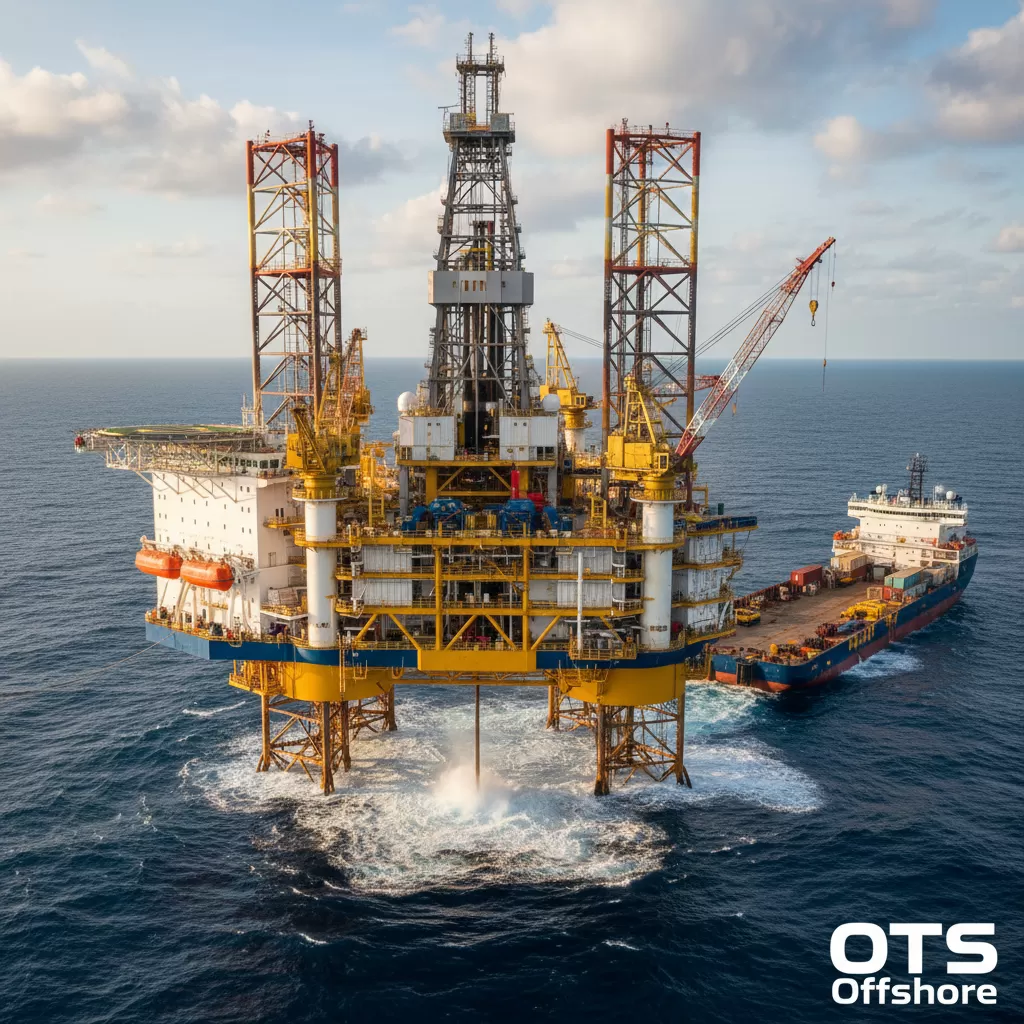
This article explores the intricate world of offshore drilling equipment fabrication and the essential support services that underpin successful deepwater exploration and production. We delve into the specialized manufacturing processes, advanced technologies, and critical logistical considerations involved in building and maintaining the complex machinery required to extract hydrocarbons from beneath the seabed.
The Crucial Role of Offshore Drilling Equipment Fabrication & Support
The global energy landscape is in a constant state of evolution, with a growing demand for efficient and sustainable resource extraction. Offshore drilling equipment stands at the forefront of this endeavor, enabling access to vast hydrocarbon reserves previously out of reach. The fabrication of this highly specialized machinery is a testament to engineering prowess, involving intricate designs, robust materials, and stringent quality control. Beyond the initial construction, the ongoing support for offshore drilling equipment is equally paramount, encompassing maintenance, repair, and logistical coordination to ensure uninterrupted operations in some of the planet’s most challenging environments. Understanding the lifecycle of offshore drilling equipment, from its genesis in fabrication yards to its continuous operational support, is vital for stakeholders across the oil and gas industry. This includes national oil companies (NOCs), international oil companies (IOCs), independent exploration firms, and the myriad of service providers who contribute to the offshore energy value chain. The technological sophistication and scale of offshore drilling equipment necessitate a deep understanding of material science, advanced manufacturing techniques, and a comprehensive approach to lifecycle management. The fabrication process itself is a complex undertaking, often involving multiple specialized workshops and a global supply chain.
Key Components of Offshore Drilling Equipment Fabrication
The manufacturing of offshore drilling equipment is a highly specialized sector, demanding precision engineering and the use of advanced materials. This process involves several distinct stages, each critical to the overall integrity and performance of the final product. The journey from raw materials to operational machinery is a complex one, involving significant capital investment and a highly skilled workforce. Fabrication yards are often massive industrial complexes, equipped with heavy-duty cranes, specialized welding facilities, and advanced testing equipment. The scale of these operations reflects the sheer size and complexity of the equipment being produced. The meticulous attention to detail at every stage is what ensures the safety and reliability of these critical assets operating in extreme offshore conditions.
Design and Engineering Excellence
The initial phase involves detailed design and engineering, where naval architects, structural engineers, and petroleum engineers collaborate to conceptualize and model the equipment. This stage focuses on structural integrity, hydrostatic pressure resistance, operational efficiency, and adherence to stringent international safety standards. The design process leverages advanced simulation software to predict performance under various stress conditions, including extreme weather and seismic activity. This iterative process ensures that every component is optimized for its intended function and environment. Factors such as water depth, seabed conditions, and the type of hydrocarbons being targeted all influence the design parameters.
Material Selection and Sourcing
The selection of appropriate materials is paramount. High-strength steels, corrosion-resistant alloys, and specialized polymers are chosen to withstand the harsh marine environment, including saltwater, extreme temperatures, and high pressures. Sourcing these materials often involves a global network of suppliers, each vetted for quality and reliability. The integrity of the materials directly impacts the lifespan and safety of the offshore drilling equipment. For instance, materials used in risers and subsea components must exhibit exceptional resistance to fatigue and corrosion.
Advanced Manufacturing Processes
Fabrication involves sophisticated manufacturing techniques. This includes precision machining, heavy lifting, advanced welding procedures (such as submerged arc welding and robotic welding), and rigorous inspection and testing protocols. Dimensional accuracy and weld integrity are critical. The scale of components, such as drill floor structures or subsea templates, requires specialized heavy machinery and meticulous assembly. Non-destructive testing (NDT) methods, including ultrasonic testing, radiography, and magnetic particle inspection, are employed extensively to ensure weld quality and material soundness.
Quality Assurance and Control
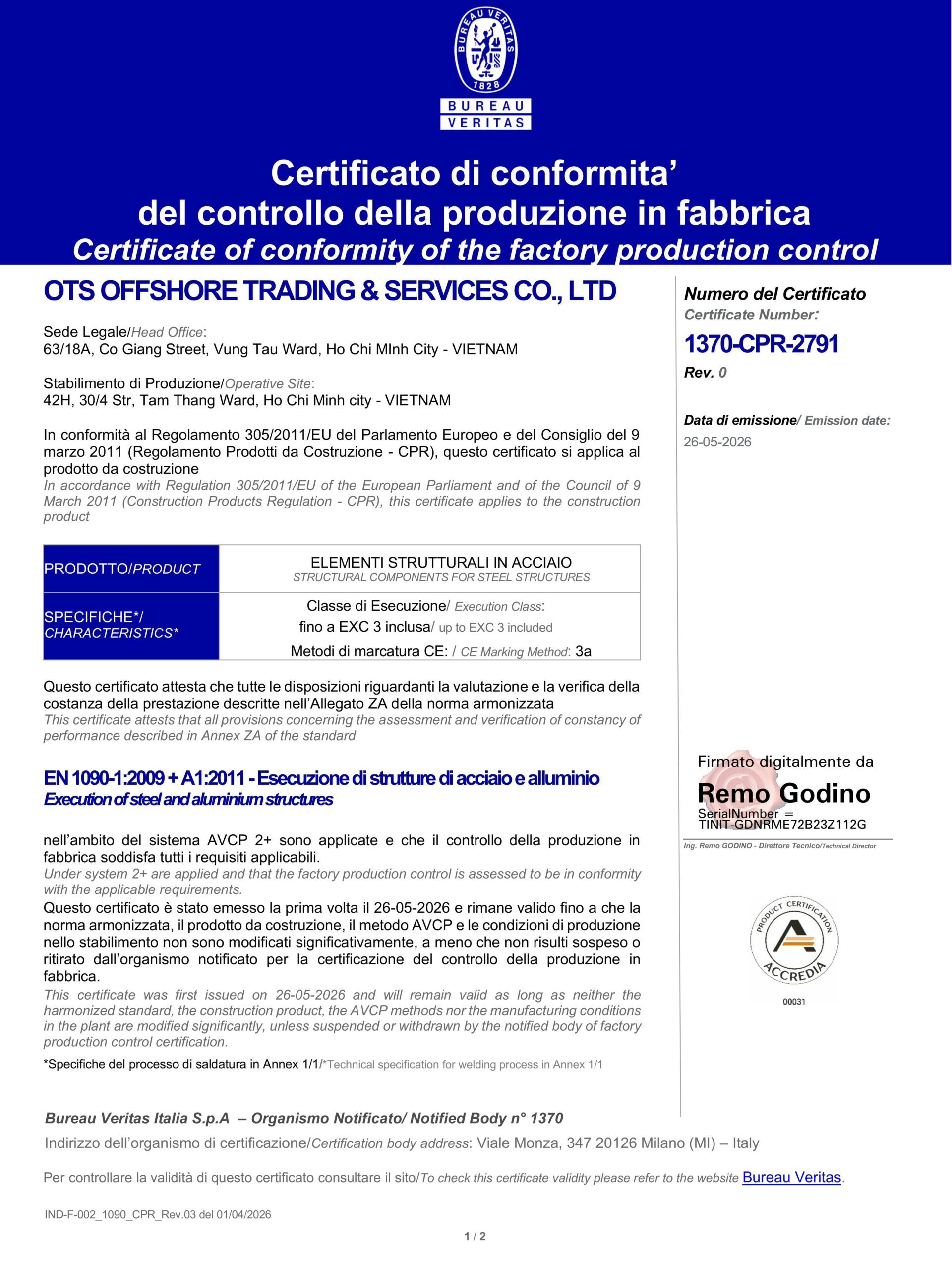
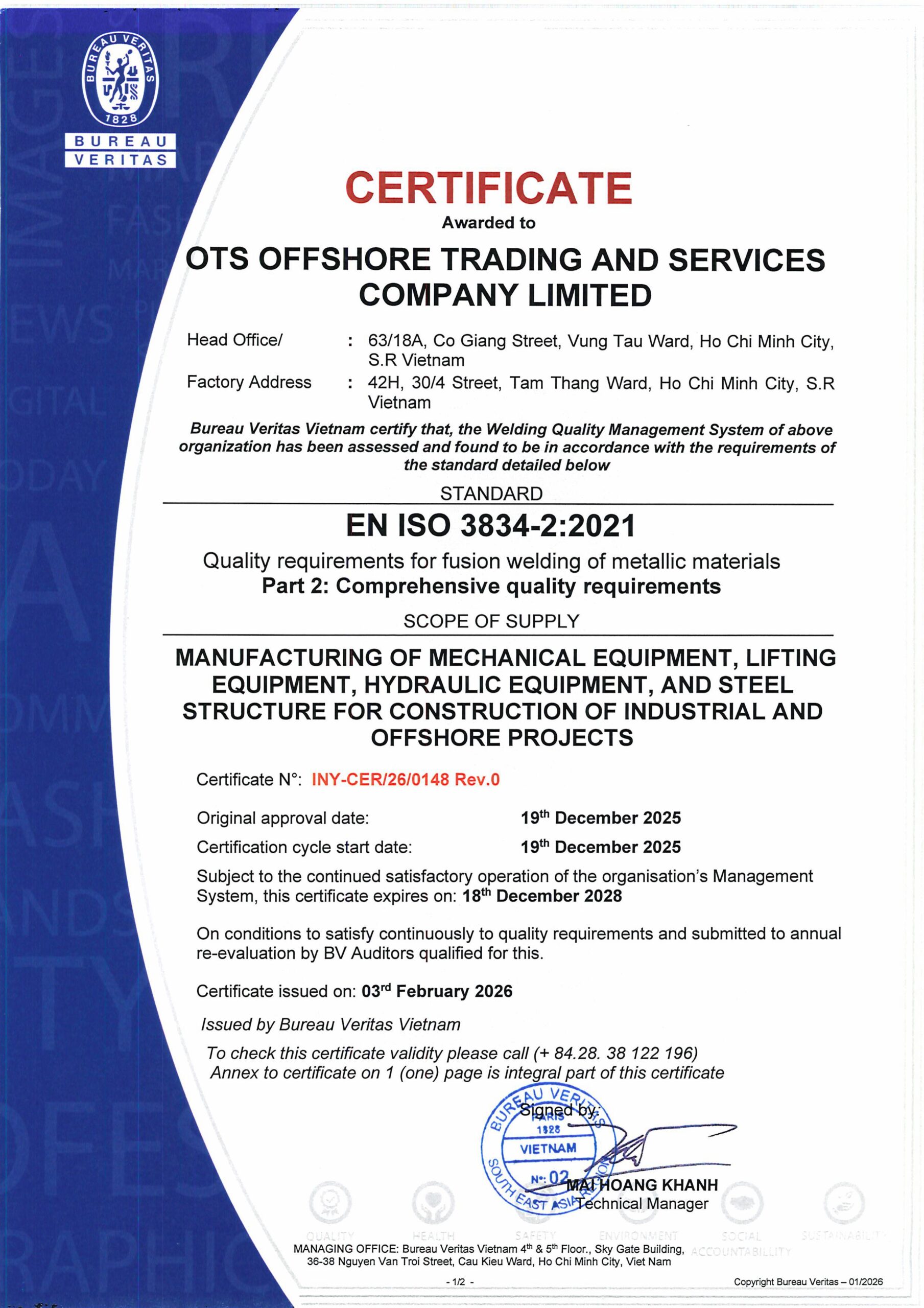
Throughout the fabrication process, a robust quality assurance and control (QA/QC) system is implemented. This involves multiple inspection points, traceability of materials, and comprehensive documentation. Adherence to industry standards such as API (American Petroleum Institute) and ISO (International Organization for Standardization) is non-negotiable. Third-party verification and client witness testing are often integral parts of the QA/QC process, providing an additional layer of assurance.

Essential Support Services for Offshore Drilling Operations
The fabrication of offshore drilling equipment is only the beginning of its lifecycle. The ongoing support services are critical for ensuring operational continuity, safety, and efficiency in the demanding offshore environment. These services range from routine maintenance to complex repairs and logistical challenges. The effectiveness of these support mechanisms directly influences the economic viability and safety of offshore projects. Without robust support, even the most sophisticated offshore drilling equipment would quickly become inoperable, leading to costly downtime and potential environmental hazards.
Installation and Commissioning
Once fabricated, the equipment needs to be transported to the offshore location and installed. This involves specialized marine vessels, heavy-lift cranes, and highly skilled offshore personnel. Commissioning is the process of testing and verifying that all systems function correctly before drilling operations commence. This phase is intricate and requires precise coordination between fabrication teams, installation crews, and the operating company.
Maintenance, Repair, and Overhaul (MRO)
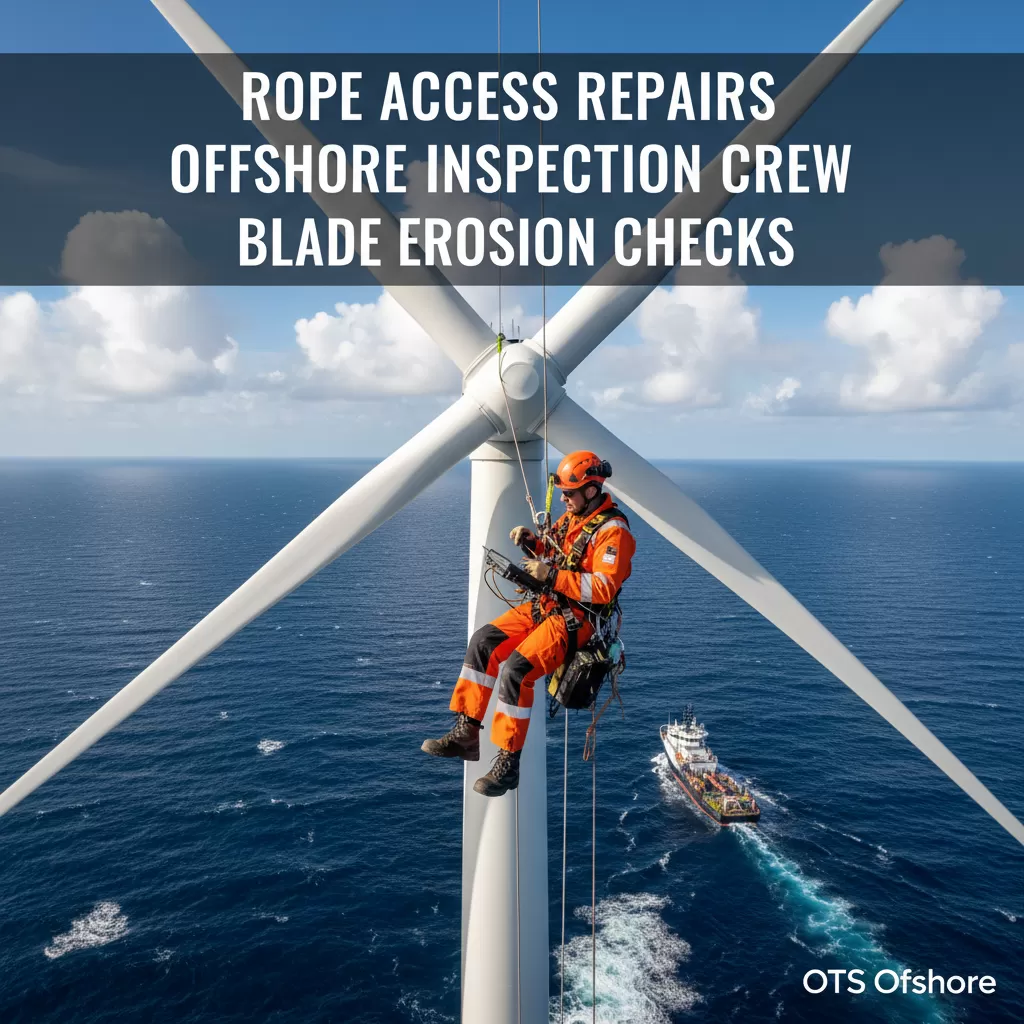
Regular maintenance, scheduled overhauls, and prompt repair of any components are vital. This can range from routine lubrication and inspection to the replacement of worn parts or complex component overhauls. Specialized MRO teams are often deployed offshore or in dedicated onshore facilities. Predictive maintenance techniques, utilizing sensor data and advanced analytics, are increasingly employed to anticipate potential failures and minimize unplanned downtime. The harsh marine environment accelerates wear and tear, making proactive MRO strategies essential for maximizing equipment lifespan.
Logistics and Supply Chain Management
The offshore environment presents unique logistical challenges. Ensuring a timely and efficient supply of spare parts, consumables, and skilled personnel to remote offshore locations is a critical function. This involves managing complex shipping routes, specialized transportation, and inventory control. Robust supply chain management minimizes delays and ensures that operations can continue without interruption. The ability to swiftly deliver critical components or specialized technicians to a rig or platform can be the difference between a minor issue and a major operational shutdown.
Technical Support and Engineering Services
On-site technical experts and onshore engineering support are crucial for troubleshooting complex issues, optimizing operational parameters, and implementing modifications or upgrades. This often involves remote diagnostic capabilities and rapid deployment of specialized engineering personnel. The ability to access expert advice and solutions quickly is paramount in high-pressure offshore drilling scenarios. This support extends to analyzing operational data to identify areas for improvement and to ensure compliance with evolving regulatory requirements.
Safety and Environmental Compliance
Support services also encompass ensuring that all operations and equipment adhere to stringent safety and environmental regulations. This includes regular safety audits, risk assessments, and the implementation of best practices to prevent accidents and minimize environmental impact. The offshore industry operates under intense scrutiny, and a commitment to safety and environmental stewardship is non-negotiable. This involves not only the equipment itself but also the processes and personnel involved in its operation and maintenance.
Innovation and Future Trends in Offshore Drilling Equipment Fabrication & Support
The offshore drilling sector is continuously innovating to enhance efficiency, reduce costs, and minimize environmental impact. Fabrication and support services are at the forefront of these advancements. The drive for deeper waters, harsher environments, and increased production necessitates ongoing technological development. The industry is responding with a commitment to pushing the boundaries of what is possible in subsea and topside operations.
Digitalization and Automation
The integration of digital technologies, including the Internet of Things (IoT), artificial intelligence (AI), and advanced analytics, is transforming offshore operations. Remote monitoring, predictive maintenance, and automated control systems are becoming increasingly prevalent, enhancing efficiency and safety. Digital twins, virtual replicas of physical assets, are used for simulation, training, and performance optimization. This digital transformation streamlines operations and provides unprecedented insights into equipment health and performance.
Advanced Materials and Manufacturing Techniques
Research and development into new materials with enhanced strength, corrosion resistance, and durability are ongoing. Additive manufacturing (3D printing) is also emerging as a key technology for fabricating complex components and spare parts on demand, potentially reducing lead times and inventory costs. The ability to fabricate custom parts in remote locations using 3D printing offers significant logistical advantages.
Sustainability and Environmental Responsibility
There is a growing emphasis on developing offshore drilling equipment and support services that minimize environmental impact. This includes technologies aimed at reducing emissions, improving energy efficiency, and developing solutions for decommissioning and well decommissioning. The industry is increasingly focused on responsible resource development, with a strong emphasis on environmental stewardship. Innovations in subsea processing and reduced flaring are key areas of development.
Modularization and Standardization
The trend towards modular design and standardization in fabrication aims to improve efficiency, reduce assembly time offshore, and facilitate easier maintenance and upgrades. This approach allows for greater flexibility and scalability in offshore projects. Standardized components also simplify the supply chain and reduce the need for highly specialized, bespoke manufacturing for every project.
Subsea Technology Advancements
The increasing focus on subsea processing and the development of more sophisticated subsea production systems are driving innovation in offshore drilling equipment fabrication and support. This includes advancements in subsea wellheads, trees, manifolds, and control systems, enabling more complex and efficient hydrocarbon extraction from greater depths. The capability to perform more operations remotely and with reduced human intervention offshore is a key driver in this area.
The relentless pursuit of energy resources has cemented the importance of offshore drilling equipment. The intricate process of fabricating these colossal and sophisticated machines, coupled with the indispensable support services that ensure their seamless operation, represents a pinnacle of modern engineering and logistical coordination. From the initial conceptualization in design studios to the complex assembly on the factory floor, and extending to the vital maintenance and supply chain management offshore, every facet demands precision, expertise, and an unwavering commitment to safety and efficiency. As the energy sector continues to evolve, driven by technological innovation and the imperative for sustainable practices, the fabrication and support of offshore drilling equipment will undoubtedly remain a dynamic and critical field, continually adapting to meet the challenges of accessing the world’s energy reserves.