

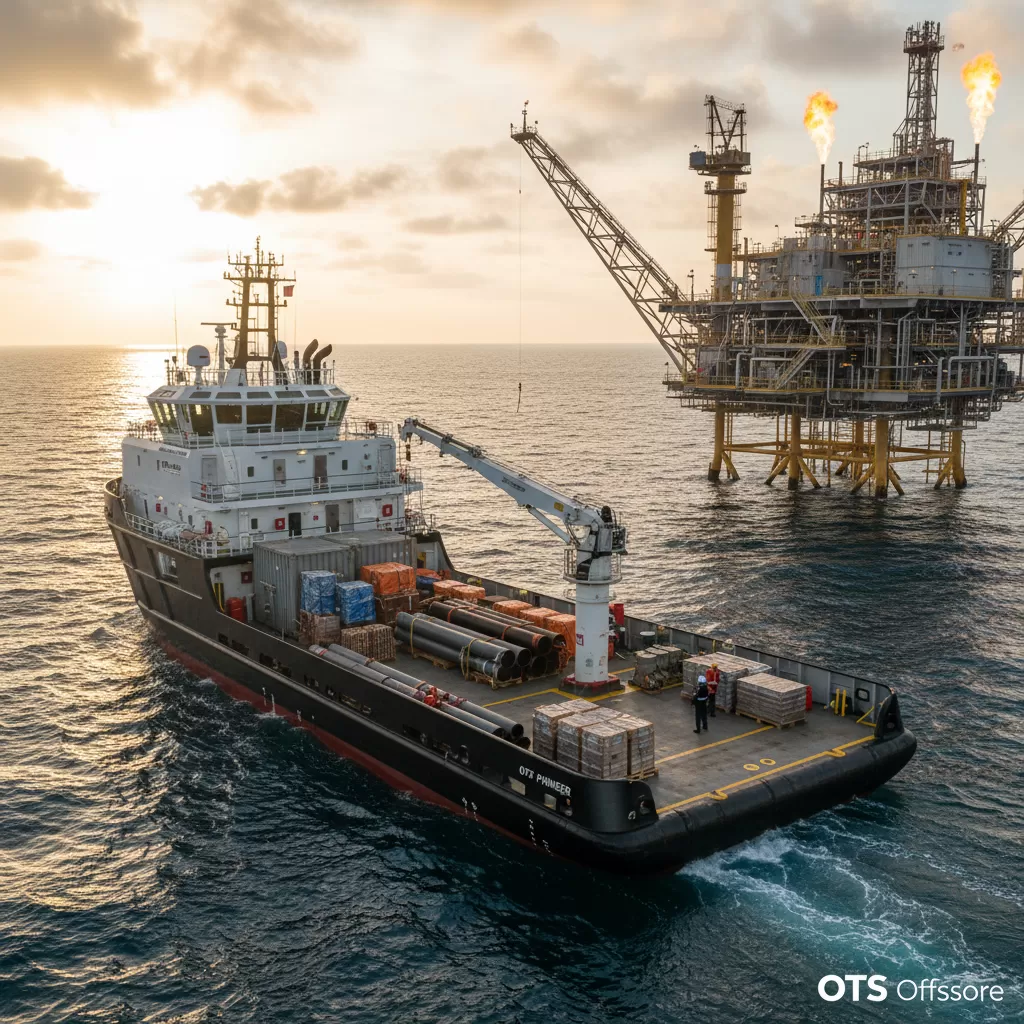
Platform Supply Vessels (PSVs) are the backbone of offshore energy operations, providing critical logistical support that ensures the continuous and safe functioning of remote installations. This article delves into the multifaceted role of PSVs, exploring their design, operational capabilities, and their indispensable contribution to the exploration, production, and maintenance of offshore oil and gas fields.
The Indispensable Role of Platform Supply Vessels in Offshore Operations
Platform Supply Vessels (PSVs) are specialized marine vessels designed to ferry essential supplies, equipment, and personnel to and from offshore oil and gas platforms, wind farms, and other subsea installations. Their presence is not merely a convenience but a fundamental necessity for maintaining the operational tempo and safety standards of the global offshore energy sector. Without the reliable and efficient service provided by these vital workhorses of the sea, the complex logistics involved in extracting hydrocarbon resources or harnessing renewable energy far from shore would be virtually impossible. The design and capabilities of Platform Supply Vessels have evolved significantly over the decades, mirroring the advancements in offshore technology and the increasing demands placed upon them by a dynamic industry. Understanding the intricacies of PSV operations, their specialized features, and their critical functions is paramount for anyone involved in the offshore energy value chain.
Key Design Features and Capabilities of Platform Supply Vessels
The modern Platform Supply Vessel is a marvel of naval architecture, engineered for robustness, versatility, and efficiency in some of the world’s harshest marine environments. Their design is fundamentally driven by the need to transport a wide array of cargo safely and effectively.
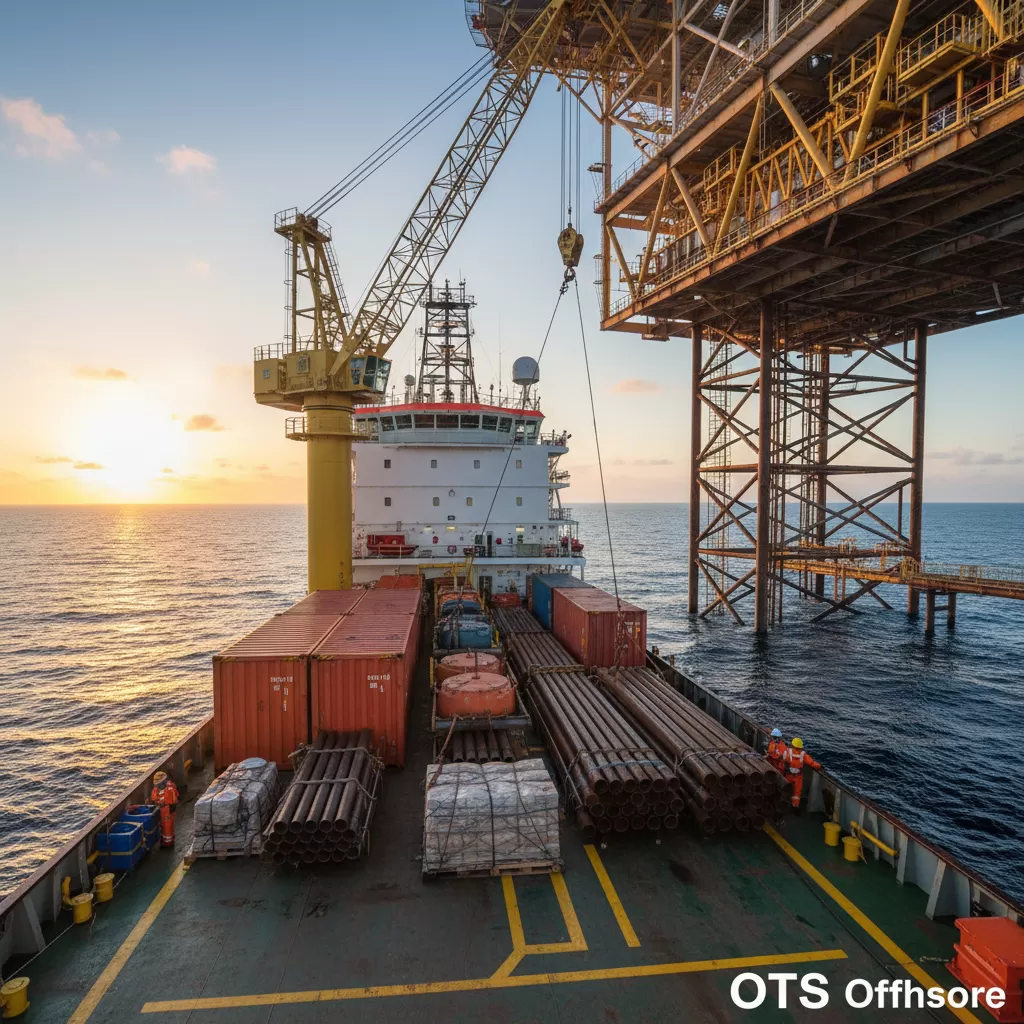
– Deck Space: A primary characteristic is their expansive, open aft deck. This space is engineered to carry significant deadweight tonnage (DWT) of deck cargo, which can include anything from drilling pipes, casing, and mud components to construction materials, specialized equipment, and even containers of food and fresh water for personnel. The deck is typically reinforced to withstand heavy loads and is often equipped with lashing points for secure cargo handling.
– Cargo Tanks: Beneath the main deck, a network of specialized tanks is integrated into the hull. These tanks are designed for the carriage of liquid and dry bulk cargoes essential for offshore operations. This includes:
– Drilling mud (oil-based or water-based)
– Potable water
– Ballast water
– Potable fuel oil
– Diesel fuel
– Brine
– Cement
– Baryte
– Other drilling additives
– Propulsion and Maneuverability: PSVs are equipped with powerful, yet fuel-efficient, propulsion systems, often featuring azimuth thrusters or steerable propulsors. This advanced maneuverability is crucial for precise station-keeping alongside platforms, navigating tight offshore supply bases, and responding swiftly to changing sea conditions. Dynamic Positioning (DP) systems are standard on most modern PSVs, allowing them to maintain a fixed position relative to a platform or subsea structure without the need for traditional anchoring, which is often impractical in deep water.
– Safety Features: Safety is paramount in offshore operations, and PSVs are outfitted with extensive safety equipment. This includes advanced firefighting systems, robust navigation and communication equipment, life-saving appliances, and systems designed to prevent spills and manage hazardous materials. The design also incorporates features for emergency response and personnel transfer, such as robust gangways and helidecks on larger vessels.
– Accommodation and Support Facilities: PSVs are designed to accommodate a crew, which can range from a dozen to over thirty individuals, depending on the vessel’s size and role. This includes comfortable living quarters, galleys, mess rooms, and recreational facilities, ensuring the well-being of the crew during extended periods at sea. Some vessels may also be equipped to support specialized diving or survey operations, with additional accommodation and workspaces.
– Environmental Considerations: Increasingly, PSVs are designed with an emphasis on environmental sustainability. This includes the use of more fuel-efficient engines, advanced hull designs to reduce drag, and systems for waste management and emissions control, reflecting the industry’s growing commitment to reducing its ecological footprint.
The Critical Functions of Platform Supply Vessels
The daily operations of an offshore installation are heavily reliant on the consistent and timely support provided by Platform Supply Vessels. Their functions are diverse and directly impact the efficiency, safety, and economic viability of offshore projects.
– Routine Supply Chain Management: This is the most fundamental role of a PSV. They act as a mobile warehouse and transport system, ensuring that platforms have a continuous supply of consumables, spare parts, and raw materials. This includes everything from lubricating oils and hydraulic fluids to food, water, and personal protective equipment for the crew. Without this constant replenishment, operations would quickly grind to a halt.
– Drilling Support: During the exploration and development phases of oil and gas projects, PSVs play a critical role in supporting drilling operations. They transport drilling mud components (like bentonite, barite, and specialized chemicals), cement slurries, water, and fuel required for drilling rigs. They also carry drilling tools, casing, and other essential equipment needed to drill wells. The efficient delivery of these materials is crucial for maintaining drilling fluid properties and ensuring the integrity of the wellbore.
– Construction and Maintenance Support: For offshore construction projects or ongoing maintenance activities, PSVs deliver vital materials such as structural steel, concrete components, pipes, cables, and specialized tools. They also transport personnel, including engineers, technicians, and construction crews, to and from the offshore site. Their ability to navigate and position accurately allows for safe transfer of personnel and equipment, even in challenging weather conditions.
– Waste Management: Offshore operations generate various types of waste, including industrial waste, sewage, and refuse. PSVs are utilized to transport this waste safely and responsibly from the offshore installation back to shore for proper disposal or treatment, ensuring compliance with environmental regulations.
– Emergency Response and Safety Support: In the event of an emergency, PSVs can be invaluable assets. They can act as platforms for emergency response teams, provide additional crew or equipment, or serve as a safe haven for personnel evacuated from a compromised installation. Their robust construction and maneuverability make them capable of operating in challenging conditions when other vessels might be restricted.
– Personnel Transfer: While dedicated crew transfer vessels (CTVs) are often used for routine personnel movements, PSVs can also facilitate crew changes, particularly for larger numbers of personnel or when combined with helicopter transfers to the PSV’s helideck.
– Cargo Types Handled: The versatility of PSVs is evident in the sheer variety of cargo they handle. This ranges from standard dry goods and general cargo to specialized project equipment, bulk liquids, and dry bulk powders. The careful planning and execution of cargo loading and unloading are critical to ensure safety and efficiency.
The Evolving Landscape of Platform Supply Vessel Operations
The offshore energy industry is in constant flux, driven by technological innovation, market dynamics, and an increasing focus on sustainability. Platform Supply Vessels are not immune to these changes and are continuously evolving to meet new demands.
– Increased Vessel Size and Capacity: As offshore installations become larger and more complex, and as operations extend into deeper waters and more remote locations, there is a growing demand for larger PSVs with greater cargo capacity and extended range. This allows for fewer, but more efficient, supply runs, reducing transit times and overall logistical costs.
– Enhanced Environmental Performance: With stricter environmental regulations and a global push towards cleaner energy, there is a significant drive to improve the environmental performance of PSVs. This includes the development and adoption of more fuel-efficient engines, the use of alternative fuels (such as LNG or hybrid-electric systems), and the implementation of advanced hull coatings and designs to reduce fuel consumption and emissions. The industry is actively seeking solutions to minimize the carbon footprint associated with offshore logistics.
– Advanced Technology Integration: Modern PSVs are increasingly equipped with state-of-the-art technology. This includes advanced navigation and communication systems, sophisticated Dynamic Positioning (DP) systems for enhanced maneuverability and precise station-keeping, and integrated cargo management software. The use of real-time data and analytics is becoming more prevalent to optimize routing, fuel consumption, and cargo scheduling.
– Specialization for Offshore Wind: The rapid growth of the offshore wind sector has created a new demand for specialized supply vessels. While many PSVs can be adapted for wind farm support, there is an emergence of vessels specifically designed for the unique requirements of wind turbine installation and maintenance. These may include enhanced lifting capabilities, larger deck spaces for turbine components, and specialized crew accommodation for extended offshore stays.
– Automation and Remote Operations: While full automation of PSVs is still in its nascent stages, there is a growing trend towards greater automation in certain operational aspects, such as cargo handling and navigation. This aims to improve safety, efficiency, and reduce the workload on the crew. Remote monitoring and control capabilities are also being explored to enhance operational oversight and troubleshooting.
– Safety Enhancements: Continuous improvements in safety are a constant theme. This includes the development of more robust cargo securing systems, enhanced crew transfer mechanisms, and improved emergency preparedness protocols. The focus remains on minimizing risks for both personnel and the environment.
The future of Platform Supply Vessels will undoubtedly be shaped by the ongoing transformation of the energy sector, with a continued emphasis on efficiency, sustainability, and technological advancement. These indispensable vessels will remain at the forefront of offshore operations, adapting to new challenges and facilitating the critical work that powers our world.