

This article delves into the critical aspects of Drilling Fluid (Mud) management and the essential maintenance of associated systems on offshore drilling rigs, emphasizing their role in operational efficiency and safety.
Mastering Drilling Fluid (Mud) Management and Offshore Rig Systems Maintenance
Drilling Fluid (Mud) is the lifeblood of any drilling operation, particularly in the demanding environment of offshore rigs. Effective drilling fluid management encompasses a complex interplay of formulation, circulation, monitoring, and disposal, all while ensuring the integrity and optimal performance of the mud systems. The inherent challenges of offshore operations, including remote locations, harsh weather conditions, and stringent environmental regulations, amplify the importance of robust drilling fluid strategies and meticulous systems maintenance. This comprehensive approach directly impacts drilling rate, wellbore stability, formation integrity, and overall operational safety, making it a cornerstone of successful hydrocarbon exploration and production. Understanding the nuances of drilling fluid properties and the preventative measures required for associated equipment is paramount for minimizing non-productive time (NPT) and maximizing economic viability.
The Indispensable Role of Drilling Fluid (Mud) in Offshore Operations
Understanding the Multifaceted Functions of Drilling Fluid (Mud)
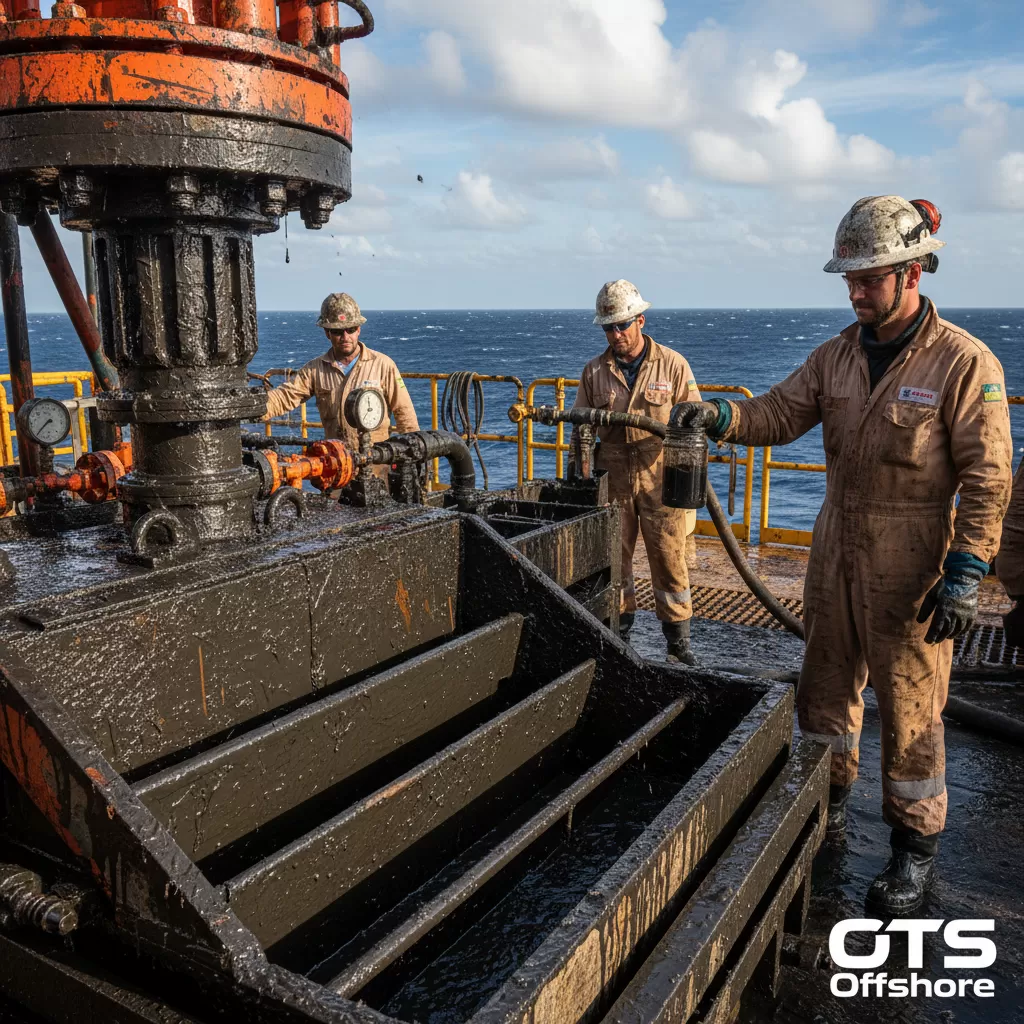
Drilling fluid, commonly referred to as drilling mud, is far more than just a lubricant for the drill bit. Its functions are diverse and critical to the success of any drilling campaign. On offshore rigs, where operational complexities are magnified, the role of drilling fluid becomes even more pronounced. It acts as a hydraulic medium, circulating through the drill string and annulus to cool and lubricate the drill bit and drill string, thereby reducing friction and wear. Furthermore, the hydrostatic pressure exerted by the drilling fluid column is crucial for controlling formation pressures, preventing blowouts – a potentially catastrophic event in offshore environments. It also serves to lift drilled cuttings from the wellbore to the surface, where they can be processed and disposed of. The rheological properties of the drilling fluid, its viscosity and flow behavior, are meticulously engineered to achieve efficient cuttings transport, especially in deviated or horizontal wells common in offshore exploration. Beyond these primary functions, drilling mud plays a vital role in maintaining wellbore stability by forming a filter cake on the permeable formations, preventing fluid loss into the formation and thus preserving its structural integrity. It also transmits hydraulic horsepower to downhole tools and aids in the transmission of data in measurement-while-drilling (MWD) operations. The correct formulation and maintenance of drilling fluid are therefore not merely operational considerations but fundamental safety and economic imperatives.
Key Properties and Their Impact on Drilling Performance
The effectiveness of drilling fluid hinges on a precise balance of several key properties. Viscosity, measured by parameters like plastic viscosity (PV) and yield point (YP), dictates the mud’s ability to suspend cuttings when circulation is stopped and to transport them efficiently during drilling. Gel strength is another critical factor, influencing the suspension of cuttings and preventing settling. Density, or mud weight, is paramount for controlling subsurface pressures; insufficient density can lead to kicks and blowouts, while excessive density can fracture formations and cause lost circulation. Fluid loss, the tendency of the drilling fluid to leak into porous formations, is controlled through the addition of specialized additives that build a thin, impermeable filter cake. Filtration control ensures that the wellbore remains stable and prevents contamination of the reservoir. pH and alkalinity are important for controlling corrosion and the performance of other additives. Thinner solids content, particularly non-productive clays, is desirable to maintain low viscosity and prevent excessive mud dilution. The selection and maintenance of these properties are dynamic, often requiring adjustments based on geological formations encountered and drilling conditions encountered. For instance, drilling through reactive shale formations necessitates the use of specialized water-based or oil-based muds with tailored shale inhibition properties to prevent wellbore instability. The precise control of these parameters, facilitated by rigorous testing and laboratory analysis, is a hallmark of expert drilling fluid management.
Comprehensive Drilling Fluid (Mud) Systems on Offshore Rigs
Components of an Offshore Drilling Fluid System
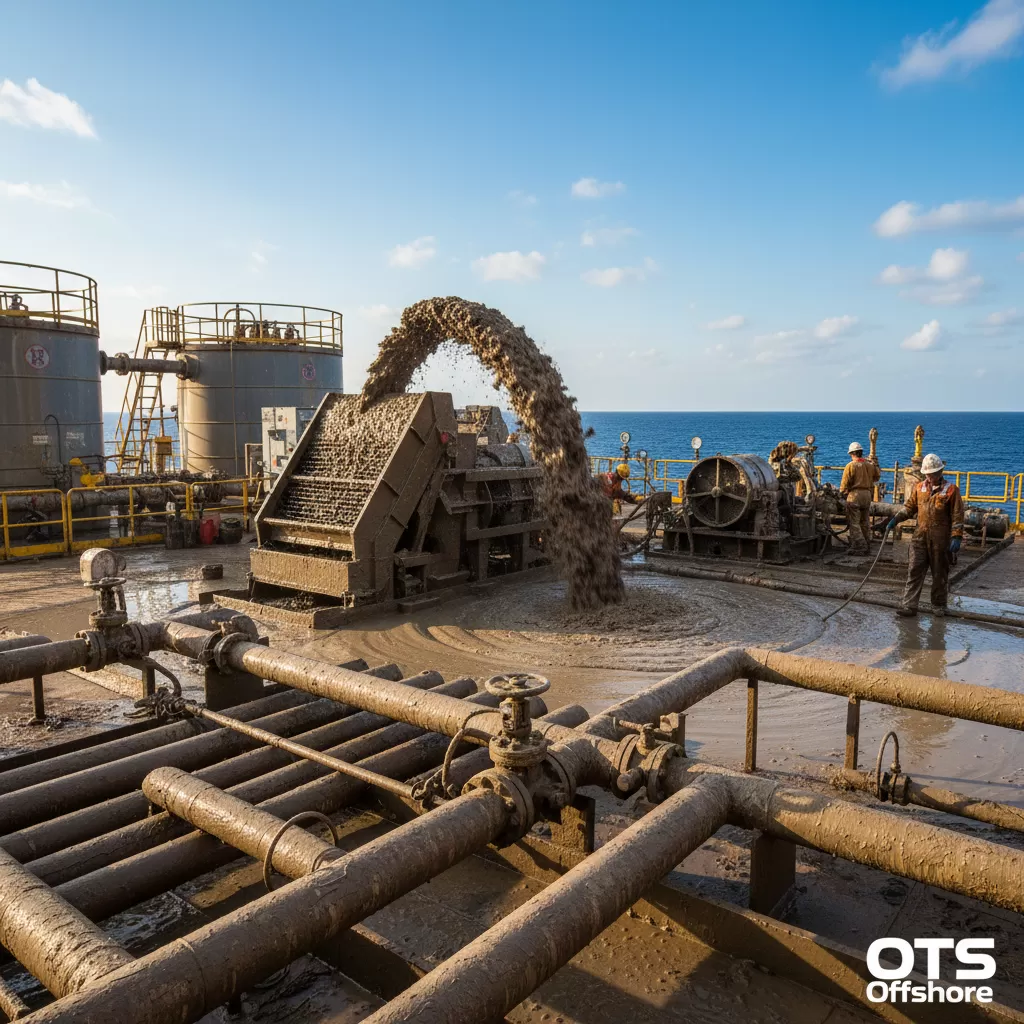
An offshore drilling fluid system is a complex arrangement of interconnected components designed for efficient mud mixing, circulation, and solids control. At its core are the mud pits or tanks, where the drilling fluid is stored and conditioned. These tanks are typically segmented to allow for various stages of mud treatment, including mixing new mud, settling solids, and maintaining a reserve. The mud pumps are the heart of the circulation system, providing the necessary flow rate and pressure to move the drilling fluid from the tanks, down the drill string, and back up the annulus. Shale shakers are critical for removing drilled cuttings from the returning mud, preventing excessive solids buildup that can negatively impact fluid properties. Desanders and desilters, hydrocyclones that utilize centrifugal force, further refine solids removal by separating smaller sand-sized and silt-sized particles, respectively. Centrifuges, the most advanced solids control equipment, employ higher centrifugal forces to remove even finer drilled solids, thereby reducing the need for dilution and expensive additives. Degassers are used to remove entrained gases from the mud, which can reduce its density and pose a safety hazard. Mixing hoppers, often equipped with eductors, are used for adding dry materials like barite or bentonite to the mud system quickly and efficiently. Gagging systems, including flow meters and pressure sensors, monitor the flow and pressure of the drilling fluid, providing vital data for operational control and safety. The integration and proper functioning of all these components are essential for effective drilling fluid management.
The Crucial Role of Solids Control Equipment
Solids control equipment is indispensable for maintaining the quality and performance of drilling fluid on offshore rigs. The continuous removal of drilled solids, particularly fine particles and clays, is crucial for several reasons. Firstly, excessive solids increase mud viscosity, requiring more horsepower from the mud pumps and leading to higher operational costs due to increased energy consumption and the need for dilution. Dilution, while reducing solids, also depletes expensive additives and requires the management of larger volumes of spent mud. Secondly, fine solids can clog the pore throats of the formation, leading to formation damage and reduced hydrocarbon recovery. Thirdly, drilled solids can reduce the effectiveness of other drilling fluid additives, impacting rheology, filtration control, and inhibition. Shale shakers, the first line of defense, effectively remove larger cuttings, but finer particles necessitate the use of downstream equipment. Desanders and desilters, while effective for certain particle sizes, have limitations. Centrifuges represent the pinnacle of solids control technology, capable of removing very fine particles that significantly degrade drilling fluid properties. By maintaining a low concentration of undesirable solids, drilling fluid performance is optimized, leading to improved drilling rates, reduced fluid costs, enhanced wellbore stability, and minimized environmental impact through more efficient mud disposal. Investing in and properly operating advanced solids control equipment is a key differentiator in efficient offshore drilling operations.
Essential Maintenance for Offshore Drilling Fluid Systems
Preventative Maintenance Strategies for Mud Pumps and Circulation Equipment
The reliability of mud pumps and associated circulation equipment is non-negotiable for continuous drilling operations on offshore rigs. A robust preventative maintenance (PM) program is essential to mitigate the risk of equipment failure, which can lead to costly downtime and safety incidents. Regular inspections of pump liners, pistons, and fluid ends for wear and tear are critical. Seals and gaskets should be inspected and replaced as needed to prevent leaks, which can lead to fluid loss and reduced system efficiency. The lubrication of pump components, including power ends, should adhere to manufacturer recommendations to ensure smooth operation and longevity. For circulation lines, hoses, and manifold systems, routine checks for leaks, corrosion, and structural integrity are paramount. Pressure testing of the system after any maintenance activity is a critical step to ensure its integrity. Similarly, all valves within the mud system should be regularly inspected, lubricated, and tested for proper operation to prevent blockages or unintended flow paths. Vibration monitoring of pumps can provide early indications of bearing issues or imbalance, allowing for proactive repairs before catastrophic failure. Adherence to scheduled maintenance intervals, documented through a digital maintenance management system, ensures that all critical components are inspected and serviced systematically, maximizing uptime and operational safety.
Routine Checks and Calibration of Solids Control Equipment
The effectiveness of solids control equipment directly impacts drilling fluid quality and overall drilling efficiency. Routine checks and calibration are therefore vital. For shale shakers, regular inspection of the screen panels for tears, wear, or clogging is essential. The tension of the screen panels should be checked and adjusted to ensure optimal performance. The angle of the shaker deck may also require adjustment based on the cuttings load and fluid viscosity. For desanders and desilters, regular inspection of the hydrocyclone liners for wear is necessary. Flow rates and pressures should be monitored to ensure they are within optimal operating parameters. Centrifuges require more specialized attention. Bearings should be lubricated and monitored for unusual noise or vibration. The internal components, such as the bowl and scroll, should be inspected for wear and buildup of solids. Regular calibration of the solids discharge rate and conveyor speed is important to optimize solids removal efficiency. The overall balance of the centrifuge is critical for smooth operation and longevity, and imbalance can lead to excessive wear and potential failure. Implementing a systematic inspection and testing schedule for all solids control equipment, supported by detailed logs and performance metrics, ensures that these vital systems operate at peak efficiency, contributing directly to a more cost-effective and safer drilling operation.
Monitoring and Maintaining Fluid Properties: A Continuous Endeavor
The continuous monitoring and meticulous maintenance of drilling fluid properties are ongoing tasks that demand constant vigilance. On offshore rigs, the laboratory personnel, often referred to as mud engineers, play a pivotal role. Daily testing of key properties, including density, viscosity (PV, YP, Gels), filtration (fluid loss and filter cake thickness), pH, alkalinity, and sand content, is standard practice. Beyond routine testing, specific tests may be required based on the geological formations being drilled, such as shale inhibition tests or chloride content analysis in water-based muds. The data generated from these tests informs the precise adjustments needed to maintain the drilling fluid within its desired specifications. Additives are introduced in carefully calculated amounts to achieve these adjustments. For example, barite is added to increase density, bentonite to enhance viscosity and gel strength, and various polymers are used for filtration control and shale inhibition. The accurate measurement of additive volumes and their thorough mixing into the mud system are critical. Furthermore, the management of waste drilling fluid and cuttings is a significant aspect of offshore operations, governed by strict environmental regulations. Proper disposal protocols, often involving offshore waste management services, are essential to minimize the environmental footprint. The seamless integration of laboratory analysis, additive management, and waste disposal forms the backbone of successful drilling fluid management.
Ensuring Equipment Integrity: Beyond Routine Checks
While routine checks are the foundation of equipment maintenance, ensuring overall equipment integrity on an offshore rig demands a more comprehensive approach. This includes regular condition monitoring techniques such as thermography to detect abnormal heat signatures in electrical components or rotating equipment, which can indicate impending failure. Vibration analysis, as mentioned earlier, is crucial for rotating machinery like mud pumps and centrifuges, providing early warnings of bearing wear, imbalance, or misalignment. Oil analysis of gearboxes and hydraulic systems can reveal the presence of wear particles, contaminants, or fluid degradation, offering insights into the internal health of the equipment. Non-destructive testing (NDT) methods, such as ultrasonic testing or magnetic particle inspection, may be employed to assess the structural integrity of critical components, especially in areas prone to corrosion or fatigue. Regular equipment flushing and cleaning are also vital to prevent the accumulation of drilling fluid solids or contaminants that can lead to wear and reduced performance. Furthermore, a robust spare parts inventory, strategically managed to ensure the availability of critical components, is indispensable. The implementation of a digital asset management system that tracks maintenance history, performance data, and spare parts can significantly enhance the efficiency and effectiveness of maintaining the integrity of the entire drilling fluid system. A proactive approach to equipment integrity ensures minimal downtime and maximizes the longevity of expensive offshore drilling assets.
Tham khảo thêm: Thông tin chi tiết về Drilling Fluid (Mud) trên Wikipedia.
The Impact of Offshore Environment on Drilling Fluid and Systems
The offshore environment presents a unique set of challenges that significantly impact drilling fluid performance and the integrity of associated systems. The corrosive nature of saltwater can accelerate corrosion of metal components in the mud system, requiring the use of specialized corrosion inhibitors and coatings. Variable weather conditions, including strong winds and waves, can affect the stability of offshore platforms, leading to increased vibration and potential stress on circulation lines and equipment. Remote locations mean that logistical support for spare parts and specialized personnel can be challenging, underscoring the importance of comprehensive preventative maintenance and accurate inventory management. Temperature fluctuations, both ambient and within the drilling fluid itself, can influence fluid properties like viscosity and chemical reaction rates, necessitating careful monitoring and adjustment. Furthermore, the inherent risks associated with working at heights and on a moving platform demand a heightened focus on safety procedures during all maintenance activities, including robust lockout/tagout protocols and the use of appropriate personal protective equipment (PPE). The containment of drilling fluid and associated waste is also a critical environmental concern offshore, with stringent regulations governing discharge and disposal. This necessitates sophisticated systems for managing and treating drilling waste to minimize its environmental impact. Understanding and actively mitigating the effects of the offshore environment are crucial for sustained operational success.