

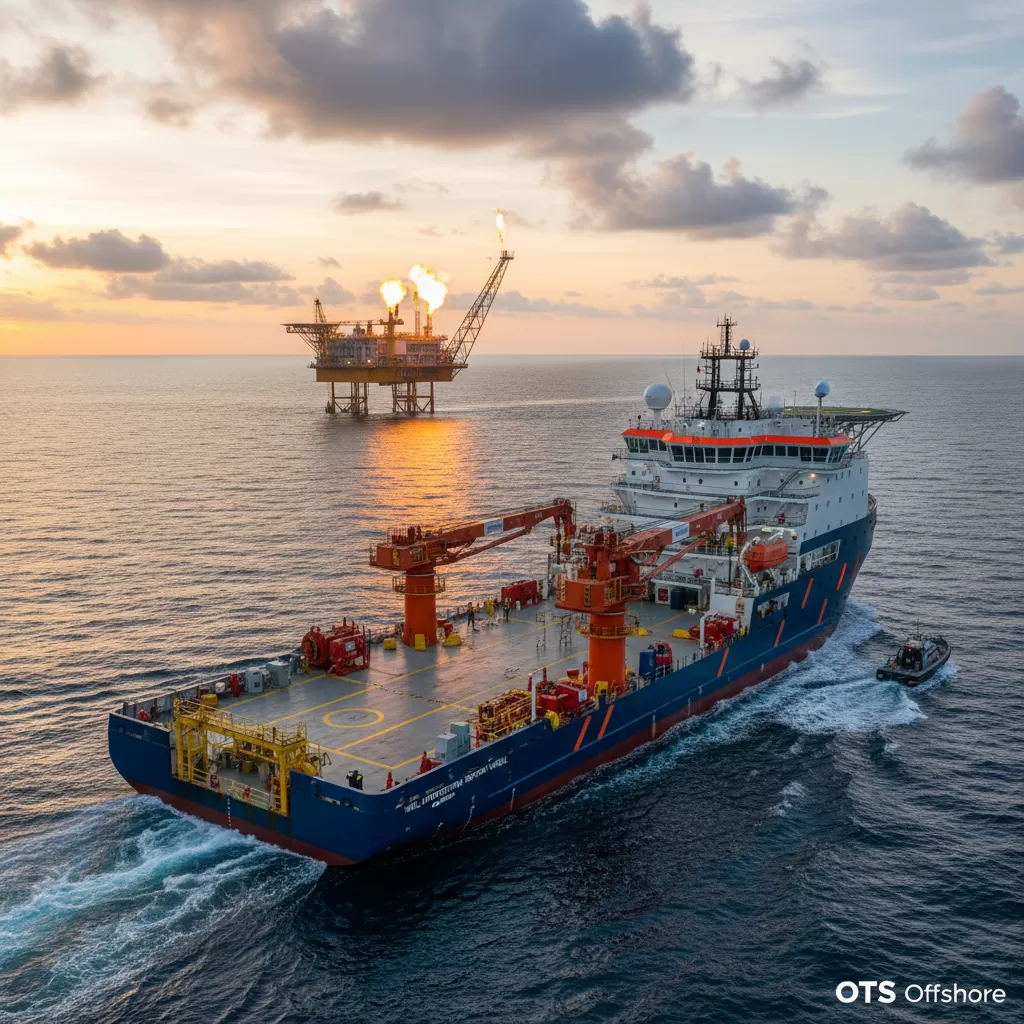
Specialized vessels are crucial for efficient and safe well intervention services and production support in the challenging offshore oil and gas industry. This article delves into the diverse range of these specialized maritime assets, their critical functions, and the technological advancements driving their evolution, ensuring optimized field operations and reservoir management.
The Pivotal Role of Specialized Vessels in Well Intervention and Production Support
Specialized vessels are the backbone of modern offshore oil and gas operations, particularly for intricate well intervention services and continuous production support. The successful execution of complex tasks such as well stimulation, workovers, plugging and abandonment, and routine production enhancement hinges directly on the capabilities and suitability of these highly engineered maritime platforms. The exploration and production (E&P) sector’s reliance on these specialized vessels underscores their indispensable nature in maintaining operational integrity, maximizing hydrocarbon recovery, and ensuring environmental stewardship. The increasing complexity of offshore reservoirs, coupled with the drive for enhanced oil recovery (EOR) and the decommissioning of aging infrastructure, further amplifies the demand for advanced vessel solutions. Understanding the nuances of these vessels, their technological integration, and their strategic deployment is paramount for stakeholders in the energy industry. The very nature of offshore exploration and production necessitates highly specialized equipment and methodologies, and within this domain, specialized vessels play a uniquely critical role. These vessels are not merely transport or utility platforms; they are mobile, self-contained operational hubs, equipped with sophisticated machinery, advanced control systems, and skilled crews capable of performing highly technical tasks in some of the world’s most demanding marine environments.
The development and deployment of specialized vessels for well intervention services and production support have evolved significantly over decades. Early offshore operations relied on more rudimentary platforms, often adapted from existing maritime vessels. However, as reservoirs became deeper, more remote, and technically challenging, the need for purpose-built vessels became apparent. These modern specialized vessels are designed with specific operational envelopes in mind, featuring advanced dynamic positioning (DP) systems to maintain precise station-keeping, robust deck layouts to accommodate heavy lifting equipment, and specialized facilities to support the unique requirements of intervention and production tasks. Their design incorporates considerations for harsh weather resilience, crew welfare, and stringent safety and environmental regulations. The financial implications of inefficient or delayed well intervention can be substantial, impacting production volumes and operational costs. Consequently, the selection and utilization of the right specialized vessel for a given task are strategic decisions with significant economic consequences.
The ongoing drive towards decarbonization and sustainability within the energy sector is also influencing the design and operation of specialized vessels. Innovations in hybrid propulsion systems, energy-efficient machinery, and reduced emissions technologies are increasingly being integrated. Furthermore, the growing emphasis on subsea processing and infrastructure maintenance highlights the need for vessels capable of supporting these advanced technologies. This constant evolution ensures that specialized vessels remain at the forefront of offshore operational capabilities, adapting to the changing landscape of the oil and gas industry. The integration of digital technologies, such as remote monitoring, data analytics, and artificial intelligence, is further enhancing the efficiency and safety of operations conducted from these vessels. Real-time data acquisition and analysis allow for predictive maintenance, optimized operational parameters, and improved decision-making, ultimately leading to enhanced asset performance and reduced downtime.
The Diverse Spectrum of Specialized Vessels for Well Intervention Services
The operational demands of well intervention necessitate a variety of specialized vessels, each tailored to specific task requirements. These include a range of vessels designed for drilling, completion, maintenance, and decommissioning activities. The precise nature of the intervention—whether it’s a simple plug set or a complex sidetrack operation—dictates the type of vessel required. Factors such as water depth, prevailing environmental conditions, the size and complexity of the subsea infrastructure, and the required lifting capacity all play a crucial role in vessel selection. The ability of a specialized vessel to carry its own drilling equipment, or to facilitate the mobilization and demobilization of third-party equipment, is a key consideration. The offshore E&P industry is characterized by its dynamic and often unpredictable nature, where operational requirements can change rapidly. Therefore, vessels that offer flexibility and adaptability are highly valued.
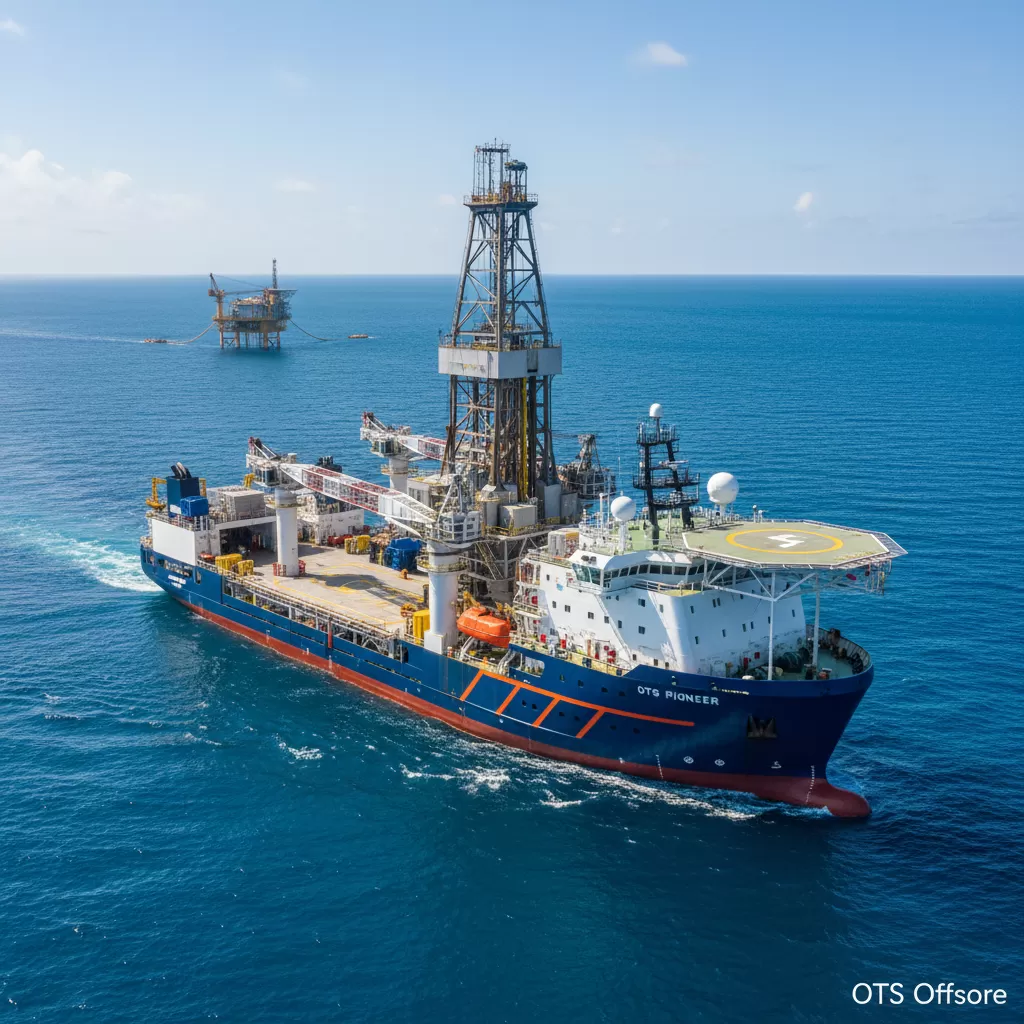
– Drilling Support Vessels (DSVs): While not exclusively for intervention, DSVs are often adapted or equipped to undertake certain intervention tasks, especially those requiring drilling capabilities. They provide a stable platform for drilling operations, including directional drilling and wellbore cleanouts. Their enhanced maneuverability and station-keeping capabilities are critical for precise operations in challenging offshore environments. The evolution of DSVs has seen them incorporate advanced riser systems, blow-out preventer (BOP) handling equipment, and sophisticated subsea intervention tooling.
– Workover Rigs (Mobile Offshore Drilling Units – MODUs with workover capabilities): These are often purpose-built or significantly modified drilling rigs that are specifically designed for well intervention and workover operations. They possess the heavy lifting capabilities, fluid handling systems, and drill string management systems necessary for complex workovers, completions, and recompletions. The ability to perform multi-well campaigns from a single platform is a significant advantage offered by these highly capable units.
– Intervention Vessels (e.g., Construction Support Vessels, Light Well Intervention Vessels): These vessels are specifically designed for a wide array of intervention tasks. Light Well Intervention Vessels (LWIVs) are typically smaller, faster vessels designed for quick deployment and operations in moderate sea states, focusing on tasks like wireline operations, e-line, slickline, and P&A operations. Larger Construction Support Vessels (CSVs) or Offshore Support Vessels (OSVs) can be equipped with cranes, winches, and deck space to support more complex subsea construction and intervention activities, including the deployment of remotely operated vehicles (ROVs) and the handling of large subsea equipment.
– Plugging and Abandonment (P&A) Vessels: With the increasing number of aging offshore fields reaching the end of their productive life, specialized vessels equipped for efficient and environmentally sound P&A operations are in high demand. These vessels are outfitted with specific equipment for wellbore integrity testing, cement placement, and the secure isolation of reservoirs. Their operational efficiency is crucial for managing the significant cost and environmental responsibility associated with decommissioning. The meticulous planning and execution of P&A operations are paramount to prevent any future leakage or environmental impact.
– Coil Tubing Units (CTUs) on Vessels: Coil tubing technology, deployed from specialized vessels, offers significant advantages for intervention operations, particularly in wells with live pressures or damaged infrastructure. CTU vessels are equipped with robust reel systems and injector heads capable of running continuous pipe for various operations, including wellbore cleanouts, acidizing, fracturing, and cementing. The continuous nature of the pipe eliminates the need for connections, reducing operational time and risks.
Critical Functions of Specialized Vessels in Production Support
Beyond intervention, specialized vessels play a vital role in ensuring the continuous and optimized production of offshore fields. Their support extends from routine maintenance to complex subsea infrastructure upgrades. The efficiency and reliability of these support functions directly impact revenue generation and operational longevity. The dynamic nature of offshore production often requires rapid responses to unexpected events, making the availability of well-equipped support vessels crucial.
– Subsea Equipment Installation and Maintenance: Specialized vessels, particularly construction and diving support vessels, are equipped with heavy-lift cranes, ROVs, and diving systems to install, inspect, and maintain subsea production equipment such as trees, manifolds, pipelines, and umbilicals. Their DP capabilities ensure precise positioning for complex subsea operations. The ability to perform these tasks safely and efficiently is essential for maintaining the integrity and functionality of subsea infrastructure.
– FPSO and FPU Support: Floating Production Storage and Offloading (FPSO) units and Floating Production Platforms (FPUs) are critical components of many offshore production systems. Specialized vessels provide essential support, including personnel transfer, supply of provisions and equipment, and emergency response. They also play a role in carrying out external inspections and minor maintenance on these large floating facilities. The logistical demands of supporting FPSOs and FPUs are substantial, requiring a constant stream of supplies and personnel.
– Pipeline Inspection and Repair: Vessels equipped with advanced survey equipment and ROVs are essential for inspecting the integrity of subsea pipelines, identifying potential issues like corrosion or damage, and performing necessary repairs. This proactive approach is critical for preventing costly leaks and environmental incidents. The use of non-destructive testing (NDT) methods deployed from these vessels allows for early detection of anomalies.
– Wellhead and Manifold System Support: Routine operations like valve actuation, sensor replacement, and diagnostic testing of wellhead and manifold systems are often carried out by specialized vessels. This ensures the optimal performance and safety of the production flow. The intricate nature of these subsea systems requires highly skilled personnel and specialized tooling, typically deployed from support vessels.
– Chemical Injection and Stimulation Support: Vessels can be equipped to deliver chemicals for production enhancement, such as scale inhibitors or demulsifiers, directly to subsea wells. They also support stimulation operations like hydraulic fracturing or acidizing, which are crucial for boosting reservoir productivity. The precise metering and delivery of these chemicals are critical for both effectiveness and environmental safety.
Technological Advancements Shaping the Future of Specialized Vessels
The evolution of specialized vessels is intrinsically linked to technological innovation. The integration of cutting-edge technologies is enhancing their capabilities, safety, and efficiency. These advancements are driven by the need to operate in ever more challenging environments and to perform increasingly complex tasks. The focus on automation, digitalization, and sustainability is reshaping the design and operational paradigms of these critical maritime assets. The continuous improvement in sensor technology, communication systems, and robotics is enabling more sophisticated and autonomous operations.
– Enhanced Dynamic Positioning (DP) Systems: Modern vessels are equipped with advanced DP systems that provide superior station-keeping accuracy, even in harsh weather conditions. This is crucial for precise subsea operations, such as connecting and disconnecting risers or maneuvering heavy equipment. The reliability of these systems is paramount for operational safety and success. Redundant DP systems are often employed to ensure continuous operation in case of component failure.
– Remotely Operated Vehicles (ROVs) and Autonomous Underwater Vehicles (AUVs): The integration of sophisticated ROVs and AUVs onboard specialized vessels has revolutionized subsea inspection, maintenance, and intervention. These unmanned systems can operate in hazardous environments for extended periods, providing detailed visual data and performing complex manipulation tasks. The development of advanced manipulator arms and sensor payloads for ROVs and AUVs continues to expand their capabilities.
– Digitalization and Data Analytics: The implementation of digital technologies, including the Internet of Things (IoT), big data analytics, and artificial intelligence (AI), is transforming vessel operations. Real-time data monitoring, predictive maintenance, and performance optimization are becoming standard. This allows for more informed decision-making and proactive problem-solving, reducing downtime and enhancing efficiency. The development of digital twins for vessels and subsea assets is also an emerging trend.
– Advanced Materials and Construction Techniques: The use of high-strength, corrosion-resistant materials, coupled with innovative construction techniques, is leading to lighter, stronger, and more durable vessels. This allows for increased payload capacity and extended operational life, particularly in the harsh marine environment. The application of modular design principles also facilitates customization and faster deployment.
– Robotics and Automation: The increasing use of robotics and automation in deck operations, subsea deployment, and even within the well intervention process itself is enhancing safety and efficiency. Automated systems can perform repetitive or hazardous tasks with greater precision and consistency, reducing human exposure to risk. This includes automated pipe handling systems and robotic welding solutions.
The continuous development of these specialized vessels for well intervention services and production support is a testament to the oil and gas industry’s commitment to innovation and operational excellence. As the energy landscape evolves, these maritime workhorses will undoubtedly continue to adapt, leveraging new technologies to meet the ever-increasing demands of offshore exploration and production. The quest for greater efficiency, enhanced safety, and improved environmental performance will continue to drive the evolution of these critical offshore assets. The symbiotic relationship between technological advancement and operational necessity ensures that specialized vessels will remain at the vanguard of offshore energy development for the foreseeable future. The future of specialized vessels will likely see further integration of renewable energy sources, more sophisticated autonomous capabilities, and enhanced predictive analytics for optimized performance and reduced environmental impact.