

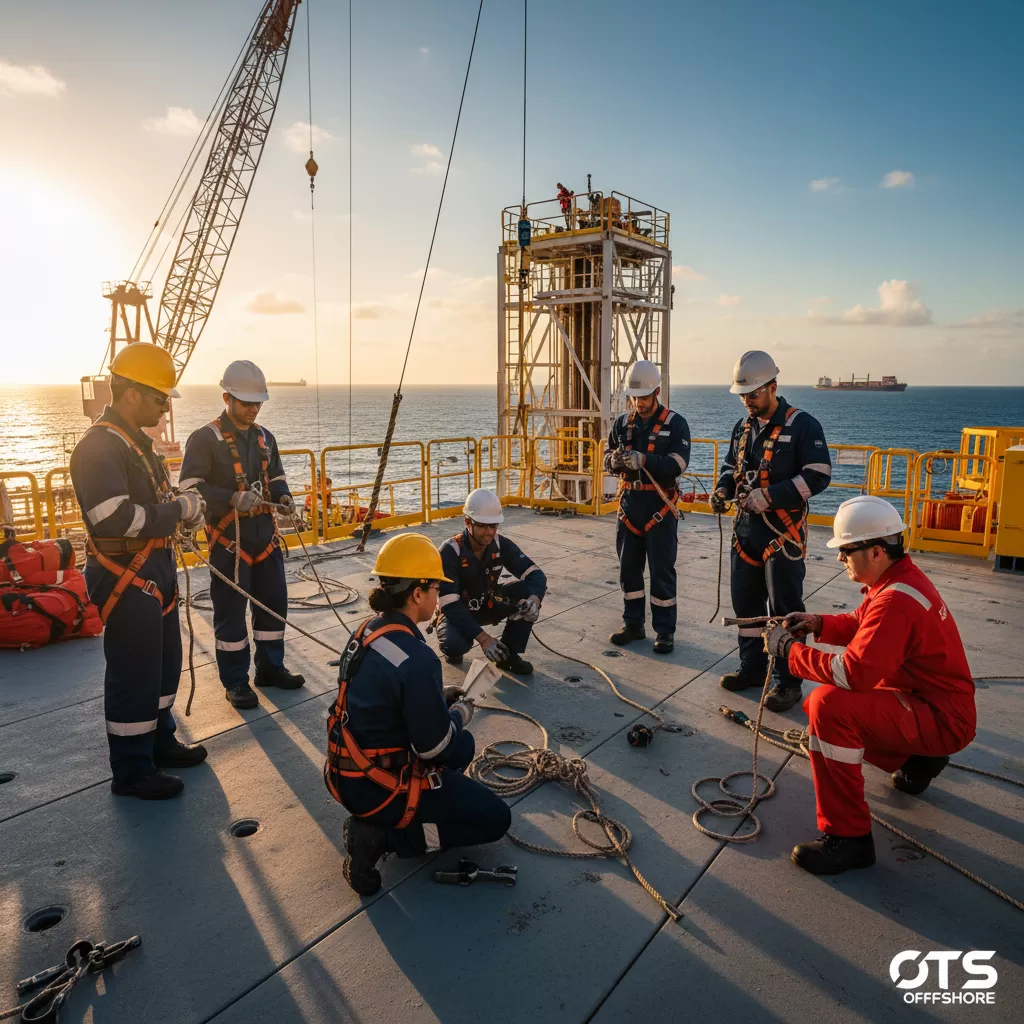
This article delves into the critical aspects of rig crew training and competency standards within the oil and gas industry, emphasizing the vital role of manpower supply and training services in ensuring operational safety, efficiency, and regulatory compliance.
Ensuring Operational Excellence: The Imperative of Rig Crew Training Competency
In the dynamic and high-stakes environment of offshore and onshore oil and gas operations, the competency of the rig crew is paramount. A robust framework for rig crew training and competency standards, often facilitated by specialized manpower supply and training services, forms the bedrock of safe, efficient, and compliant operations. This focus on Crew Training Competency ensures that personnel possess the requisite knowledge, skills, and experience to navigate complex drilling, production, and maintenance tasks. Without a consistently high level of Crew Training Competency, companies face elevated risks of accidents, environmental incidents, production downtime, and significant financial losses. The continuous evolution of technology, stringent regulatory landscapes, and the inherent hazards associated with hydrocarbon exploration and production necessitate a proactive and sophisticated approach to workforce development. Investing in comprehensive Crew Training Competency programs is not merely a regulatory obligation; it is a strategic imperative that directly impacts an organization’s bottom line and its social license to operate. The pursuit of enhanced Crew Training Competency is a perpetual journey, driven by the need to adapt to new methodologies, equipment, and safety protocols.
The Foundational Pillars of Rig Crew Training Competency
The establishment of effective rig crew training and competency standards is a multi-faceted endeavor that requires a systematic and integrated approach. It is not simply about imparting knowledge but about cultivating a culture of safety and continuous improvement. This involves a thorough understanding of the specific roles and responsibilities on a drilling or production rig, from the roustabout to the toolpusher.
– Understanding Industry Needs and Skill Gaps
The oil and gas sector is characterized by its complexity and the specialized nature of its operations. Identifying the specific skill sets required for various positions is the first step in developing effective training programs. This involves ongoing analysis of job descriptions, technological advancements, and operational challenges. For instance, the introduction of automated drilling systems or new hydraulic fracturing techniques necessitates the development of targeted training modules. Manpower supply companies play a crucial role here, acting as a bridge between industry demand and available talent, often identifying emerging skill gaps before they become critical.
– Developing Comprehensive Training Curricula
Once the skill requirements are identified, the next step is to design and implement comprehensive training curricula. These curricula must be tailored to the specific operational context and the experience level of the trainees. Effective programs incorporate a blend of theoretical knowledge, practical hands-on training, and simulation exercises. For example, a trainee might receive classroom instruction on blowout prevention (BOP) systems followed by practical sessions on simulator rigs to practice emergency response procedures. The design of these curricula must also adhere to international standards and best practices, ensuring a globally recognized level of competency.
– Implementing Rigorous Assessment and Certification Processes
A critical component of Crew Training Competency is the establishment of rigorous assessment and certification processes. This ensures that individuals have not only undergone training but have also demonstrably acquired the required proficiency. Assessments can take various forms, including written examinations, practical skill evaluations, and on-the-job performance reviews. Certification provides a formal recognition of an individual’s competency, assuring employers and regulatory bodies of their capabilities. Many organizations rely on accredited training providers to conduct these assessments and issue certifications that are widely accepted within the industry.
– Continuous Professional Development and Recertification
The oil and gas industry is not static. New technologies emerge, regulations are updated, and operational procedures evolve. Therefore, Crew Training Competency is not a one-time achievement but an ongoing process. Continuous professional development (CPD) programs are essential to keep personnel up-to-date with the latest industry advancements and safety practices. Regular recertification ensures that competency levels are maintained and that individuals remain fit for duty. This cyclical approach to training and assessment is vital for sustaining a highly competent workforce.
The Role of Manpower Supply and Training Services in Enhancing Crew Training Competency
Specialized manpower supply and training services are instrumental in bridging the gap between the need for highly competent rig crews and the availability of qualified personnel. These service providers offer a synergistic approach, combining recruitment expertise with comprehensive training capabilities.
– Identifying and Recruiting Skilled Personnel
Manpower supply companies possess extensive networks and deep industry knowledge, enabling them to identify and recruit individuals with the necessary foundational skills and experience. They often conduct initial screening and vetting processes, ensuring that candidates meet the basic qualifications before engaging them in further training. This pre-qualification significantly reduces the burden on operating companies.
– Delivering Specialized Training Programs
Many manpower providers offer their own accredited training facilities or partner with established training institutions. They develop and deliver specialized courses that are directly aligned with the demands of the oil and gas sector, covering a wide range of disciplines from drilling operations and well control to safety management and equipment maintenance. This ensures that the crews they supply are not only available but also demonstrably competent.
– Providing Onboarding and Induction Services
Beyond initial training, these services often include comprehensive onboarding and induction programs for newly recruited crews. This helps new team members familiarize themselves with the specific operating procedures, safety protocols, and company culture of the client organization. Effective onboarding is crucial for seamless integration into existing teams and for reinforcing Crew Training Competency from day one.
– Facilitating Upskilling and Cross-skilling Initiatives
As operational needs change, manpower supply and training services can facilitate upskilling and cross-skilling initiatives. This allows existing personnel to acquire new competencies, enabling them to take on more advanced roles or to be redeployed to different operational areas. This flexibility is invaluable for companies seeking to optimize their workforce and respond effectively to evolving project requirements.
– Ensuring Regulatory Compliance and Documentation
Adhering to a myriad of international and local regulations is a complex task. Manpower and training service providers are adept at navigating these regulatory landscapes. They ensure that all training and certifications are compliant with relevant standards, such as those set by the International Association of Drilling Contractors (IADC) or the International Maritime Organization (IMO) for offshore operations. They also maintain meticulous records, providing essential documentation for audits and inspections.
Key Areas of Focus in Rig Crew Training and Competency Development
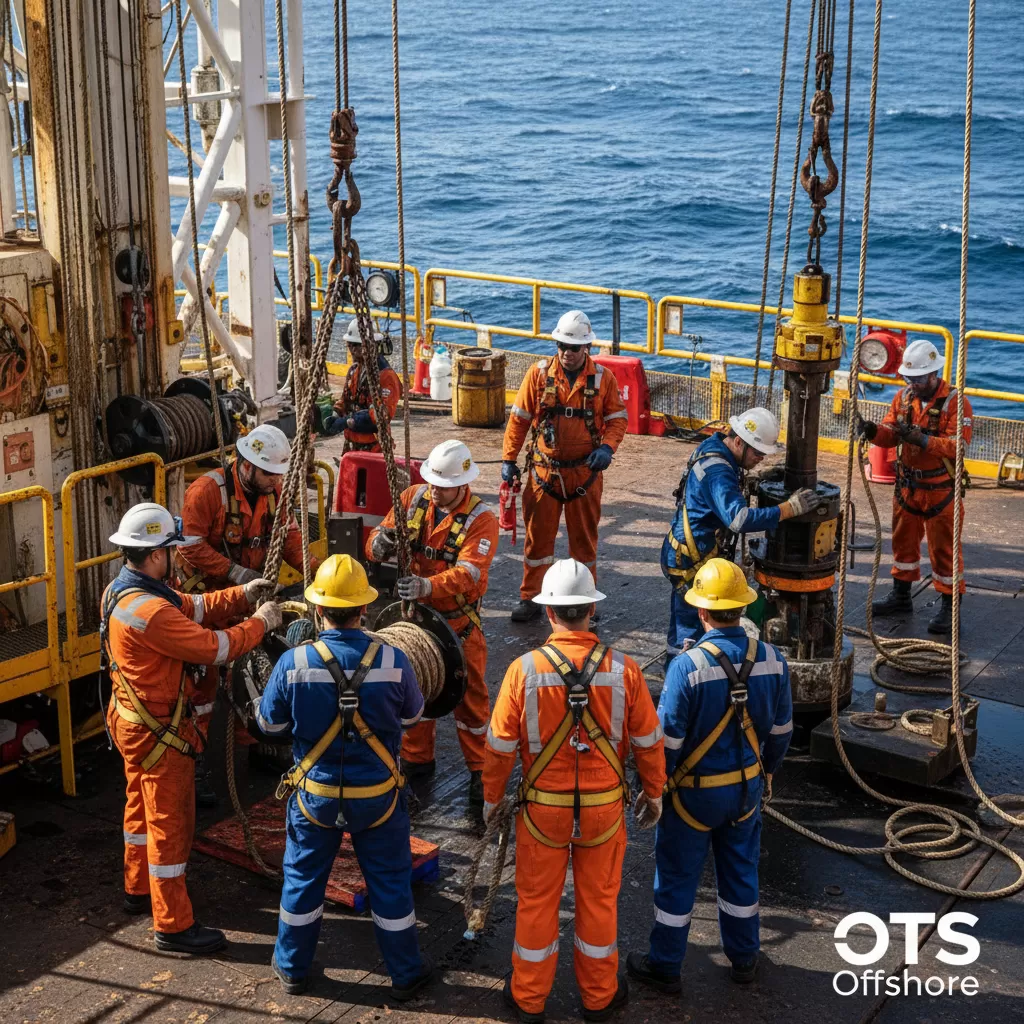
Achieving and maintaining a high standard of rig crew training and competency requires a targeted approach across several critical domains. These areas are fundamental to operational integrity and the well-being of the personnel.
– Safety and Environmental Protection
Safety is the cornerstone of all oil and gas operations. Training programs must heavily emphasize safety procedures, hazard identification, risk assessment, and emergency response. This includes extensive training on personal protective equipment (PPE), lockout/tagout procedures, working at heights, confined space entry, and fire prevention. Environmental protection training is equally vital, covering spill prevention, containment, and waste management protocols. Competency in these areas is non-negotiable and often subject to stringent regulatory oversight.
– Drilling and Well Operations
The core functions of a drilling rig require highly specialized knowledge and practical skills. Training must cover all aspects of drilling operations, including rig equipment operation, drilling fluid management, well control principles, casing and cementing operations, directional drilling, and formation evaluation. Competency in these areas ensures efficient and safe drilling progress, minimizing risks of blowouts, wellbore instability, and equipment failure.
– Equipment Operation and Maintenance
Modern drilling rigs are equipped with sophisticated machinery and technology. Rig crews must be proficient in operating and maintaining various equipment, including drawworks, top drives, mud pumps, shakers, centrifugos, and power generation systems. Training should include routine maintenance, troubleshooting, and the use of diagnostic tools. Competency in equipment handling reduces downtime and prevents costly repairs.
– Well Control and Blowout Prevention (BOP)
Well control is arguably the most critical competency for any drilling rig crew. Comprehensive training on well control principles, including kick detection, prevention, and the proper operation of BOP equipment, is essential. Regular drills and simulations are vital to ensure that crews can respond effectively to well control events. Certification in well control is a mandatory requirement in most jurisdictions.
– Emergency Response and Preparedness
Despite all preventive measures, emergencies can occur. Rig crews must be thoroughly trained in emergency response procedures, including evacuation, firefighting, first aid, and man overboard situations. This training often involves realistic simulations and drills to ensure rapid and effective action under pressure. The ability to respond calmly and efficiently during an emergency can significantly mitigate the consequences.
– Health and Well-being
The demanding nature of offshore and remote onshore operations places significant stress on the physical and mental well-being of rig crews. Training programs should address fatigue management, stress reduction techniques, and the importance of maintaining a healthy lifestyle. Ensuring the overall health and well-being of the workforce is integral to sustained Crew Training Competency and operational performance.
The Future of Rig Crew Training and Competency
The landscape of rig crew training and competency is continuously evolving, driven by technological advancements, changing regulatory requirements, and the industry’s commitment to safety and sustainability.
– Integration of Advanced Technologies in Training
The use of virtual reality (VR) and augmented reality (AR) in training is becoming increasingly prevalent. These technologies offer immersive and realistic simulations that allow crews to practice complex procedures and emergency responses in a safe, controlled environment. VR/AR training can significantly enhance learning retention and skill acquisition, leading to a higher level of Crew Training Competency.
– Data-Driven Competency Management
Leveraging data analytics and digital platforms for competency management is another significant trend. This involves tracking individual training records, performance metrics, and skill development progress. Data-driven approaches enable personalized training plans, early identification of performance issues, and more accurate forecasting of training needs. This proactive approach to Crew Training Competency ensures that the workforce is always aligned with operational demands.
– Emphasis on Soft Skills and Leadership Development
While technical skills remain crucial, there is a growing recognition of the importance of soft skills, such as communication, teamwork, problem-solving, and leadership. Effective training programs are increasingly incorporating modules focused on developing these interpersonal capabilities, which are vital for fostering a cohesive and high-performing rig crew. Strong leadership at all levels is a direct outcome of focused development.
– Global Harmonization of Standards
There is a continuous push towards global harmonization of training and competency standards within the oil and gas industry. This aims to ensure a consistent level of expertise across different regions and operating environments, facilitating international mobility of skilled personnel and enhancing overall operational safety. Adherence to widely recognized international standards is key to achieving this.
– The Role of Competency Assurance Frameworks
Developing and implementing comprehensive competency assurance frameworks is becoming standard practice. These frameworks go beyond simple training records, encompassing a holistic approach to evaluating and verifying an individual’s ability to perform their duties safely and effectively. This includes regular assessments, performance reviews, and continuous feedback mechanisms. A well-defined framework is essential for maintaining high Crew Training Competency.