

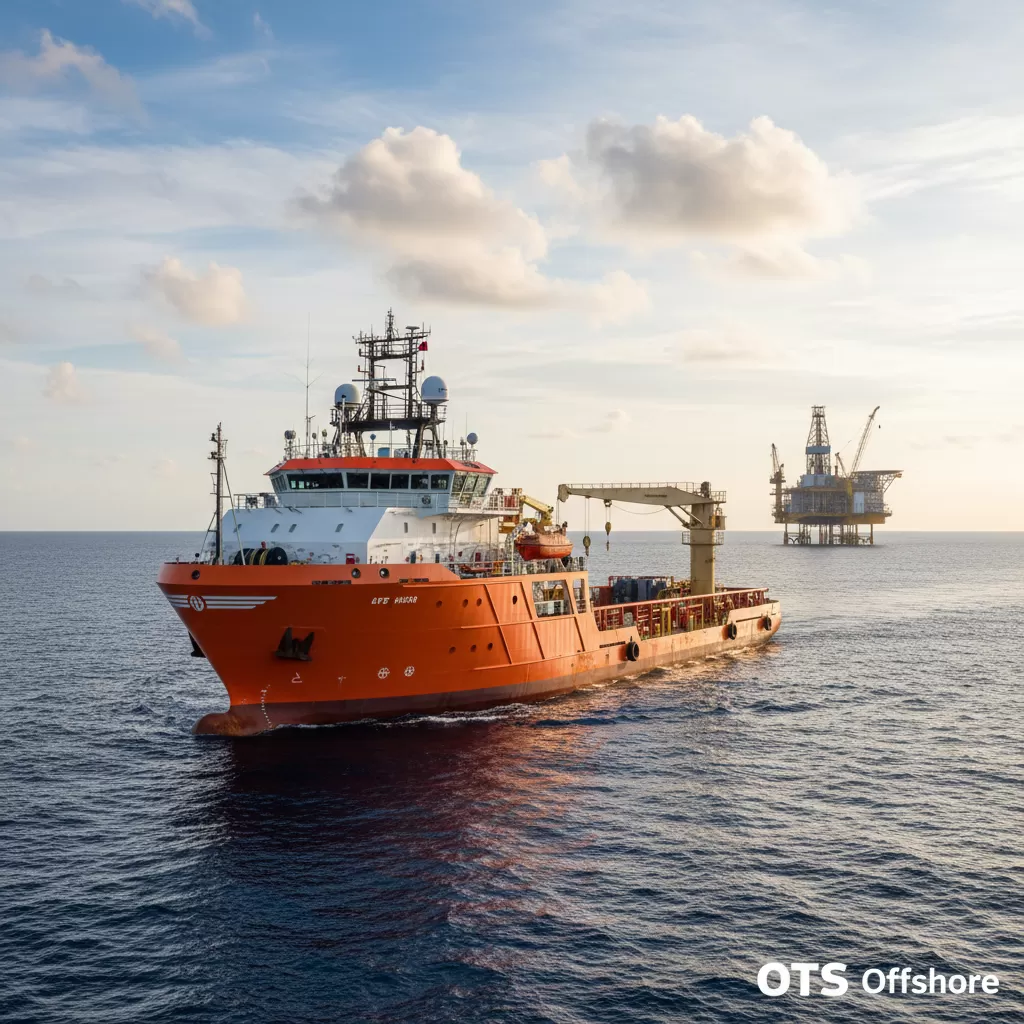
This article provides a comprehensive overview of offshore support vessel (OSV) fleet types and their diverse operational modes, crucial for understanding the logistical backbone of the global energy industry. We will delve into the specialized categories of vessels that enable exploration, production, and maintenance activities in challenging marine environments.
An Overview of Offshore Support Vessel (OSV) Fleet Types and Operational Modes
The global energy sector, particularly its offshore segment, relies heavily on a sophisticated and specialized fleet of vessels to conduct operations safely and efficiently. An Overview Offshore Support is fundamental to grasping the intricate logistics that underpin exploration, production, and maintenance in the demanding marine environment. These vessels, collectively known as Offshore Support Vessels (OSVs), are not monolithic; rather, they comprise a diverse array of specialized craft, each designed for specific roles and operational modes. Understanding the distinctions between these OSV fleet types is paramount for offshore operators, service providers, and stakeholders in the oil and gas industry. This detailed exploration will illuminate the various categories of OSVs, their unique capabilities, and the operational paradigms they facilitate, thereby enhancing our comprehension of the broader offshore support ecosystem. The strategic deployment and management of these OSVs are critical factors in optimizing offshore project timelines, cost-effectiveness, and, most importantly, safety. The dynamism of the offshore energy landscape necessitates a continuous evolution in OSV design and operation, driven by technological advancements, environmental considerations, and the ever-present pursuit of greater operational efficiency. This article aims to provide a foundational understanding of this vital segment of maritime operations.
Understanding the Core Functions of Offshore Support Vessels
Offshore Support Vessels are the unsung heroes of the offshore energy industry. Their primary functions are multifaceted, extending across the entire lifecycle of an offshore project. At the exploratory stage, OSVs are indispensable for transporting personnel and equipment to remote drilling sites. They provide essential logistical support, ensuring that seismic surveys and exploration drilling operations can proceed without interruption. During the production phase, OSVs play a crucial role in maintaining the integrity and operational efficiency of offshore platforms and subsea infrastructure. This includes supplying materials, facilitating maintenance and repair activities, and responding to any emergent operational challenges. Furthermore, in the decommissioning phase, OSVs assist in the safe and environmentally responsible dismantling of offshore structures. The diversity of tasks these vessels undertake underscores the need for specialized designs, each tailored to optimize performance in specific operational contexts. The overarching goal of any OSV operation is to ensure the seamless and secure execution of offshore activities, minimizing downtime and maximizing productivity. The intricate choreography of OSV deployments is a testament to the advanced planning and execution inherent in the offshore energy sector.
The Vital Role of OSVs in the Exploration Phase
Exploration is the vanguard of offshore energy development, and OSVs are its frontline enablers. Before any hydrocarbons can be extracted, extensive geological and geophysical surveys must be conducted, followed by exploratory drilling campaigns. During these initial phases, OSVs are critical for transporting exploration teams, specialized equipment such as seismic sensors and drilling tools, and essential supplies to remote locations. They act as mobile bases of operation, providing a stable platform for personnel and equipment in often challenging sea conditions. The ability of OSVs to navigate rough seas and maintain precise positioning is vital for the accuracy of survey data and the safety of drilling operations. Furthermore, they often serve as vital communication hubs and provide emergency response capabilities, ensuring the well-being of personnel engaged in high-risk activities. The efficiency of OSV support during exploration directly impacts the speed and cost-effectiveness of identifying viable offshore reserves. Without a robust OSV fleet, the initial stages of offshore energy discovery would be significantly hampered, if not impossible.
Supporting Production Operations: A Constant Requirement
Once an offshore field is in production, the demand for OSV support does not diminish; rather, it shifts towards maintenance, supply, and operational upkeep. Production platforms require a continuous flow of supplies, ranging from drilling fluids and chemicals to spare parts and provisions for the crew. OSVs are the primary means of delivering these vital consumables. They also play a critical role in facilitating routine and complex maintenance tasks, such as hull inspections, equipment repairs, and the deployment or retrieval of subsea components. Moreover, OSVs are equipped to respond to operational emergencies, providing critical support in scenarios such as containment of spills or personnel evacuation. Their presence around production facilities is a constant assurance of operational continuity and safety. The sheer scale of ongoing production activities necessitates a large and varied OSV fleet, capable of handling diverse tasks concurrently. The reliability and availability of these vessels are paramount to maintaining production levels and ensuring the economic viability of offshore fields.
Decommissioning: Safely Winding Down Operations
The lifecycle of an offshore asset eventually leads to decommissioning, and OSVs are equally essential in this concluding phase. As platforms and associated infrastructure reach the end of their operational life, they must be safely dismantled and removed. OSVs provide the logistical support required for these complex operations. This can involve transporting heavy lifting equipment, providing anchor handling services, and safely disposing of recovered materials. Furthermore, OSVs are crucial for environmental monitoring during decommissioning, ensuring that the seabed and surrounding waters are restored to their original state or meet regulatory standards. The precision and stability offered by OSVs are vital for maneuvering large structures and ensuring the safety of personnel and the environment during the removal process. The effective execution of decommissioning operations by OSVs contributes significantly to responsible energy resource management and environmental stewardship.
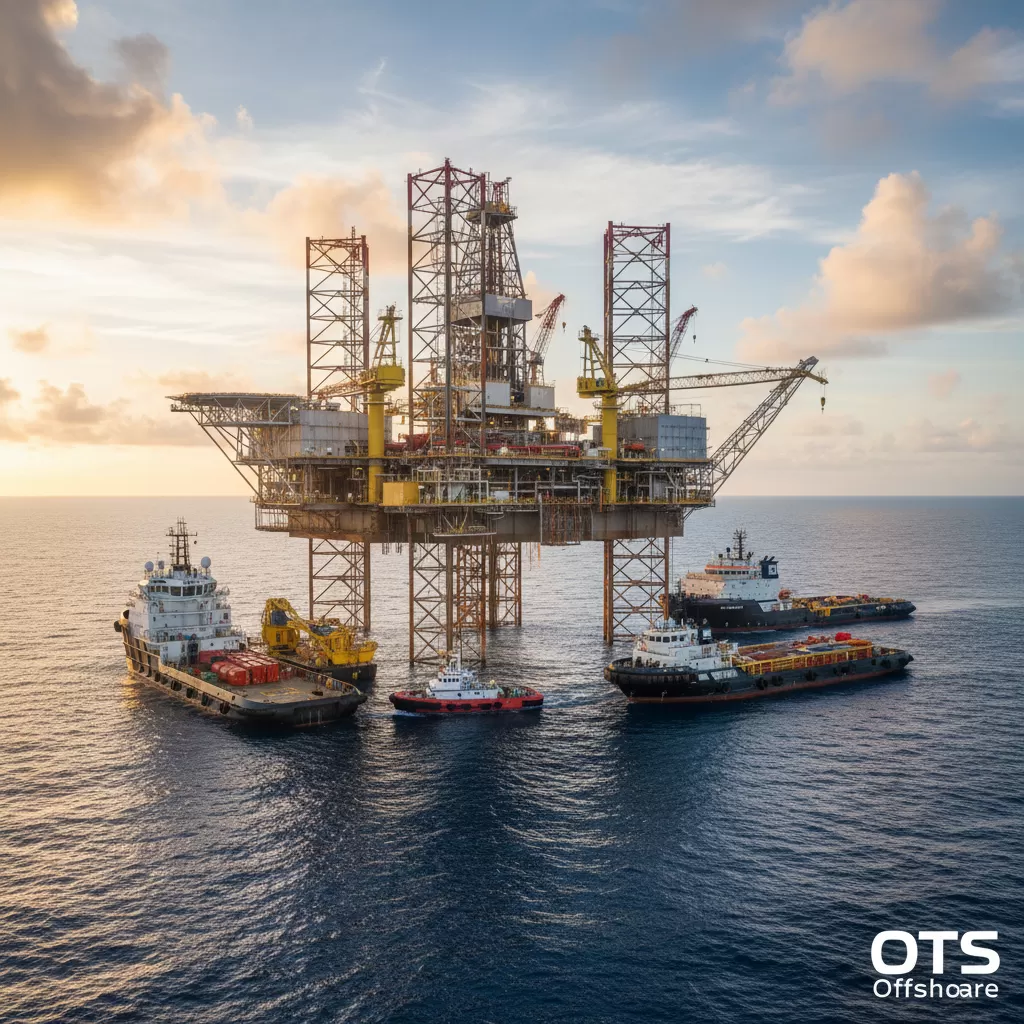
Key Offshore Support Vessel (OSV) Fleet Types Explained
The broad category of Offshore Support Vessels (OSVs) encompasses a wide spectrum of specialized vessels, each engineered to fulfill distinct roles within the offshore energy sector. A thorough Overview Offshore Support necessitates a detailed examination of these distinct fleet types. Their classification is typically based on their primary function, design characteristics, and operational capabilities. From the robust Anchor Handling Tug Supply (AHTS) vessels to the nimble Multi-Purpose Supply Vessels (MPSVs), each type represents a critical component in the intricate machinery of offshore operations. Understanding these classifications allows for a more nuanced appreciation of the strategic planning and resource allocation required to support offshore projects effectively.
Anchor Handling Tug Supply (AHTS) Vessels: The Heavy Lifters
Anchor Handling Tug Supply (AHTS) vessels are the workhorses of the offshore industry, characterized by their immense power and versatility. Their primary role involves handling anchors for drilling rigs and production platforms, a task that requires significant towing and bollard pull capabilities. These vessels are equipped with powerful winches, stern rollers, and extensive deck space for carrying equipment, supplies, and spare anchors. They are essential for moving drilling rigs from one location to another, positioning them accurately, and securing them in place. AHTS vessels also perform towing operations for disabled vessels and assist in the installation of subsea infrastructure. Their robust construction and advanced navigational systems allow them to operate in some of the most challenging weather conditions encountered offshore. The bollard pull rating of an AHTS vessel is a key performance indicator, reflecting its capacity to exert force in towing and anchor handling operations. This inherent strength makes them indispensable for critical heavy-duty tasks.
Platform Supply Vessels (PSVs): The Lifelines of Offshore Platforms
Platform Supply Vessels (PSVs) are designed to transport essential supplies and equipment from shore bases to offshore platforms and vice versa. They possess large, open decks capable of carrying a wide array of cargo, including drilling fluids, cement, fresh water, fuel, lubricants, and various operational equipment. PSVs also have cargo tanks below deck for transporting liquid bulk cargo. Their design prioritizes stability and cargo capacity, allowing them to deliver a consistent and reliable supply chain to offshore installations. These vessels operate on a regular schedule, ensuring that platforms have the necessary resources to maintain continuous operations. The efficiency of PSV operations directly impacts the cost and continuity of offshore production. Their role is akin to a vital artery, ensuring that the lifeblood of supplies flows to the remote energy production sites. The logistical prowess of PSVs is a cornerstone of successful offshore operations.
Crew Boats: Rapid Personnel Transfer
Crew boats are specialized vessels designed for the rapid and safe transfer of personnel between shore and offshore installations, or between different offshore facilities. They are typically fast, agile, and equipped with comfortable passenger seating and safety amenities. The primary objective of a crew boat is to minimize transit time, allowing for efficient crew rotations and ensuring that essential personnel can reach their work sites promptly. These vessels are crucial for maintaining operational schedules and facilitating the timely deployment of skilled technicians and engineers. Their advanced hull designs often enable them to operate effectively even in moderate sea states, ensuring the comfort and safety of passengers. The speed and reliability of crew boats are paramount in reducing non-productive time and optimizing personnel deployment.
Construction Support Vessels (CSVs) / Multi-Purpose Supply Vessels (MPSVs): Versatile Project Enablers
Construction Support Vessels (CSVs), often referred to as Multi-Purpose Supply Vessels (MPSVs), are highly versatile platforms designed to support a wide range of offshore construction and maintenance activities. These vessels are equipped with advanced dynamic positioning systems, large deck spaces, cranes, and accommodation facilities for construction crews. They can perform tasks such as installing subsea pipelines, deploying subsea structures, performing underwater construction, and providing support for saturation diving operations. The flexibility of CSVs and MPSVs makes them invaluable for complex offshore projects, allowing for a consolidated approach to various construction and maintenance needs. Their ability to adapt to different project requirements makes them a cornerstone of modern offshore infrastructure development. The integration of multiple functionalities onto a single platform significantly enhances operational efficiency and cost-effectiveness in complex offshore endeavors.
Subsea Construction Vessels: Precision Engineering Below the Waves
Subsea Construction Vessels are specifically designed to undertake sophisticated construction, maintenance, and repair activities on subsea infrastructure. These vessels are equipped with advanced technologies, including remotely operated vehicles (ROVs), specialized deployment systems for subsea equipment, and often saturation diving systems. They possess sophisticated dynamic positioning capabilities to maintain precise positions over subsea worksites, even in challenging conditions. Subsea construction vessels are instrumental in the installation of subsea pipelines, umbilicals, manifolds, and other critical components of subsea production systems. Their precision engineering and specialized equipment allow for complex tasks to be performed safely and efficiently at significant depths. The expertise and technology embodied by these vessels are critical for unlocking the potential of deepwater hydrocarbon reserves.
Diving Support Vessels (DSVs): Supporting Underwater Operations
Diving Support Vessels (DSVs) are dedicated to facilitating a wide range of underwater operations, primarily involving commercial diving. They are equipped with facilities for saturation diving, decompression chambers, hyperbaric life support systems, and specialized equipment for diver deployment and retrieval. DSVs provide the essential support infrastructure for underwater inspection, maintenance, repair, and construction activities on subsea structures, pipelines, and wellheads. The safety and well-being of divers are paramount, and DSVs are designed with comprehensive life support systems and emergency procedures to ensure a secure working environment. The operational capabilities of DSVs are crucial for maintaining the integrity of subsea assets and enabling complex underwater tasks.
Tugs and Barges: Essential Support Elements
While not always classified as primary OSVs, tugs and barges play an indispensable role in the broader offshore support ecosystem. Tugs, particularly those with specialized designs, are utilized for towing barges, floating structures, and various floating equipment to and from offshore sites. Barges, on the other hand, serve as floating platforms for transporting heavy equipment, materials, and even temporary accommodation modules. They can also be used as stable work platforms for construction and maintenance activities, especially in calmer waters. The coordination between tugs, barges, and other OSVs is a complex logistical undertaking that ensures the efficient movement of resources and infrastructure throughout offshore projects. Their fundamental role in transportation and as mobile work platforms underscores their importance.
Specialized Vessels: Addressing Niche Requirements
Beyond these core fleet types, a variety of specialized vessels cater to niche requirements within the offshore sector. These can include:
– Survey Vessels: Equipped with advanced sonar, seismic, and hydrographic survey equipment for seabed mapping and geological analysis.
– ROV Support Vessels: Dedicated to supporting the operations of Remotely Operated Vehicles (ROVs) for inspection, intervention, and light construction tasks.
– Well Intervention Vessels: Designed for performing well workovers, interventions, and plug and abandonment operations.
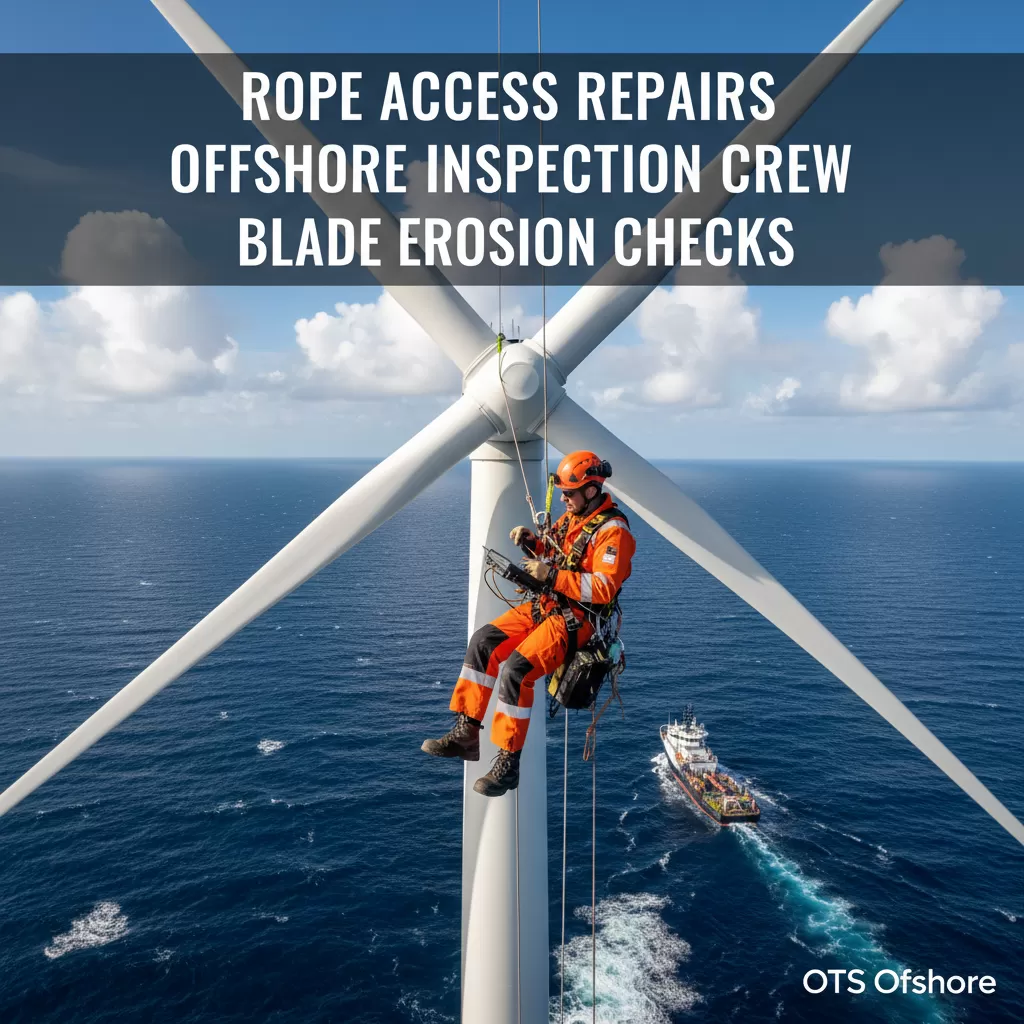
– Wind Turbine Installation Vessels (WTIVs): Specifically built for the installation of offshore wind turbines, featuring large deck capacities and heavy-lift cranes.
These specialized vessels highlight the continuous innovation and adaptation within the OSV sector to meet the evolving demands of the energy industry, including the burgeoning offshore wind market.
Operational Modes and Key Considerations for OSV Deployment
The effective deployment of an Offshore Support Vessel (OSV) fleet hinges on understanding various operational modes and critical considerations that dictate vessel selection and operational strategy. A comprehensive Overview Offshore Support encompasses not only the types of vessels but also how they are utilized in practice. This involves matching the vessel’s capabilities to the specific task, considering environmental factors, and adhering to stringent safety and regulatory protocols. The efficiency and success of offshore projects are profoundly influenced by the intelligent application of these operational principles.
Dynamic Positioning (DP) Systems: Maintaining Station with Precision
A significant number of modern OSVs are equipped with Dynamic Positioning (DP) systems. These advanced automated systems utilize thrusters and propellers, controlled by sophisticated computer algorithms, to maintain the vessel’s exact position and heading relative to a fixed point or a moving target, regardless of environmental forces like wind, waves, and currents. DP systems are indispensable for operations requiring high precision, such as drilling rig support, subsea construction, and diving operations. The classification of DP systems (DP1, DP2, DP3) indicates the level of redundancy and reliability, with DP3 offering the highest integrity and ability to maintain position even in the event of single-component failures. The integration of DP technology has revolutionized offshore operations, enabling work in previously inaccessible or challenging environments.
Towing and Anchor Handling Operations: Power and Control
Towing and anchor handling are core functions for many OSVs, particularly AHTS vessels. These operations demand immense power, precise control, and robust equipment. Towing involves moving large structures like drilling rigs or barges across significant distances, requiring skilled navigation and careful management of tow lines. Anchor handling involves deploying, retrieving, and repositioning the anchors that secure floating offshore installations. This is a complex and potentially hazardous operation that requires the coordinated efforts of the vessel’s crew, precise maneuvering, and the safe management of heavy anchor chains and wires. The strength and reliability of the winches, towing pins, and other specialized equipment on board are critical for the success and safety of these operations.
Supply Chain Management and Logistics Optimization
Efficient supply chain management is fundamental to the profitability and operational continuity of offshore projects. OSVs are the linchpins of this supply chain, ensuring that everything from essential consumables to heavy equipment reaches offshore facilities on time and in the correct quantities. Logistics optimization involves strategic planning of vessel routes, cargo manifests, and port operations to minimize transit times, reduce fuel consumption, and maximize vessel utilization. This often involves sophisticated software and communication systems to track vessels, manage inventory, and coordinate deliveries. The effective management of the OSV fleet as a cohesive logistical unit is crucial for the overall success of the offshore energy endeavor.
Safety Protocols and Environmental Considerations
Safety and environmental protection are paramount in all offshore operations. OSVs are subject to stringent international regulations and industry standards governing their design, construction, manning, and operational procedures. This includes protocols for emergency response, pollution prevention, and the safe handling of hazardous materials. Environmental considerations also extend to minimizing the ecological impact of vessel operations, such as reducing emissions, managing waste responsibly, and avoiding sensitive marine habitats. The commitment to safety and environmental stewardship is not only a regulatory requirement but also a core ethical responsibility within the offshore energy sector, with OSVs playing a critical role in upholding these principles.
Crewing and Training Requirements
The complex nature of OSV operations necessitates highly skilled and experienced crews. Personnel on these vessels undergo rigorous training in various aspects of maritime operations, vessel management, and specialized offshore tasks. This includes training in navigation, engineering, cargo handling, emergency procedures, and specific operational modes relevant to their vessel type. For certain roles, such as diving support or handling advanced DP systems, specialized certifications and qualifications are mandatory. The continuous professional development and unwavering commitment to safety by the OSV crews are fundamental to the successful and secure execution of offshore projects.
Technological Advancements and Future Trends
The OSV sector is characterized by continuous technological advancement. Innovations in hull design, propulsion systems, automation, and digital technologies are constantly improving vessel efficiency, safety, and environmental performance. Future trends point towards increased automation, the integration of artificial intelligence for operational optimization, the development of more fuel-efficient and environmentally friendly propulsion systems (including hybrid and electric power), and the adaptation of OSVs to support the growing offshore renewable energy sector, particularly offshore wind farms. The evolution of the OSV fleet is intrinsically linked to the broader technological trajectory of the maritime and energy industries.