

Addressing Cable Slack and Slippage Issues in Wind Turbine Operation is crucial for maximizing energy yield and ensuring the longevity of wind farm assets. This article delves into the intricate causes, detrimental effects, and advanced solutions for managing cable slack and slippage within wind turbine nacelles and tower structures, focusing on technical integrity and operational efficiency.
Addressing Cable Slack and Slippage: A Comprehensive Guide for Wind Turbine Operations
The relentless pursuit of efficient and sustainable energy generation places immense importance on the reliability and performance of wind turbines. Within the complex mechanical and electrical systems of these towering structures, the management of electrical cabling is a critical, yet often overlooked, aspect. Issues related to cable slack and slippage can have profound implications, impacting not only the immediate operational output but also the long-term integrity and maintenance costs of the entire wind farm. Understanding these challenges and implementing robust strategies for Addressing Cable Slack is paramount for operators seeking to optimize performance and mitigate risks. This detailed exploration will navigate the multifaceted nature of cable slack and slippage, providing insights into their origins, consequences, and the sophisticated engineering solutions employed to counteract them.
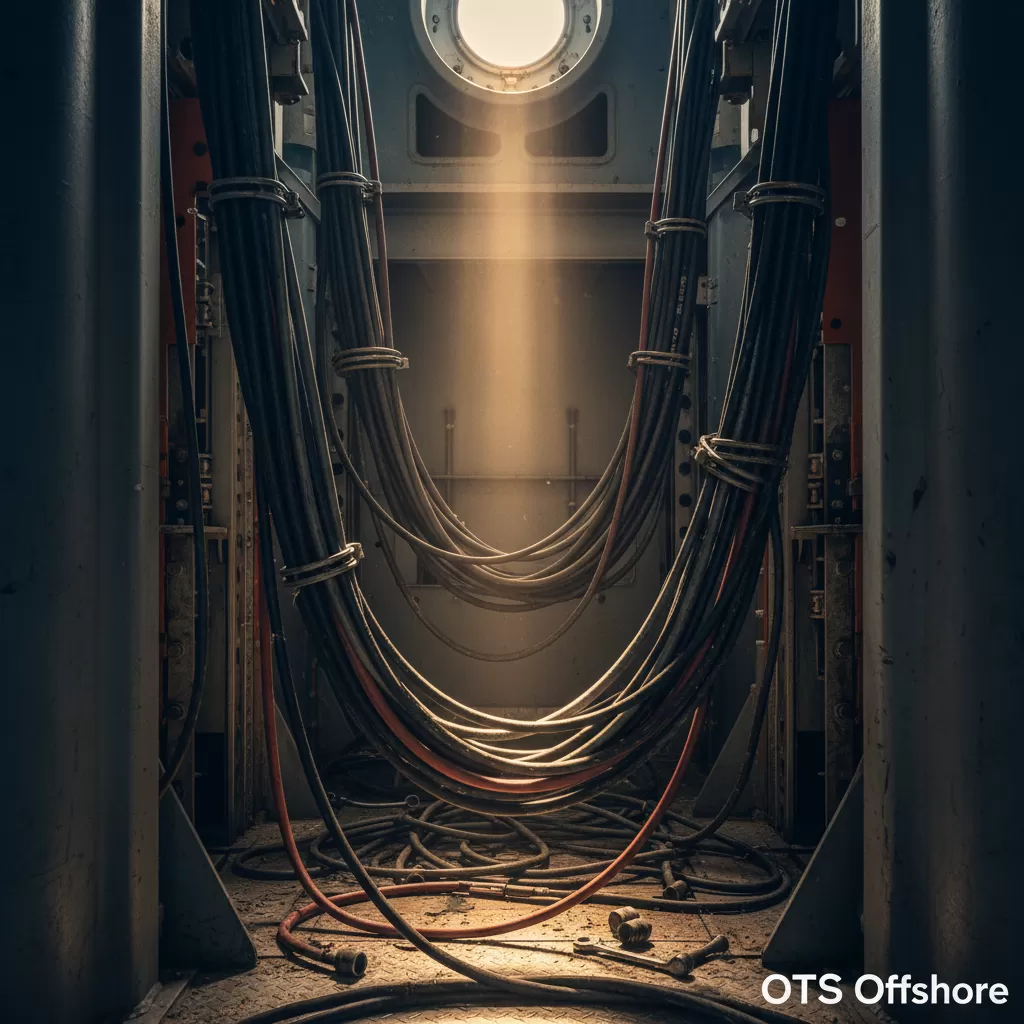
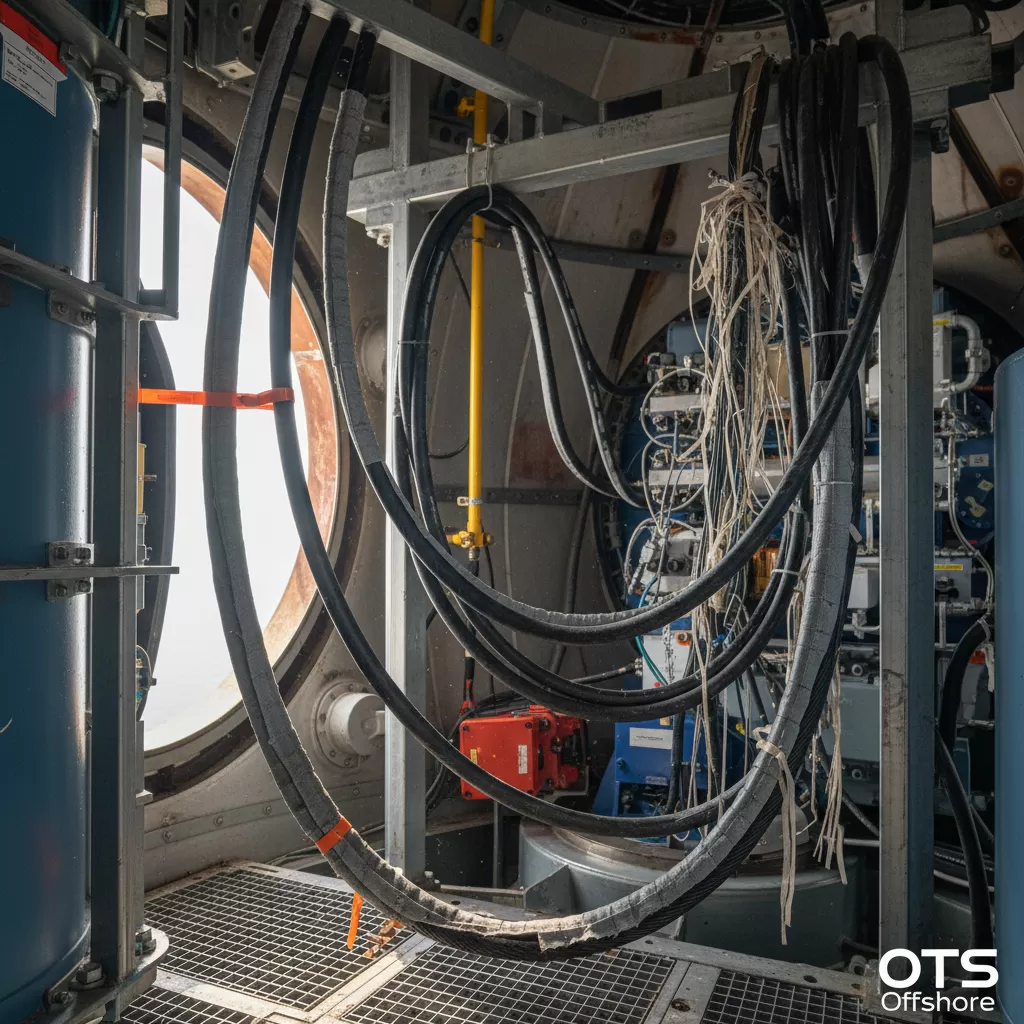
The internal environment of a wind turbine is a dynamic one. The nacelle, housing the generator, gearbox, and other vital components, is subjected to continuous motion, vibration, and thermal expansion and contraction. Similarly, the tower structure experiences significant structural loading and movement due to wind forces and operational stresses. These factors, when not adequately managed, can lead to the development of excessive cable slack. Cable slack, in essence, refers to the condition where electrical cables, particularly those transmitting power and control signals, have more length than is optimally required or designed for. This excess length can manifest in various ways, from loose loops to cables bunching up, and it creates a fertile ground for slippage.
Slippage occurs when these slack cables move uncontrollably along their designated pathways or contact other components. This movement can be caused by the inherent vibrations of the turbine, rotational forces within the nacelle, or even during maintenance operations. The consequences of unchecked cable slippage are far-reaching and can escalate rapidly. Mechanical abrasion is a primary concern, where moving cables rub against fixed structures, other cables, or internal components. This friction can degrade the cable’s insulation, leading to potential short circuits, electrical faults, and ultimately, premature failure. Beyond the immediate risk of electrical malfunction, severe slippage can cause physical entanglement, stressing cable terminations and connectors, leading to loosening and intermittent signal loss.
The economic ramifications of neglecting Addressing Cable Slack are substantial. Increased downtime due to cable-related faults directly translates to lost energy generation revenue. Furthermore, the need for frequent inspections, repairs, and component replacements associated with these issues adds significant operational and maintenance (O&M) costs. In worst-case scenarios, catastrophic cable failures can lead to extensive damage to other sensitive turbine components, such as the generator or pitch control systems, resulting in even more costly and time-consuming repairs. Therefore, a proactive and systematic approach to managing cable slack is not merely a technical consideration but a crucial element of sound financial management for any wind farm operator.
Understanding the Root Causes of Cable Slack in Wind Turbines
The genesis of cable slack within a wind turbine is rarely attributable to a single factor. Instead, it typically arises from a confluence of design considerations, installation practices, and the operational environment. A thorough understanding of these root causes is the first step in effectively Addressing Cable Slack.
– Initial Design and Installation Errors: Often, the problem begins at the design stage. If cable lengths are not precisely calculated to account for all possible movements and orientations of nacelle components, particularly during yawing and pitching, excess slack can be introduced from the outset. Similarly, during the installation phase, inadequate tensioning, improper routing, or a failure to secure cables according to manufacturer specifications can create immediate slack. The use of inappropriate cable management systems that do not accommodate the dynamic nature of the turbine is another common oversight.
– Dynamic Operating Conditions: Wind turbines are inherently dynamic structures. The constant rotation of the rotor, the yawing of the nacelle to face the wind, and the pitching of the blades all introduce significant mechanical stresses and movements. These movements can cause cables to shift and settle over time, gradually increasing slack. Vibration, a pervasive element within any operational turbine, can exacerbate this process, leading to a cumulative loosening effect.
– Thermal Expansion and Contraction: Temperature fluctuations, both ambient and those generated by electrical components under load, cause materials to expand and contract. Cables, as well as the structures they are routed through, will undergo these changes. If cable lengths are not designed with sufficient tolerance for these thermal variations, cumulative slack can develop, especially across long cable runs within the tower.
– Environmental Factors and Wear: Exposure to harsh marine environments, dust, and humidity can degrade cable insulation and protective sheathing over time. This degradation can affect the cable’s flexibility and lead to changes in its effective length or how it interfaces with its routing guides, potentially contributing to slack. Natural wear and tear from continuous flexing and movement are also unavoidable factors that can influence cable tension and position.
– Maintenance Activities: While essential, maintenance procedures themselves can sometimes inadvertently introduce or worsen cable slack. If cables are disconnected and reconnected, or if access is required for other repairs, improper re-installation or failure to re-tension correctly can lead to increased slack. The removal and reinstallation of turbine components can also disrupt cable pathways.
The Detrimental Consequences of Unaddressed Cable Slippage
The propagation of cable slack often leads to slippage, a phenomenon that brings a cascade of negative consequences, impacting turbine reliability, safety, and economic viability. Effectively Addressing Cable Slack is therefore critical to preventing these downstream problems.
– Mechanical Abrasion and Insulation Damage: This is perhaps the most immediate and visually apparent consequence. As slack cables move and rub against surfaces, their protective outer jackets and underlying insulation are subjected to frictional forces. This abrasion can wear down the insulation layer, exposing the conductive core. This increases the risk of electrical arcing, short circuits, and ultimately, complete cable failure.
– Electrical Faults and Power Outages: Damaged insulation and exposed conductors create pathways for electrical current to flow where it should not. This can trigger protective relays, leading to shutdowns and power outages. In more severe cases, it can cause catastrophic short circuits, potentially damaging expensive components like the generator, converter, or transformer within the nacelle. These faults are costly to diagnose and repair, often requiring specialized personnel and significant downtime.
– Connector and Termination Failure: The constant movement and vibration associated with slippage can put undue stress on cable connectors and termination points. This can lead to loosening of connections, intermittent signal transmission, and in extreme cases, complete disconnection. Such failures can disrupt control systems, leading to operational inefficiencies or forced shutdowns.
– Entanglement and Physical Strain: Slack cables can become entangled with rotating machinery, moving components, or other cable bundles. This entanglement can lead to severe physical strain on the cables, connectors, and attached equipment. The risk of damage to the turbine’s essential moving parts is significantly heightened when cables are not properly managed.
– Increased Maintenance Burden and Costs: The presence of cable slack and slippage necessitates more frequent and thorough inspections to monitor the condition of the cables and their routing. This increased inspection frequency, coupled with the higher likelihood of needing repairs or replacements due to abrasion and faults, significantly elevates the overall maintenance costs for the wind farm. Identifying and rectifying the root cause of the slack becomes a recurring and expensive task if not properly addressed.
– Reduced Turbine Performance and Energy Yield: Any electrical fault or disruption caused by cable issues will directly impact the turbine’s ability to generate power. Intermittent power losses, reduced efficiency in power transmission due to faulty connections, or extended periods of downtime all contribute to a reduction in the overall energy yield of the wind farm, impacting revenue generation.
Advanced Strategies for Addressing Cable Slack and Slippage
Effectively Addressing Cable Slack requires a multi-pronged approach, integrating intelligent design, meticulous installation, and ongoing monitoring and maintenance. Modern wind turbine technology incorporates sophisticated solutions to mitigate these challenges.
– Optimized Cable Management Systems: The design of internal cable routing is paramount. This includes the use of specialized cable trays, conduits, and support structures that are engineered to accommodate the dynamic movements and vibrations of the turbine. These systems are designed to guide cables, prevent excessive movement, and minimize friction. Advanced cable management solutions often incorporate elements that allow for controlled tensioning and gradual settling, preventing sudden, damaging slack.
– Dynamic Cable Retention and Tensioning Devices: For cables that undergo significant movement, such as those connecting the rotating nacelle to the stationary tower, specialized dynamic cable retention systems are employed. These systems use mechanisms that allow for controlled movement and tensioning, ensuring that the cable remains within safe operating parameters throughout the turbine’s operational range. Devices like cable accumulators or controlled tensioning winches can compensate for rotational and pitching movements.
– Intelligent Cable Routing and Strain Relief: Careful consideration is given to the routing of all cables within the turbine to avoid sharp bends, pinch points, and areas of high vibration. Strain relief mechanisms, such as cable glands and support loops, are incorporated at connection points to prevent excessive tension or pulling on the connectors themselves. This ensures that the mechanical stress is distributed appropriately along the cable length rather than concentrated at the terminations.
– Predictive Maintenance and Condition Monitoring: The use of advanced sensors and monitoring systems plays a crucial role in proactively Addressing Cable Slack. Sensors can detect unusual vibrations, temperature changes, or subtle movements within cable bundles, signaling potential issues before they escalate. Real-time monitoring of cable integrity through electrical parameter analysis can also identify developing faults. This data allows for targeted inspections and interventions, preventing minor issues from becoming major problems.
– Material Selection and Cable Design: The choice of cable materials is critical. Cables designed for wind turbine applications are typically made with highly flexible, abrasion-resistant insulation and robust outer jacketing capable of withstanding environmental conditions and mechanical stress. The internal construction of the cable, including conductor stranding and fill materials, is also optimized for flexibility and durability in a dynamic environment.
– Integrated Design Approaches: Modern wind turbine design increasingly adopts an integrated approach where the electrical systems, including cabling, are considered from the earliest stages of mechanical and structural design. This ensures that cable pathways, support structures, and movement allowances are holistically accounted for, minimizing the potential for future slack and slippage issues. Collaboration between electrical engineers, mechanical engineers, and structural designers is key to this process.
– Regular Inspection and Preventative Maintenance Programs: Despite the implementation of advanced systems, regular, structured inspections remain indispensable. These inspections, often guided by detailed checklists and augmented by sensor data, are designed to identify any signs of wear, abrasion, loosening, or unexpected slack in the cable systems. Preventative maintenance schedules, based on manufacturer recommendations and operational data, ensure that potential issues are addressed before they lead to costly failures. This includes periodic checks of cable supports, tensioning devices, and termination integrity.
– Enhanced Installation Procedures and Training: Ensuring that installation personnel are thoroughly trained on the correct procedures for handling, routing, and securing cables is fundamental. Adherence to detailed installation manuals and best practices is crucial to prevent the introduction of slack from the outset. Quality control checks during the installation phase can catch potential errors before they become systemic problems.
The continuous evolution of wind turbine technology, driven by the imperative for greater efficiency and reliability, includes sophisticated advancements in cable management. From the fundamental principles of tensile strength and flexibility to the integration of smart sensors and automated tensioning systems, the industry is constantly refining its strategies for Addressing Cable Slack and slippage. By embracing these advanced solutions and maintaining a rigorous approach to maintenance and monitoring, operators can significantly enhance the operational lifespan, safety, and economic performance of their wind energy assets.