



The oil and gas industry is continuously evolving, with innovations in drilling technology playing a pivotal role. This article delves into the significant progress in small bore wells and the impact of Polycrystalline Diamond Compact (PDC) drill bits on improving efficiency and reducing costs in exploration and production operations. We will explore the technical nuances and benefits of these advancements, offering insights for industry professionals.
The Transformative Impact of Advancements in Drilling Technology: Focusing on Small Bore Wells and PDC Drill Bits
The landscape of oil and gas exploration and production is in a constant state of flux, driven by the relentless pursuit of efficiency, cost-effectiveness, and enhanced reservoir access. At the forefront of this evolution are **advancements in drilling technology**. Two key areas that have witnessed substantial progress and are reshaping conventional drilling paradigms are the development and application of small bore wells and the ubiquitous adoption of Polycrystalline Diamond Compact (PDC) drill bits. These innovations are not merely incremental improvements; they represent a paradigm shift, enabling operators to unlock previously uneconomical reserves, access complex geological formations, and significantly reduce operational footprints and environmental impact. The exploration of unconventional resources, such as shale gas and tight oil, has been particularly catalyzed by these technological strides. As the industry navigates the complexities of energy transition and the demand for sustainable practices, understanding these **advancements in drilling technology** becomes paramount for strategic decision-making and operational excellence. This article aims to provide a comprehensive overview of the technical underpinnings, operational benefits, and future implications of these critical advancements.
Understanding Small Bore Wells: A New Frontier in Reservoir Access
Small bore wells, often defined by their reduced diameter compared to conventional wells, represent a significant departure from traditional drilling practices. This approach is driven by a desire for increased well density within a reservoir, improved reservoir drainage, and reduced capital expenditure per well. The technical challenges associated with drilling smaller diameter holes are considerable, requiring specialized downhole tools, advanced drilling fluids, and sophisticated directional control systems. However, the benefits are equally compelling. Small bore wells can offer enhanced productivity in certain reservoir types due to a higher wellbore-to-reservoir contact ratio and can be particularly advantageous in areas with stringent surface footprint limitations.
The Rationale Behind Small Bore Well Implementation
The decision to drill small bore wells is multifaceted, often stemming from economic considerations and reservoir characteristics. In mature fields, drilling smaller wells can revitalize production by targeting bypassed pay zones or infill locations with minimal disruption. For unconventional resources, where reservoir permeability is low, a high density of smaller wells can achieve economic production rates. Furthermore, the reduced material requirements and simpler well construction can lead to substantial cost savings, especially in high-volume drilling campaigns. The environmental benefits are also noteworthy, with smaller well pads and reduced waste generation contributing to a more sustainable operational profile.
Key Technical Considerations for Small Bore Well Drilling
Drilling small bore wells necessitates a precise and controlled approach. The annulus between the drill string and the wellbore is significantly smaller, demanding careful management of drilling fluid properties to prevent formation damage and ensure efficient hole cleaning. The selection of appropriate drill bits is also critical, requiring designs that can effectively penetrate various rock types while minimizing torque and vibration. Directional drilling capabilities are paramount, as the accuracy required to place multiple small bore wells within a specific reservoir interval is exceptionally high. The integrity of the wellbore itself is another crucial factor, with casing and cementing programs needing to be adapted to the smaller diameters while still ensuring zonal isolation and long-term wellbore stability.
The Dominance of PDC Drill Bits: Revolutionizing Penetration Rates and Efficiency
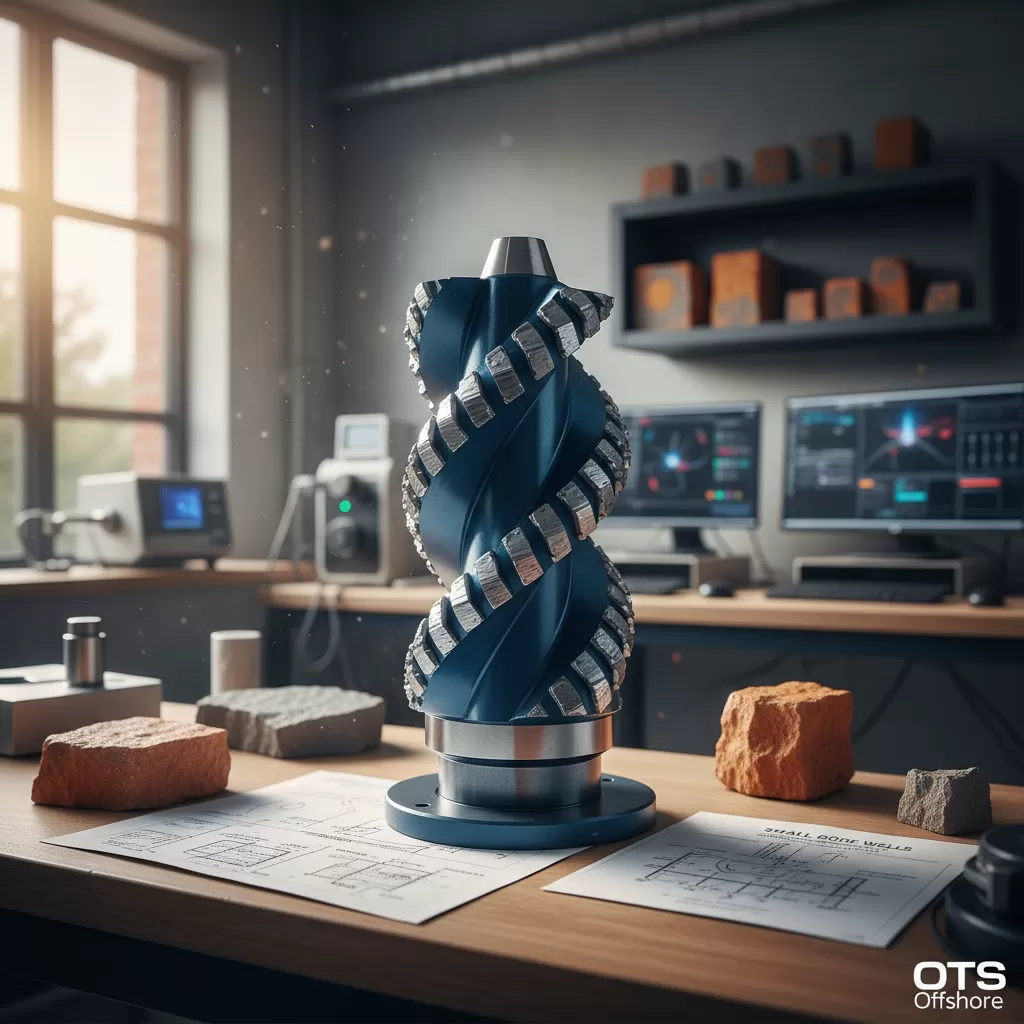
Polycrystalline Diamond Compact (PDC) drill bits have fundamentally altered the way the oil and gas industry approaches drilling. These bits, characterized by their composite structure of diamond and tungsten carbide, offer superior wear resistance and cutting efficiency compared to traditional roller cone bits. Their ability to drill faster and maintain a consistent penetration rate for extended periods has led to significant reductions in drilling time and overall well costs. The evolution of PDC bit technology has been rapid, with continuous improvements in cutter design, bit hydraulics, and material science leading to bits capable of tackling increasingly challenging formations.
Evolution and Design Principles of PDC Drill Bits
The core innovation of PDC drill bits lies in their cutting elements – synthetic diamond disks bonded to a tungsten carbide substrate. This diamond layer is exceptionally hard, allowing it to abrade and shear rock with remarkable efficiency. The geometry of these cutters, including their shape, back rake angle, and side rake angle, is meticulously engineered to optimize performance in specific rock types. Bit hydraulics also play a crucial role, with nozzle placement and size designed to ensure effective cleaning of the cutter face and efficient removal of cuttings from the wellbore. The body of the bit, often made from steel or composite materials, provides the structural integrity to withstand the harsh downhole environment.
Advantages of PDC Drill Bits in Modern Drilling Operations
The benefits of utilizing PDC drill bits are numerous and directly impact operational efficiency and economics. Their high penetration rates translate into reduced drilling days, a primary driver of well cost. The ability of PDC bits to drill long intervals without requiring frequent bit trips minimizes non-productive time and associated costs. Furthermore, their superior durability often leads to fewer bit failures and a more predictable drilling process. In directional drilling applications, PDC bits can maintain consistent hole trajectory and provide superior steering capabilities due to their smooth cutting action. The reduction in vibration also contributes to improved hole quality and enhanced wellbore stability.
Optimizing PDC Drill Bit Performance: Key Factors for Success
Achieving optimal performance from PDC drill bits requires a holistic approach that considers several critical factors. The correct selection of the bit for the geological formation is paramount; a bit designed for soft formations will perform poorly in hard, abrasive rock and vice versa. Understanding the rock mechanics of the reservoir and matching them with the appropriate bit design is crucial. Drilling fluid properties, including viscosity, density, and lubrication, must be optimized to ensure effective hole cleaning and cutter cooling. The drilling parameters – including weight on bit (WOB), revolutions per minute (RPM), and flow rate – must be carefully controlled to maximize penetration rates without compromising bit longevity or wellbore integrity. Continuous monitoring of drilling data and performance metrics allows for real-time adjustments to optimize the drilling process.
The Synergistic Relationship: Small Bore Wells and PDC Drill Bits for Enhanced Drilling Efficiency
The true power of these **advancements in drilling technology** is realized when small bore wells and PDC drill bits are employed in synergy. The inherent advantages of PDC bits, such as high penetration rates and durability, become even more pronounced when drilling smaller diameter wells. The reduced torque and vibration associated with PDC bits are beneficial in smaller annuli, minimizing the risk of sticking or excessive wear on the drill string. The efficient cutting action of PDC bits also ensures faster hole cleaning in the confined spaces of small bore wells, preventing the accumulation of cuttings that can lead to drilling problems.
Economic and Operational Efficiencies of the Combined Approach
The combination of small bore wells and PDC drill bits offers substantial economic and operational efficiencies. The reduced wellbore diameter lowers material costs for casing and fluids. Coupled with the faster drilling speeds of PDC bits, this leads to a significant reduction in overall drilling time and, consequently, well costs. The ability to drill more wells from a smaller surface footprint also minimizes land acquisition costs and reduces the environmental impact of operations. For operators looking to maximize production from complex or marginal reservoirs, this combined approach provides a viable and cost-effective solution.
Case Studies and Real-World Applications of Advancements Drilling Technology
Numerous case studies across various geological basins demonstrate the successful implementation of small bore wells in conjunction with PDC drill bits. For instance, in shale play development, operators have successfully drilled high-density well networks using smaller diameter laterals, significantly increasing hydrocarbon recovery. In mature oil fields, infill drilling with small bore wells has revitalized production by accessing bypassed reserves that were uneconomical to target with conventional well designs. These real-world applications underscore the transformative potential of these **advancements in drilling technology** in improving the economic viability and sustainability of oil and gas production.
Addressing Challenges and Future Trends in Small Bore and PDC Drilling
While the advancements are significant, challenges remain. The precise control required for directional drilling in smaller diameter wells demands sophisticated downhole telemetry and steering tools. Ensuring wellbore integrity and preventing formation damage in the confined annuli requires careful management of drilling fluids and cementing practices. The future of these **advancements in drilling technology** points towards further miniaturization, increased automation, and the integration of artificial intelligence for real-time optimization. The development of novel PDC cutter materials and bit designs tailored for specific ultra-hard formations and high-temperature environments is also an active area of research. The pursuit of more efficient, environmentally friendly, and cost-effective drilling solutions will continue to drive innovation in this critical domain of the energy sector.