

This article delves into essential maintenance protocols for yaw systems in wind turbines, with a specific focus on best practices for yaw lip seal replacement. Adhering to these guidelines is crucial for ensuring operational efficiency, preventing costly failures, and extending the lifespan of these critical components. Understanding these best practices system ensures optimal performance and reliability.
Best Practices for Yaw System Maintenance and Yaw Lip Seal Replacement
Effective maintenance of wind turbine yaw systems is paramount for maximizing energy capture and minimizing downtime. The yaw system, responsible for orienting the rotor towards the wind, comprises several interconnected components, each requiring meticulous attention. Among the most critical, yet often overlooked, are the yaw lip seals. These seals play a vital role in preventing the ingress of contaminants like dust, moisture, and debris into the yaw bearing and gearbox, which can lead to premature wear and catastrophic failure. Implementing robust best practices system for their maintenance and replacement is not merely a recommendation; it’s a necessity for sustainable wind farm operations.
Understanding the Yaw System’s Criticality
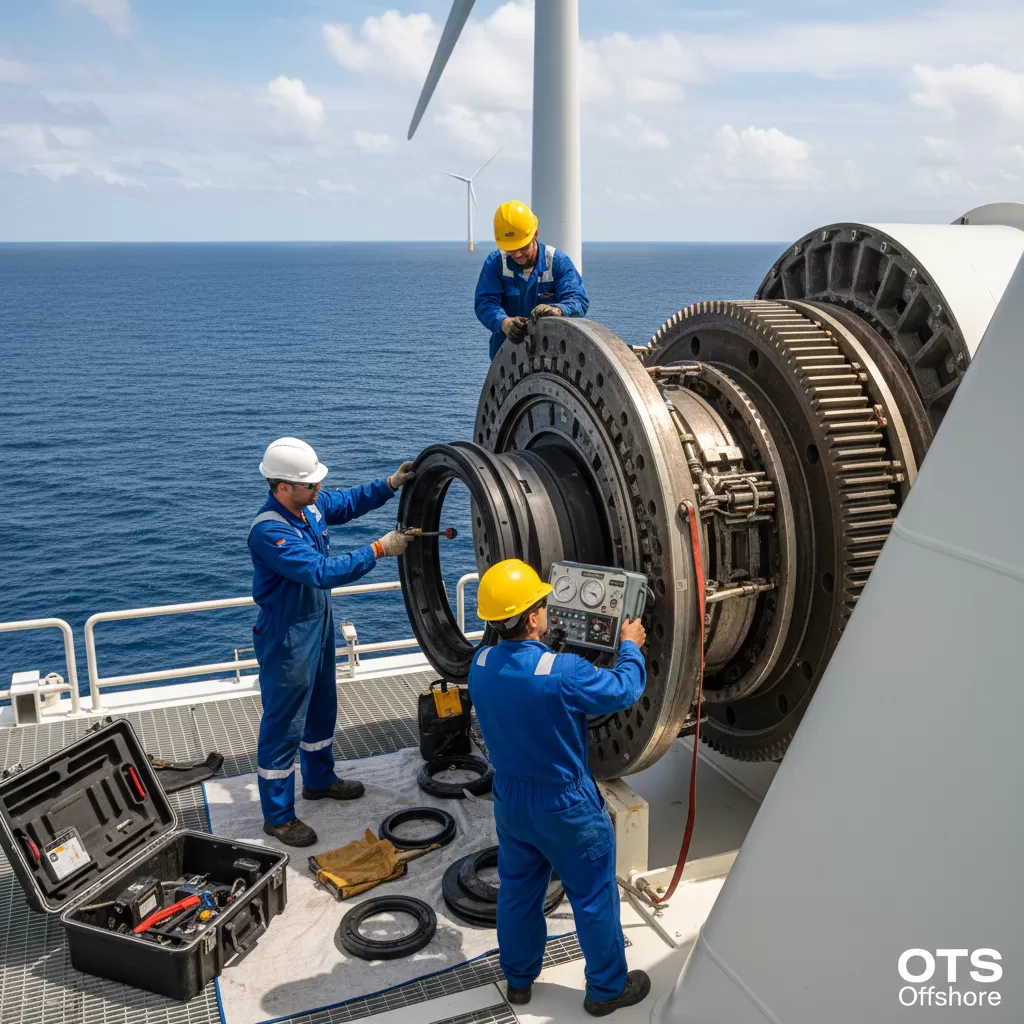
The yaw system’s primary function is to ensure the turbine rotor is continuously aligned with the prevailing wind direction. This alignment is achieved through a sophisticated mechanism involving a yaw drive, which typically consists of a motor, gearbox, and a slew bearing. The slew bearing, a large-diameter, load-bearing component, allows for precise rotational movement of the nacelle relative to the tower. The integrity of this bearing is directly influenced by the effectiveness of its sealing. A compromised seal can allow abrasive particles to enter, accelerating wear on the bearing raceways and rolling elements. This degradation can manifest as increased friction, audible noise, and ultimately, a loss of yaw control, forcing the turbine into a shutdown state. Therefore, understanding the critical role of the yaw system and its associated seals is the first step in establishing effective maintenance strategies.
Key Components of a Wind Turbine Yaw System
– Yaw drive motor: Provides the rotational force to move the nacelle.
– Yaw gearbox: Transmits power from the motor to the slew bearing, often with a reduction in speed and an increase in torque.
– Slew bearing: The large, integrated bearing that allows the nacelle to pivot.
– Yaw control system: The electronic and mechanical elements that monitor wind direction and command yaw adjustments.
– Yaw lip seals: Protective barriers designed to prevent external contaminants from entering the slew bearing and other critical yaw components.
The Importance of Proactive Yaw System Maintenance
Reactive maintenance, where repairs are only performed after a failure occurs, is an expensive and inefficient approach for wind turbine operations. Proactive maintenance, on the other hand, focuses on preventing failures before they happen. For yaw systems, this translates to regular inspections, lubrication, and the timely replacement of wear components. A comprehensive best practices system for yaw system maintenance will include scheduled checks of the yaw drive’s electrical components, gearbox oil analysis, and visual inspections of the slew bearing and its seals. Ignoring these preventative measures can lead to escalating repair costs, extended downtime, and a significant reduction in the overall energy output of the wind farm.
Benefits of a Proactive Maintenance Schedule
– Reduced unscheduled downtime: Minimizes costly interruptions to energy generation.
– Lower repair costs: Addresses minor issues before they become major failures.
– Extended component lifespan: Maximizes the operational life of critical components like the slew bearing.
– Improved energy production: Ensures the turbine is always optimally aligned with the wind.
– Enhanced safety: Reduces the risk of component failure and potential hazards.
Focus on Yaw Lip Seal Replacement: Best Practices
The yaw lip seal is a seemingly small component that plays an outsized role in the longevity of the yaw system. These seals are typically made of specialized elastomers designed to withstand harsh environmental conditions and constant movement. Over time, they can degrade due to UV exposure, extreme temperatures, chemical exposure, and mechanical wear. A worn or damaged seal can allow contaminants to bypass its protective barrier, leading to accelerated degradation of the slew bearing. Therefore, establishing best practices system for yaw lip seal replacement is crucial.
When to Consider Yaw Lip Seal Replacement
– During scheduled major maintenance intervals: Often coincides with gearbox oil changes or bearing inspections.
– Visual inspection reveals wear, cracking, or material degradation: Any visible signs of damage necessitate immediate attention.
– Increased ingress of contaminants detected: If debris or moisture is found within the yaw bearing housing, the seals are a primary suspect.
– Performance degradation: A noticeable increase in friction or noise from the yaw system can indicate sealing issues.
– Manufacturer recommendations: Adhering to the turbine manufacturer’s specified replacement intervals.
Detailed Steps for Optimal Yaw Lip Seal Replacement
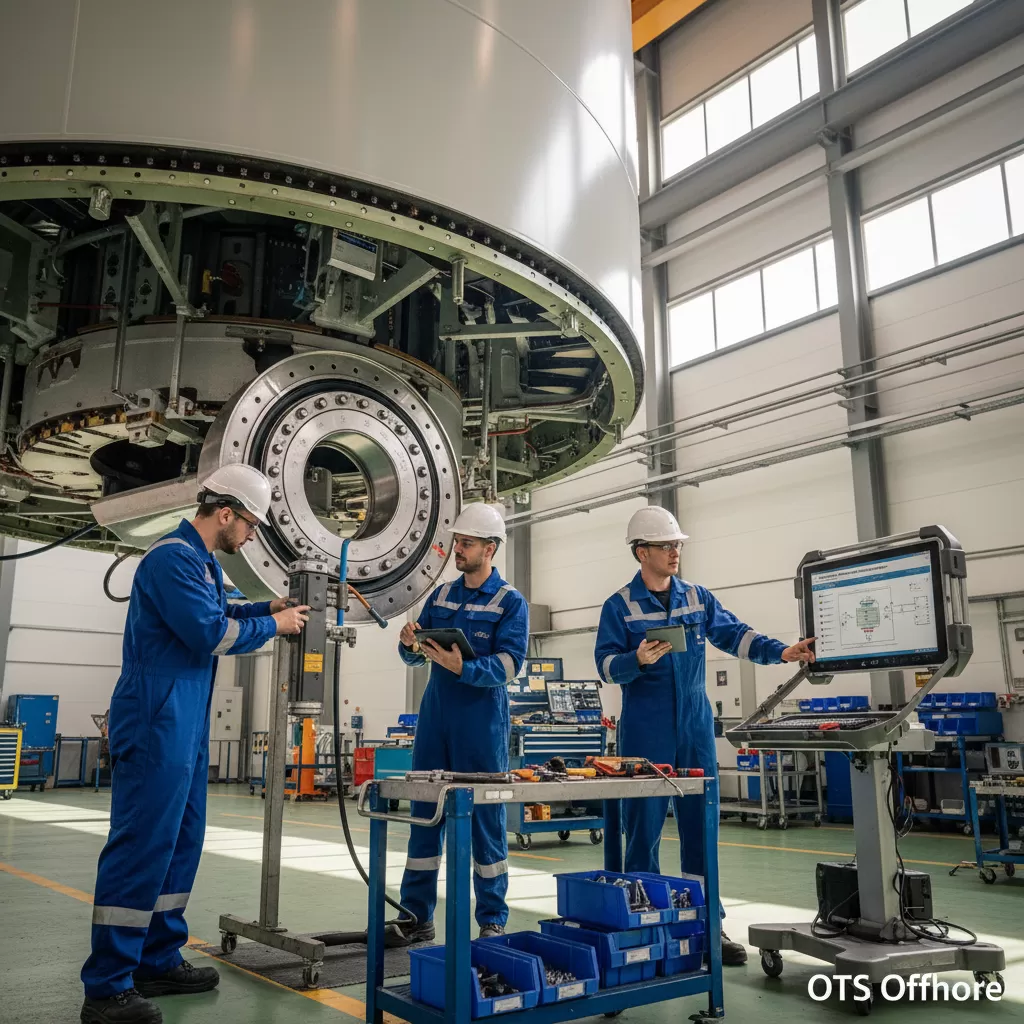
Replacing yaw lip seals is a specialized task that requires precision and adherence to strict procedures to ensure effectiveness and prevent damage. A well-defined best practices system for this procedure will cover every stage from preparation to post-replacement verification.
1. Pre-Replacement Preparation and Safety
– Lockout/Tagout (LOTO) procedures: Ensuring the turbine is safely de-energized and secured against accidental startup is paramount.
– Personal Protective Equipment (PPE): Appropriate gear, including safety glasses, gloves, and protective clothing, must be worn.
– Tooling and Equipment: Gather all necessary tools, including torque wrenches, seal pullers, cleaning supplies, and the correct replacement seals. Specialized lifting equipment may be required for larger components.
– Documentation: Review the turbine’s maintenance manual for specific instructions related to the yaw system and seal replacement.
2. Accessing the Yaw Lip Seals
– Nacelle Positioning: Maneuver the nacelle to a position that allows for safe and convenient access to the yaw bearing and seals. This may involve rotating the rotor to a specific orientation.
– Component Disassembly: Carefully disassemble any components that obstruct access to the seals. This might include covers, mounting brackets, or parts of the yaw drive assembly. It’s crucial to document the disassembly process through photographs or detailed notes to facilitate reassembly.
3. Seal Removal Techniques
– Gentle Removal: Avoid using excessive force or sharp objects that could scratch or damage the seal mating surfaces.
– Specialized Tools: Utilize designated seal pullers designed to extract seals without causing damage to the housing or the bearing components.
– Cleaning: Thoroughly clean the seal groove and surrounding areas of any old sealant, debris, or corrosion.
4. Slew Bearing Inspection (Crucial Intersecting Practice)** This is a vital part of the best practices system. When the seals are removed, it presents a prime opportunity for a thorough inspection of the slew bearing itself.
– Visual Inspection: Examine the bearing raceways and rolling elements for any signs of pitting, spalling, corrosion, or excessive wear.
– Lubrication Check: Assess the condition and level of lubricant within the bearing.
– Play Measurement: Check for excessive play in the bearing, which could indicate wear or damage.
– Record Findings: Document all inspection findings, as they will inform future maintenance decisions.
5. Installing New Yaw Lip Seals
– Seal Selection: Ensure the replacement seals are of the correct size, material, and specification as per the turbine manufacturer’s requirements. Using incorrect seals can lead to premature failure.
– Lubrication of New Seals: Lightly lubricate the new seals with a compatible grease before installation. This reduces friction during installation and helps seat the seal properly.
– Installation Method: Use appropriate seal installation tools or methods to ensure the seals are pressed in squarely and to the correct depth. Avoid hammering or forcing the seals, as this can damage them.
– Orientation: Pay close attention to the orientation of the seal (e.g., lip direction) as specified by the manufacturer. Incorrect installation can render the seal ineffective.
6. Post-Replacement Procedures and Verification** This is another critical aspect of the best practices system.
– Reassembly: Carefully reassemble all components that were removed, ensuring all fasteners are torqued to the manufacturer’s specifications.
– Cleaning: Thoroughly clean the work area and ensure all tools and materials are removed.
– LOTO Removal: Once reassembly is complete and verified, safely remove LOTO devices.
– Functional Testing: Perform operational tests of the yaw system to ensure it functions correctly. This includes checking for smooth rotation, proper response to wind direction changes, and any unusual noises or vibrations.
– Documentation Update: Record the date of the seal replacement, the part numbers used, and any relevant inspection findings in the turbine’s maintenance log.
Advanced Considerations for Yaw System Longevity** This aligns with a comprehensive best practices system.
– Environmental Factors: The specific environmental conditions (e.g., extreme temperatures, high humidity, sandy or dusty environments) in which the turbine operates will influence the lifespan of yaw lip seals and the frequency of replacement.
– Lubrication Management: Beyond seal replacement, proper lubrication of the yaw system is crucial. Regular oil analysis of the gearbox and bearing lubricant can provide early indications of wear and contamination.
– Condition Monitoring Systems (CMS): Implementing advanced CMS that can monitor vibrations, temperature, and electrical parameters of the yaw system can provide early warnings of developing issues, including those related to sealing.
– Training and Expertise: Ensuring that maintenance personnel are adequately trained and possess the necessary expertise for these critical tasks is a fundamental element of any effective best practices system.
The Role of Material Science in Seal Performance
– Environmental Factors: The specific environmental conditions (e.g., extreme temperatures, high humidity, sandy or dusty environments) in which the turbine operates will influence the lifespan of yaw lip seals and the frequency of replacement.
– Lubrication Management: Beyond seal replacement, proper lubrication of the yaw system is crucial. Regular oil analysis of the gearbox and bearing lubricant can provide early indications of wear and contamination.
– Condition Monitoring Systems (CMS): Implementing advanced CMS that can monitor vibrations, temperature, and electrical parameters of the yaw system can provide early warnings of developing issues, including those related to sealing.
– Training and Expertise: Ensuring that maintenance personnel are adequately trained and possess the necessary expertise for these critical tasks is a fundamental element of any effective best practices system.
The Role of Material Science in Seal Performance
The selection of appropriate materials for yaw lip seals is a significant factor in their durability and effectiveness. Elastomers used for these seals must possess a range of properties, including:
– Excellent resistance to abrasion and wear.
– Stability across a wide temperature range.
– Resistance to ozone and UV degradation.
– Good chemical resistance to oils, greases, and potential environmental contaminants.
– Low coefficient of friction to minimize wear on both the seal and the mating surface.
Manufacturers often utilize specialized compounds like nitrile rubber (NBR), hydrogenated nitrile rubber (HNBR), or fluoroelastomers (FKM) depending on the specific operating environment and requirements. Understanding the material properties and limitations of the chosen seals is integral to effective maintenance.
Impact of Contamination on Slew Bearings** This is a direct consequence of seal failure, highlighting the importance of the best practices system.
– Abrasive Wear: Dust, sand, and grit are highly abrasive and can quickly wear down the hardened surfaces of the bearing raceways and rolling elements, leading to increased friction and eventual failure.
– Corrosion: Moisture ingress can lead to rust formation on bearing surfaces, compromising their structural integrity and leading to pitting.
– Lubricant Degradation: Contaminants can interfere with the lubricating film, reducing its effectiveness and accelerating wear. They can also promote the formation of sludge and varnish within the lubricant.
The meticulous adherence to best practices system for yaw lip seal replacement directly mitigates these risks, safeguarding the expensive slew bearing and the overall functionality of the yaw system.
Documentation and Record-Keeping: A Cornerstone of Best Practices System
Comprehensive documentation is not just about filling out forms; it’s about creating a historical record that informs future decisions and facilitates continuous improvement in maintenance strategies. For yaw system maintenance and seal replacement, this includes:
– Detailed records of all inspections, including visual findings and measurements.
– Logs of all maintenance activities, specifying dates, personnel involved, parts used, and any anomalies encountered.
– Lubricant analysis reports and trends.
– Torque values applied to all fasteners.
– Photographic evidence of component condition before and after maintenance.
This meticulous record-keeping allows for the identification of recurring issues, the optimization of maintenance schedules, and the accurate forecasting of component lifespans, all contributing to a more efficient and cost-effective operation.