

Choosing Right Rig: is a critical decision in oil and gas field development, significantly impacting project economics and operational efficiency. This article delves into the intricate technical factors that guide the selection process, from reservoir characteristics to environmental considerations, ensuring optimal rig performance and resource recovery.
Technical Factors in Choosing Right Rig: for Efficient Field Development
The selection of an appropriate drilling rig is paramount to the success of any oil and gas field development project. It represents a substantial capital investment and directly influences the timeline, cost, and ultimate recovery of hydrocarbon reserves. A meticulous evaluation of various technical parameters is essential to ensure that the chosen rig is not only capable of meeting the immediate drilling objectives but also adaptable to potential future challenges and evolving reservoir conditions. This comprehensive approach to Choosing Right Rig: minimizes operational risks, enhances safety protocols, and maximizes the economic viability of the entire field development lifecycle. Understanding the interplay between geological formations, drilling fluid properties, completion strategies, and rig capabilities is the bedrock of informed decision-making. The objective is to deploy a platform that offers the most cost-effective and technically sound solution for extracting valuable resources from the subsurface.
Understanding Reservoir Characteristics: The Foundation for Choosing Right Rig:
The geological and petrophysical properties of the reservoir are the primary drivers in Determining the most suitable drilling rig. These characteristics dictate the drilling environment, the potential challenges, and the required operational parameters.
Formation Strength and Stability
– Understanding the compressive strength of the rock formations is vital. Hard, abrasive formations may necessitate rigs with higher torque capabilities and specialized drill bits.
– Unstable formations, such as unconsolidated sands or shales prone to swelling, require drilling rigs equipped for precise wellbore pressure management and robust casing programs.
– The presence of high-angle or horizontal drilling requirements will influence the rig’s reach, derrick height, and substructure design.
Reservoir Depth and Pressure Regimes
– The target depth of the wells is a fundamental determinant of rig class. Deeper wells demand rigs with greater hoisting capacity, longer drill strings, and enhanced mud circulation systems.
– High-pressure, high-temperature (HPHT) reservoirs present unique challenges, requiring rigs with specialized BOP (Blowout Preventer) systems, advanced cementing techniques, and materials capable of withstanding extreme conditions.
– Understanding the pore pressure and fracture gradient of the formations is crucial for designing the well’s mud weight program, which directly impacts rig pump capacity and mud system requirements.
Fluid Properties and Productivity Potential
– The viscosity, density, and corrosivity of the reservoir fluids can influence the choice of materials for drill pipe, casing, and completion components, as well as the rig’s handling systems.
– Highly productive reservoirs may require rigs that can facilitate faster drilling rates and efficient tripping operations to maximize rig time.
– The potential for oil, gas, or a mix of hydrocarbons will influence the rig’s safety systems, particularly regarding gas detection and flare systems.

Rig Types and Capabilities: Matching the Tool to the Task
The diverse landscape of drilling rigs offers a spectrum of capabilities, each tailored for specific operational environments and drilling objectives. The selection process involves a thorough understanding of these rig types and their inherent strengths.
Land Rigs
– Conventional land rigs are suitable for onshore operations, offering flexibility in terms of location and mobility. Their design varies significantly based on the intended depth and complexity of the wells.
– Rigless intervention systems and coiled tubing units represent specialized options for specific well interventions and workover operations, often requiring lighter, more adaptable equipment.
Offshore Rigs
– Jack-up rigs are ideal for shallow to moderate water depths, providing a stable platform by jacking their legs to the seabed. Their mobility allows them to be moved between well locations.
– Semi-submersible rigs are designed for deeper waters and harsher environments, with their buoyancy and anchoring systems providing stability in challenging sea states.
– Drillships are the most mobile offshore drilling platforms, capable of operating in very deep waters and remote locations. They offer extensive deck space and powerful drilling capabilities.
– Platforms (fixed or floating) can also be utilized, especially for long-term production and development phases, often integrated with processing facilities.
Specialized Rigs
– Directional drilling rigs are optimized for complex well paths, including horizontal and multilateral wells, requiring advanced top drive systems and directional control capabilities.
– Workover rigs are specifically designed for well intervention, repair, and stimulation operations, often smaller and more specialized than drilling rigs.
– Geothermal drilling rigs are adapted for high-temperature environments and potentially corrosive fluids encountered in geothermal energy extraction.
Operational Environment and Logistics: Constraints and Considerations
Beyond the reservoir and rig capabilities, the external operational environment and logistical considerations play a crucial role in the decision-making process for Choosing Right Rig:.
Water Depth and Seabed Conditions (Offshore)
– For offshore operations, precise water depth is a primary factor in selecting between jack-ups, semi-submersibles, or drillships.
– Seabed soil conditions influence the foundation requirements for jack-up rigs and the mooring systems for floating platforms.
– Environmental factors such as wave height, current velocity, and prevailing wind conditions dictate the operational limits of various rig types.
Terrain and Accessibility (Onshore)
– The accessibility of the drill site, including road infrastructure, terrain ruggedness, and proximity to existing facilities, impacts the choice between conventional land rigs and more modular or easily transportable units.
– Environmental sensitivities, such as proximity to populated areas or ecologically protected zones, may necessitate specialized drilling techniques and rig configurations to minimize impact.
Infrastructure and Support Services
– The availability of ports, logistics bases, and support vessels is critical for offshore operations, influencing the choice of rig and its operational efficiency.
– Onshore operations require access to power, water, waste disposal, and transportation networks, which can affect the feasibility of deploying certain types of rigs.
– The proximity of skilled labor and specialized technical support services is also an important logistical consideration.

Health, Safety, and Environmental (HSE) Factors: Non-Negotiable Priorities
The paramount importance of HSE cannot be overstated in the selection of any drilling rig. Compliance with stringent regulations and the commitment to minimizing environmental impact are integral to responsible field development.
Environmental Impact Mitigation
– Rig selection must consider potential impacts on marine life, air quality, and the surrounding terrestrial environment.
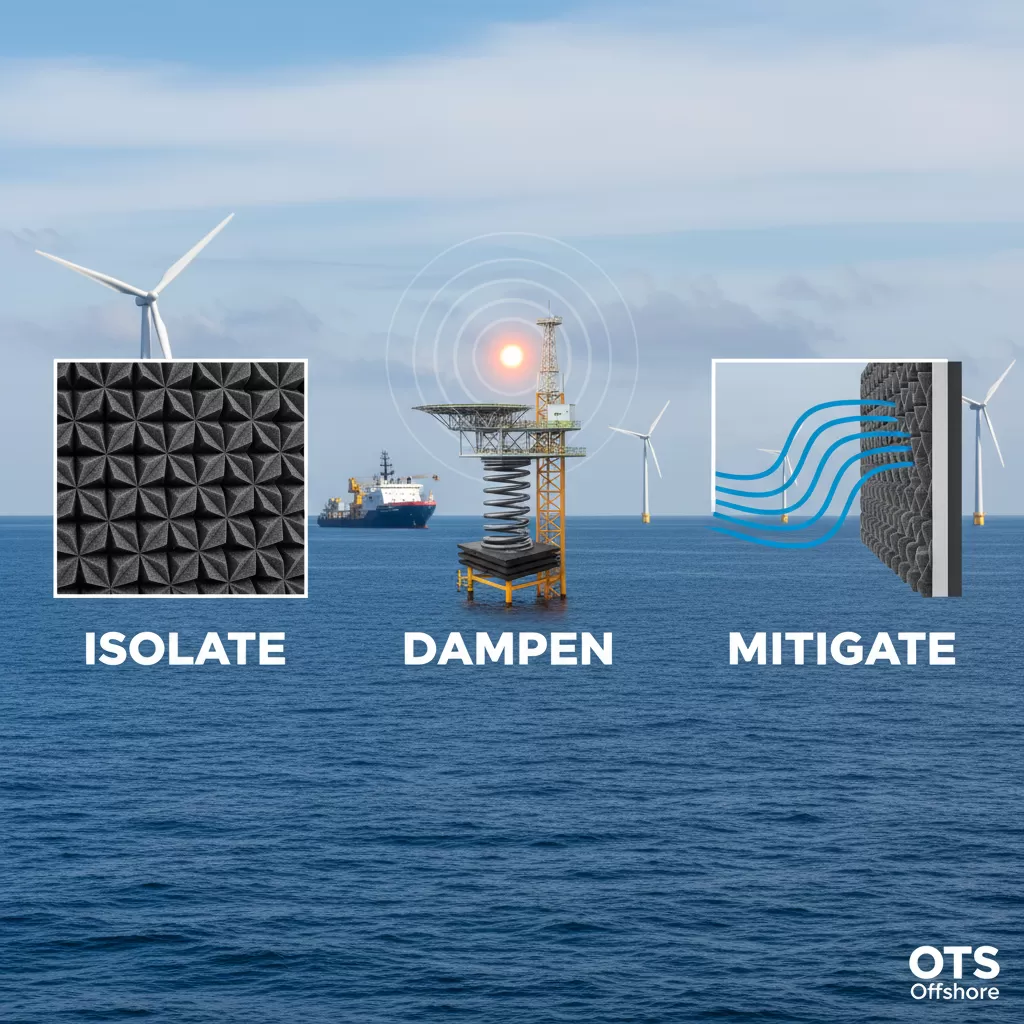
– Rigs with advanced waste management systems, spill containment capabilities, and noise reduction technologies are increasingly preferred.
– Compliance with emissions standards and the potential for using cleaner energy sources for rig operations are becoming significant selection criteria.
Safety Systems and Protocols
– The rig’s safety equipment, including BOP systems, emergency shutdown procedures, fire suppression systems, and personnel safety features, must meet or exceed industry standards and regulatory requirements.
– The integrity of the rig’s structural components and its ability to withstand extreme weather events are crucial for preventing catastrophic accidents.
– Crew training, operational procedures, and the overall safety culture onboard the rig are integral components of risk assessment.
Regulatory Compliance
– Understanding and adhering to local, national, and international regulations governing drilling operations is fundamental.
– The chosen rig must be certified and approved by relevant authorities for operation in the specified geographical area.
– Compliance with permit requirements and environmental protection laws is a prerequisite for any drilling campaign.
Economic and Commercial Considerations: Balancing Performance and Cost
While technical feasibility is the cornerstone, the economic viability of Choosing Right Rig: cannot be ignored. A thorough cost-benefit analysis is essential.
Daily Rate and Operational Costs
– The daily operating rate of a rig is a significant cost factor, but it must be evaluated in conjunction with its expected performance, efficiency, and potential downtime.
– Associated operational costs, including fuel consumption, supplies, personnel, and maintenance, contribute to the overall economic picture.
Contract Terms and Flexibility
– The terms of the drilling contract, including duration, day rates, standby rates, and termination clauses, need careful review.
– The flexibility of the rig to adapt to changing well plans or unforeseen geological challenges can significantly impact project economics.
Mobilization and Demobilization Costs
– The costs associated with transporting the rig to and from the drilling location can be substantial, particularly for offshore units.
– The efficiency and speed of mobilization and demobilization directly affect project timelines and overall expenditure.
Risk Assessment and Contingency Planning
– Identifying potential risks associated with rig operations and developing robust contingency plans are crucial for managing unforeseen events and their associated costs.
– The selection of a rig with a proven track record and a strong safety performance record can help mitigate financial risks.
Technological Advancements and Future-Proofing: Looking Ahead
The oil and gas industry is constantly evolving, with technological advancements shaping the future of drilling operations. Incorporating these into the rig selection process ensures long-term value.
Automation and Digitalization
– Rigs equipped with advanced automation systems and digital monitoring capabilities can enhance drilling efficiency, improve accuracy, and reduce human error.
– The integration of real-time data analytics and remote monitoring systems allows for proactive decision-making and optimized performance.
Environmental Technology Integration
– The increasing focus on sustainability drives the development of rigs with lower emissions, reduced water usage, and improved waste management technologies.
– Exploration of alternative energy sources for rig power, such as hybrid systems or renewable energy integration, is becoming more prevalent.
Adaptability for Future Reservoir Targets
– When developing a field, it’s prudent to consider the potential for future exploration or the development of deeper or more challenging reservoir zones.
– Choosing a rig with sufficient capacity and modularity can provide the flexibility to adapt to evolving field development plans without requiring a complete rig replacement.
The process of Choosing Right Rig: is a complex, multi-faceted endeavor that demands a deep understanding of reservoir geology, rig technology, operational logistics, stringent HSE standards, and economic realities. By meticulously evaluating these technical factors, oil and gas operators can make informed decisions that lead to safe, efficient, and profitable field development, ensuring the responsible extraction of valuable energy resources.