

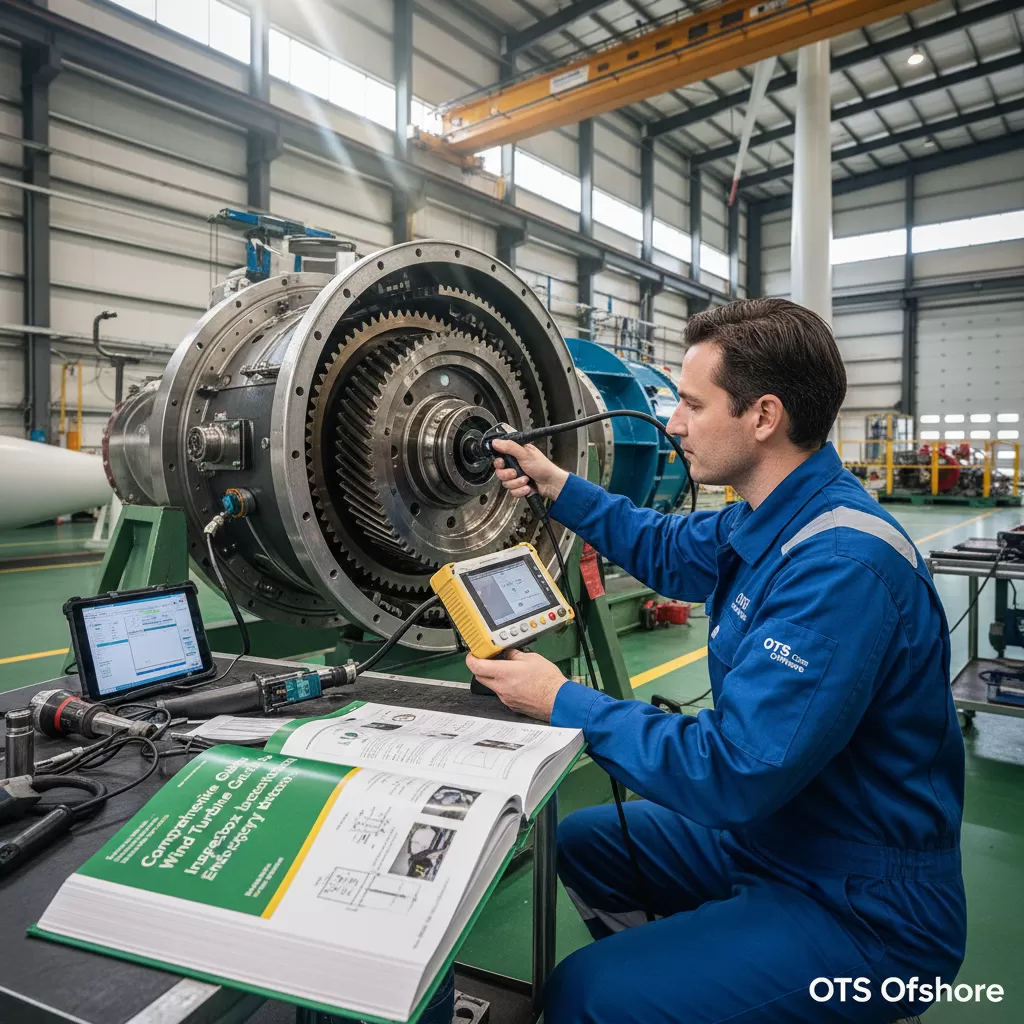
A Comprehensive Guide to Wind Turbine Gearbox Inspection using Endoscopy provides a detailed overview of leveraging advanced endoscopic techniques for the proactive maintenance of critical wind turbine gearbox components. This method ensures early detection of potential failures, minimizing costly downtime and maximizing operational efficiency in the renewable energy sector.
Comprehensive Guide to Wind Turbine Gearbox Inspection using Endoscopy
The operational integrity of wind turbines is paramount to the success of renewable energy generation. At the heart of this intricate machinery lies the gearbox, a complex component responsible for converting the slow rotation of the rotor blades into the high-speed rotation required by the generator. The reliability of this gearbox is directly correlated with the overall performance and lifespan of the wind turbine. A significant challenge in maintaining gearbox health is the inherent difficulty in accessing internal components for routine inspection. Traditional methods often involve extensive dismantling, leading to substantial downtime and increased maintenance costs. This is where advanced inspection techniques, particularly endoscopy, have emerged as a transformative solution. This Comprehensive Guide to Wind Turbine Gearbox Inspection using Endoscopy delves into the critical aspects of employing this non-destructive method to ensure the longevity and efficiency of wind turbine gearboxes. By embracing such technologies, operators can move from reactive repairs to proactive maintenance strategies, thereby safeguarding investments and optimizing energy output.
The Critical Role of Gearbox Inspection in Wind Turbine Uptime
Gearboxes in wind turbines operate under immense stress, subjected to variable loads, extreme temperatures, and environmental contaminants. These conditions can lead to a variety of wear and tear mechanisms, including pitting, scuffing, spalling, and fatigue. Failure of a gearbox can result in catastrophic damage, leading to prolonged turbine downtime, expensive component replacement, and significant revenue loss. Therefore, regular and effective inspection is not merely a maintenance task; it is a strategic imperative for maintaining operational uptime and profitability in the competitive renewable energy landscape. Early detection of nascent damage allows for targeted interventions before minor issues escalate into major failures. A Comprehensive Guide to Wind Turbine Gearbox Inspection using Endoscopy highlights how this proactive approach directly contributes to reduced operational expenditures and enhanced turbine availability.
Understanding Common Gearbox Failure Modes
To effectively conduct inspections, a thorough understanding of potential failure modes is essential. These can be broadly categorized into several key areas:
– Gear tooth damage: This includes surface distress like scuffing and scoring, as well as subsurface fatigue leading to pitting and spalling. Tooth breakage, though less common, is also a severe form of failure.
– Bearing failures: Bearings, crucial for supporting rotating shafts, are susceptible to wear, corrosion, and lubricant breakdown. Common issues include brinelling, frosting, and fatigue spalling.
– Seal degradation: Leaking seals can lead to lubricant contamination and loss, exacerbating wear on other components.
– Shaft and housing issues: Cracks, fretting, and corrosion can affect the integrity of shafts and the gearbox housing itself.
– Lubricant-related problems: Contaminated or degraded lubricant is a primary contributor to many of the aforementioned issues.
Identifying these early signs through meticulous inspection is the cornerstone of preventing widespread damage and ensuring a Comprehensive Guide to Wind Turbine Gearbox Inspection using Endoscopy is successful.
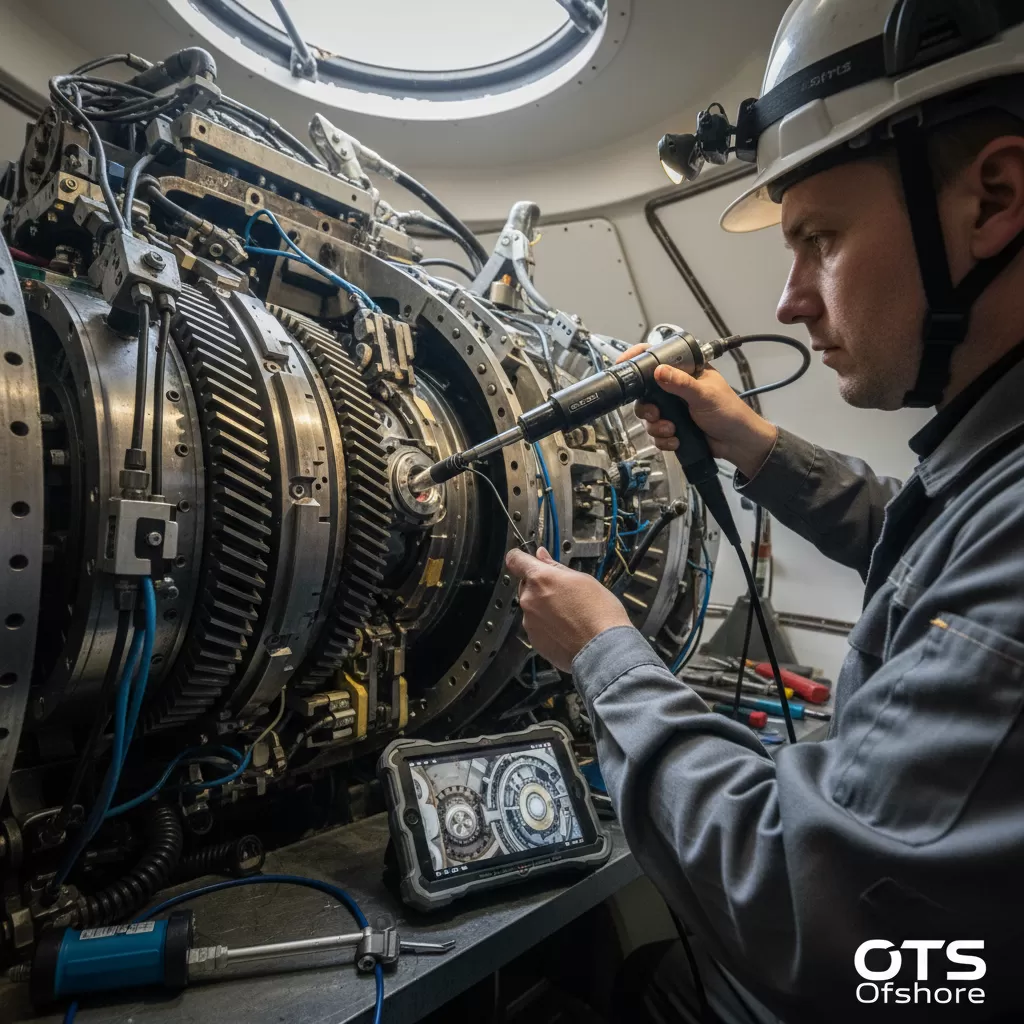
Introducing Endoscopic Inspection: A Powerful Diagnostic Tool
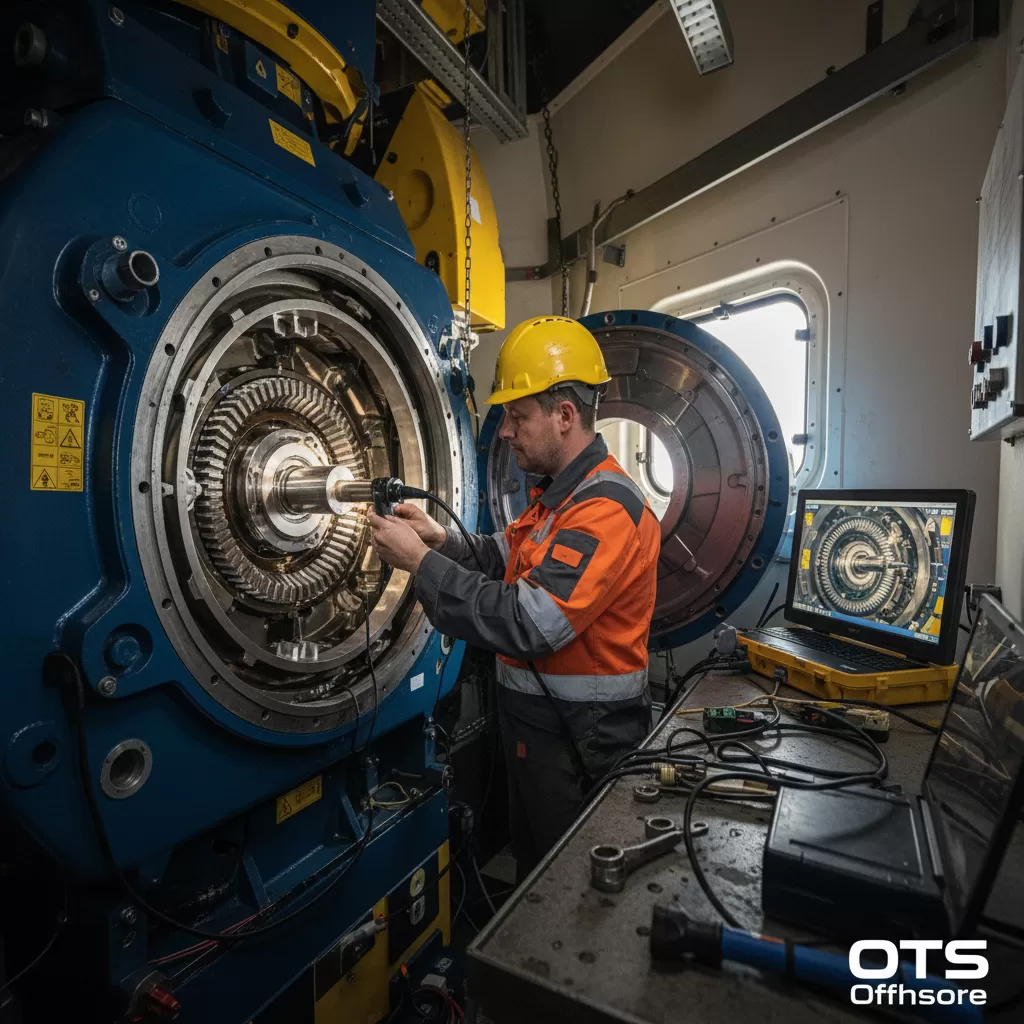
Endoscopy, in the context of wind turbine gearboxes, involves the use of a flexible or rigid tube equipped with a light source and a camera. This allows for direct visual inspection of internal components without the need for significant disassembly. The images and video captured by the endoscope provide invaluable real-time data on the condition of gears, bearings, shafts, and other internal parts. Modern borescopes and videoscopes offer high-resolution imaging, articulating heads for maneuverability, and the capability to record data for later analysis and historical comparison. This technology democratizes access to internal conditions, making it a vital component of any Comprehensive Guide to Wind Turbine Gearbox Inspection using Endoscopy.
The Mechanics of Endoscopic Inspection
The process typically involves identifying suitable access points into the gearbox housing. These can include drain plugs, fill ports, or dedicated inspection ports. Once the endoscope is carefully inserted, the technician navigates it through the internal cavities, systematically examining critical areas. The camera transmits live video feed to a monitor, allowing the inspector to identify abnormalities. Advanced systems may also incorporate measurement tools, allowing for precise quantification of defects. The ability to reach normally inaccessible areas with minimal disruption is a key advantage, making this method highly efficient.
Benefits of Endoscopic Inspection for Wind Turbine Gearboxes
The adoption of endoscopic inspection methodologies offers a multitude of advantages, significantly enhancing the maintenance strategies for wind turbine gearboxes. This forms a crucial part of any Comprehensive Guide to Wind Turbine Gearbox Inspection using Endoscopy.
– Early Detection of Defects: The primary benefit is the ability to identify subtle signs of wear or damage in their nascent stages, often before they become visually apparent through other means or manifest as performance degradation.
– Reduced Downtime: By avoiding extensive disassembly, endoscopic inspections drastically reduce the time required for maintenance checks, thereby minimizing turbine downtime and associated revenue loss.
– Cost Savings: Lower downtime translates directly into cost savings. Furthermore, preventing catastrophic failures through early detection is significantly more economical than dealing with the aftermath of a complete gearbox breakdown.
– Enhanced Safety: Minimizing the need for personnel to enter confined or hazardous spaces within the gearbox housing improves overall safety during maintenance operations.
– Improved Maintenance Planning: The detailed visual data obtained from endoscopic inspections allows for more accurate and predictive maintenance planning, ensuring that resources are allocated efficiently.
– Objective Data for Decision Making: High-quality images and videos provide objective evidence of the gearbox’s condition, supporting informed decisions regarding repair, replacement, or continued operation.
Quantifying the Economic Impact
The economic benefits are substantial. Studies have shown that a single catastrophic gearbox failure can cost upwards of $250,000 to $500,000 in repairs and lost revenue. Conversely, a comprehensive endoscopic inspection might cost a fraction of this, with a clear return on investment. This financial advantage solidifies the importance of this technique within a Comprehensive Guide to Wind Turbine Gearbox Inspection using Endoscopy.
Best Practices for Effective Endoscopic Gearbox Inspection
To maximize the effectiveness of endoscopic inspections, adherence to established best practices is crucial. This section of our Comprehensive Guide to Wind Turbine Gearbox Inspection using Endoscopy outlines key considerations for achieving optimal results.
Pre-Inspection Preparations
– Equipment Selection: Choose an appropriate borescope or videoscope based on the gearbox size, required articulation, and lighting conditions. High-definition cameras and articulating tips are highly recommended.
– Access Point Identification: Thoroughly research the specific gearbox model to identify the most suitable and safe access points for insertion.
– Cleaning: Ensure the access point and immediate surrounding area are clean to prevent contamination of the gearbox internals.
– Safety Protocols: Adhere to all site-specific safety procedures, including lockout/tagout if necessary, and ensure appropriate personal protective equipment (PPE) is used.
Inspection Procedure
– Systematic Coverage: Develop a methodical approach to cover all critical areas of the gearbox, including gear teeth, bearing races, shaft surfaces, and the internal housing.
– Lighting Optimization: Adjust the endoscope’s lighting to achieve optimal visibility without causing glare or obscuring details.
– Image and Video Capture: Record high-resolution images and video of all inspected areas, paying close attention to any anomalies. Tagging these captures with location and time data is essential.
– Documentation: Maintain detailed logs of the inspection, including date, time, technician, equipment used, and any observations made.
Post-Inspection Analysis and Reporting
– Expert Review: Have the captured images and videos reviewed by experienced technicians or engineers with a deep understanding of gearbox failure modes.
– Defect Classification: Categorize any identified defects based on their severity and potential impact on gearbox performance.
– Trend Analysis: Compare current inspection data with historical records to identify any developing trends or changes in the gearbox’s condition over time. This is a vital part of a Comprehensive Guide to Wind Turbine Gearbox Inspection using Endoscopy.
– Maintenance Recommendations: Based on the analysis, provide clear and actionable recommendations for maintenance, repair, or replacement.
Leveraging Advanced Endoscopic Technologies
Modern advancements in endoscopic technology offer even greater diagnostic capabilities. These include:
– High-definition (HD) and Ultra-High-Definition (UHD) cameras: Provide unparalleled image clarity, allowing for the detection of minute surface defects.
– Articulating and multi-articulating scopes: Offer enhanced maneuverability, enabling access to complex internal geometries.
– Integrated measurement tools: Allow for precise measurement of defect dimensions, aiding in the assessment of their severity.
– Fluorescence imaging: Can be used to detect specific types of wear or contamination that are not visible under normal lighting conditions.
– Ultrasonic testing integration: Some advanced probes combine visual inspection with ultrasonic testing capabilities for a more comprehensive analysis.
Case Studies and Real-World Applications
Illustrative case studies underscore the practical value of endoscopic inspections in enhancing wind turbine gearbox reliability. A hypothetical example might involve a turbine experiencing subtle increases in vibration. Traditional methods might not yield immediate insights. However, an endoscopic inspection reveals early-stage pitting on a specific gear tooth. Armed with this visual evidence, maintenance teams can schedule a targeted repair of that particular gear before the pitting progresses to spalling, which could compromise the entire gear set and lead to significantly higher repair costs and extended downtime. This proactive intervention, facilitated by detailed insights from the inspection, is a hallmark of effective asset management and a testament to the power of a Comprehensive Guide to Wind Turbine Gearbox Inspection using Endoscopy. Another scenario could involve the detection of minute metal particles in the lubricant, which, when correlated with visual evidence from the endoscope showing fretting on a bearing surface, alerts technicians to a developing bearing issue requiring prompt attention.
Predictive Maintenance Through Endoscopic Data
The data gathered from successive endoscopic inspections forms the bedrock of a robust predictive maintenance program. By tracking the progression of wear and tear over time, operators can predict potential failure points and schedule maintenance proactively. This shifts the maintenance paradigm from a time-based or condition-based approach to a truly predictive one, optimizing resource allocation and minimizing unexpected breakdowns. This continuous improvement loop is a key takeaway from any Comprehensive Guide to Wind Turbine Gearbox Inspection using Endoscopy.
Challenges and Limitations in Endoscopic Inspection
While highly effective, endoscopic inspection is not without its challenges. Understanding these limitations is crucial for setting realistic expectations and ensuring the technique is applied appropriately.
– Access Limitations: In some gearbox designs, access ports may be limited or difficult to reach, restricting the scope of inspection.
– Contamination Issues: Oily or dirty internal surfaces can obscure visual inspection, requiring thorough cleaning before effective assessment.
– Interpretation Expertise: Accurate interpretation of endoscopic findings requires significant expertise in gearbox mechanics and failure analysis.
– Initial Investment: High-quality endoscopic equipment represents a significant initial investment.
Mitigating Challenges for Optimal Results
To overcome these limitations, a strategic approach is recommended. Thorough planning, including detailed gearbox design review and consultation with equipment manufacturers, can identify optimal access points. Advanced cleaning techniques and illumination settings can improve visibility in contaminated environments. Investing in comprehensive training for inspection personnel is paramount for accurate defect identification and interpretation. When applied judiciously, and with a full understanding of its capabilities and limitations, endoscopy remains an indispensable tool. This comprehensive understanding is central to a valuable Comprehensive Guide to Wind Turbine Gearbox Inspection using Endoscopy.
The Future of Wind Turbine Gearbox Inspection
The evolution of diagnostic technologies continues to push the boundaries of what is possible in wind turbine maintenance. The future likely holds further integration of artificial intelligence (AI) and machine learning (ML) with endoscopic imaging. AI algorithms could be trained to automatically identify and classify common defects from video feeds, significantly speeding up the analysis process and reducing the potential for human error. Furthermore, advancements in robotics and remote inspection could enable automated inspection routines, allowing for more frequent and less intrusive checks. These innovations promise to further enhance the efficiency and effectiveness of gearbox maintenance, making it an even more integral part of ensuring the reliability of renewable energy infrastructure. The ongoing development in this field reinforces the importance of staying abreast of the latest technological integrations, a perspective essential for any forward-thinking Comprehensive Guide to Wind Turbine Gearbox Inspection using Endoscopy.