

This article delves into the intricate design and application of shallow water geological drilling rigs and associated equipment. It explores the unique challenges and specialized solutions required for exploration and production in these environmentally sensitive and operationally distinct marine environments. Understanding these aspects is crucial for efficient resource development.
Design and Application of Shallow Water Geological Drilling Rigs and Equipment: Navigating Subsurface Frontiers
The Design Application Shallow of exploration and production infrastructure in nearshore and continental shelf regions presents a distinct set of engineering and operational complexities. Unlike deepwater or onshore operations, shallow water environments demand specialized rigs and equipment that balance operational efficiency, environmental stewardship, and cost-effectiveness. This article provides an in-depth exploration of the fundamental design principles, key equipment considerations, and the diverse applications of these critical assets within the global oil and gas industry. The Focus Keyword ‘Design Application Shallow’ is central to understanding the specialized nature of these operations.
The Unique Challenges of Shallow Water Drilling: A Deeper Dive
Shallow water environments, typically defined as areas with water depths ranging from a few meters to around 100-200 meters, harbor their own set of inherent challenges that significantly influence the design and application of drilling rigs and equipment. These challenges are multifaceted, encompassing environmental, logistical, and operational aspects. Understanding these nuances is paramount for successful and sustainable resource extraction. The ‘Design Application Shallow’ for these operations must proactively address these issues.
– Environmental Sensitivity: Shallow waters are often biologically rich and vital ecosystems. Drilling activities must adhere to stringent environmental regulations to minimize impacts on marine life, seabed habitats, and water quality. This necessitates the use of low-emission equipment, advanced spill prevention and containment systems, and meticulous operational planning to avoid disruption.
– Variable Seabed Conditions: The seabed in shallow water can vary considerably, from soft sediments to hard rock formations. This variability requires drilling rigs and equipment capable of adapting to diverse geological profiles and foundation requirements. Seabed surveys and geotechnical investigations are critical for selecting appropriate drilling platforms and anchoring systems.
– Weather and Sea State Limitations: Shallow waters are more susceptible to the impact of surface weather conditions, including waves, currents, and storms. Rig design must incorporate robust stability features, effective motion compensation systems, and the ability to withstand moderate sea states. Extended periods of adverse weather can lead to operational downtime, impacting project timelines and budgets.
– Logistical Constraints: Proximity to shore in shallow water can offer logistical advantages in terms of personnel transfer and supply delivery. However, it also means increased vessel traffic and potential interference with existing maritime activities such as fishing and shipping lanes. Efficient scheduling and communication are vital.
– Cost-Effectiveness: While capital costs for shallow water rigs may be lower than their deepwater counterparts, operational efficiency and minimizing downtime are crucial for economic viability. The ‘Design Application Shallow’ must therefore prioritize robust, reliable, and easily maintainable equipment.
Key Components and Design Considerations for Shallow Water Rigs
The Design Application Shallow of drilling rigs and associated equipment for shallow water operations is dictated by the need for stability, mobility, and operational versatility. The choice of rig type and the specific features incorporated are tailored to the particular project scope, water depth, and environmental conditions.
Jack-up Rigs: The Workhorses of Shallow Seas
Jack-up rigs are arguably the most prevalent type of mobile drilling unit employed in shallow water operations. Their fundamental design involves a buoyant hull equipped with legs that can be lowered to the seabed, elevating the platform above the water surface. This provides a stable drilling platform, largely independent of sea conditions.
– Hull Design: The hull of a jack-up rig is typically designed to be stable during transit and mobilization. It houses the drilling derrick, mud systems, accommodation, and other essential operational equipment. The size and configuration of the hull vary depending on the rig’s capacity and intended operational area.
– Leg Systems: The legs are a critical component, providing the elevation and stability. Common leg types include:
– Slot Leg: Legs with a framed structure that slides within a fixed slot on the hull.
– Chord Leg: Legs that are attached to the hull and extend downwards.
– Mat Jack-up: Legs attached to a large, buoyant mat that distributes the load over a wider seabed area, suitable for soft seabed conditions.
– Spud Cans: The lower extremities of the legs are fitted with spud cans, which are designed to penetrate the seabed and provide a stable foundation. The shape and size of the spud cans are engineered to suit different seabed types.
– Drilling Equipment: Jack-up rigs are equipped with standard drilling packages, including a derrick, drawworks, rotary table or top drive, mud pumps, blow-out preventers (BOPs), and cementing units. The scale of this equipment is generally commensurate with the expected drilling depths and well complexity.
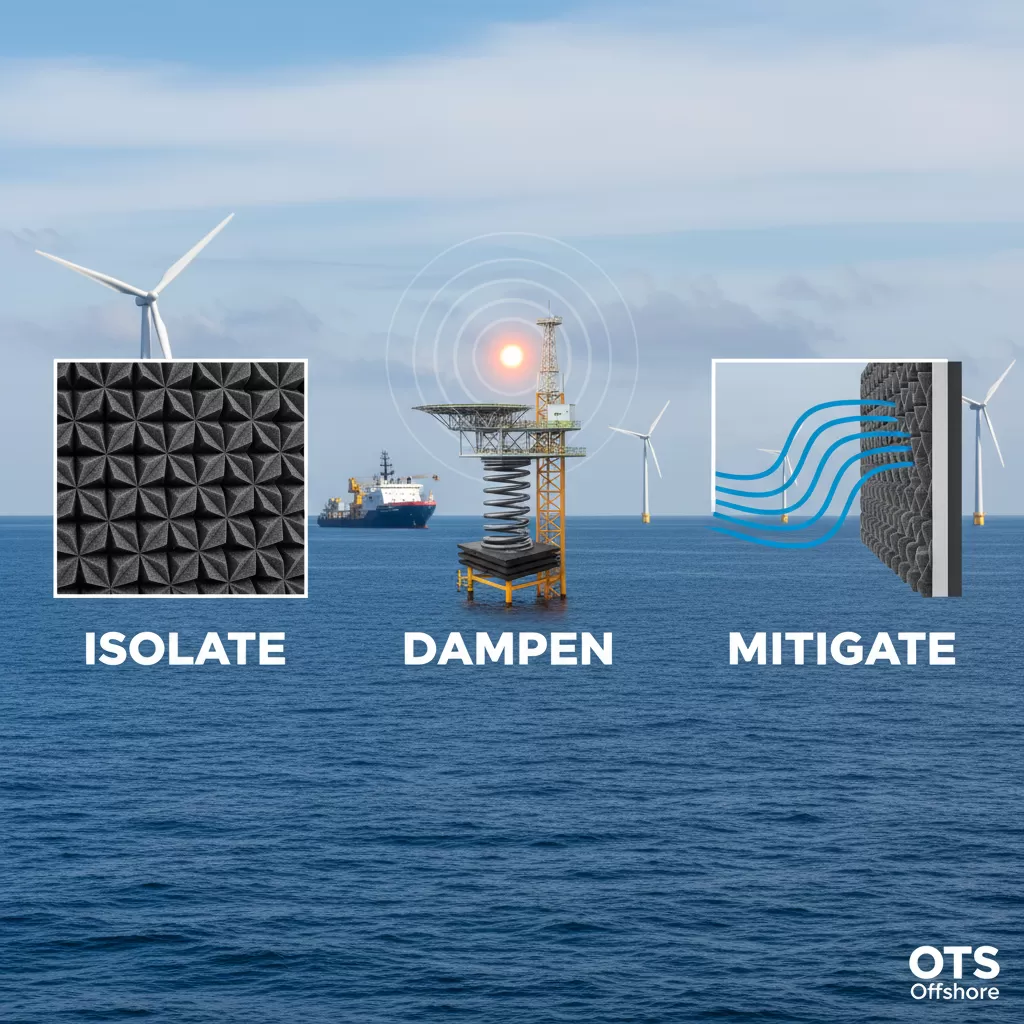
– Environmental Considerations: Modern jack-up designs often incorporate features to minimize environmental impact, such as enclosed mud systems, advanced waste management facilities, and noise reduction measures.
Platform Rigs: Fixed Solutions for Mature Fields
Platform rigs are permanently installed structures, typically comprising a jacket substructure fixed to the seabed and a topside module containing the drilling rig and production facilities. While not mobile, they are a crucial part of the ‘Design Application Shallow’ for long-term field development.
– Jacket Substructure: This lattice-like steel structure is designed to withstand environmental loads and transmit the weight of the topside to the seabed. Its design is highly dependent on water depth, seabed conditions, and anticipated environmental forces.
– Topsides Module: This houses the drilling rig, living quarters, power generation, and often initial processing facilities. The layout is optimized for operational efficiency and safety.
– Drilling Equipment: Similar to jack-ups, platform rigs are equipped with comprehensive drilling packages. However, the rig structure is an integral part of the overall platform design.
– Applications: Platform rigs are primarily used for developing offshore fields with long production lifespans, allowing for multiple wells to be drilled from a single location.
Barge Rigs and Workover Rigs: Specialized Applications
While less common for initial exploration in many shallow water areas, barge rigs and specialized workover rigs play significant roles.
– Barge Rigs: These are essentially drilling rigs mounted on a large, flat-bottomed barge. They are typically used in inland waters, calm bays, or very shallow offshore areas where they can be floated into position and then jacked up or stabilized with spuds. Their ‘Design Application Shallow’ is for less demanding environments.
– Workover Rigs: These rigs are specifically designed for performing maintenance, repair, or recompletion operations on existing wells. They are often smaller and more mobile than exploration rigs and are crucial for maximizing production from mature fields in shallow water.
Essential Equipment for Shallow Water Operations
Beyond the rig itself, a suite of specialized equipment is critical for the successful Design Application Shallow of geological drilling operations in shallow water.
– Drilling Tools:
– Drill Bits: Selection is based on rock formations, with types including roller cone bits for softer formations and PDC (Polycrystalline Diamond Compact) bits for harder strata.
– Drill String Components: Drill pipe, collars, and subs are standard, but considerations for corrosion resistance and fatigue life in a marine environment are important.
– Well Control Equipment:
– Blowout Preventers (BOPs): Essential safety devices to seal off the wellbore in case of a formation fluid influx. Different sizes and configurations are used depending on wellbore pressure and diameter.
– Choke and Kill Manifolds: Systems for controlling well pressure during drilling and in emergency situations.
– Mud Systems:
– Mud Pumps: Circulate drilling fluid (mud) to lubricate the bit, carry cuttings to the surface, and control formation pressure.
– Mud Tanks and Solids Control Equipment: For storing, treating, and recycling drilling mud.
– Lifting and Handling Equipment:
– Cranes: Essential for moving equipment and supplies onto the rig.
– Drawworks and Hoisting Systems: For running and retrieving drill pipe and casing.
– Subsea Equipment:
– Although many shallow water rigs are jacked up, some may utilize subsea wellheads and BOPs, especially in areas with significant tidal variations or where the seabed is too soft for direct leg support. The ‘Design Application Shallow’ can sometimes extend to semi-submersible or even small DP vessels for specific operations requiring subsea access.
– Support Vessels:
– Anchor Handling Tugs: For positioning and anchoring rigs.
– Supply Vessels: For transporting equipment, supplies, and personnel.
– Safety Vessels: For emergency response and crew evacuation.

Applications of Shallow Water Geological Drilling Rigs
The Design Application Shallow of these rigs and equipment spans a wide range of activities within the oil and gas sector, from initial exploration to ongoing production support.
– Exploration: The primary application is the exploration for new hydrocarbon reserves in shallow offshore areas. Jack-up rigs are widely used to drill exploration wells and appraise discoveries.
– Field Development: Once a discovery is deemed commercially viable, shallow water rigs are used to drill development wells to bring the field into production. Platform rigs become the focus for long-term development.
– Production Operations: Workover rigs are indispensable for maintaining and enhancing production from existing wells, including operations like well stimulation, artificial lift installation, and equipment replacement.
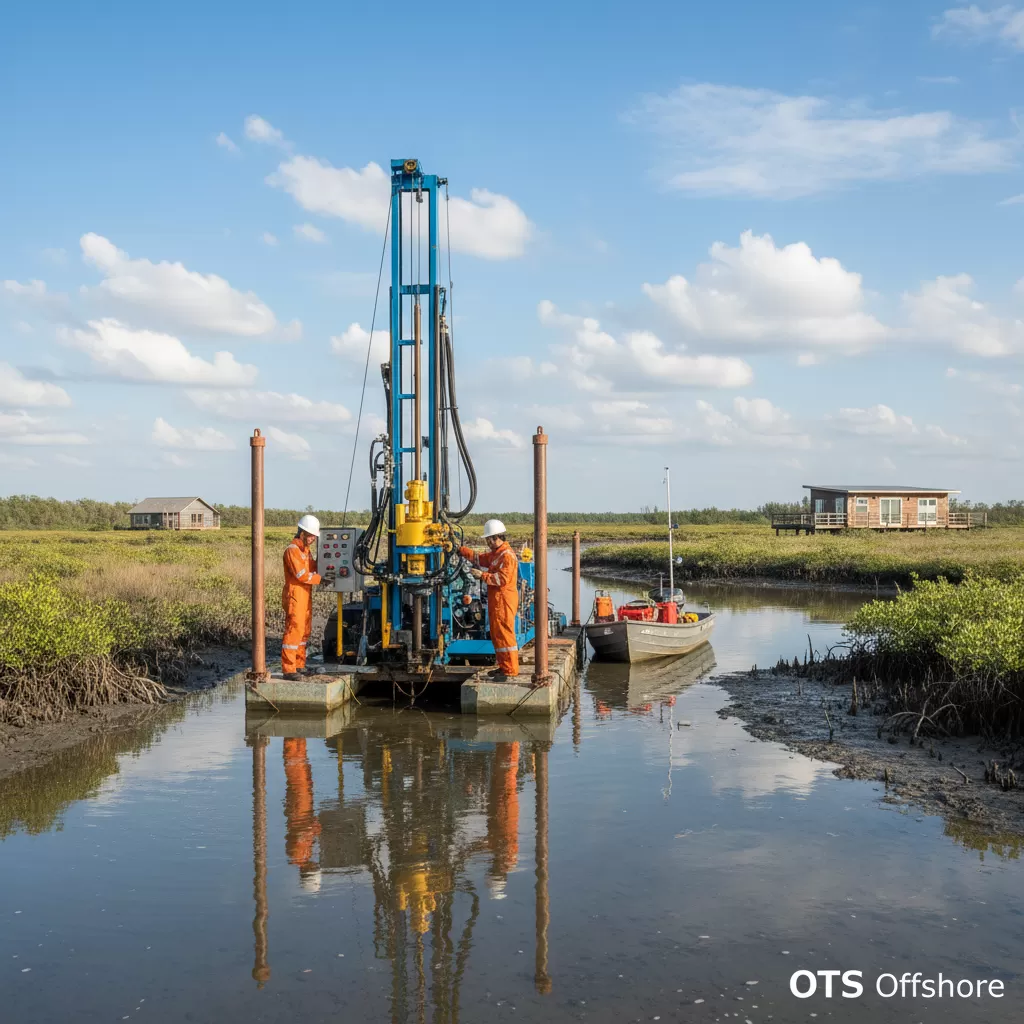
– Geological and Geotechnical Surveys: Specialized drilling rigs, often smaller and less complex than exploration rigs, are used for obtaining core samples and conducting geotechnical investigations to assess seabed stability for infrastructure development (e.g., pipelines, platforms).
– Environmental Monitoring and Remediation: Drilling technology can be adapted for shallow water environmental studies, such as coring for sediment analysis or installing monitoring equipment.
Innovations and Future Trends in Shallow Water Drilling
The drive for efficiency, cost reduction, and improved environmental performance continues to shape the evolution of shallow water drilling technology.
– Increased Automation and Digitalization: Integrating advanced automation and digital technologies can enhance operational efficiency, improve safety, and enable remote monitoring and control of drilling operations.
– Improved Environmental Performance: Development of more efficient mud systems, advanced waste treatment technologies, and reduced emission power generation are key areas of focus. The ‘Design Application Shallow’ is increasingly incorporating sustainability metrics.
– Enhanced Rig Mobility and Adaptability: Innovations in leg jacking systems and mooring technologies aim to improve the speed and ease of rig relocation and deployment, particularly in challenging seabed conditions.
– Integration with Renewable Energy: In some instances, existing shallow water platforms are being re-purposed or integrated with offshore wind farm infrastructure, demonstrating a shift in the ‘Design Application Shallow’ landscape.
The specialized nature of shallow water environments necessitates a meticulous approach to the Design Application Shallow of drilling rigs and equipment. From the robust stability of jack-ups to the long-term commitment of platform rigs, each technology is engineered to overcome unique challenges. As the energy sector continues to evolve, innovation will undoubtedly lead to even more efficient, cost-effective, and environmentally responsible solutions for harnessing resources in these vital marine regions.