

Designing Multi-Stage Gearboxes is a critical area of engineering for optimizing wind turbine performance across varying wind conditions. This article delves into the intricacies of creating robust and efficient multi-stage gearboxes specifically tailored for both low and high wind speed environments, ensuring maximum energy capture and operational longevity.
The Crucial Role of Designing Multi-Stage Gearboxes for Wind Turbines
The process of Designing Multi-Stage Gearboxes for wind turbines represents a cornerstone of modern renewable energy technology. These intricate mechanical systems are responsible for translating the slow, high-torque rotation of the rotor into the high-speed, low-torque rotation required by the electrical generator. The efficiency and reliability of the gearbox directly impact the overall energy output, operational lifespan, and economic viability of a wind turbine. As the global demand for clean energy intensifies, the sophistication and adaptation of gearbox design become paramount, especially when considering the diverse and often unpredictable nature of wind resources. Therefore, a deep understanding of the principles behind Designing Multi-Stage Gearboxes for both low and high wind speed applications is essential for engineers and stakeholders in the wind energy sector. This involves meticulous analysis of torque loads, rotational speeds, material science, lubrication strategies, and thermal management. The objective is to achieve a balance between mechanical strength, operational efficiency, and cost-effectiveness.
Understanding Wind Speed Variability and Its Impact on Gearbox Design
Wind speed is not a constant; it fluctuates significantly throughout the day, across seasons, and geographically. This variability presents a major challenge for wind turbine designers.
– Low wind speeds: In these conditions, the rotor turns slowly, generating relatively low torque. The gearbox must be designed to efficiently transmit this low torque without introducing excessive losses. Insufficient torque transmission can lead to a turbine failing to reach its cut-in speed, meaning it won’t generate any power. The design must prioritize sensitivity and low-speed efficiency.
– High wind speeds: Conversely, during strong gusts or sustained high winds, the rotor experiences high torque. The gearbox must be robust enough to handle these extreme loads without mechanical failure. Over-speccing for high winds can lead to an unnecessarily heavy and expensive gearbox, reducing overall efficiency in moderate conditions.
– Transitional wind speeds: The majority of a turbine’s operational life is spent in moderate wind conditions. The gearbox design needs to be optimized for this range, ensuring consistent energy capture and minimizing wear and tear.
The Fundamental Principles of Multi-Stage Gearbox Operation
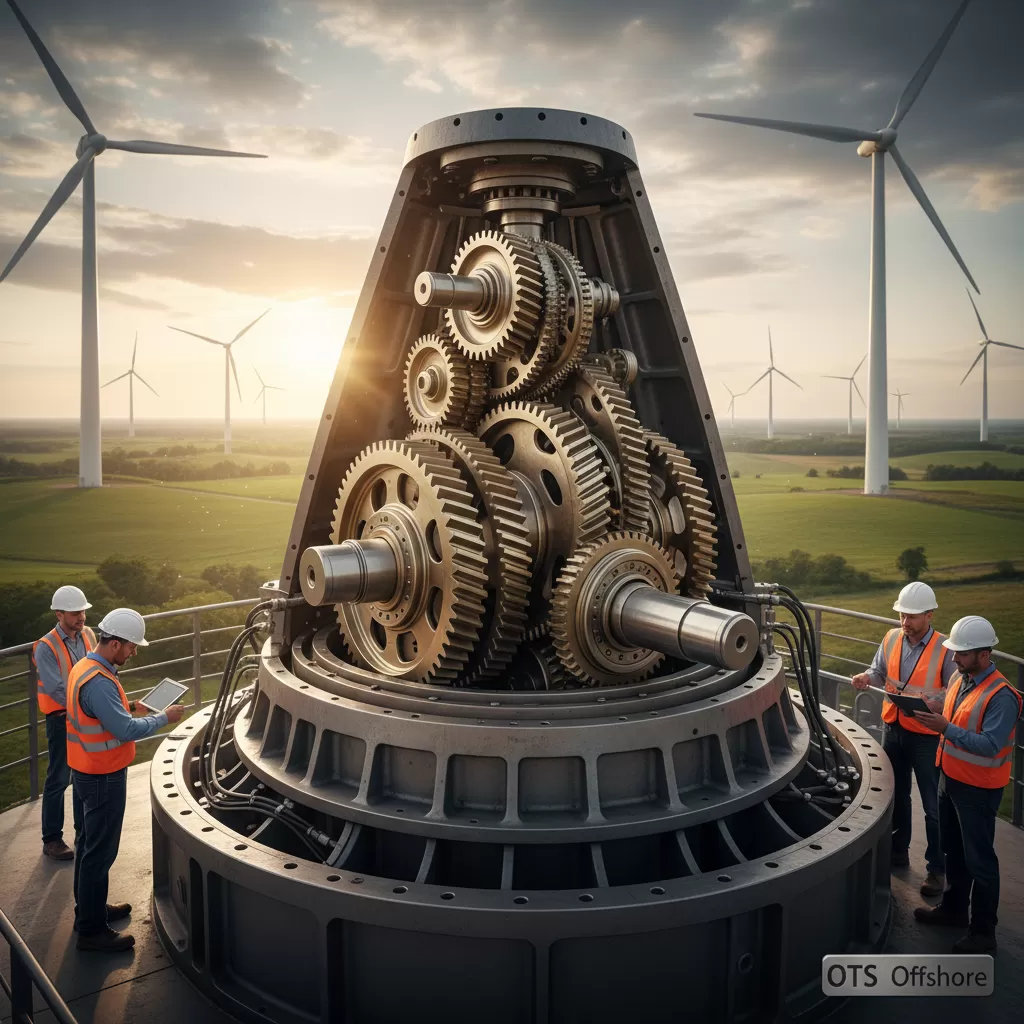
A multi-stage gearbox utilizes multiple gear sets to achieve the desired speed increase. Each stage typically consists of a pinion gear driven by the previous stage and a larger gear wheel. This incremental increase in speed, while decreasing torque at each subsequent stage, allows for a significant overall speed increase from the low RPM of the rotor to the high RPM required by the generator.
– Stage 1: Connects to the low-speed shaft from the rotor. It is designed to handle the highest torque and lowest input speed.
– Intermediate stages: Each subsequent stage further increases the rotational speed and reduces the torque. The size and tooth count of gears in these stages are critical for achieving the target output speed.
– Final stage: Connects to the high-speed shaft of the generator. It operates at the highest speed and lowest torque within the gearbox.
The careful selection of gear ratios, tooth profiles, and bearing types across these stages is central to effective Designing Multi-Stage Gearboxes.
Key Design Considerations for Low Wind Speed Environments
Designing Multi-Stage Gearboxes for low wind speed sites requires a distinct approach focused on maximizing energy capture during periods of light winds. The primary goal is to achieve cut-in speed with minimal energy loss.
– Increased gear ratios: Higher overall gear ratios are often employed. This means a larger speed increase is needed from the rotor’s slow rotation to the generator’s required speed. This allows the rotor to start generating power at lower wind speeds.
– Optimized tooth design: Gear teeth are designed for high efficiency at lower speeds and torque. This might involve specific tooth profiles that minimize friction and power loss during meshing. Careful consideration is given to the contact ratio and pressure angles.
– Lightweight construction: While robustness is always important, for low wind speed applications, minimizing parasitic losses due to inertia and weight can be beneficial. This might involve the use of advanced materials.
– Advanced lubrication systems: Effective lubrication is crucial to minimize frictional losses, especially at lower speeds where heat generation might be less of a concern but drag is still a factor. Lubricant viscosity and delivery methods are carefully selected.
– Reduced internal friction: Every component within the gearbox contributes to frictional losses. Minimizing these losses through precise manufacturing, high-quality bearings, and optimized sealing is critical for efficient operation in low wind conditions.
The Challenge of Maintaining Efficiency in Low Wind Conditions
Achieving optimal efficiency at low wind speeds presents unique challenges. The torque is low, meaning even small losses can have a disproportionately large impact on overall power output.
– Bearing friction: Bearings are a significant source of friction. Selecting low-friction bearings and ensuring proper pre-load are vital.
– Gear meshing losses: Even with optimized tooth profiles, there are inherent losses during gear meshing due to friction and churning of lubricant.
– Windage losses: While less significant at very low speeds, air resistance within the gearbox can contribute to losses.
Adapting Designing Multi-Stage Gearboxes for High Wind Speed Environments
In contrast, Designing Multi-Stage Gearboxes for high wind speed sites prioritizes durability, load-bearing capacity, and thermal management. These turbines operate under significantly higher mechanical stresses.
– Robust gear design: Gears are designed with larger modules, wider faces, and stronger tooth profiles to withstand high torque and impact loads. Case hardening and advanced surface treatments are often applied to increase wear resistance.
– Enhanced bearing capacity: Bearings are selected to handle higher radial and axial loads. This may involve larger diameter bearings or different bearing types like double-row cylindrical roller bearings.
– Advanced cooling systems: High torque transmission generates significant heat. Effective cooling systems, such as oil coolers and fans, are essential to prevent overheating and material degradation. This is a critical aspect of Designing Multi-Stage Gearboxes for demanding conditions.
– Torque limiting mechanisms: While not always part of the primary gearbox design, features like pitch control and braking systems are crucial for managing excessive torque and preventing gearbox damage during extreme wind events.
– Material selection: High-strength steels and alloys are used for gears and shafts to ensure structural integrity under high stress.
Managing Extreme Loads and Thermal Stress in High Wind Scenarios
The primary concern in high wind speed environments is preventing mechanical failure due to excessive loads and the heat generated by them.
– Fatigue life: Gears and shafts must be designed for a long fatigue life under repeated high-stress cycles.
– Thermal expansion: Differential thermal expansion of components can lead to increased stress and potential seizure. Design must account for this.
– Lubricant degradation: High temperatures can degrade lubricant performance, reducing its ability to protect gears and bearings.
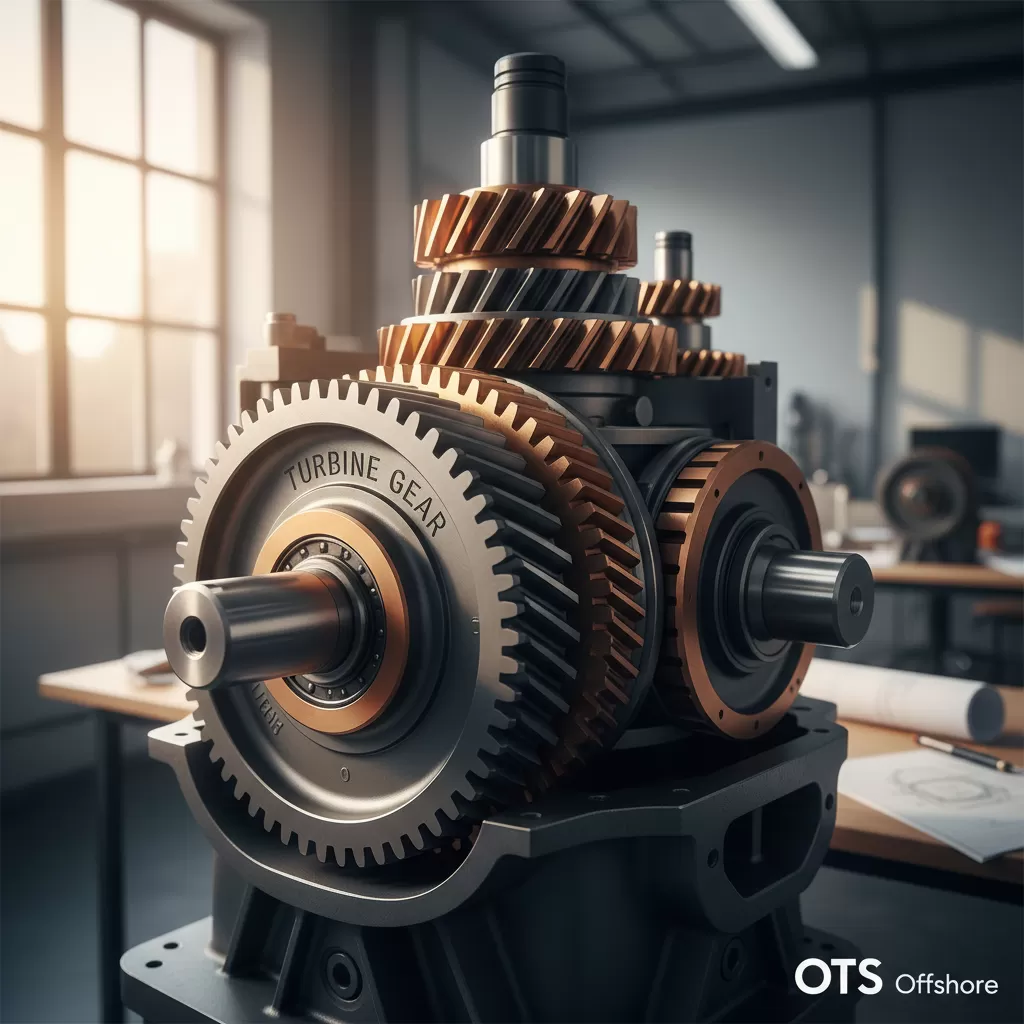
Innovative Solutions in Designing Multi-Stage Gearboxes
The field of Designing Multi-Stage Gearboxes is continuously evolving, with engineers exploring innovative solutions to enhance performance and reliability.
– Hybrid designs: Some designs incorporate elements of planetary and parallel shaft gearing to optimize for specific torque and speed profiles.
– Advanced materials: The use of materials like high-strength steel alloys, composite materials, and advanced coatings is improving durability and reducing weight.
– Condition monitoring systems: Integrated sensors that monitor vibration, temperature, and oil quality provide early warnings of potential issues, allowing for predictive maintenance and preventing catastrophic failures.
– Optimized lubrication strategies: Novel lubrication techniques, such as pressurized oil circulation systems and specialized synthetic lubricants, are being developed to improve cooling and reduce wear.
– Integrated gearbox-generator units: Some manufacturers are exploring the integration of the gearbox and generator into a single unit, which can simplify design and potentially improve efficiency.
The Role of Simulation and Modeling in Designing Multi-Stage Gearboxes
Sophisticated computational tools play a vital role in modern Designing Multi-Stage Gearboxes.
– Finite Element Analysis (FEA): Used to analyze stress distribution, deformation, and fatigue life of gear teeth, shafts, and housings under various load conditions.
– Computational Fluid Dynamics (CFD): Employed to model lubricant flow, heat transfer, and windage losses within the gearbox, aiding in the design of efficient cooling and lubrication systems.
– Multi-body dynamics simulations: These simulations help to understand the complex interactions between different components, including gear meshing, bearing dynamics, and shaft deflections, under dynamic operating conditions.
– Reliability and risk analysis: Probabilistic models are used to assess the likelihood of failure and to optimize designs for maximum reliability over the turbine’s lifespan.
Specific Gear Types and Their Application in Multi-Stage Designs
The choice of gear type significantly influences the performance characteristics of a multi-stage gearbox.
– Helical gears: These are widely used due to their high load-carrying capacity and smooth, quiet operation. Their angled teeth engage gradually, reducing shock loads.
– Double helical (herringbone) gears: Offer excellent load sharing and torque distribution, counteracting axial thrust. This makes them suitable for very high-power applications.
– Planetary gears: Known for their compact size and high torque density. They are often used in the first or intermediate stages of large wind turbines, providing significant gear reduction in a small volume. The load is distributed among multiple planet gears, reducing stress on individual components.
– Spur gears: While simpler and less expensive, spur gears are generally not suitable for the high-power, high-speed applications found in large wind turbines due to lower load capacity and higher noise levels. They might be found in smaller auxiliary systems.
The Significance of Gear Tooth Geometry and Surface Treatment
The precise geometry of gear teeth and their surface treatments are critical for optimizing efficiency and durability in Designing Multi-Stage Gearboxes.
– Tooth profile: The involute tooth profile is standard, but variations like tip relief and root modifications are employed to reduce stress concentrations and improve meshing characteristics under dynamic loading.
– Tooth hardening and surface treatments: Processes like carburizing, nitriding, and induction hardening increase the surface hardness of the gear teeth, improving wear resistance and fatigue strength. Shot peening can also introduce compressive residual stresses at the root of the teeth, enhancing fatigue life.
– Surface finish: A high-quality surface finish reduces friction and lubricant churning losses.
Lubrication and Cooling: The Lifeblood of Wind Turbine Gearboxes
Effective lubrication and cooling are paramount for the longevity and performance of any gearbox, especially those in wind turbines subjected to harsh operating environments and fluctuating loads.
– Lubricant selection: The choice of lubricant depends on operating temperatures, loads, and speeds. Synthetic lubricants are often preferred for their superior thermal stability, viscosity index, and extreme pressure (EP) additive properties.
– Lubrication systems:
– Splash lubrication: Suitable for lower speed stages where gears churn the oil.
– Forced lubrication: Essential for high-speed stages or when oil cooling is required. This involves pumps to circulate oil through filters and coolers to the bearings and gear meshes.
– Cooling mechanisms:
– Oil coolers: Heat exchangers (air-to-oil or water-to-oil) are integrated into the lubrication system to dissipate heat generated by friction.
– Internal cooling: Some designs incorporate channels within shafts or housings to facilitate oil flow and cooling.
– Housing design: The gearbox housing itself can be designed with fins or other features to enhance heat dissipation.
The Interplay Between Lubrication, Temperature, and Gearbox Life
An insufficient or degraded lubrication system leads to increased friction, higher operating temperatures, and accelerated wear. Conversely, effective lubrication and cooling maintain optimal operating temperatures, minimizing thermal degradation of the lubricant and the gearbox materials, thereby extending the service life of the gearbox.
Challenges in Designing Multi-Stage Gearboxes for Extreme Climates
Designing Multi-Stage Gearboxes for operation in extreme climates introduces additional complexities.
– Arctic conditions: Extremely low temperatures can lead to lubricant solidification or embrittlement of materials, requiring specialized low-temperature lubricants and materials.
– Desert environments: High ambient temperatures can exacerbate cooling challenges, and fine dust particles can cause abrasive wear if sealing is inadequate.
– Offshore environments: Saltwater corrosion is a significant concern, necessitating protective coatings and materials resistant to marine environments.
Reliability and Maintenance Strategies for Diverse Wind Turbine Applications
Ensuring long-term reliability in Designing Multi-Stage Gearboxes involves robust design and proactive maintenance.
– Predictive maintenance: Utilizing condition monitoring data to anticipate potential failures and schedule maintenance before they occur.
– Scheduled maintenance: Regular inspections, oil changes, and filter replacements based on operational hours or performance data.
– Modular design: Facilitates easier replacement of components or entire gearbox units, minimizing downtime.
– Robust sealing systems: Critical for preventing ingress of contaminants and maintaining lubricant integrity.
The continuous refinement of Designing Multi-Stage Gearboxes for wind turbines, from material science to advanced lubrication and cooling, is essential for the ever-expanding role of wind energy in the global power landscape.