

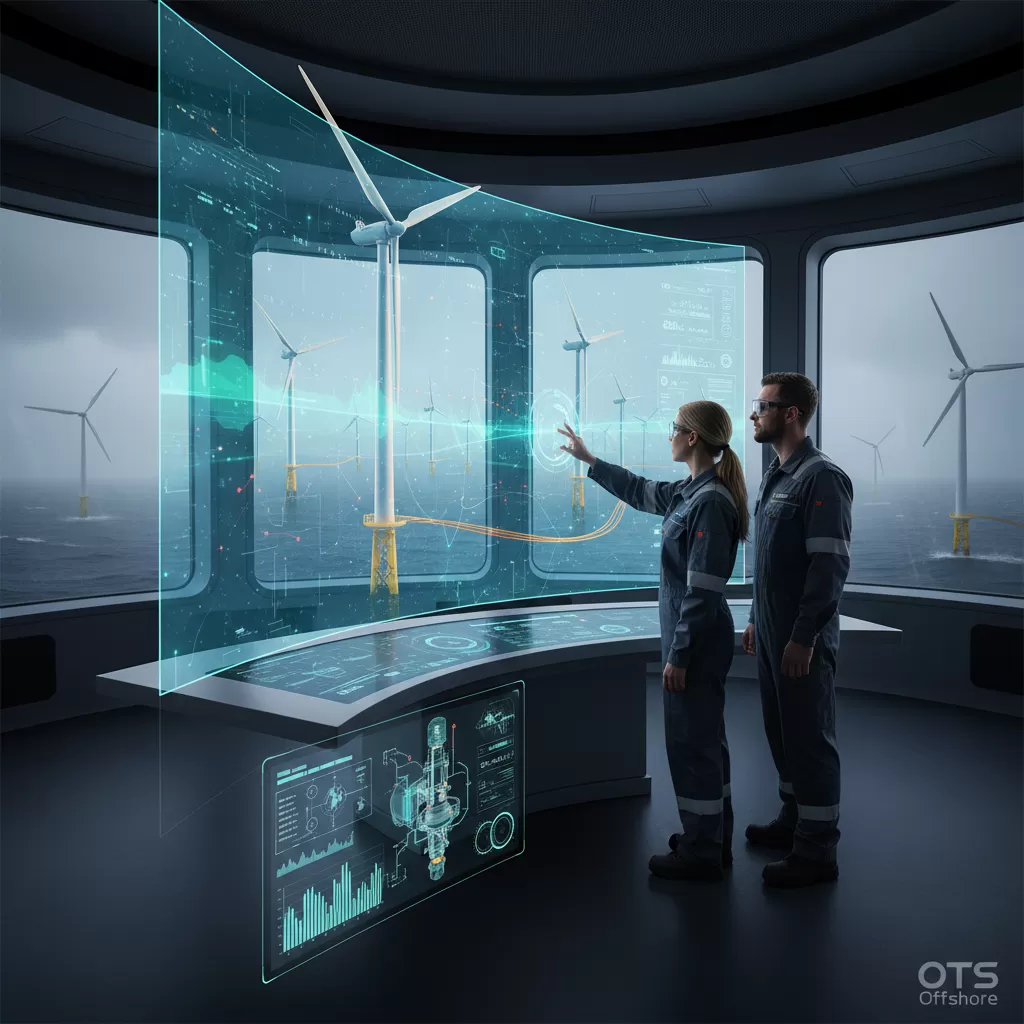
Digital Twin Technology is revolutionizing offshore wind farm operations by enabling advanced remote asset integrity management (AIM). This technology allows for real-time monitoring, predictive maintenance, and optimized performance of critical offshore assets, significantly reducing downtime and operational costs in a challenging marine environment.
The Transformative Impact of Digital Twin Technology for Remote Asset Integrity Management in Offshore Wind
The offshore wind energy sector is experiencing unprecedented growth, driven by global decarbonization efforts. However, the harsh marine environment and the sheer scale of offshore wind farms present significant challenges for asset integrity management (AIM). Traditional methods often rely on scheduled inspections and reactive maintenance, leading to costly downtime, potential safety hazards, and suboptimal performance. This is where Digital Twin Technology emerges as a game-changer, offering a paradigm shift in how offshore wind assets are monitored, maintained, and optimized. A digital twin, in essence, is a dynamic virtual replica of a physical asset, process, or system. For offshore wind turbines, this virtual representation is fed with real-time data from a myriad of sensors installed across the turbine, subsea structures, and associated infrastructure. This continuous data stream, encompassing everything from wind speed and direction to blade pitch, gearbox temperature, and structural stress, allows the digital twin to mirror the physical asset’s current state with remarkable accuracy.
The strategic implementation of Digital Twin Technology for remote AIM is not merely an incremental improvement; it represents a fundamental enhancement in operational efficiency, safety, and economic viability for the offshore wind industry. By providing an immersive, data-rich, and predictive view of assets, digital twins empower operators to make proactive decisions, mitigate risks, and ensure the long-term health and performance of their valuable infrastructure. This advanced approach moves beyond mere monitoring to true, intelligent management, facilitating a more sustainable and profitable future for offshore wind energy. The ability to diagnose issues remotely, simulate operational scenarios, and predict failures before they occur translates directly into significant cost savings and operational uptime.
Understanding Digital Twin Technology in the Offshore Wind Context
A digital twin for an offshore wind turbine is far more than a static 3D model. It’s a living, breathing digital entity that evolves alongside its physical counterpart. The core of this technology lies in the sophisticated integration of data from various sources. This includes:
– SCADA (Supervisory Control and Data Acquisition) systems, which provide operational parameters like power output, wind speed, and component status.
– Condition monitoring systems (CMS) that detect vibrations, temperature anomalies, and other indicators of wear and tear in critical components like gearboxes and bearings.
– Structural health monitoring (SHM) sensors, including strain gauges and accelerometers, to assess the integrity of the turbine tower, blades, and foundation under dynamic loads.
– Environmental sensors measuring wave height, current speed, and atmospheric conditions, which directly influence the operational stresses on the assets.
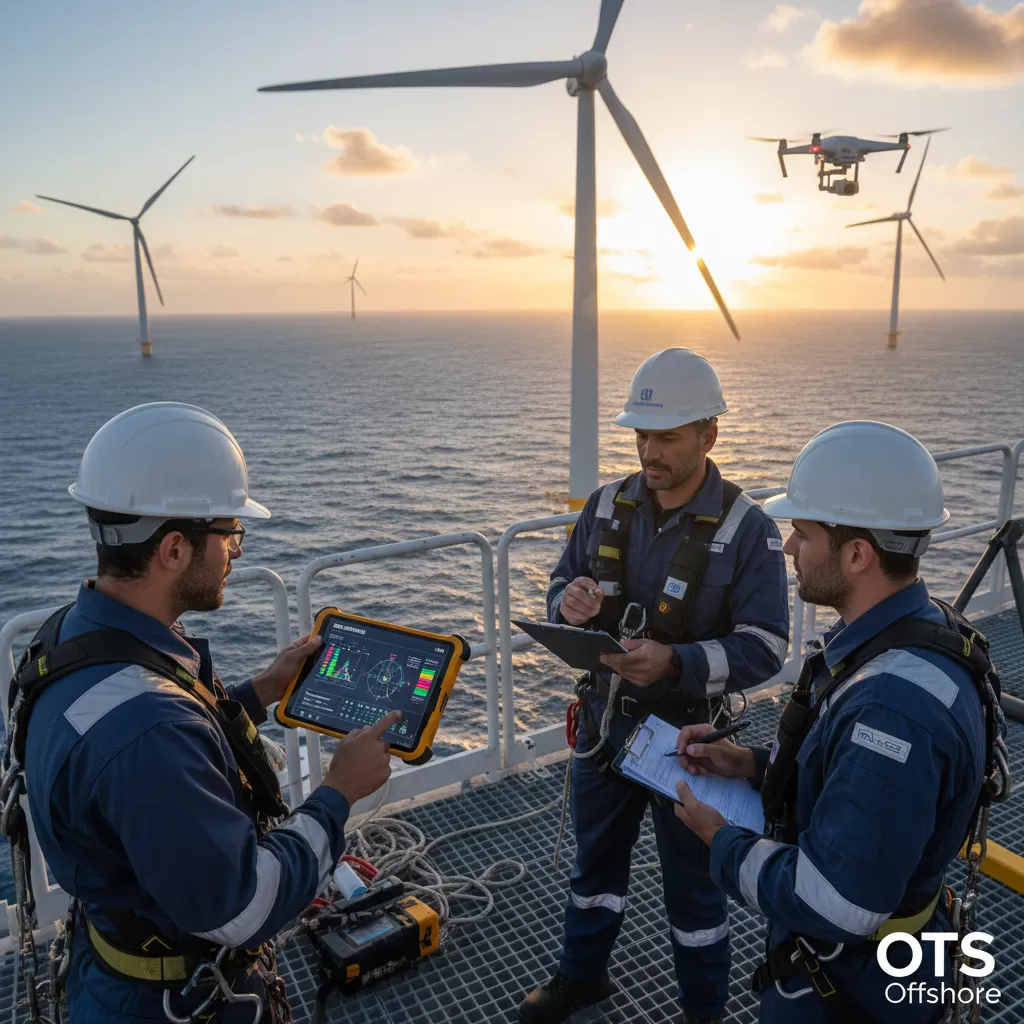
– Drone and ROV (Remotely Operated Vehicle) inspection data, often incorporating high-resolution imagery and 3D scanning, to capture visual and geometric details.
This aggregated data is processed and analyzed using advanced algorithms, including machine learning and artificial intelligence, to create a comprehensive, real-time simulation of the physical asset. The digital twin can then be used to perform a wide range of functions essential for remote AIM.
The Architecture of an Offshore Wind Digital Twin
The creation and operation of a digital twin for offshore wind assets involves a multi-layered architecture designed for robust data handling and sophisticated analysis.
– Data acquisition layer: This encompasses the vast network of sensors and communication systems deployed on the offshore wind farm. This layer is crucial for capturing the raw data that fuels the digital twin. Ensuring reliable and secure data transmission from remote offshore locations is paramount. Technologies like IoT (Internet of Things) platforms play a vital role here, enabling the seamless collection and transmission of data from a multitude of devices.
– Data processing and integration layer: Raw data from diverse sources needs to be cleaned, standardized, and integrated into a unified platform. This often involves cloud-based solutions that can handle large volumes of data efficiently. Machine learning algorithms are applied here to identify patterns, anomalies, and potential issues. This layer is where raw sensor readings are transformed into actionable insights.
– Modeling and simulation layer: This is where the virtual replica of the physical asset is built and maintained. Advanced physics-based models, combined with data-driven AI models, allow the digital twin to accurately represent the behavior of the turbine under various operational and environmental conditions. This layer is key for predictive capabilities.
– Analytics and visualization layer: The insights generated by the digital twin are presented to operators through intuitive dashboards and user interfaces. This layer allows for the visualization of asset health, performance trends, and potential failure predictions. Augmented reality (AR) and virtual reality (VR) can also be integrated here to provide immersive visualization experiences.
– Actionable insights and feedback loop: The ultimate goal is to translate digital twin insights into concrete actions. This layer facilitates the generation of maintenance work orders, operational adjustments, and strategic planning based on the predictive analysis. The feedback loop ensures that the digital twin continuously learns and improves from operational experience.
Key Benefits of Digital Twin Technology for Remote AIM
The adoption of Digital Twin Technology for remote AIM in offshore wind farms yields a multitude of benefits, fundamentally transforming operational strategies and financial outcomes.
– Enhanced predictive maintenance capabilities: This is arguably the most significant advantage. Instead of relying on scheduled or reactive maintenance, digital twins enable a shift to predictive maintenance. By analyzing real-time data and historical trends, the digital twin can predict potential component failures weeks or even months in advance. This allows maintenance teams to schedule interventions during planned downtime, acquire necessary parts, and deploy resources efficiently, minimizing costly unplanned outages. For instance, a subtle increase in gearbox temperature combined with specific vibration signatures, as detected by the digital twin, might indicate an impending bearing failure, prompting proactive replacement before catastrophic damage occurs.
– Reduced operational and maintenance (O&M) costs: Unplanned downtime is a major cost driver in offshore wind. Digital twins significantly reduce these costs by minimizing the frequency and duration of unexpected shutdowns. Furthermore, by optimizing maintenance schedules and reducing the need for frequent physical inspections, O&M expenses are lowered. The ability to perform many diagnostic tasks remotely also reduces the need for costly and time-consuming offshore trips.
– Improved asset performance and efficiency: Digital twins provide deep insights into how each turbine is performing. Operators can identify underperforming assets, diagnose the root causes, and implement optimization strategies. This could involve adjusting control parameters, identifying aerodynamic inefficiencies, or detecting structural issues that might be hindering optimal energy capture. Continuous monitoring and optimization ensure that the wind farm operates at peak efficiency, maximizing energy production.
– Increased safety for personnel: Sending personnel offshore for inspections and maintenance in harsh weather conditions carries inherent risks. Digital twins enable a significant reduction in the need for these high-risk deployments. Remote diagnostics and predictive maintenance allow many issues to be identified and addressed without personnel having to be physically present on the platform. When physical interventions are necessary, the digital twin can provide detailed information about the exact nature of the problem, allowing for better planning and execution of tasks, thereby enhancing safety.
– Extended asset lifespan: By enabling proactive maintenance and addressing issues before they escalate, digital twins contribute to extending the operational lifespan of wind turbines and their components. This longevity translates into a higher return on investment for wind farm owners and operators. Understanding the cumulative stress and fatigue on components allows for informed decisions regarding their service life.
– Remote monitoring and diagnostics: The ability to monitor and diagnose the health of assets from a remote operations center is a cornerstone of this technology. This eliminates the need for on-site presence for routine checks, allowing for a more centralized and efficient management of multiple offshore wind farms. This is particularly valuable for geographically dispersed assets or those located in remote and challenging environments.
– Enhanced understanding of complex system interactions: Offshore wind turbines are complex integrated systems. Digital twins can model and analyze the intricate interactions between different components and the environment. This holistic view helps in understanding how a change in one part of the system might affect others, leading to more informed decision-making. For example, the impact of increased wave loads on the structural integrity of the foundation and its subsequent effect on turbine performance can be simulated.
– Support for regulatory compliance and reporting: Digital twins can generate detailed performance data and maintenance logs, which are crucial for regulatory compliance and reporting requirements. The accuracy and comprehensiveness of this data streamline the auditing process and ensure that the wind farm is operating within all specified parameters.
Real-World Applications and Case Studies of Digital Twins in Offshore Wind**
While the concept of Digital Twin Technology is powerful, its practical implementation in offshore wind is already demonstrating tangible value. Several leading renewable energy companies are investing in and piloting these solutions.
– Predictive failure analysis of critical components: Companies are using digital twins to predict failures in gearboxes, main bearings, and generators. By analyzing vibration patterns, temperature fluctuations, and oil quality, the digital twin can identify early warning signs of wear and tear, allowing for scheduled component replacement. This proactive approach has been shown to prevent costly catastrophic failures and reduce downtime by up to 30%.
– Blade integrity monitoring and performance optimization: Digital twins are employed to monitor the structural health of turbine blades, detecting potential cracks or damage caused by fatigue or environmental factors. By combining sensor data with aerodynamic models, operators can also optimize blade pitch and yaw angles to maximize energy capture while minimizing stress.
– Foundation and subsea structure health assessment: The digital twin can integrate data from structural health monitoring sensors on foundations and subsea components. This allows for the continuous assessment of their integrity against fatigue, corrosion, and marine growth, ensuring the long-term stability of the offshore assets.
– Operational simulation and scenario planning: Operators can use the digital twin to simulate the impact of different operational strategies or environmental conditions. For example, they can model how a severe storm might affect turbine performance and structural loads, and then develop contingency plans. This capability is invaluable for risk management and operational resilience.
– Remote inspection data integration: Data from drone and ROV inspections, including high-definition imagery and 3D scans, can be integrated into the digital twin. This allows for a comprehensive assessment of external condition of the turbine and its supporting structures, complementing the data from internal sensors.
– Training and knowledge transfer: Digital twins provide a realistic and interactive platform for training new operators and technicians. They can experience simulated operational scenarios, practice diagnostic procedures, and learn about the complex workings of the turbines in a safe and controlled environment.
Challenges and Future Outlook for Digital Twin Technology**
Despite the immense potential, the widespread adoption of Digital Twin Technology in offshore wind faces certain challenges.
– Data quality and integration: Ensuring the accuracy, reliability, and seamless integration of data from a multitude of disparate sources can be complex. Data governance and standardization are critical.
– Cybersecurity: As digital twins become more interconnected and data-intensive, cybersecurity becomes a paramount concern. Protecting sensitive operational data from cyber threats is essential.
– Initial investment cost: The development and implementation of sophisticated digital twin platforms require a significant initial investment in hardware, software, and expertise.
– Skill gap: There is a growing need for skilled professionals who can develop, manage, and interpret the data from digital twin systems. This includes data scientists, AI specialists, and domain experts in offshore wind engineering.
– Scalability: Scaling digital twin solutions across an entire fleet of wind farms, potentially with different turbine models and ages, presents engineering and logistical challenges.
The future of Digital Twin Technology in offshore wind is exceptionally bright. As the technology matures and costs decrease, its adoption is expected to accelerate. Advancements in AI, edge computing, and IoT will further enhance the capabilities of digital twins, enabling even more sophisticated predictive analytics and autonomous operations. The trend towards larger, more complex offshore wind farms, including floating wind platforms, will further necessitate the advanced capabilities that digital twins provide for efficient and safe remote asset integrity management. The industry is moving towards a more proactive, data-driven approach, and digital twins are at the forefront of this transformation, promising a more sustainable and profitable future for renewable energy.
The continuous evolution of sensing technologies, coupled with breakthroughs in AI and machine learning, will empower digital twins to achieve unprecedented levels of accuracy and predictive power. This will extend beyond mere component-level maintenance to holistic farm-level optimization, considering the complex aerodynamic interactions between turbines and the impact of grid demand. The integration of digital twins with advanced robotics for autonomous inspection and repair will further revolutionize offshore operations, minimizing human intervention in hazardous environments and driving down operational costs. The insights derived from these sophisticated virtual replicas will be instrumental in the design of next-generation offshore wind turbines, fostering innovation and pushing the boundaries of what is possible in renewable energy.