

Drill Ship Capabilities and Design for Ultra-Deepwater Exploration delves into the sophisticated engineering and operational aspects of drillships, highlighting their critical role in accessing challenging hydrocarbon reserves. This article explores the technological advancements, design considerations, and operational necessities that empower these vessels to conduct exploration activities in the most extreme marine environments globally.
Drill Ship Capabilities and Design for Ultra-Deepwater Exploration
The pursuit of hydrocarbon resources has progressively moved into deeper and more challenging offshore environments. Ultra-deepwater exploration, defined as operations in water depths exceeding 1,500 meters (approximately 5,000 feet), presents a unique set of hurdles that necessitate specialized assets. Among these, the drillship stands out as the most versatile and capable platform for conducting exploration and, in some cases, early production activities in these frontier regions. Understanding the intricacies of drillship capabilities and design is paramount for any stakeholder involved in unlocking the vast potential of ultra-deepwater reserves. These formidable vessels are a testament to human ingenuity, blending advanced marine engineering with cutting-edge drilling technology to reach depths previously deemed inaccessible. The evolution of drill ship capabilities has been driven by the ever-increasing demand for energy and the diminishing accessibility of conventional onshore and shallow-water fields.
The Evolving Landscape of Ultra-Deepwater Operations
The significance of ultra-deepwater exploration cannot be overstated in the context of global energy security. As readily accessible reserves deplete, the industry is compelled to look towards these vast, largely untapped reservoirs. The technological prowess embodied in modern drillships is the key enabler for this transition. These operations are characterized by extreme pressures, low temperatures, and immense water columns, all of which demand robust and reliable equipment and operational strategies. The economic viability of such ventures is directly tied to the efficiency and safety of the drillship’s performance. Therefore, continuous innovation in drill ship capabilities is not merely a matter of progress but a fundamental requirement for sustained exploration success. The potential rewards of discovering significant hydrocarbon accumulations in these depths are substantial, driving significant investment in the development of these sophisticated marine drilling platforms.
Challenges Inherited by Ultra-Deepwater Exploration
Exploring in ultra-deepwater terrains is fraught with formidable challenges. The sheer hydrostatic pressure at these depths exerts immense force on subsea equipment, necessitating materials with exceptional strength and resilience. The corrosive nature of seawater, coupled with the low temperatures, further complicates the operational environment. Weather patterns in these offshore regions can be unpredictable and severe, requiring vessels with exceptional station-keeping abilities and the capacity to withstand harsh sea conditions. Furthermore, the logistical complexities of supporting operations hundreds or thousands of meters below the surface, including the deployment and retrieval of heavy equipment, require meticulously planned procedures and highly specialized support infrastructure. The environmental considerations are also paramount, with strict regulations in place to minimize the impact of exploration activities on sensitive marine ecosystems.
Key Components of Advanced Drill Ship Design
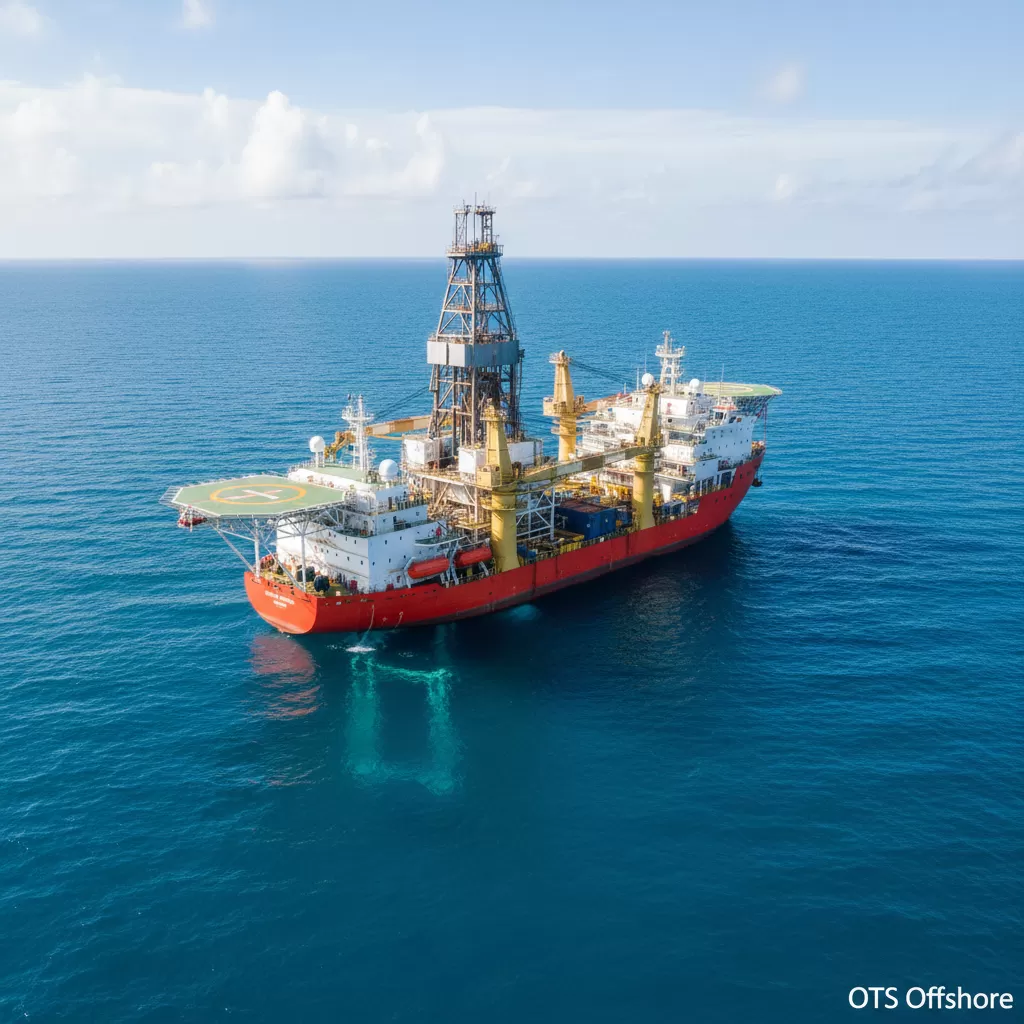
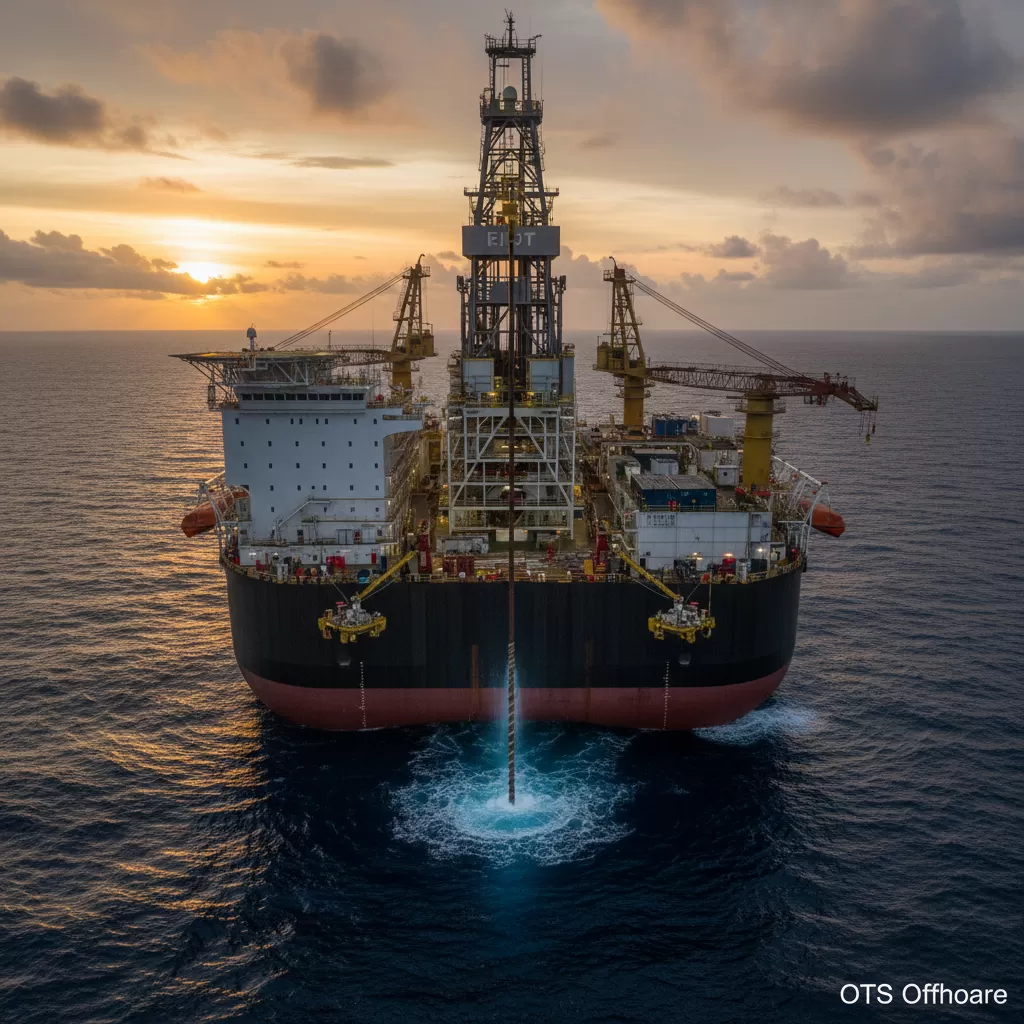
The design of an ultra-deepwater drillship is a complex undertaking that integrates numerous specialized systems to ensure efficient and safe operations. At its core, a drillship is a dynamically positioned vessel equipped with a drilling package capable of penetrating the seabed and accessing subsurface formations. The hull design itself plays a crucial role, offering stability in adverse weather and accommodating a vast array of onboard equipment and systems. Propulsion systems are also vital, enabling precise maneuvering and maintaining position without the need for traditional anchors, which are impractical at such extreme depths. The drilling derrick, a towering structure on the main deck, houses the equipment for hoisting and lowering drill strings and other heavy components. The moonpool, an opening in the hull directly below the derrick, serves as the primary conduit for the drill string and other subsea equipment to enter and exit the water column.
Dynamic Positioning Systems: The Cornerstone of Station-Keeping
Dynamic positioning (DP) systems are arguably the most critical technological advancement enabling drillship operations in ultra-deepwater. These sophisticated computer-controlled systems utilize a network of thrusters and sophisticated algorithms to maintain the vessel’s exact position and orientation relative to a fixed point on the seabed, irrespective of environmental forces like wind, waves, and currents. The DP system constantly receives input from a variety of sensors, including GPS, acoustic positioning systems, and inertial navigation units. This data is processed to provide commands to the thrusters, making continuous micro-adjustments to counteract external forces. The reliability of DP systems is paramount, with redundant components and fail-safe mechanisms implemented to ensure continuous operation even in the event of a system malfunction. The ability to maintain precise station-keeping is fundamental for the safety and efficiency of drilling operations, especially when deploying and operating complex subsea equipment thousands of meters below the surface. The advancements in DP technology have directly translated into enhanced drill ship capabilities, allowing for operations in increasingly challenging weather and sea states.
Hull and Accommodation for Extreme Environments
The hull design of an ultra-deepwater drillship is optimized for stability and operational efficiency. Modern drillships often feature semi-submersible hulls or monohull designs with bulbous bows to reduce wave resistance and improve fuel efficiency. The superstructure houses accommodation for the crew, control rooms, laboratories, and storage facilities. The layout is meticulously planned to facilitate efficient workflow and ensure the safety of personnel. Accommodation modules are designed to provide comfortable living and working spaces for the crew, who may spend extended periods offshore. The structural integrity of the hull is engineered to withstand the immense forces encountered in ultra-deepwater, including significant wave loads and hydrostatic pressure. The integration of advanced materials and construction techniques is crucial to ensure the longevity and reliability of the vessel in these demanding conditions.
Drilling Equipment and Subsea Technology Integration
The drilling package aboard a drillship is a highly complex and integrated system. The drill floor is equipped with drawworks, crown blocks, traveling blocks, and rotary tables or top drives for managing the drill string. Blowout preventers (BOPs), massive and robust safety devices, are installed on the subsea wellhead to prevent uncontrolled release of hydrocarbons. Advanced mud systems, power generation, and waste management facilities are also integral parts of the drilling package. The integration of subsea technology, including remotely operated vehicles (ROVs) for inspection and intervention, and the ability to deploy and manage complex subsea completion equipment, are vital for ultra-deepwater operations. The sophistication of these systems directly contributes to the overall drill ship capabilities, allowing for exploration and potential production in regions previously considered unreachable.
Operational Considerations for Ultra-Deepwater Drilling
Beyond the physical design of the drillship, the operational strategies and procedures employed are equally critical for successful ultra-deepwater exploration. These operations demand a high level of coordination, precision, and adherence to stringent safety protocols. The logistical support required to sustain these remote operations is immense, involving a complex network of supply vessels, helicopters, and offshore support units. The planning phase for an ultra-deepwater drilling campaign is extensive, involving detailed geological surveys, environmental impact assessments, and risk analyses.
Well Construction and Intervention in Extreme Depths
Constructing a well in ultra-deepwater involves a series of intricate steps, from setting conductor pipes to drilling the main production or exploration intervals. The drill string, which can extend for thousands of meters, is a critical component, and its integrity is constantly monitored. The process of running casing and cementing the wellbore to provide structural integrity and isolate different geological zones is particularly challenging at extreme depths. Well intervention operations, which may be required to address downhole issues or perform diagnostic tests, demand specialized equipment and highly trained personnel. The ability to safely and efficiently conduct these operations is a core aspect of drill ship capabilities. The integration of advanced downhole tools and real-time data acquisition systems allows for better decision-making during the drilling process.
Logistics and Support for Remote Operations
The remote nature of ultra-deepwater exploration necessitates a robust logistical support network. Supply vessels are essential for delivering drilling fluids, equipment, spare parts, fuel, and provisions to the drillship. Helicopters provide personnel transport and emergency evacuation capabilities. Offshore support vessels (OSVs) may be employed for various tasks, including anchor handling (if applicable for some older designs or supplementary systems), standby duties, and standby rescue. Effective communication systems are vital for coordinating these operations and ensuring timely responses to any eventualities. The efficiency of the supply chain directly impacts the operational uptime and overall cost-effectiveness of the drilling campaign, underscoring the importance of integrated logistical planning for maximizing drill ship capabilities.
Safety Management and Environmental Stewardship
Safety is the paramount consideration in all ultra-deepwater drilling operations. Comprehensive safety management systems are in place, encompassing risk assessment, emergency response planning, and rigorous training for all personnel. The use of remotely operated vehicles (ROVs) for subsea inspection and maintenance helps to minimize the need for human intervention in hazardous environments. Environmental stewardship is also a key focus, with strict protocols in place to prevent pollution and minimize the impact on marine ecosystems. This includes measures for waste management, spill prevention, and responsible decommissioning of wells. The commitment to these principles ensures that exploration activities are conducted in a manner that protects both human lives and the environment. The advanced systems and protocols inherent in modern drillship operations are designed to uphold the highest standards of safety and environmental responsibility.
Technological Advancements Enhancing Drill Ship Capabilities
The relentless drive for efficiency and safety in the oil and gas industry has spurred significant technological advancements in drillship design and operation. These innovations are continually pushing the boundaries of what is possible in ultra-deepwater exploration. From advanced drilling automation to subsea robotics, the integration of new technologies is transforming the landscape of offshore operations.
Automation and Remote Operation Technologies
The trend towards automation is profoundly impacting drill ship capabilities. Automated drilling systems can perform repetitive tasks with greater precision and consistency than human operators, reducing the risk of human error and improving efficiency. Remote operation technologies, including advanced ROVs and automated subsea equipment, allow for the inspection, intervention, and even manipulation of subsea components from the safety of the drillship or onshore control centers. This reduces the need for personnel to be exposed to hazardous conditions and enables faster response times to operational challenges. The development of AI-driven decision support systems is also contributing to more efficient and optimized drilling operations.
Subsea Processing and Enhanced Oil Recovery Techniques
While primarily exploration vessels, some drillships are being designed with capabilities that extend into early production and subsea processing. Subsea processing involves treating hydrocarbons on the seabed, reducing the need for surface facilities and enabling faster field development. Enhanced oil recovery (EOR) techniques, which aim to increase the amount of oil extracted from a reservoir, are also being explored for application in ultra-deepwater fields. The integration of these advanced technologies into drillship capabilities promises to unlock new economic potential in previously uneconomical reserves.
Materials Science and Advanced Manufacturing
The demanding conditions of ultra-deepwater exploration necessitate the use of advanced materials with exceptional strength, corrosion resistance, and temperature tolerance. Innovations in materials science, including the development of new alloys and composite materials, are crucial for constructing robust and reliable subsea equipment, drill pipes, and hull structures. Advanced manufacturing techniques, such as additive manufacturing (3D printing), are also beginning to play a role in producing complex, customized components for specialized offshore applications, further enhancing drill ship capabilities.
The Future of Drill Ship Capabilities in Energy Exploration
The demand for energy continues to grow, and ultra-deepwater reserves represent a significant portion of the remaining untapped hydrocarbon potential. Drillships are at the forefront of unlocking this potential, and their capabilities will continue to evolve to meet the challenges of increasingly complex exploration frontiers. The ongoing development of more efficient, safer, and environmentally responsible drilling technologies will be crucial.
The integration of digital technologies, including the Internet of Things (IoT), big data analytics, and artificial intelligence, will further optimize operations, predict equipment failures, and enhance decision-making processes. Autonomous underwater vehicles (AUVs) will likely play a larger role in reconnaissance and inspection missions. As the industry progresses, drill ship capabilities will continue to advance, enabling access to even more challenging and remote hydrocarbon reserves, thereby contributing to global energy security while striving for sustainable operational practices. The continuous innovation in drill ship capabilities is a testament to the industry’s commitment to overcoming complex challenges in the pursuit of vital energy resources.