

This article delves into the critical aspects of fabrication standards and quality assurance for high-pressure drilling equipment. It explores the rigorous processes, international regulations, and advanced technologies employed to ensure the safety, reliability, and performance of vital components in the demanding oil and gas industry.
Ensuring Excellence: Fabrication Standards and Quality Assurance for High-Pressure Drilling Equipment
The relentless pursuit of optimal performance and uncompromising safety in the upstream oil and gas sector hinges directly on the integrity of its critical equipment. Specifically, high-pressure drilling components, subjected to extreme downhole conditions, demand a level of precision and robustness that can only be achieved through adherence to stringent fabrication standards and meticulous quality assurance protocols. This focus on Fabrication Standards Quality is not merely a procedural formality; it is the bedrock upon which operational success, environmental protection, and personnel safety are built. From conceptual design through to final field deployment, every stage of the fabrication lifecycle for equipment like Blowout Preventers (BOPs), drill string components, and wellhead systems is governed by a complex interplay of international codes, industry best practices, and proprietary quality management systems. Understanding these standards is paramount for operators, manufacturers, and service providers alike, ensuring that the equipment deployed can withstand the immense pressures, corrosive environments, and mechanical stresses inherent in modern drilling operations. The emphasis on Fabrication Standards Quality permeates every aspect of manufacturing, from material selection and welding procedures to non-destructive testing and final acceptance criteria.
The Indispensable Role of Fabrication Standards Quality in Deepwater and Harsh Environments
In the challenging terrains of deepwater exploration and production, and in environmentally harsh regions, the stakes for equipment reliability are significantly amplified. Here, Fabrication Standards Quality transcends routine manufacturing; it becomes a lifeline. The immense hydrostatic pressures in deepwater, coupled with the corrosive nature of saltwater and the potential for extreme temperature fluctuations, necessitate equipment engineered to absolute perfection. Standards such as API (American Petroleum Institute) specifications, ISO (International Organization for Standardization) certifications, and NACE (National Association of Corrosion Engineers) guidelines form the foundational framework for designing and fabricating components capable of withstanding these punishing conditions. For instance, API 16A, which governs the specifications for wellhead and Christmas tree equipment, outlines critical requirements for materials, pressure ratings, testing, and performance. The quality assurance processes dictated by these standards ensure that each component, from a simple gasket to a complex BOP stack, performs its intended function without failure, thereby preventing potentially catastrophic blowouts, uncontrolled hydrocarbon releases, and severe environmental damage.
Material Integrity: The First Line of Defense for Fabrication Standards Quality
The selection and verification of raw materials are foundational pillars of Fabrication Standards Quality. High-pressure drilling equipment typically operates under conditions that can induce significant material degradation, including corrosion, fatigue, and embrittlement. Therefore, the selection of appropriate alloys—such as high-strength steels, duplex stainless steels, and nickel alloys—is critical. These materials must possess superior tensile strength, yield strength, and resistance to hydrogen sulfide (H2S) embrittlement, a common concern in sour gas environments.
– Traceability: Full material traceability is a non-negotiable requirement. Manufacturers must maintain detailed records that link each batch of raw material to its origin, chemical composition analysis, and mechanical property testing. This ensures that the materials used conform precisely to the specified standards.
– Non-destructive Testing (NDT) of Raw Materials: Before fabrication commences, raw materials undergo rigorous NDT to detect any internal defects or surface flaws that could compromise their integrity under pressure. Common NDT methods include ultrasonic testing (UT) to identify internal discontinuities and magnetic particle testing (MT) or liquid penetrant testing (PT) for surface crack detection.
– Chemical Composition and Mechanical Property Verification: Comprehensive testing is performed to verify that the chemical composition of the material meets industry specifications and that its mechanical properties—such as tensile strength, impact toughness (e.g., Charpy V-notch tests), and hardness—satisfy the stringent requirements for high-pressure applications.
Advanced Welding Techniques: A Cornerstone of Fabrication Standards Quality
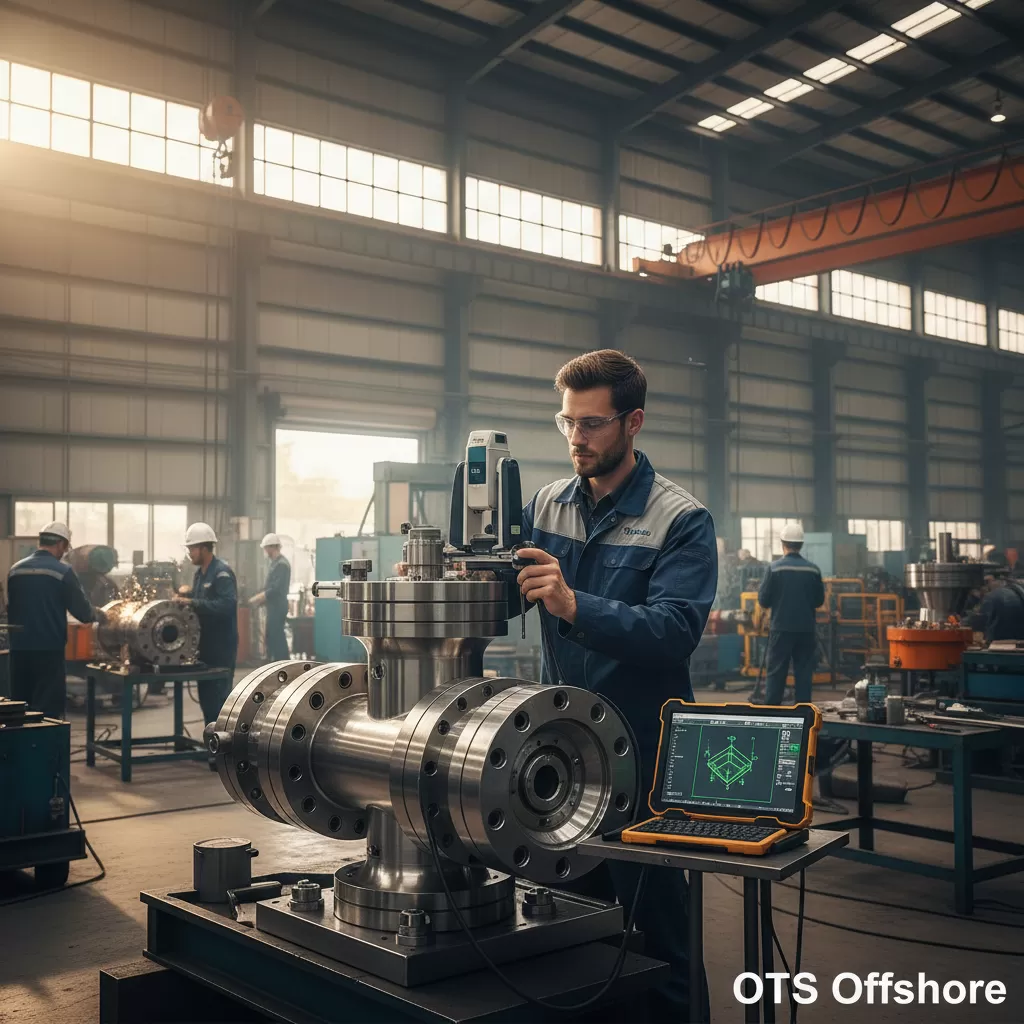
Welding is a critical process in the fabrication of high-pressure drilling equipment, as it joins disparate components into a cohesive and robust structure. Improper welding can introduce defects such as porosity, inclusions, and lack of fusion, which can act as stress concentrators and lead to premature failure. Therefore, adherence to strict welding procedures and rigorous quality control is paramount for achieving optimal Fabrication Standards Quality.
– Qualified Welding Procedures (WPS): All welding activities must be guided by thoroughly documented and qualified Welding Procedure Specifications (WPS). These specifications detail the welding process, base metal, filler metal, joint design, preheat temperatures, interpass temperatures, post-weld heat treatment (PWHT), and other critical parameters.
– Welder Qualification: Welders performing critical welds must be qualified through rigorous testing to demonstrate their proficiency in executing the specified welding procedures according to industry standards, such as those defined by the American Welding Society (AWS) or API.
– In-Process Inspection and Control: Throughout the welding process, qualified inspectors monitor key parameters, including welding current, voltage, travel speed, and shielding gas flow. Visual inspection of the weld bead for defects is performed concurrently.
– Post-Weld Non-Destructive Examination (NDE): After welding, critical welds undergo extensive NDE to detect any internal or surface defects. Common NDE techniques include:
– Radiographic Testing (RT): Used to detect internal voids, inclusions, and porosity.
– Ultrasonic Testing (UT): Effective in identifying internal planar defects and laminations.
– Magnetic Particle Testing (MT) and Liquid Penetrant Testing (PT): Used to detect surface and near-surface discontinuities.
Hydrostatic Testing: The Ultimate Verification of Fabrication Standards Quality
Hydrostatic testing is the final and perhaps most critical step in verifying the integrity of fabricated high-pressure drilling equipment. This process involves pressurizing the equipment with a liquid (typically water) to a specified test pressure, usually 1.5 times the maximum rated working pressure, and holding it for a defined period. This test confirms the equipment’s ability to contain pressure without leakage or deformation.
– Test Procedure Compliance: The hydrostatic test must be conducted strictly in accordance with the applicable fabrication standards and customer specifications. This includes details on test fluid, pressurization rate, hold time, and acceptable pressure drop.
– Visual Inspection During Test: During the hold period, the equipment is meticulously inspected for any signs of leakage, weeping, or deformation. Specialized inspection tools may be used to detect minute leaks.
– Pressure Monitoring and Data Logging: Accurate pressure monitoring and recording are essential. Any deviation from the specified pressure profile or any unexpected pressure drop must be investigated immediately.
– Documentation of Results: Comprehensive documentation of the hydrostatic test results, including test pressures, durations, and inspection findings, is a critical part of the quality assurance record. This documentation is vital for regulatory compliance and for future maintenance and inspection activities.
The Critical Link: Quality Assurance Systems and International Standards
The overarching framework for achieving robust Fabrication Standards Quality in the oil and gas industry is built upon comprehensive Quality Assurance (QA) and Quality Control (QC) systems, often certified to international standards like ISO 9001. These systems provide a structured approach to managing processes, ensuring consistency, and driving continuous improvement across all aspects of manufacturing.
– ISO 9001 Certification: Manufacturers of high-pressure drilling equipment typically hold ISO 9001 certification, which demonstrates their commitment to a globally recognized quality management system. This certification signifies that the organization has established and maintains processes for design, production, inspection, testing, and customer satisfaction.
– API Monogram Program: For many critical drilling equipment components, such as BOPs and drill pipe, the API Monogram program offers an additional layer of assurance. Manufacturers who are authorized to apply the API monogram have demonstrated their adherence to specific API product specifications and their commitment to implementing robust quality management practices.
– Regulatory Compliance: Beyond industry-specific standards, manufacturers must also comply with national and international regulations pertaining to pressure equipment safety, such as those mandated by governmental bodies like the Occupational Safety and Health Administration (OSHA) in the US or the Pressure Equipment Directive (PED) in Europe.
Traceability and Documentation: The Unwavering Pillars of Fabrication Standards Quality
In the high-stakes environment of oil and gas exploration, traceability and comprehensive documentation are not just good practice; they are fundamental requirements for ensuring accountability, facilitating troubleshooting, and ensuring long-term equipment reliability. Every step of the fabrication process, from the sourcing of raw materials to the final hydrostatic test, must be meticulously recorded.
– Material Test Certificates (MTCs): Each batch of raw material used must be accompanied by a Material Test Certificate (MTC) that details its chemical composition, mechanical properties, and heat treatment history.
– Weld Logs and Inspection Reports: Detailed logs of all welding activities, including welder identification, WPS used, welding parameters, and NDE reports, are crucial. These documents confirm that welds have been performed correctly and have passed all required inspections.
– Machining and Assembly Records: Records of critical machining operations, tolerances achieved, and assembly procedures ensure that components are manufactured and put together precisely as specified.
– Non-Conformance Reports (NCRs): Any deviation from specified standards or procedures must be formally documented through a Non-Conformance Report (NCR). These reports detail the nature of the non-conformance, the root cause analysis, and the corrective and preventive actions taken.
– Final Inspection and Test Records: Comprehensive records of all final inspections and tests, including hydrostatic test reports, dimensional checks, and functional tests, serve as the ultimate proof of the equipment’s compliance with fabrication standards.
Technological Advancements Enhancing Fabrication Standards Quality
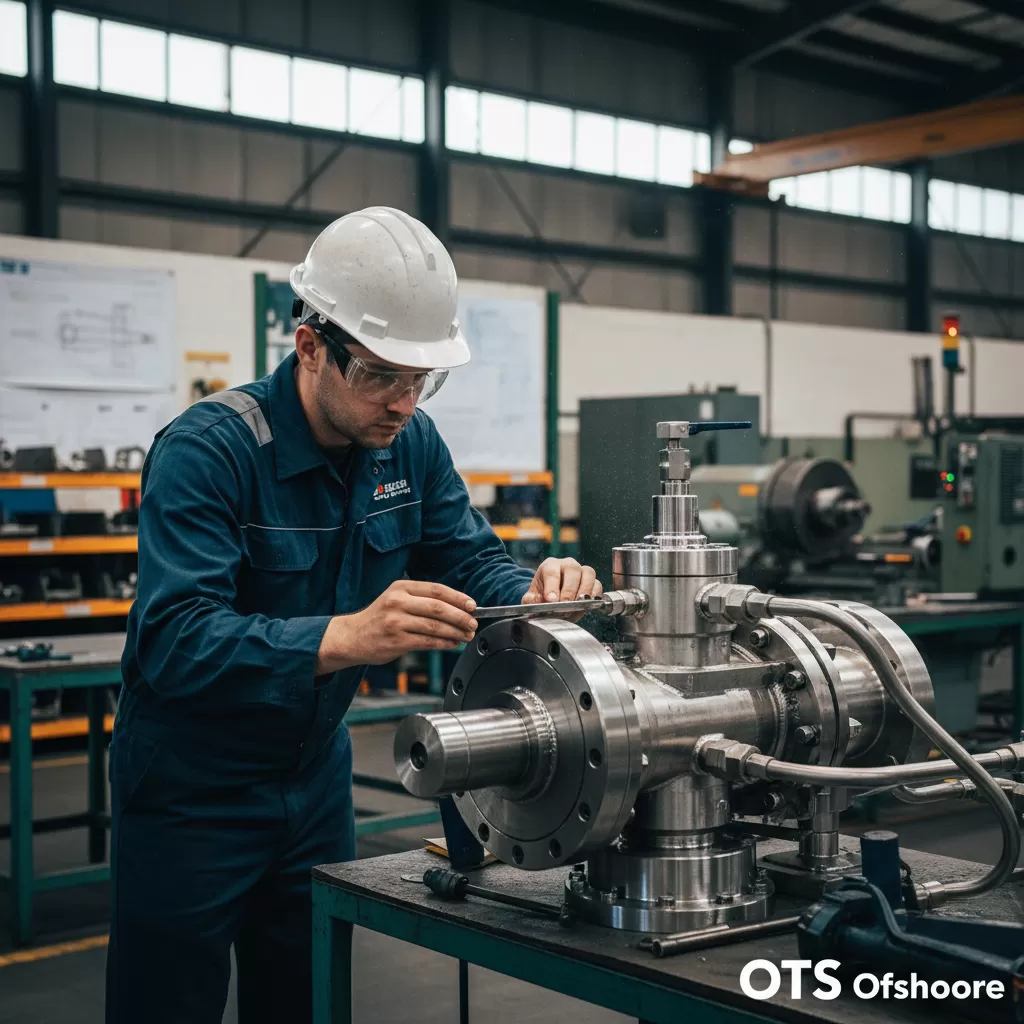
The pursuit of improved Fabrication Standards Quality is continuously driven by technological advancements in manufacturing, inspection, and data management. Modern facilities leverage cutting-edge technologies to enhance precision, detect anomalies with greater accuracy, and ensure seamless integration of quality processes.
– Advanced NDE Techniques: Beyond traditional NDT, newer techniques such as phased array ultrasonic testing (PAUT) and computed radiography (CR) offer higher resolution, improved defect characterization, and more efficient data acquisition.
– Computerized Numerical Control (CNC) Machining: Precision CNC machining ensures that critical dimensions and tolerances are met with exceptional accuracy, reducing variability and enhancing the fit and function of components.
– Additive Manufacturing (3D Printing): While still evolving for critical pressure-retaining components, additive manufacturing is showing promise for producing complex geometries and specialized parts, with ongoing research focused on qualifying these processes for high-pressure applications.
– Digital Quality Management Systems: Integrated digital platforms are increasingly being used to manage documentation, track progress, facilitate real-time data capture, and provide comprehensive audit trails, thereby streamlining QA/QC processes and improving data integrity.
The Evolving Landscape of Fabrication Standards and Quality Assurance
The oil and gas industry is dynamic, with evolving exploration frontiers and increasingly demanding operational requirements. Consequently, Fabrication Standards Quality is not a static field; it is in a constant state of evolution. New materials are being developed, novel drilling techniques are emerging, and the imperative for enhanced safety and environmental protection is ever-present.
– Focus on Lifecycle Management: There is a growing emphasis on quality throughout the entire lifecycle of drilling equipment, from initial design and fabrication to installation, operation, maintenance, and decommissioning. This holistic approach ensures that the integrity established during fabrication is maintained throughout the equipment’s service life.
– Risk-Based Inspection (RBI) Integration: The principles of Risk-Based Inspection are increasingly being integrated into QA/QC frameworks, allowing for more targeted and efficient inspection and testing strategies based on the identified risks associated with specific equipment and operating conditions.
– Sustainability and Environmental Considerations: Fabrication standards are also evolving to incorporate sustainability goals, including the use of environmentally friendly materials and manufacturing processes, and the reduction of waste and emissions.
– Data Analytics and Predictive Maintenance: The vast amounts of data generated during fabrication and operation are being analyzed using advanced analytics and artificial intelligence to predict potential failures, optimize maintenance schedules, and further refine fabrication processes for enhanced reliability.