

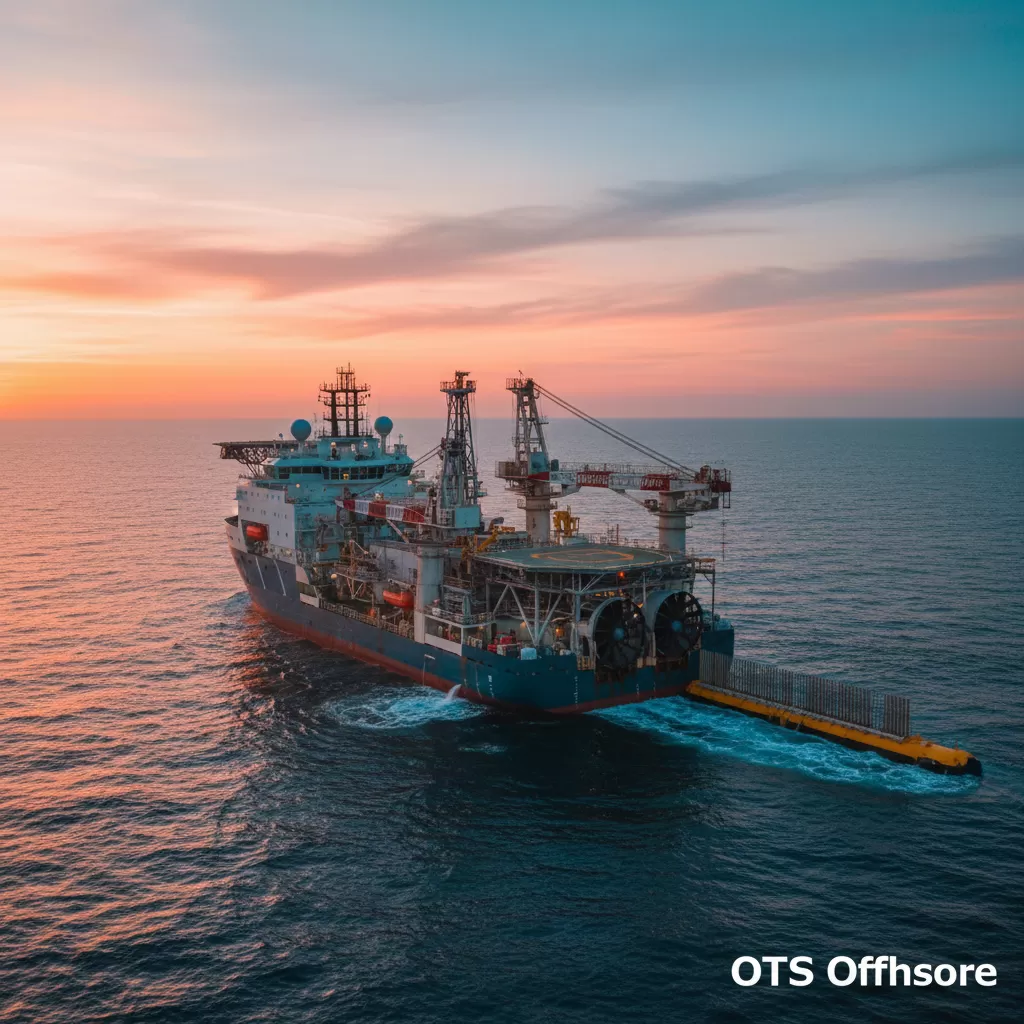
Geotechnical investigation vessels are specialized offshore assets critical for seabed characterization and site assessment in various energy and marine infrastructure projects. Understanding their power and thruster requirements is paramount for operational efficiency, station-keeping, and maneuverability in challenging environments. This article delves into the intricate details of these demands, exploring the technologies and considerations that define the propulsion and dynamic positioning systems of these vital vessels.
Understanding the Power and Thruster Requirements for Geotechnical Investigation Vessels
The operational demands placed upon geotechnical investigation vessels necessitate sophisticated and robust power and thruster systems. These vessels are not merely transit platforms; they are mobile laboratories and operational bases, often required to maintain precise positions over specific seabed locations for extended periods. This precision is achieved through advanced dynamic positioning (DP) systems, which rely heavily on the reliable and responsive performance of their thrusters, powered by a well-designed electrical generation and distribution network. The sheer complexity of seabed logging and sampling operations, coupled with the often harsh offshore weather conditions, means that the power and propulsion systems must be designed with significant redundancy and capacity to ensure mission success and personnel safety.
The Critical Role of Dynamic Positioning Systems in Geotechnical Investigation Vessels
Dynamic Positioning (DP) systems are the technological backbone enabling geotechnical investigation vessels to maintain their intended position and heading relative to a fixed point on the seabed or another vessel, without the need for traditional anchoring. This capability is absolutely indispensable for conducting accurate seabed logging, including the deployment and operation of sophisticated geotechnical equipment such as cone penetration testers (CPTs), seabed drills, and seismic streamers. The accuracy required for these operations can be down to a matter of meters, or even sub-meters, in dynamic offshore environments.
How DP Systems Work
A DP system utilizes a complex interplay of sensors, control software, and thrusters.
– Sensors: These include GPS receivers for absolute position, hydroacoustic positioning systems for relative positioning to seabed transponders, gyrocompasses for heading, anemometers for wind data, and vertical reference units (VRUs) for vessel motion.
– Control Software: This sophisticated software processes sensor data in real-time, calculates the forces required to counteract environmental disturbances (wind, waves, currents), and sends commands to the thrusters.
– Thrusters: These are the prime movers that generate the thrust needed to keep the vessel in position.
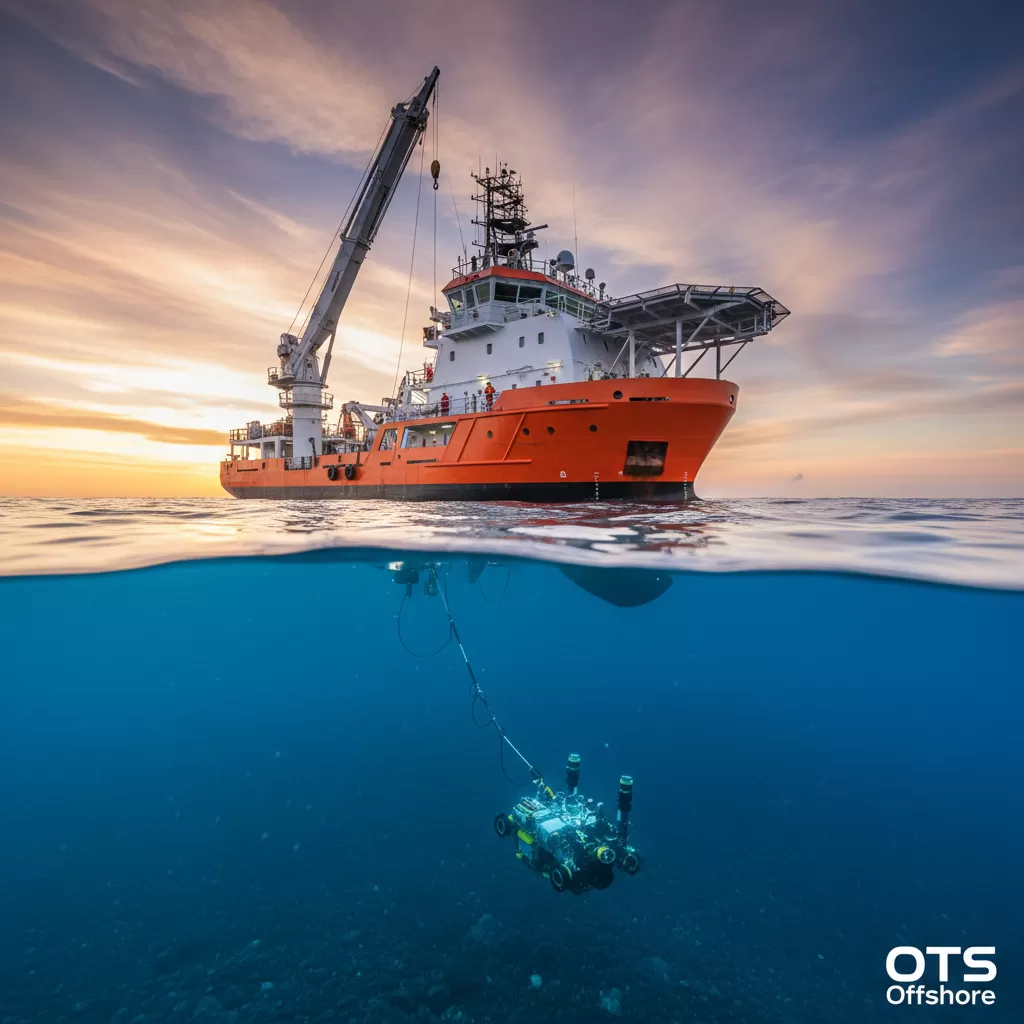
Key Power Generation Requirements for Geotechnical Investigation Vessels
The continuous and demanding operation of DP systems, along with the array of specialized geotechnical equipment, necessitates substantial and reliable power generation. The power plant is the heart of any geotechnical investigation vessel, dictating its operational capabilities.
Primary Power Sources
Typically, geotechnical investigation vessels are equipped with multiple diesel generators.
– Diesel Generators: These are the workhorses, providing the primary electrical power. The number and size of these generators are determined by the total power demand, including DP thrusters, drilling equipment, winches, cranes, accommodation, and other hotel loads.
– Redundancy: For DP operations, especially at higher DP classes (DP2 and DP3), significant redundancy in power generation is mandatory. This often means having enough online generators to maintain position even if one or more generators fail.
Auxiliary Power and Systems
Beyond the main generators, auxiliary systems play a crucial role in maintaining overall vessel integrity and operational readiness.
– Emergency Generators: Essential for providing power to critical systems like navigation, communication, fire fighting, and essential hotel loads in the event of a total failure of the main power supply.
– Uninterruptible Power Supply (UPS): Used to provide clean and continuous power to sensitive electronic equipment, such as the DP control system, navigation computers, and scientific instruments, preventing data loss or system corruption during power fluctuations.
– Switchboards and Distribution Systems: These manage the generation, distribution, and protection of electrical power throughout the vessel, ensuring that power is delivered safely and efficiently to all consumers.
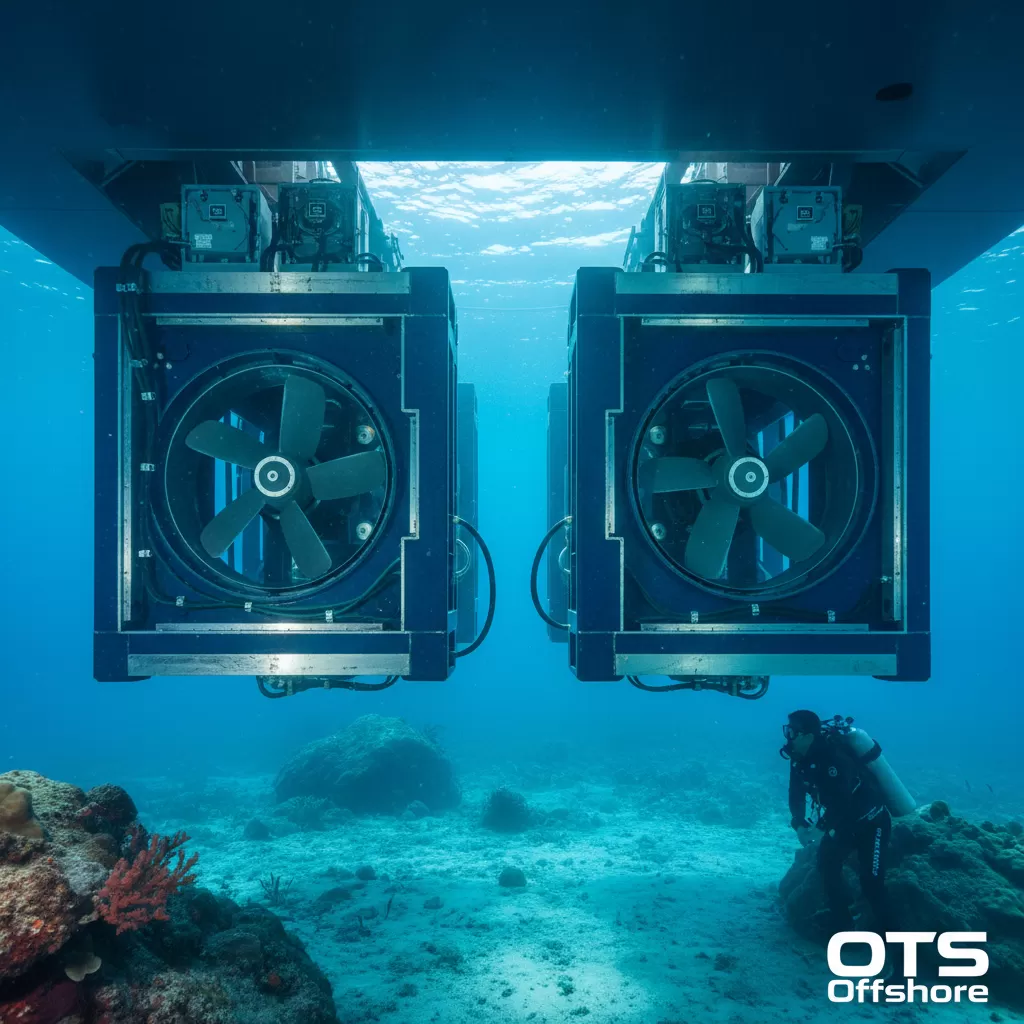
Thruster Types and Their Importance in Geotechnical Investigation Vessels
The selection and configuration of thruster systems are critical for achieving the required station-keeping and maneuverability. The type, number, and placement of thrusters directly influence the vessel’s DP capability, operational window, and fuel efficiency.
Azimuthing Thrusters (Azipods/Podded Drives)
These are perhaps the most common and effective thruster type for modern geotechnical investigation vessels.
– 360-Degree Maneuverability: Azimuthing thrusters can rotate 360 degrees, providing thrust in any direction. This allows for precise control and rapid response to environmental forces.
– Versatile Placement: They can be installed in various configurations, such as forward and aft, or a combination of both, to optimize DP performance and redundancy.
– Efficiency: Modern azimuthing thrusters are designed for high efficiency, contributing to reduced fuel consumption.
Tunnel Thrusters (Bow and Stern Thrusters)
While azimuthing thrusters are primary for DP, tunnel thrusters are often used for supplemental maneuvering and station-keeping assistance.
– Maneuvering Aid: Primarily used for slow-speed maneuvering and assisting in precise positioning tasks, especially in conjunction with azimuthing thrusters.
– Redundancy: In some vessel designs, tunnel thrusters can provide a degree of redundancy for DP operations, particularly in lower DP classes.
Retractable Thrusters
Some geotechnical investigation vessels may be equipped with retractable thrusters.
– Reduced Drag: When not in use, these thrusters can be retracted into the hull, significantly reducing hydrodynamic drag during transit, leading to improved fuel economy.
– Operational Flexibility: They can be deployed when needed for DP operations, offering a flexible solution for vessels that also engage in long-distance transit.
Calculating Power and Thruster Sizing: A Complex Equation
Determining the precise power and thruster requirements for a geotechnical investigation vessel is a multi-faceted engineering challenge. It involves detailed analysis of expected operational conditions and equipment loads.
Environmental Loads
The primary driver for thruster power is the ability to counteract environmental forces.
– Wind: The force exerted by wind on the vessel’s superstructure is a significant factor. Larger and taller superstructures experience greater windage.
– Current: The force of seabed currents and tidal streams acting on the submerged hull is another major consideration.
– Waves: Wave action creates dynamic forces that the DP system must continuously compensate for.
Equipment Loads
The power consumption of onboard geotechnical equipment and operational machinery is substantial.
– Winches and Cranes: Heavy-duty winches for deploying CPT cones, drills, and sampling equipment, as well as deck cranes for material handling, are significant power consumers.
– Drilling Rigs: If the vessel is equipped with a drilling rig, its power demand can be extremely high.
– A-frames and Launch/Recovery Systems (LARS): These specialized systems for deploying subsea equipment also contribute to the power load.
DP Class Requirements
The intended DP class of the vessel (DP1, DP2, or DP3) dictates the level of redundancy required for both power generation and thruster systems.
– DP1: Requires failure of any single component not to cause loss of position.
– DP2: Requires failure of any single component or any single failure mode to not cause loss of position. This typically implies redundant power generation and thruster units.
– DP3: The highest class, requiring failure of any single component or any single failure mode, and even the failure of a complete system like a main generator or thruster unit, to not cause loss of position. This necessitates extensive redundancy in all critical systems.
Case Studies and Examples in Geotechnical Investigation Vessel Design
The evolution of geotechnical investigation vessel design showcases a continuous drive towards enhanced capabilities and efficiency, directly impacting power and thruster configurations.
– Specialized Drillships: Vessels designed for deepwater drilling often feature very high power output, with multiple large generators and powerful azimuthing thrusters to maintain position during complex drilling operations in severe weather.
– CPT Vessels: Smaller, more agile vessels primarily focused on cone penetration testing might have a more modest power requirement but still rely on precise DP for accurate data acquisition.
– Multipurpose Survey Vessels: These vessels often have flexible power and thruster configurations to accommodate a range of geotechnical and geophysical survey tasks.
The Interplay Between Power Management and Thruster Control
Efficient operation of a geotechnical investigation vessel hinges on the intelligent integration of its power management system and its DP control system.
– Load Shedding: In critical situations or during transient high-demand periods, the power management system might automatically shed non-essential loads to ensure sufficient power is available for DP and essential operations.
– Power Sharing: Advanced systems allow for dynamic power sharing between generators and thrusters to optimize fuel consumption and performance.
– Thruster Allocation: The DP control system intelligently allocates thrust to individual thrusters to achieve the desired position and heading, considering factors like efficiency, redundancy, and available power.
Future Trends in Power and Thruster Technology for Geotechnical Investigation Vessels
The offshore energy sector is constantly innovating, and this extends to the power and propulsion systems of geotechnical investigation vessels.
– Hybrid Power Systems: The integration of battery banks and other energy storage solutions with traditional diesel generators is becoming more common. This can improve fuel efficiency, reduce emissions, and provide a significant buffer for power demands.
– Electric Thrusters: Fully electric thruster systems are becoming increasingly prevalent, offering greater efficiency, faster response times, and improved reliability compared to some earlier mechanical drive systems.
– Advanced Control Algorithms: Continuous advancements in DP control algorithms are leading to more precise station-keeping, reduced thruster activity, and consequently, lower fuel consumption and wear on thruster components.
– Automation and Remote Operation: As automation increases in offshore operations, the role of sophisticated power and thruster control systems will become even more critical, potentially enabling more autonomous survey operations.
The power and thruster requirements for geotechnical investigation vessels are a testament to the sophisticated engineering required to operate effectively and safely in the demanding offshore environment. From the fundamental need for precise station-keeping to the complex interplay of power generation, distribution, and thruster control, these systems are fundamental to the success of seabed logging and a wide range of marine engineering endeavors. The continuous evolution of these technologies promises even greater efficiency, reliability, and operational capability for these indispensable vessels in the years to come.