

The Importance Material Science plays a pivotal role in the fabrication of offshore drilling equipment, dictating the performance, safety, and longevity of critical components operating under extreme conditions. This article delves into the intricate relationship between advanced material science principles and the engineering of robust, reliable subsea infrastructure essential for hydrocarbon exploration and production.
The Paramount Importance of Material Science in Offshore Drilling Equipment Fabrication
The Importance Material Science cannot be overstated when it comes to the design, manufacturing, and operational integrity of offshore drilling equipment. The harsh marine environment, characterized by immense pressures, corrosive saltwater, extreme temperature fluctuations, and dynamic loading, places unparalleled demands on every component. From drill bits and risers to subsea Christmas trees and blowout preventers (BOPs), the materials used are fundamental to ensuring operational success, mitigating risks, and maximizing resource recovery. Understanding the nuances of material behavior under these challenging conditions is paramount. This includes their resistance to corrosion, fatigue, abrasion, and fracture. Advances in metallurgy, polymer science, and composite materials have been instrumental in pushing the boundaries of exploration into deeper waters and more hostile geological formations. Without a deep appreciation for the Importance Material Science, the very foundation of modern offshore energy extraction would be compromised, leading to increased downtime, safety incidents, and economic losses. This exploration will unpack the specific material considerations and their impact on the fabrication process, highlighting why continuous innovation in this field is a non-negotiable aspect of the offshore oil and gas industry.
Key Material Challenges in Offshore Environments
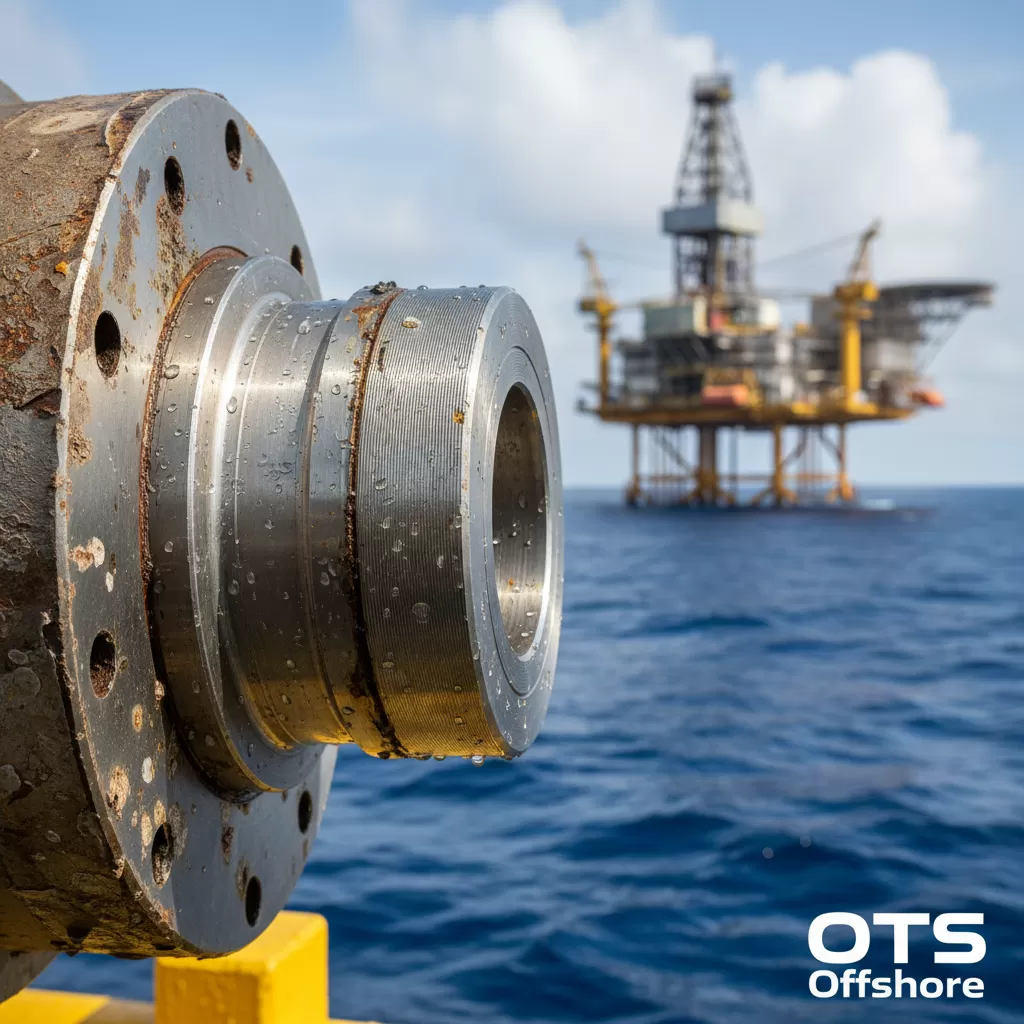
Offshore drilling operations present a unique set of material challenges that necessitate careful selection and rigorous testing. The constant immersion in saltwater is a primary concern, leading to various forms of corrosion, including general corrosion, pitting, crevice corrosion, and galvanic corrosion. These corrosive processes can significantly degrade the structural integrity of equipment over time, potentially leading to catastrophic failures.
– High Hydrostatic Pressures: Subsea equipment operates under immense hydrostatic pressure, which can cause deformation, buckling, and even collapse of components. Materials must possess exceptional yield strength and compressive strength to withstand these forces.
– Fatigue Loading: The dynamic nature of offshore operations, including wave action, vessel movement, and drilling vibrations, induces cyclic stresses on equipment. This fatigue can lead to crack initiation and propagation, even at stress levels below the material’s yield strength. Robust fatigue resistance is therefore critical.
– Abrasion and Erosion: Drilling operations often involve the handling of abrasive materials like rock cuttings and drilling fluids. Components like drill pipes, mud pumps, and seals are subjected to constant wear, requiring materials with high hardness and wear resistance.
– Temperature Extremes: Offshore environments can experience significant temperature variations, from frigid Arctic waters to the heat generated during drilling. Materials must maintain their mechanical properties across this temperature range without becoming brittle or losing strength.
– Sour Service Conditions: The presence of hydrogen sulfide (H2S) in reservoir fluids, commonly referred to as sour gas, is highly corrosive and can lead to hydrogen embrittlement in certain steels. Materials for sour service must be specifically designed and treated to resist sulfide stress cracking (SSC).
The Critical Role of Metallurgy in Subsea Equipment
Metallurgy forms the bedrock of material selection for many critical offshore drilling components. Steels, in various alloys, are extensively used due to their strength, toughness, and cost-effectiveness. However, the specific alloy composition, heat treatment, and manufacturing processes are crucial for ensuring performance in the challenging subsea environment.
– High-Strength Low-Alloy (HSLA) Steels: These steels offer a superior combination of strength, toughness, and weldability, making them ideal for large structures like risers, conductors, and platform components. Their enhanced mechanical properties are achieved through the addition of small amounts of alloying elements.
– Stainless Steels and Duplex Stainless Steels: For highly corrosive environments, particularly those involving saltwater and acidic components, stainless steels and duplex stainless steels are preferred. Duplex stainless steels, with their mixed microstructure of austenite and ferrite, offer excellent resistance to both pitting and stress corrosion cracking, along with high strength.
– Nickel Alloys: In the most demanding applications, such as downhole tools exposed to extreme temperatures, pressures, and corrosive fluids, high-performance nickel alloys are employed. These alloys exhibit exceptional corrosion resistance and maintain their mechanical integrity under severe conditions.
– Material Specifications and Standards: The fabrication of offshore equipment strictly adheres to industry standards like API (American Petroleum Institute) and NACE (National Association of Corrosion Engineers) specifications. These standards define the chemical composition, mechanical properties, testing procedures, and quality control measures required for materials used in oil and gas exploration. Compliance ensures that materials can perform reliably under specified operating conditions.
Innovations in Polymer and Composite Materials for Offshore Applications
While metals remain dominant, advancements in polymer and composite materials are increasingly contributing to the performance and efficiency of offshore drilling equipment. These materials offer unique advantages in terms of weight reduction, corrosion resistance, and specialized functional properties.
– High-Performance Polymers: Elastomers and thermoplastics with enhanced chemical and thermal resistance are vital for seals, gaskets, and flexible hoses. These materials must maintain their sealing capabilities and mechanical integrity under high pressures and exposure to drilling fluids, hydrocarbons, and saltwater.
– Fiber-Reinforced Composites: Composites, such as those made with carbon fiber or glass fiber embedded in a polymer matrix, offer exceptional strength-to-weight ratios. They are finding applications in components where weight reduction is critical, such as riser joints, subsea structures, and certain umbilical components. Their inherent corrosion resistance is also a significant advantage.
– Advanced Coatings and Surface Treatments: Beyond bulk material selection, innovative coatings play a crucial role in protecting equipment from the corrosive and abrasive offshore environment. These include ceramic coatings, hardfacing alloys, and specialized polymeric coatings that enhance wear resistance, prevent corrosion, and reduce friction.
Ensuring Reliability Through Rigorous Testing and Quality Control
The Importance Material Science is intrinsically linked to the meticulous testing and quality control protocols implemented during the fabrication of offshore drilling equipment. Every stage, from raw material inspection to final assembly, is subject to stringent verification processes to guarantee the material’s suitability and the integrity of the fabricated component.
– Destructive and Non-Destructive Testing (NDT): A range of testing methods is employed to assess material properties and detect flaws.
– Tensile, Impact, and Hardness Testing: These tests verify the mechanical strength, toughness, and hardness of materials, ensuring they meet design specifications.
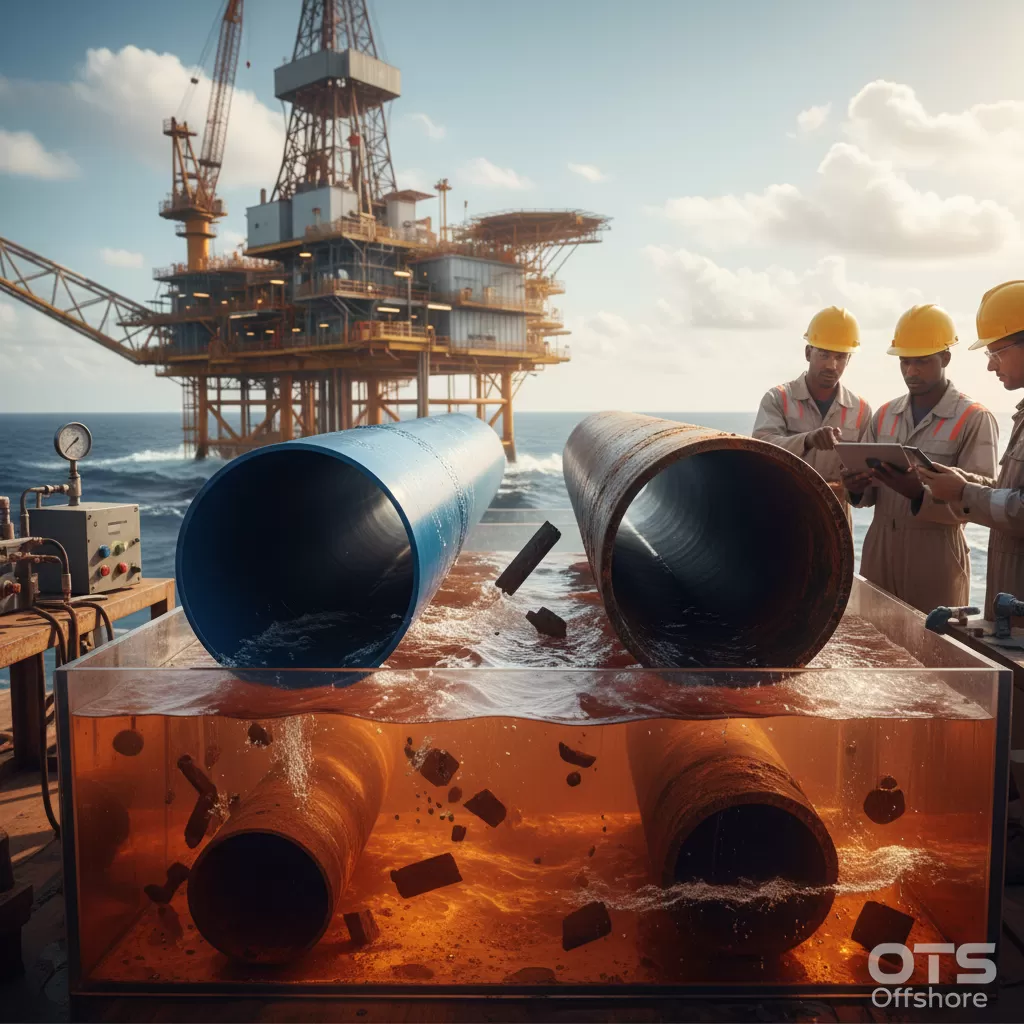
– Corrosion Testing: Simulated environmental tests, such as salt spray tests and electrochemical corrosion tests, are performed to evaluate a material’s resistance to various forms of corrosion.
– NDT Methods: Techniques like ultrasonic testing, radiography, magnetic particle testing, and dye penetrant inspection are used to detect internal and surface defects without damaging the component.
– Weld Quality Assurance: Welding is a critical fabrication process for most offshore equipment. Ensuring the integrity of welds is paramount. This involves meticulous inspection of weld procedures, welder qualifications, and post-weld heat treatments, along with rigorous visual and NDT examination of the completed welds.
– Traceability and Documentation: Comprehensive traceability of materials and manufacturing processes is essential. This includes documentation of material certifications, heat treatment records, inspection reports, and non-conformance reports. This detailed record-keeping ensures that the origin and history of every component are known, facilitating troubleshooting and quality management.
The Importance Material Science extends to the selection of appropriate welding consumables and the implementation of welding procedures that prevent the formation of brittle microstructures or introduce detrimental residual stresses.
Future Trends and the Evolving Role of Material Science
The offshore energy sector is constantly evolving, driven by the pursuit of greater efficiency, deeper exploration, and enhanced sustainability. This evolution directly impacts the demands placed upon material science.
– Nanomaterials and Advanced Alloys: Research into nanomaterials and novel alloy compositions holds promise for creating materials with unprecedented strength, corrosion resistance, and wear properties. These could lead to lighter, more durable, and higher-performing equipment.
– Smart Materials and Condition Monitoring: The development of “smart” materials that can sense and respond to their environment, or provide real-time feedback on their structural health, is an emerging area. Integration of such materials could enable predictive maintenance and significantly reduce unplanned downtime.
– Additive Manufacturing (3D Printing): While still in its nascent stages for critical offshore components, additive manufacturing offers potential for creating complex geometries with optimized material properties and on-demand part production, potentially reducing lead times and waste.
– Focus on Sustainability: As the industry shifts towards more sustainable practices, there is an increasing emphasis on materials that are recyclable, have lower environmental impact during production, and contribute to energy efficiency in operations. The Importance Material Science in this context includes considering the full lifecycle impact of materials.
The continuous innovation in material science is not just about incremental improvements; it is about enabling entirely new frontiers in offshore exploration and production. The ability to access previously unreachable hydrocarbon reserves, to drill more efficiently and safely, and to minimize environmental risks is directly correlated with our mastery of materials. The rigorous application of material science principles during fabrication ensures that the complex and expensive equipment deployed in the harsh offshore environment can perform its critical function reliably and safely for its intended service life. The ongoing research and development in this field are thus central to the future success and sustainability of the global energy industry.