

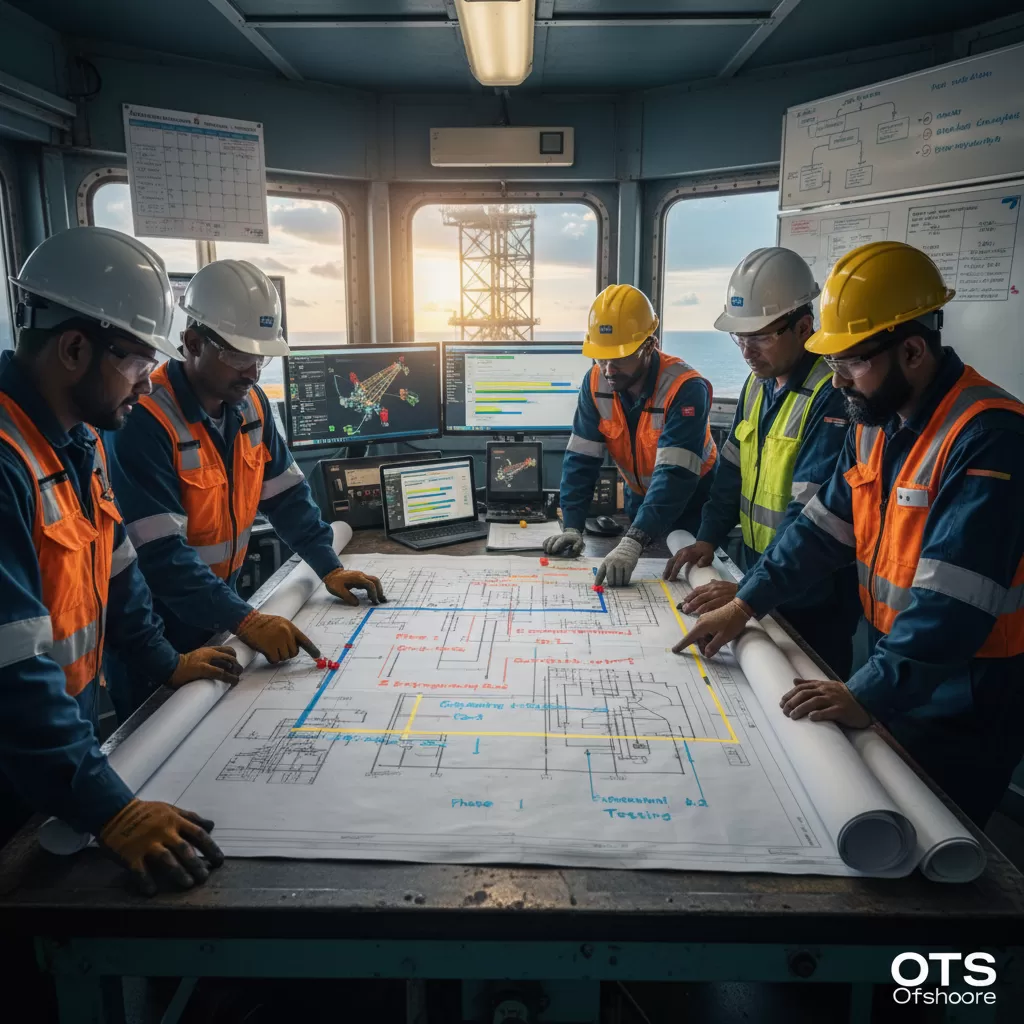
This article delves into the critical aspects of maintenance planning and overhaul strategies for jack-up and semi-submersible rigs, essential for ensuring operational integrity, safety, and cost-efficiency in the demanding offshore oil and gas industry. It explores the lifecycle management of these complex assets, highlighting proactive approaches to minimize downtime and maximize asset longevity.
Optimizing Offshore Rig Uptime: Advanced Maintenance Planning and Overhaul Strategies for Jack-up and Semi-submersible Units
Effective maintenance planning and overhaul strategies are paramount for the sustained performance and safety of jack-up and semi-submersible rigs. These sophisticated offshore structures operate in challenging environments, making their reliability directly proportional to meticulous upkeep. The complexity of their systems, from drilling equipment and jacking mechanisms to hull integrity and living quarters, necessitates a robust framework for scheduled and unscheduled interventions. A well-defined maintenance planning overhaul approach not only prevents catastrophic failures but also optimizes operational expenditure, reduces unplanned downtime, and extends the asset’s economic life. Understanding the nuances of maintaining these mobile offshore drilling units (MODUs) is crucial for operators and service providers alike. This comprehensive guide explores the foundational elements, strategic considerations, and advanced methodologies involved in ensuring the continuous and safe operation of jack-up and semi-submersible rigs through effective maintenance planning and overhaul.
The Crucial Role of Maintenance Planning Overhaul in Offshore Operations
The offshore exploration and production (E&P) sector relies heavily on the uninterrupted operation of mobile offshore drilling units (MODUs) such as jack-up rigs and semi-submersible platforms. The demanding nature of these operations, often conducted in remote and harsh marine environments, underscores the indispensable nature of rigorous maintenance planning and overhaul. Unplanned downtime can lead to significant financial losses due to lost production, increased day rates for replacement units, and potential contractual penalties. Beyond economic implications, equipment failures can pose severe safety risks to personnel and the environment. Therefore, a proactive and strategic approach to maintenance planning overhaul is not merely a best practice; it is a fundamental requirement for operational success and regulatory compliance. This proactive stance shifts the paradigm from reactive repairs to predictive and preventive actions, significantly enhancing the overall integrity and efficiency of the rig.
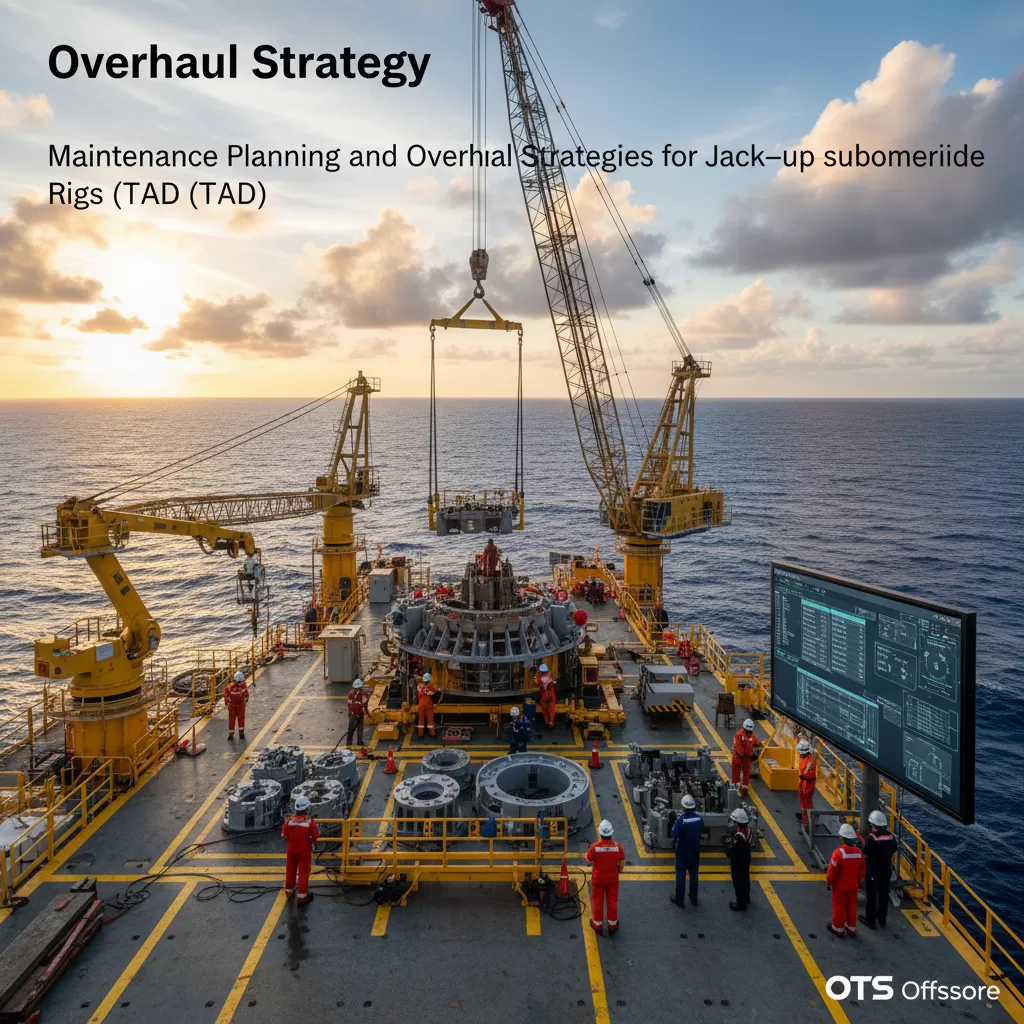
Understanding Jack-up and Semi-submersible Rig Systems: A Foundation for Effective Maintenance
To effectively implement maintenance planning overhaul, a deep understanding of the intricate systems comprising jack-up and semi-submersible rigs is essential. These rigs are highly complex engineering marvels, each component playing a vital role in safe and efficient operation.
Jack-up Rig Specifics
Jack-up rigs, characterized by their ability to elevate their hull above the water surface on retractable legs, require specialized maintenance considerations. The jacking system, comprising legs, spud cans, and hydraulic or mechanical jacking units, is a critical area. Regular inspections of leg material for fatigue, corrosion, and structural integrity are paramount. The jacking mechanism itself, including gears, motors, and hydraulic lines, demands meticulous lubrication, calibration, and functional testing. Furthermore, the leg-to-hull connection points are subject to immense stress and require diligent monitoring for wear and tear. The drill floor equipment, including drawworks, top drives, and rotary tables, necessitates routine maintenance to ensure drilling operations proceed without interruption. Accommodation modules, power generation systems, and dynamic positioning (DP) systems (if applicable) also fall under the umbrella of essential maintenance.
Semi-submersible Rig Specifics
Semi-submersible rigs, which float on submerged pontoons and are stabilized by columns, present a different set of maintenance challenges. Their inherent mobility and operation in deeper waters necessitate a strong focus on hull integrity, ballast systems, and mooring or DP systems. Regular hull inspections, including underwater surveys, are crucial for detecting corrosion, damage, and any signs of structural compromise. The ballast control system, vital for stability, requires regular testing of pumps, valves, and control interfaces. For moored semi-submersibles, the inspection and maintenance of mooring lines, anchors, and chain condition are critical to prevent excursion beyond operational limits. DP systems, employed on many modern semi-submersibles, require rigorous testing of thrusters, control systems, and navigation sensors to maintain position accurately. The complex machinery deck, housing drilling equipment, power generation, and auxiliary systems, demands continuous attention to prevent operational failures.
Core Principles of Maintenance Planning Overhaul
A successful maintenance planning overhaul program is built upon a set of fundamental principles that guide all activities. These principles ensure a systematic, comprehensive, and efficient approach to asset management.
– Risk-Based Inspection (RBI) and Maintenance: Prioritizing maintenance activities based on the potential consequences of failure and the likelihood of occurrence. This ensures that resources are allocated to the most critical components and systems.
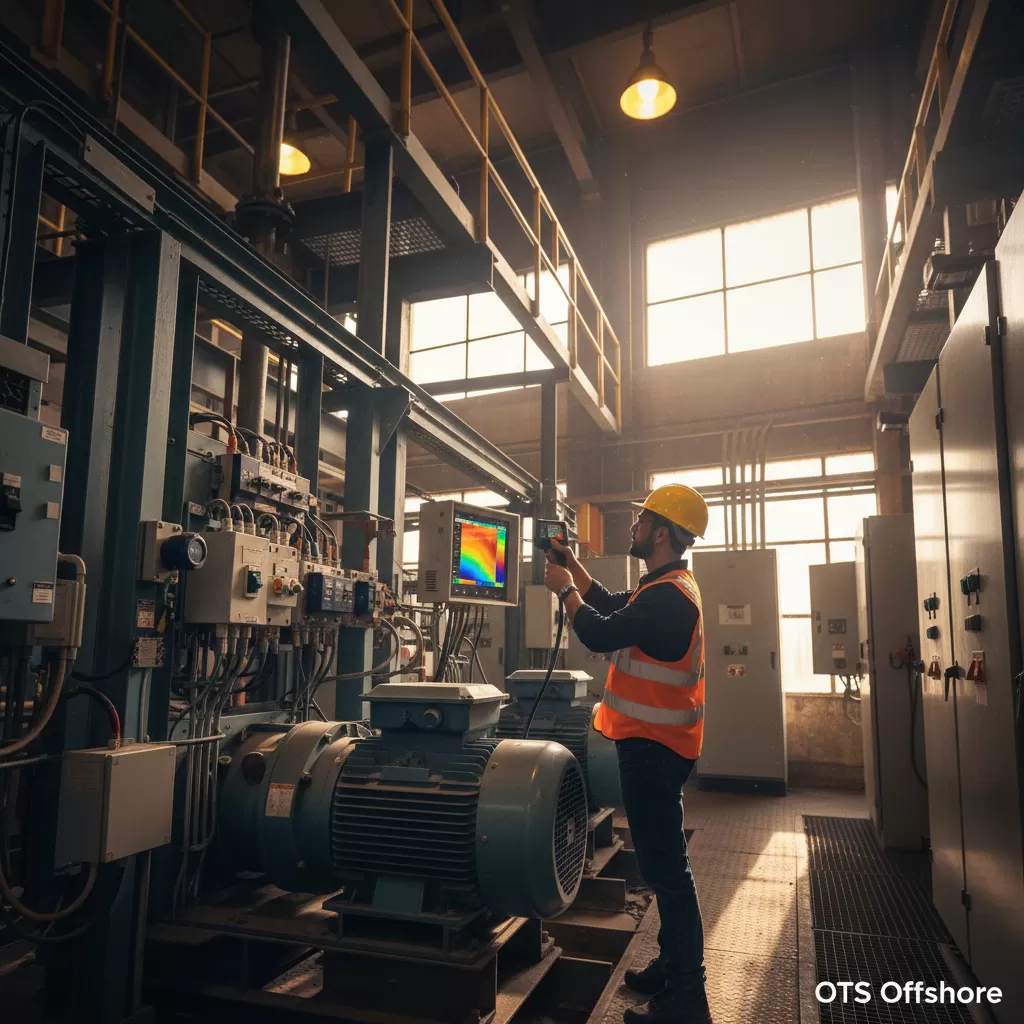
– Condition-Based Monitoring (CBM): Employing advanced technologies such as vibration analysis, thermography, oil analysis, and ultrasonic testing to assess the actual condition of equipment and predict potential failures before they occur.
– Preventive Maintenance (PM): Implementing scheduled maintenance tasks based on time intervals or usage to prevent equipment degradation and failure. This includes lubrication, inspection, cleaning, and minor part replacements.
– Predictive Maintenance (PdM): Utilizing data from CBM techniques to forecast when equipment maintenance will be needed, allowing for planned interventions and minimizing unplanned downtime.
– Corrective Maintenance (CM): Addressing equipment failures after they occur. While unavoidable in some instances, a robust PM and PdM program significantly reduces the reliance on CM.
– Reliability Centered Maintenance (RCM): A systematic approach to identifying maintenance strategies for physical assets within their operating context. It focuses on preserving the functions of systems and equipment.
– Integrated Logistic Support (ILS): Ensuring that all necessary support elements, such as spare parts, tools, documentation, and personnel training, are available and coordinated to support maintenance activities.

Developing a Robust Maintenance Planning Overhaul Strategy
The development of a comprehensive maintenance planning overhaul strategy requires a systematic and phased approach. This ensures that all aspects of rig operation and maintenance are considered, from long-term planning to immediate task execution.
1. Asset Integrity Management Framework
A foundational element of any effective maintenance planning overhaul strategy is a robust Asset Integrity Management (AIM) framework. This framework establishes the overarching principles, policies, and procedures for ensuring that the rig remains fit for purpose throughout its operational life. Key components of an AIM framework include:
– Setting clear objectives and performance standards for asset integrity.
– Establishing roles and responsibilities for all personnel involved in asset management.
– Implementing rigorous risk assessment processes to identify potential hazards and failure modes.
– Developing comprehensive procedures for inspection, testing, and maintenance.
– Ensuring adequate training and competency assurance for all personnel.
– Establishing a system for reporting, investigating, and learning from incidents and near misses.
2. Lifecycle Maintenance Planning
Maintenance planning overhaul must consider the entire lifecycle of the rig, from its construction and commissioning through its operational phases and eventual decommissioning.
– Design and commissioning phase: Ensuring that maintenance considerations are integrated into the design, and that commissioning procedures are thorough, establishing a baseline for future maintenance.
– Operational phase: This is the longest phase, where the bulk of maintenance planning overhaul activities occur. Strategies here focus on proactive and predictive measures.
– Decommissioning phase: Planning for the safe and environmentally responsible cessation of operations, including the removal and disposal or recycling of the rig.
3. Integrated Maintenance Planning and Scheduling
Effective planning and scheduling are at the heart of successful maintenance operations. This involves a systematic process for identifying, prioritizing, and allocating resources for maintenance tasks.
– Work Identification: All maintenance needs, whether from inspections, CBM, PM schedules, or operational issues, must be logged and tracked.
– Work Prioritization: Tasks are prioritized based on safety risks, operational impact, regulatory requirements, and economic considerations.
– Resource Allocation: Ensuring that the necessary personnel, specialized tools, equipment, and spare parts are available when needed.
– Scheduling: Developing detailed work schedules that minimize disruption to drilling operations and optimize resource utilization. This often involves balancing planned overhauls with ongoing operational needs.
4. Execution Excellence: Performing Maintenance and Overhauls
The actual execution of maintenance and overhaul tasks demands precision, adherence to procedures, and a strong safety culture.
– Detailed Work Instructions: Providing clear, concise, and accurate work instructions for all maintenance tasks.
– Competent Personnel: Ensuring that all personnel performing maintenance are adequately trained, qualified, and experienced.
– Quality Assurance: Implementing quality checks and inspections at various stages of the maintenance process to ensure that work is performed to the required standards.
– Safety Management: Strict adherence to all safety procedures, including permit-to-work systems, lockout/tagout (LOTO), and personal protective equipment (PPE) requirements.
– Documentation: Thoroughly documenting all maintenance activities, including inspections, repairs, parts replaced, and any deviations from standard procedures. This documentation is crucial for historical tracking and future planning.
5. Leveraging Technology for Enhanced Maintenance Planning Overhaul
Modern technology offers significant opportunities to enhance the effectiveness of maintenance planning overhaul.
– Computerized Maintenance Management Systems (CMMS): These software systems are essential for managing asset data, work orders, spare parts inventory, and maintenance schedules. They provide a centralized platform for all maintenance-related information.
– Data Analytics and Artificial Intelligence (AI): Analyzing vast amounts of data generated from CBM sensors and historical maintenance records can reveal patterns and anomalies that predict potential failures with greater accuracy. AI can also optimize scheduling and resource allocation.
– Digital Twins: Creating virtual replicas of the rig allows for simulation of different maintenance scenarios and prediction of equipment behavior under various operating conditions.
– Remote Monitoring and Diagnostics: Utilizing sensors and communication technologies to monitor equipment performance remotely, enabling early detection of issues and proactive intervention.
Specific Overhaul Strategies for Critical Rig Systems
Certain systems on jack-up and semi-submersible rigs are particularly critical and require specialized overhaul strategies to ensure their continued functionality and safety.
Jacking Systems and Leg Integrity (Jack-ups)
The overhaul of jacking systems on jack-up rigs is a complex and time-consuming process, often requiring the rig to be taken out of service.
– Leg inspection and repair: Detailed ultrasonic testing and visual inspections of leg sections for corrosion, pitting, and potential fatigue cracks. Any identified defects require specialized repair procedures, often involving welding and material replacement.
– Spud can integrity: Inspection of spud cans for wear, deformation, and weld integrity. Repair or replacement may be necessary if significant damage is detected.
– Jacking unit overhaul: Disassembly, inspection, cleaning, and replacement of worn components (gears, bearings, seals) within the jacking units. Hydraulic systems require thorough flushing and testing.
– Load testing: After significant overhaul, the jacking system and legs are typically subjected to load tests to verify their structural integrity and operational capability.
Hull and Pontoon Integrity (Semi-submersibles)
Maintaining the structural integrity of the hull and pontoons on semi-submersible rigs is paramount for buoyancy and stability.
– Dry-docking for surveys and repairs: Periodic dry-docking is essential for comprehensive hull inspections, including close visual examination, non-destructive testing (NDT) for corrosion and cracks, and thickness measurements.
– Cathodic protection system maintenance: Ensuring the sacrificial anodes or impressed current cathodic protection systems are functioning effectively to prevent corrosion.
– Ballast tank inspections and coating renewal: Ballast tanks are prone to corrosion due to water ingress and chemical reactions. Regular inspection and recoating are vital.
– Structural repairs: Addressing any detected structural deficiencies through welding, reinforcement, or replacement of damaged sections.
Drilling Equipment Overhaul
The drilling package is the core operational component of both rig types.
– Drawworks and hoisting systems: Overhaul of brakes, clutches, gears, bearings, and hydraulic systems.
– Top drive and rotary table: Comprehensive inspection and overhaul of power swivels, gearboxes, seals, and electrical components.
– BOP (Blowout Preventer) stack: While BOPs have their own rigorous maintenance schedules, their integration with the rig’s systems requires careful coordination during rig overhauls. Overhaul includes testing of hydraulic control systems, rams, and seals.
– Mud systems and pumps: Inspection and refurbishment of mud pumps, shale shakers, desanders, and desilters, including wear parts and seals.
Power Generation and Distribution Systems
Reliable power is fundamental to all rig operations.
– Engine overhauls: Major overhauls of diesel engines include cylinder head work, piston replacement, bearing checks, and fuel system calibration.
– Generator inspections and rewinding: Testing of generator windings for insulation integrity and potential rewinding if performance deteriorates.
– Electrical control systems: Inspection and testing of switchgear, motor control centers (MCCs), and distribution panels for functionality and safety.
The Importance of Spare Parts Management and Inventory Control
Effective maintenance planning overhaul is intrinsically linked to efficient spare parts management.
– Critical spares identification: Identifying a comprehensive list of critical spare parts required to maintain operational continuity and safety.
– Inventory optimization: Maintaining optimal stock levels to ensure availability while minimizing warehousing costs and obsolescence.
– Vendor management: Establishing strong relationships with reliable suppliers to ensure timely delivery of high-quality spare parts.
– Spare parts tagging and tracking: Implementing a system for tagging, tracking, and managing the condition of spare parts.
Human Capital and Competency in Maintenance Planning Overhaul
The success of any maintenance strategy hinges on the skills, knowledge, and dedication of the personnel involved.
– Training and development: Continuous training programs are essential to keep personnel updated on the latest technologies, procedures, and safety standards.
– Competency assessment: Regularly assessing the competency of maintenance personnel to ensure they possess the necessary skills for their roles.
– Knowledge transfer: Implementing mechanisms for transferring knowledge from experienced personnel to newer team members, especially during rig move or major overhaul periods.
– Safety culture: Fostering a strong safety culture where all personnel are empowered to stop work if they perceive a safety risk.
The meticulous execution of maintenance planning overhaul for jack-up and semi-submersible rigs is a continuous journey of optimization, leveraging technological advancements and a deep understanding of asset performance. This proactive approach is the bedrock of safe, efficient, and profitable offshore operations, ensuring these complex machines continue to deliver essential energy resources reliably.