

Offshore logistics challenges, particularly concerning the replacement of large components like gearboxes in offshore energy assets, present a complex web of operational hurdles. This article delves into these multifaceted issues, exploring the critical factors, innovative solutions, and strategic considerations required for successful execution.
Navigating Offshore Logistics Challenges in Large Component Replacements
The offshore energy sector, encompassing oil and gas exploration, production, and increasingly, renewable energy sources like wind farms, operates in some of the planet’s most demanding environments. Within these operations, the maintenance and replacement of critical, large-sized components, such as wind turbine gearboxes or subsea processing equipment, represent a significant logistical undertaking. Addressing these offshore logistics challenges effectively is paramount to ensuring asset uptime, operational efficiency, and, crucially, the safety of personnel and the environment. The sheer scale and weight of these components, coupled with the inherent complexities of the marine environment, necessitate meticulous planning, specialized equipment, and a robust understanding of the inherent risks.
Understanding the Scope of Offshore Logistics Challenges
The replacement of large offshore components is not a routine maintenance task; it is a project in itself, often requiring specialized marine vessels, heavy lifting equipment, and highly skilled personnel. These operations can significantly impact production schedules and incur substantial costs if not managed efficiently. The term “large components” in this context refers to items weighing tens to hundreds of tonnes, often with significant physical dimensions, demanding careful consideration from the initial planning stages through to final installation.
The Criticality of Gearbox Replacement in Offshore Wind Turbines
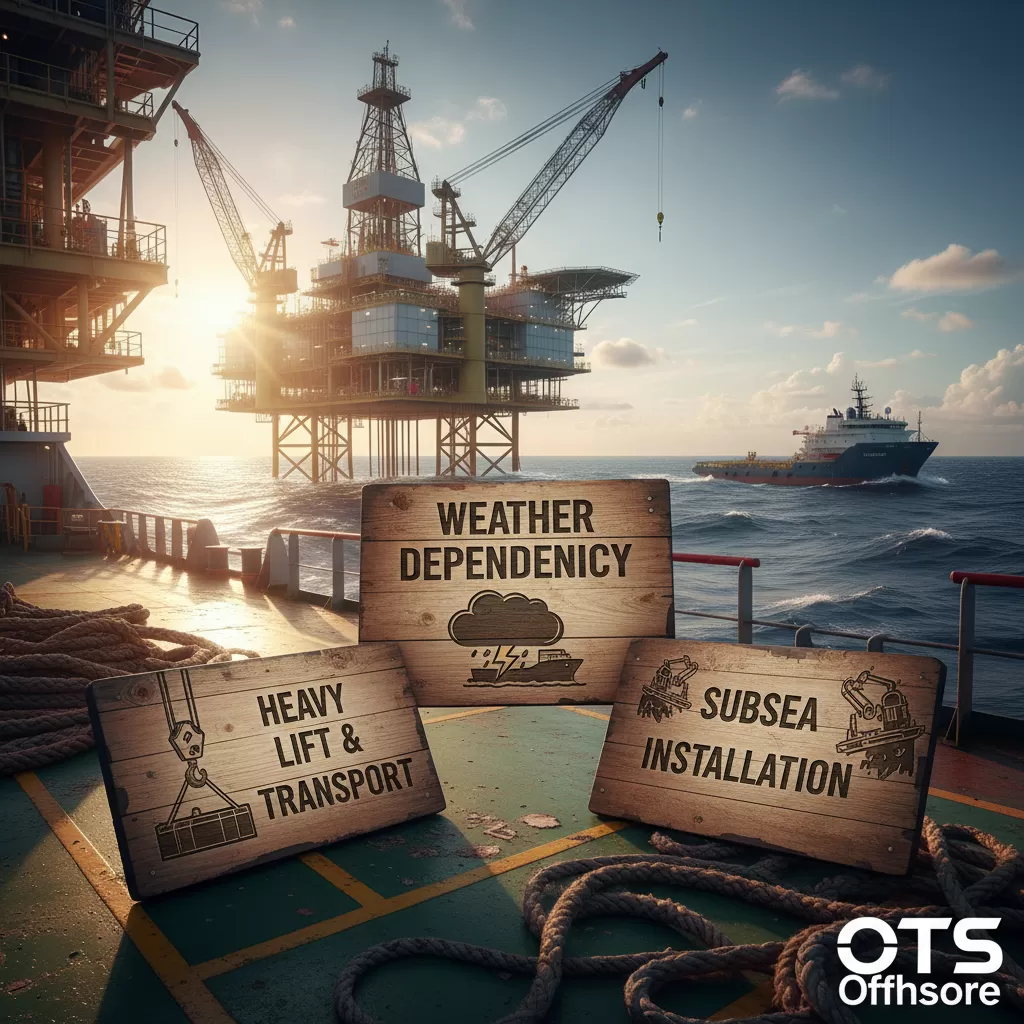
Gearboxes in offshore wind turbines are a prime example of a component whose replacement epitomizes offshore logistics challenges. These units are vital for converting the slow rotation of the turbine blades into the high-speed rotation required by the generator. Given their complexity, weight, and the harsh operational conditions offshore, gearboxes are susceptible to failure, necessitating their replacement to restore or maintain power generation. The process involves not just the removal of the old unit and installation of a new one, but a cascade of logistical activities that extend far beyond the immediate component swap. This includes the coordination of specialized vessels for transport, the mobilization of cranes with sufficient lifting capacity, the provision of safe working platforms, and the meticulous planning of weather windows.
Subsea Equipment Replacement: A Deeper Dive into Complexity
Beyond wind energy, the oil and gas sector faces equally formidable offshore logistics challenges with the replacement of subsea equipment. This can include subsea production trees, manifolds, and processing modules. These components are often located at considerable depths, adding significant pressure and environmental considerations to the operation. Retrieval and installation require highly specialized remotely operated vehicles (ROVs), dynamic positioning vessels, and sophisticated lifting systems capable of precise subsea maneuvers. The cost of failure or delays in these operations can be astronomical, given the high daily operating costs of offshore platforms and vessels.
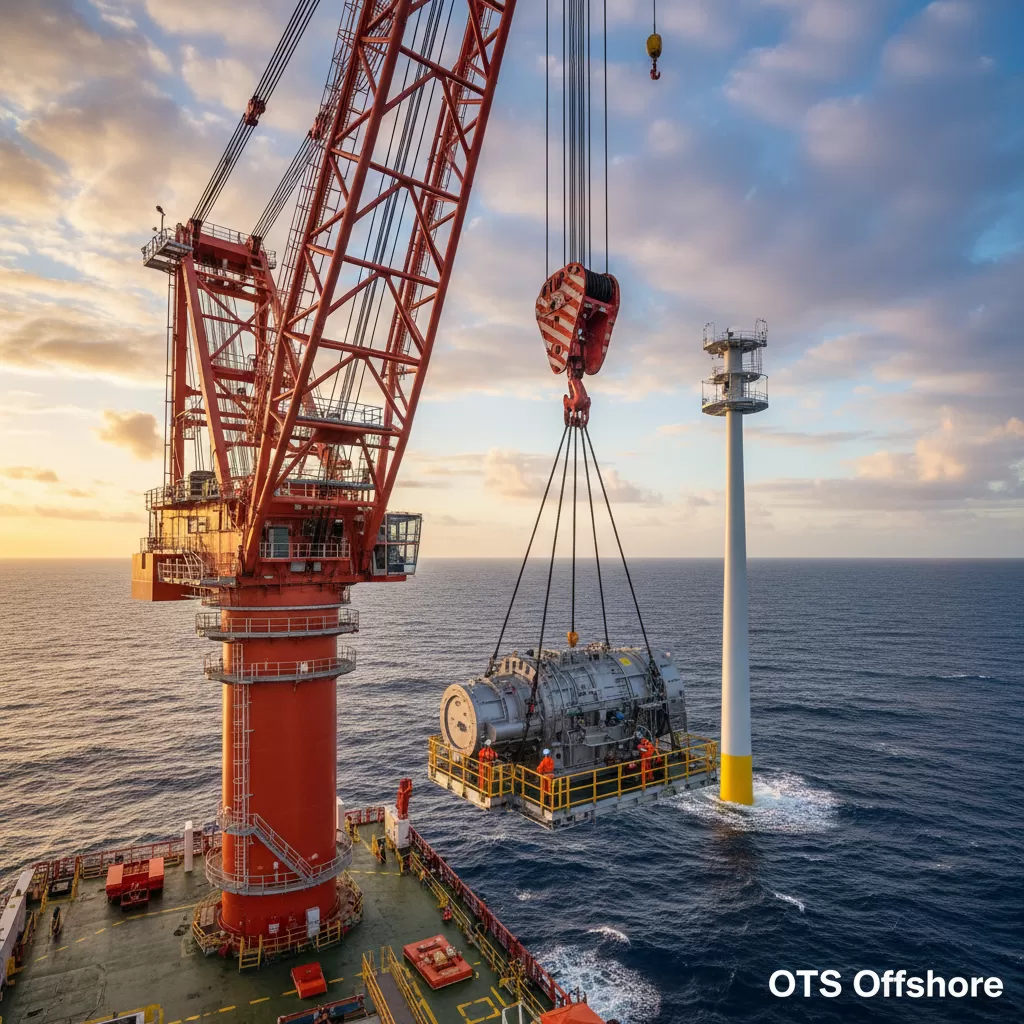
Key Offshore Logistics Challenges in Large Component Replacement
The intricacies of replacing large offshore components are multifaceted, spanning technical, environmental, and economic dimensions. Identifying and mitigating these challenges is fundamental to successful project execution.
– Weather Dependency: The most pervasive challenge is the weather. Offshore operations are highly susceptible to adverse weather conditions, including high winds, rough seas, and fog. These can lead to significant delays, increased costs due to extended vessel mobilization, and potential safety hazards. The precise timing and duration of favorable weather windows are critical for operations involving heavy lifting and precise maneuvering.
– Vessel and Equipment Availability: Specialized vessels, such as heavy lift vessels, wind turbine installation vessels (WTIVs), and construction support vessels (CSVs), are essential for these operations. Their availability is often limited, and booking them well in advance is crucial. Furthermore, the availability of appropriately sized cranes and ancillary lifting equipment, both onshore for preparation and offshore for execution, must be meticulously coordinated.
– Component Handling and Securing: The sheer size and weight of components like gearboxes or subsea modules require specialized lifting frames, skidding systems, and securing arrangements. Ensuring these components are safely lifted, transported, and installed without damage is paramount. This involves detailed engineering analyses to determine the center of gravity, stress points, and appropriate handling procedures.
– Health, Safety, and Environmental (HSE) Considerations: Offshore environments are inherently hazardous. Working at height, with heavy machinery, and in a marine setting necessitates stringent HSE protocols. The risk of dropped objects, personnel injury, and environmental incidents (e.g., spills) must be thoroughly assessed and mitigated through rigorous safety procedures, training, and emergency response plans.
– Permitting and Regulatory Compliance: Operations in offshore environments often require a complex web of permits and regulatory approvals from various authorities, depending on the geographical location and the nature of the operation. Ensuring compliance with all relevant maritime laws, environmental regulations, and safety standards adds another layer of complexity.
– Cost Management: Offshore logistics are inherently expensive. The daily rates of specialized vessels, the cost of personnel, the mobilization of equipment, and the potential for extended project timelines due to unforeseen circumstances all contribute to substantial project costs. Effective cost control and budgeting are therefore critical.
– Interface Management: Replacing a large component often involves interfaces with multiple other systems, both upstream and downstream. This includes power transmission, structural integrity, hydraulic systems, and control systems. Managing these interfaces to ensure seamless integration of the new component requires extensive coordination between different engineering disciplines and contractors.
– Decommissioning and Disposal: The disposal or refurbishment of the removed large component also presents logistical and environmental challenges. This requires proper planning for transportation back to shore, handling at port facilities, and adherence to environmental regulations for waste management or recycling.
Strategic Approaches to Mitigate Offshore Logistics Challenges
Addressing these challenges requires a proactive and strategic approach. The focus must be on meticulous planning, risk assessment, and the adoption of innovative solutions.
Enhanced Planning and Risk Assessment
– Detailed Project Planning: Comprehensive project plans, including detailed work breakdown structures (WBS), Gantt charts, and critical path analyses, are essential. These should incorporate contingency planning for weather delays and unforeseen technical issues.
– Thorough Risk Assessment and Mitigation: A robust risk assessment process, including Failure Mode and Effects Analysis (FMEA) and Hazard and Operability Studies (HAZOP), should be conducted. This allows for the identification of potential risks and the development of effective mitigation strategies.
– Simulation and Modeling: Advanced simulation tools can be used to model lifting operations, vessel movements, and environmental conditions, helping to identify potential issues before they arise offshore.
Optimizing Vessel and Equipment Utilization
– Early Vessel and Equipment Procurement: Securing the necessary specialized vessels and equipment well in advance of the project commencement is crucial to avoid availability conflicts and escalating costs.
– Integrated Logistics Planning: A holistic approach to logistics planning that considers all aspects of the supply chain, from component manufacturing to final installation and demobilization, can optimize resource allocation and minimize lead times.
– Multi-purpose Vessels: Where feasible, the use of multi-purpose vessels that can perform a variety of tasks can improve efficiency and reduce the number of specialized vessels required.
Advanced Component Handling and Installation Techniques
– Specialized Lifting Frames and Gear: Investing in or procuring state-of-the-art lifting frames, spreader bars, and securing systems designed for specific large components can significantly enhance safety and efficiency.
– Modularization and Pre-assembly: Where possible, components can be modularized or pre-assembled onshore to reduce the amount of work required offshore, thereby minimizing exposure to weather and maximizing efficiency.
– Advanced Installation Methodologies: Exploring and adopting new installation techniques, such as jacking systems or guided lifting systems, can improve precision and safety during critical phases of the operation.
Prioritizing HSE Excellence
– Robust Safety Management Systems: Implementing and strictly adhering to comprehensive HSE management systems, including permit-to-work systems, toolbox talks, and regular safety audits, is non-negotiable.
– Competent Personnel: Ensuring all personnel involved in offshore operations are adequately trained, experienced, and certified for their specific roles is fundamental. This includes specialized training in heavy lifting, working at height, and emergency response.
– Environmental Monitoring and Management: Implementing strict protocols for waste management, spill prevention, and environmental impact monitoring is essential to comply with regulations and protect the marine ecosystem.
Leveraging Technology and Innovation
– Digitalization and Data Analytics: Utilizing digital twins, IoT sensors, and data analytics can provide real-time insights into asset performance, operational status, and environmental conditions, enabling proactive decision-making.
– Advanced Weather Forecasting: Employing sophisticated weather forecasting services and integrating this data into operational planning can help optimize execution windows and minimize weather-related disruptions.
– Robotics and Automation: The increasing use of robotics and automation, particularly for subsea operations, can reduce the need for human intervention in hazardous environments and improve precision.
– Remote Monitoring and Control: Technologies enabling remote monitoring and, in some cases, control of offshore assets can reduce the requirement for personnel to be physically present on the asset for routine inspections and minor adjustments, thus enhancing safety and efficiency.
– Drone Technology: Drones are increasingly used for visual inspections of offshore structures and components, providing aerial imagery that can identify potential issues without the need for direct human access to hazardous areas.
The successful replacement of large components offshore is a testament to meticulous planning, sophisticated engineering, and an unwavering commitment to safety. As the offshore energy sector continues to evolve, driven by the transition to renewable sources and the ongoing demands of oil and gas production, the ability to effectively manage and overcome these intricate offshore logistics challenges will remain a critical determinant of success. This involves not only mastering the technical aspects but also fostering a culture of continuous improvement, innovation, and rigorous adherence to best practices in every facet of offshore operations. The ongoing development of new technologies and methodologies promises to further enhance efficiency and safety in tackling these complex logistical undertakings.