

This article delves into the critical aspects of Offshore Rigs Safety Protocols, outlining essential measures to prevent catastrophic accidents and operational lapses in the demanding offshore energy sector. It emphasizes the proactive and systematic approach required to safeguard personnel, assets, and the environment.
Enhancing Offshore Rigs Safety Protocols: A Sentinel Against Catastrophic Failures
The imperative for robust Offshore Rigs Safety protocols cannot be overstated. In the high-stakes environment of offshore oil and gas exploration and production, where operations are conducted in some of the planet’s most challenging conditions, the margin for error is vanishingly small. The consequences of safety failures can be devastating, ranging from loss of life and severe injuries to significant environmental damage and immense financial repercussions. Therefore, a comprehensive and rigorously enforced safety framework is not merely a regulatory requirement but a fundamental pillar of responsible and sustainable operations. Understanding the multifaceted nature of offshore rig safety requires a deep dive into the various layers of protection, procedural integrity, and human factors that collectively contribute to a secure working environment. This exploration will dissect the core elements that define effective Offshore Rigs Safety, including risk assessment, hazard identification, emergency preparedness, technological integration, and the indispensable human element.
The Imperative of Proactive Offshore Rigs Safety Measures
Proactive Offshore Rigs Safety is the bedrock upon which the entire operational integrity of offshore installations is built. It moves beyond a reactive stance, where measures are implemented only after an incident has occurred, to a forward-thinking strategy that anticipates potential hazards and mitigates them before they can manifest into accidents. This philosophy is embedded in the very design and operation of offshore facilities. From the initial conceptualization and engineering phases, safety considerations are paramount. The selection of materials, the structural integrity of the platform, the design of process systems, and the layout of living quarters all contribute to an inherent level of safety. However, safety is not a static achievement; it is a continuous process of vigilance, adaptation, and improvement. Regular inspections, meticulous maintenance schedules, and ongoing risk assessments are vital components of this proactive approach. The goal is to foster a safety culture where every individual, from the most senior executive to the newest crew member, understands their role and responsibility in maintaining a safe working environment. This pervasive safety consciousness is the most potent defense against the myriad risks inherent in offshore operations.
Key Pillars of Proactive Offshore Rigs Safety
– Risk Assessment and Hazard Identification: The cornerstone of any effective safety program lies in its ability to accurately identify potential hazards and assess the associated risks. This involves a systematic process of analyzing all operational activities, from drilling and production to maintenance and transportation. Techniques such as Hazard and Operability Studies (HAZOP), Failure Mode and Effects Analysis (FMEA), and Bow-Tie analysis are routinely employed to dissect complex systems and pinpoint potential failure points. Understanding the likelihood and severity of each identified hazard allows for the prioritization of mitigation strategies, ensuring that resources are focused on the most critical areas. This continuous cycle of identification and assessment is dynamic, evolving with operational changes, new technologies, and lessons learned from incidents within the industry.
– Engineering Controls and Safety Systems: The physical design of an offshore rig incorporates a multitude of engineering controls and safety systems to prevent accidents and minimize their impact. This includes advanced fire and gas detection systems, emergency shutdown (ESD) mechanisms, blowout preventers (BOPs), deluge systems, and containment barriers. Redundancy is a key principle in the design of critical safety systems, ensuring that if one system fails, another can take over. Furthermore, the structural integrity of the rig itself, designed to withstand extreme weather conditions and potential impacts, is a fundamental engineering control. Regular testing and certification of these systems are crucial to guarantee their reliability when needed most.
– Operational Procedures and Permit-to-Work Systems: Clear, concise, and rigorously followed operational procedures are essential for preventing human error. These procedures cover every aspect of rig operations, from routine tasks to complex maintenance activities. The Permit-to-Work (PTW) system is a critical administrative control that ensures high-risk activities are properly authorized, planned, and executed with appropriate safety precautions in place. This system involves a formal process of authorization, hazard assessment, and the implementation of specific controls before any non-routine or potentially hazardous work can commence. It fosters communication and coordination among different work groups, ensuring that all parties involved are aware of the risks and the necessary precautions.
– Training and Competency Development: The human element is arguably the most critical factor in Offshore Rigs Safety. Even the most sophisticated technology and stringent procedures are rendered ineffective if the personnel operating them are not adequately trained and competent. Comprehensive training programs are essential, covering not only technical skills but also safety procedures, emergency response, and hazard recognition. Regular refresher courses and competency assessments ensure that personnel maintain their skills and knowledge. A strong emphasis on cultivating a positive safety culture, where reporting near misses and potential hazards is encouraged without fear of reprisal, is paramount.
Mitigating Specific Offshore Rig Hazards
The offshore environment presents a unique set of hazards that demand specialized mitigation strategies. Understanding these specific risks is fundamental to implementing effective Offshore Rigs Safety protocols.
Fire and Explosion Risks
– Hydrocarbon Leak Detection and Control: The presence of flammable hydrocarbons in high concentrations poses a significant fire and explosion risk. Advanced leak detection systems, utilizing sensors that can identify both gas and vapor leaks, are critical. These systems are often integrated with automated shutdown sequences that isolate the source of the leak and prevent ignition. Regular inspection of pipelines, valves, and associated equipment for signs of wear, corrosion, or damage is vital to prevent leaks from occurring in the first place.
– Ignition Source Control: Eliminating or controlling potential ignition sources is equally important. This involves strict adherence to hot work permit procedures, the use of intrinsically safe equipment in hazardous areas, and measures to prevent static electricity discharge. Regular maintenance of electrical equipment to prevent faults that could lead to sparks is also crucial.
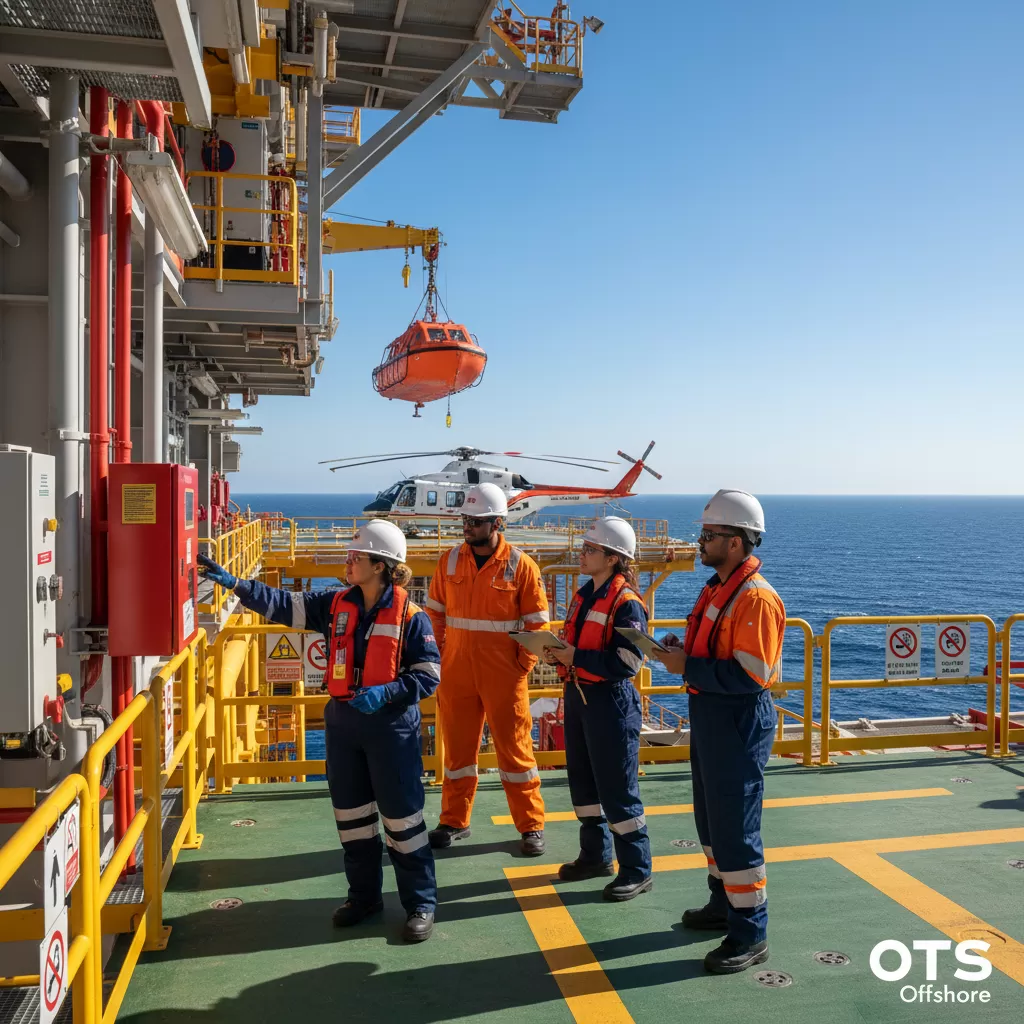
– Firefighting Systems and Response: Robust firefighting systems, including deluge systems, foam systems, and portable fire extinguishers, are installed throughout the rig. Emergency response plans must include detailed procedures for fighting fires, evacuating personnel, and coordinating with external emergency services. Regular drills are essential to ensure that the crew is proficient in using firefighting equipment and executing evacuation procedures.
Well Control Incidents
– Blowout Preventer (BOP) Integrity and Testing: The Blowout Preventer (BOP) is a critical piece of equipment designed to seal off the wellbore in case of an uncontrolled flow of formation fluids. Regular, rigorous testing of the BOP’s functionality and integrity is paramount. This includes pressure testing, function testing of all its components, and ensuring that the control systems are fully operational. Any deficiencies must be addressed immediately.
– Well Design and Monitoring: The integrity of the wellbore itself is crucial. This involves proper casing design, cementing operations, and continuous monitoring of well parameters such as pressure, temperature, and flow rates. Anomalies in these parameters can indicate a potential loss of well control, prompting immediate intervention.
– Crew Training in Well Control: Personnel involved in drilling operations must receive specialized training in well control techniques. This training equips them with the knowledge and skills to recognize the early signs of a kick (an influx of formation fluids into the wellbore) and to implement appropriate procedures to regain control of the well.
Environmental Hazards and Weather Impacts
– Structural Integrity Management: Offshore rigs are subjected to extreme environmental forces, including high winds, heavy seas, and corrosive conditions. A comprehensive structural integrity management program, involving regular inspections, non-destructive testing, and proactive maintenance, is essential to prevent structural failures. This includes monitoring for fatigue, corrosion, and any signs of deformation.
– Weather Forecasting and Operational Adjustments: Advanced weather forecasting capabilities are crucial for safe operations. Rig managers must be able to anticipate severe weather events and make timely decisions regarding operational adjustments, such as suspending certain activities, securing equipment, or even initiating an evacuation if necessary.
– Spill Prevention and Response: Measures to prevent oil spills, such as robust containment systems and regular inspection of transfer hoses and pipelines, are vital. In the event of a spill, a well-rehearsed emergency response plan, including containment, cleanup, and reporting procedures, must be in place. This also includes having readily available spill response equipment.
Working at Height and Dropped Objects
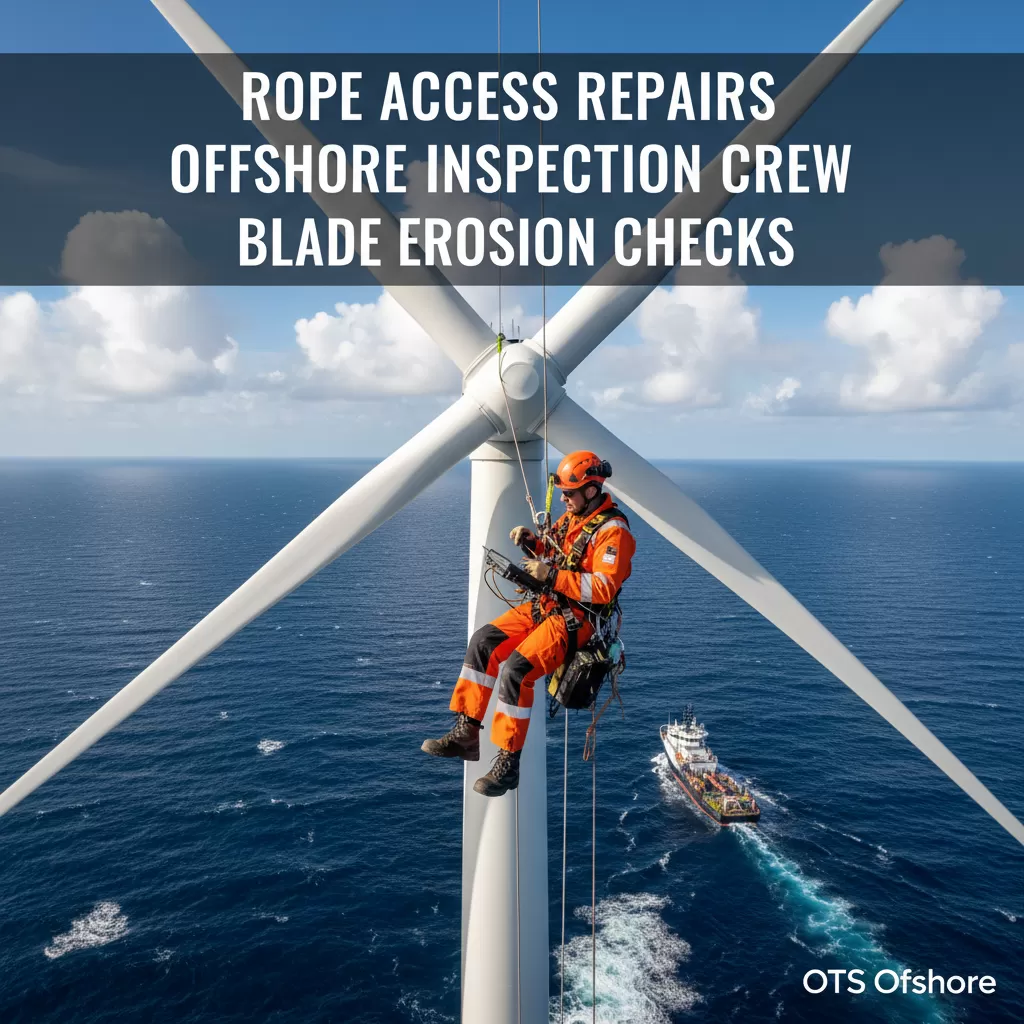
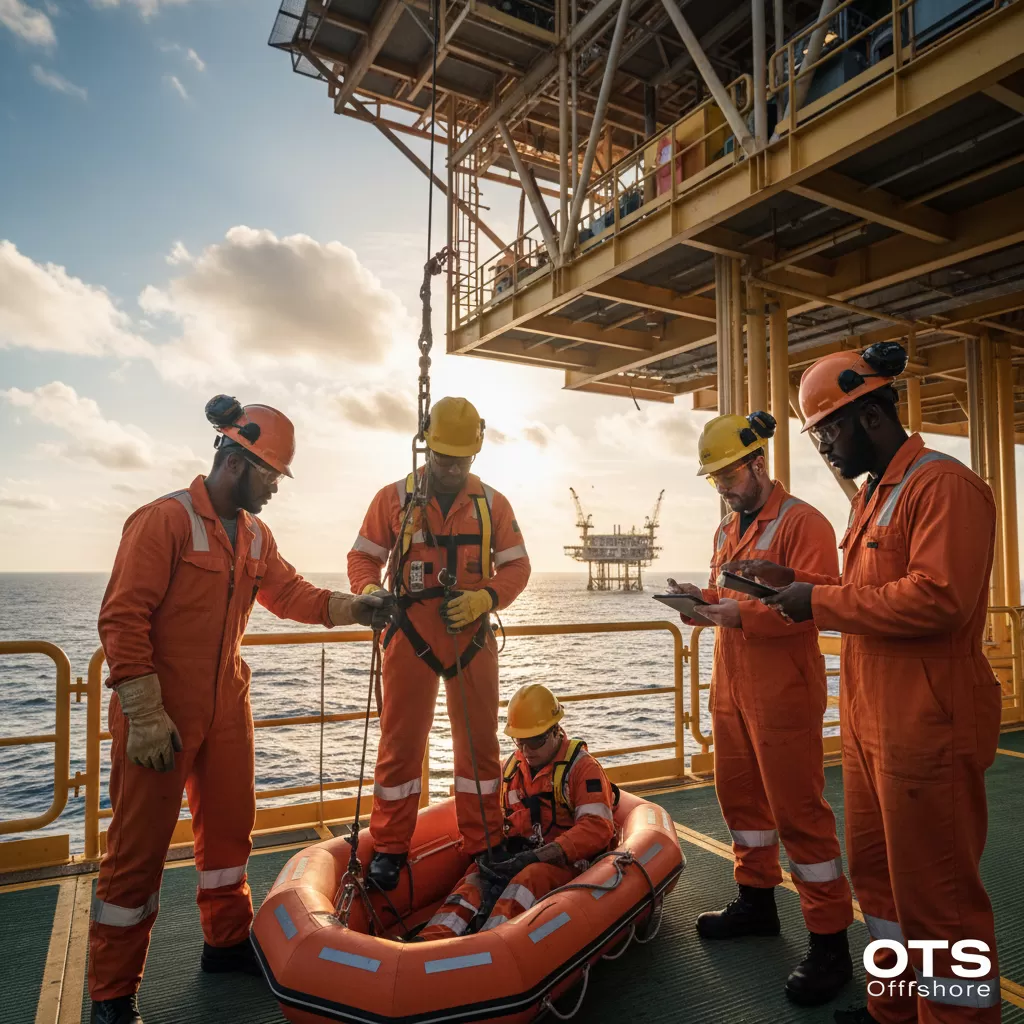
– Fall Protection Systems: Working at height is a common activity on offshore rigs, necessitating strict adherence to fall protection protocols. This includes the mandatory use of personal fall arrest systems (PFAS), safety harnesses, lanyards, and lifelines. Designated safe work zones and barriers should be established where the risk of falling is present.
– Dropped Object Prevention Programs (DOPPs): The risk of dropped objects, which can cause severe injury or death, is a significant concern. DOPPs involve systematic identification of potential dropped objects, securing of tools and equipment, and the establishment of exclusion zones beneath work areas. Regular inspections of scaffolding, lifting equipment, and unsecured items are essential.
– Rigging and Lifting Safety: All lifting operations must be conducted by trained and certified personnel, adhering to strict rigging and lifting procedures. This includes thorough inspection of lifting gear, proper load securing, and adherence to weight limits.
The Evolving Landscape of Offshore Rigs Safety
The pursuit of enhanced Offshore Rigs Safety is a dynamic process, continually shaped by technological advancements, regulatory changes, and lessons learned from past incidents. The industry’s commitment to improving safety performance is unwavering, driven by a profound understanding of its ethical and operational imperatives.
Technological Innovations in Safety
– Advanced Monitoring and Automation: The integration of sophisticated sensors, real-time data analytics, and automation technologies is revolutionizing Offshore Rigs Safety. Remote monitoring systems can track critical parameters such as pressure, temperature, and gas levels, alerting operators to potential anomalies before they escalate. Automated emergency shutdown systems can respond instantaneously to dangerous conditions, minimizing the potential for catastrophic events. Drones and robotic systems are increasingly being deployed for inspections in hazardous areas, reducing the need for human entry and exposure.
– Improved Communication and Information Sharing: Enhanced communication systems, including satellite communications and robust internal networks, ensure that critical safety information can be disseminated rapidly throughout the rig and to onshore support centers. This facilitates better coordination during normal operations and, crucially, during emergency situations. Digital platforms for safety reporting and incident management allow for more efficient tracking, analysis, and dissemination of lessons learned across the fleet.
– Enhanced Personal Protective Equipment (PPE): The development of more advanced and comfortable PPE plays a significant role in protecting workers. This includes improved respiratory protection, flame-resistant clothing designed for the specific hazards of offshore environments, and advanced head protection. The focus is on providing PPE that not only offers superior protection but also enhances worker comfort and mobility.
The Critical Role of Human Factors and Safety Culture
While technology plays an increasingly vital role, the human element remains central to Offshore Rigs Safety. A strong, positive safety culture is indispensable.
– Leadership Commitment and Accountability: Visible and unwavering commitment from leadership is the foundation of any successful safety program. Leaders must champion safety, allocate necessary resources, and hold themselves and others accountable for safety performance. This demonstrates that safety is not just a priority but a core value.
– Effective Communication and Reporting: Open and honest communication channels are essential. Personnel must feel empowered to report hazards, near misses, and unsafe conditions without fear of retribution. A robust near-miss reporting system allows for the identification and correction of potential issues before they lead to accidents.
– Fatigue Management and Crew Well-being: The demanding nature of offshore work can lead to fatigue, which is a significant contributor to human error. Effective fatigue management strategies, including adequate rest periods, shift scheduling optimization, and promoting healthy lifestyle choices, are crucial for maintaining alertness and cognitive function.
– Continuous Improvement and Learning: The pursuit of Offshore Rigs Safety is a journey of continuous improvement. This involves regularly reviewing safety performance data, learning from incidents (both internal and external), and adapting procedures and training programs accordingly. A proactive approach to identifying emerging risks and implementing preventative measures is key to staying ahead of potential dangers.
The intricate tapestry of Offshore Rigs Safety protocols is woven from threads of engineering prowess, procedural discipline, technological innovation, and, most importantly, a deeply ingrained commitment to the well-being of every individual who works on these vital installations. The constant vigilance and proactive approach are not merely best practices; they are the unwavering guardians against the ever-present risks of the offshore environment.