


Operational Challenges Solutions are critical for maximizing hydrocarbon recovery and ensuring project viability in the upstream oil and gas sector. This article delves into the multifaceted difficulties encountered when drilling through complex geological formations and presents innovative strategies and technologies to overcome these hurdles, thereby enhancing efficiency and safety.
Navigating the Labyrinth: Operational Challenges and Solutions in Complex Geological Formations
Drilling operations in the oil and gas industry are inherently complex, but the challenges escalate significantly when encountering diverse and intricate geological formations. These formations present a formidable array of obstacles that can impede progress, increase costs, compromise safety, and ultimately affect the economic feasibility of exploration and production ventures. Understanding these operational challenges and implementing effective solutions is paramount for successful hydrocarbon extraction. The pursuit of efficient Operational Challenges Solutions is a continuous endeavor, driving innovation across the industry.
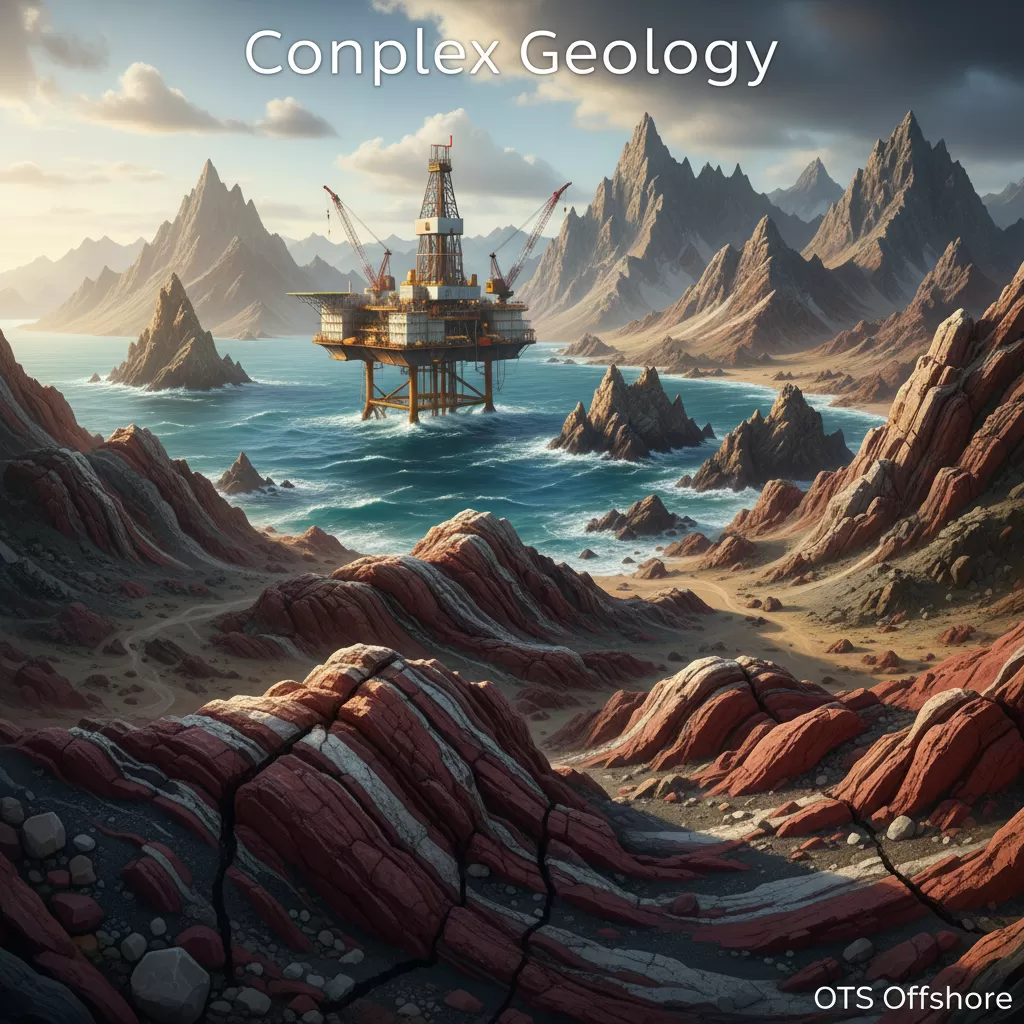
The Nature of Complex Geological Formations
Complex geological formations are characterized by their heterogeneity and unpredictability. They can encompass a wide spectrum of rock types, pore structures, fluid properties, and stress regimes. Some common examples include:
– Highly fractured reservoirs: These formations, often found in mature fields or specific geological settings, present pathways for uncontrolled fluid flow, leading to losses of drilling fluid, formation damage, and wellbore instability. The presence of intricate fracture networks requires advanced logging and analysis techniques to map and understand their connectivity.
– Overpressure and underpressure zones: The sudden transition into zones with significantly higher or lower pore pressures than anticipated can lead to wellbore instability, blowouts, or lost circulation. Accurate real-time pressure monitoring and rapid response mechanisms are crucial.
– Salt formations: Drilling through thick, plastic salt layers poses unique challenges, including wellbore closure due to salt creep, difficult cementation, and corrosion issues. Specialized drilling fluids and casing designs are often required.
– Highly unconsolidated or poorly consolidated sands: These formations are prone to collapse, leading to significant hole cleaning problems, potential stuck pipe incidents, and formation damage during drilling and completion phases.
– Shales with reactive clays: Certain shale formations contain clays that swell upon contact with water-based drilling fluids, leading to borehole instability, bit balling, and reduced drilling rates.
– Volcanic and metamorphic rocks: These hard, abrasive formations can cause rapid drill bit wear, require specialized drilling tools, and present difficulties in achieving desired penetration rates.
– Heavy oil reservoirs: While not strictly a geological formation challenge, the high viscosity of heavy oil in certain formations complicates fluid flow and extraction, often requiring enhanced oil recovery techniques alongside drilling.
Key Operational Challenges Encountered
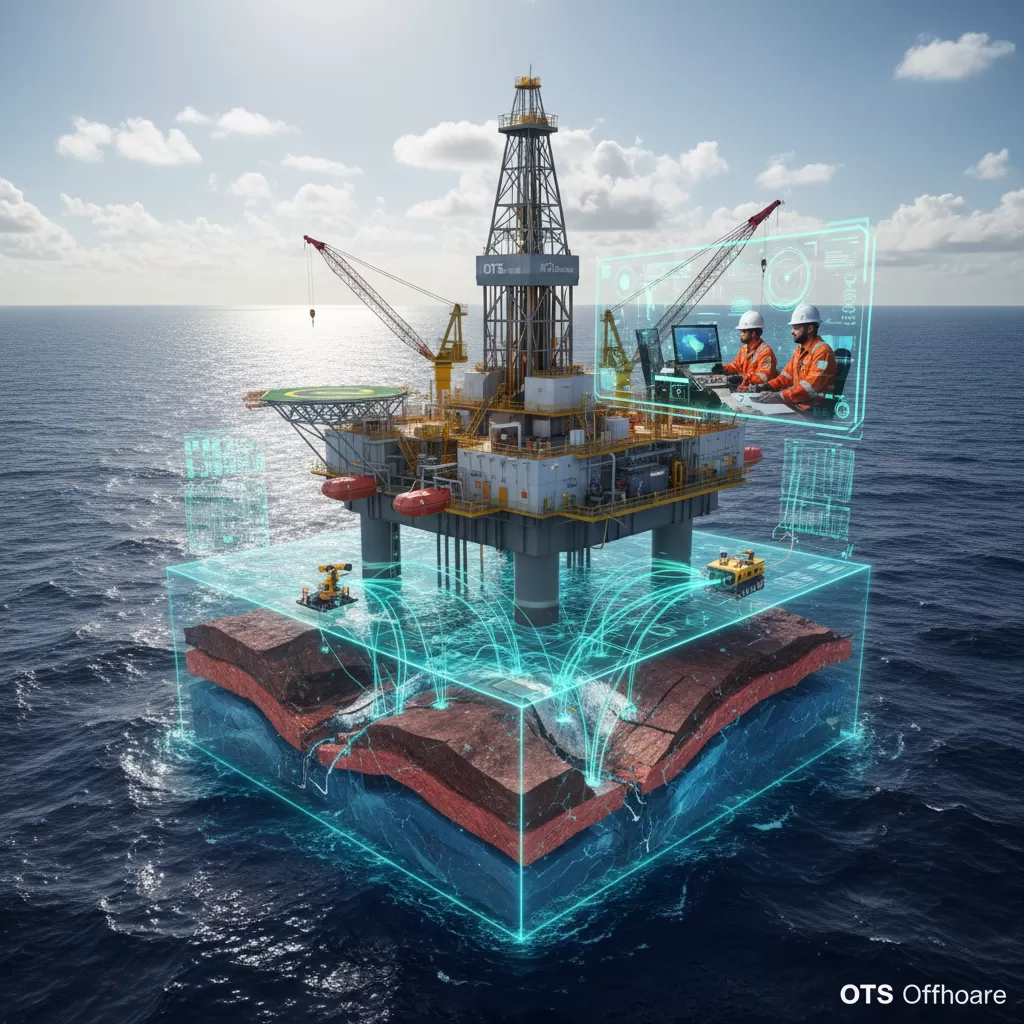
The intricacies of complex geological formations translate directly into a range of operational challenges that drilling engineers and geoscientists must contend with. Addressing these Operational Challenges Solutions is vital.
– Wellbore Instability: This is perhaps one of the most pervasive issues. It manifests as borehole collapse, rugosity, or breakouts, making it difficult to run casing, deploy tools, and achieve target depths. Factors contributing to instability include pore pressure anomalies, in-situ stress variations, shale reactivity, and the properties of the drilling fluid.
– Lost Circulation: Occurs when drilling fluid escapes into the formation through natural fractures, vugs, or induced permeability. This not only leads to significant financial losses due to lost fluid and additives but can also result in formation damage, reduced wellbore pressure control, and compromised safety.
– Formation Damage: Occurs when the permeability of the reservoir rock near the wellbore is reduced, hindering hydrocarbon flow. This can be caused by drilling fluid invasion, fines migration, precipitation of drilling fluid components, or mechanical damage during drilling.
– Stuck Pipe: The phenomenon of drill string becoming immobilized within the wellbore. This can be caused by wellbore instability (differential sticking, mechanical sticking), hole cleaning issues, or unforeseen geological hazards. It is a costly and time-consuming problem that can lead to well abandonment.
– High Temperature and High Pressure (HTHP) Environments: Deep reservoirs often feature extreme temperatures and pressures, which place severe demands on drilling fluids, equipment, and personnel. HTHP conditions can affect fluid rheology, cement setting times, and the mechanical integrity of downhole tools.
– Corrosive Environments: The presence of corrosive agents like hydrogen sulfide (H2S), carbon dioxide (CO2), and high salinity brines can degrade drill pipe, casing, and downhole equipment, necessitating the use of corrosion-resistant materials and specialized fluids.
– Inaccurate Geological Characterization: Insufficient or inaccurate geological data can lead to unforeseen drilling conditions, requiring on-the-fly adjustments to drilling plans, fluid programs, and equipment selection. This highlights the importance of integrated geological and drilling data.
– Logistical and Environmental Constraints: Drilling in remote or environmentally sensitive areas adds layers of complexity related to transportation, waste management, and adherence to stringent environmental regulations, impacting the efficiency of Operational Challenges Solutions.
Innovative Solutions and Technologies
The oil and gas industry has consistently responded to these challenges with innovation, developing a suite of advanced technologies and methodologies. Effective Operational Challenges Solutions are continuously evolving.
Advanced Drilling Fluids
Drilling fluid formulation is a cornerstone of addressing complex formations.
– High-performance water-based muds (HPWBM): Engineered to minimize shale swelling and provide excellent wellbore stability, often incorporating specialized polymers, inhibitors, and emulsifiers.
– Oil-based muds (OBM) and synthetic-based muds (SBM): Offer superior lubricity, thermal stability, and inhibition properties, particularly effective in shales and high-angle wells. The selection depends on environmental regulations and operational requirements.
– Invert emulsion muds: Provide excellent lubrication and reduce torque and drag, crucial in long horizontal sections.
– Smart fluids: Responsive fluids that can alter their properties based on downhole conditions, offering dynamic solutions for lost circulation or instability.
– Lost circulation materials (LCM): A range of granular, fibrous, and flaky materials designed to plug fracture openings and prevent fluid loss.
Wellbore Stability Enhancement Techniques
Maintaining wellbore integrity is critical.
– Real-time geomechanical modeling: Utilizing downhole sensor data to continuously assess wellbore stability and predict potential failure zones, allowing for proactive adjustments to drilling parameters.
– Managed Pressure Drilling (MPD): A technique that allows for precise control over the wellbore pressure profile, enabling drilling through narrow pore-pressure/fracture-gradient windows and mitigating risks of kicks and lost circulation.
– Extended Reach Drilling (ERD) and Managed Pressure Drilling (MPD) are often employed in tandem to achieve challenging targets.
Drill Bit Technology and Drilling Optimization
Improving drilling efficiency and reducing wear are key.
– Advanced drill bit designs: Featuring optimized cutter geometry, wear-resistant materials, and improved hydraulics for faster penetration rates and reduced bit wear in hard formations.
– Rotary steerable systems (RSS): Allow for continuous directional drilling without the need to trip out of hole for directional tools, significantly increasing efficiency in complex well trajectories.
– Real-time drilling data analytics: Using machine learning and artificial intelligence to analyze drilling parameters, identify potential problems, and optimize drilling performance.
Casing and Completion Strategies
Ensuring the long-term integrity of the well.
– Specialized casing materials: Employing corrosion-resistant alloys for H2S or high-salinity environments.
– Advanced cementing techniques: Including high-performance slurries with additives for zonal isolation, strength, and resistance to downhole conditions.
– Intelligent completions: Systems that allow for remote control and optimization of production from different zones within the wellbore.
Logging and Formation Evaluation Tools
Accurate characterization is fundamental.
– Advanced logging suites: Including high-resolution imaging tools, sonic measurements, and nuclear logs to provide detailed information about rock properties, pore pressure, and stress regimes.
– Formation testers: Allowing for in-situ fluid sampling and pressure measurements to accurately characterize reservoir fluids and pressures.
– Seismic-while-drilling: Integrating seismic data acquisition with drilling operations to provide real-time subsurface imaging.
Case Study Insights: Overcoming Specific Formational Challenges
Consider a scenario involving drilling through a thick section of reactive shales in the Gulf of Mexico. Traditional water-based muds led to severe borehole instability, necessitating frequent sidetracks and significant non-productive time (NPT). The Operational Challenges Solutions implemented included:
– Transitioning to a high-performance synthetic-based mud (SBM) with advanced shale inhibitors and emulsifiers.
– Employing a managed pressure drilling (MPD) system to maintain a precise overbalance, minimizing fluid invasion into the shales.
– Utilizing a rotary steerable system (RSS) to maintain directional control and minimize hole deviation, reducing mechanical stress on the borehole.
– Implementing real-time sonic imaging logs to monitor borehole wall integrity and detect incipient breakouts.
This integrated approach, focusing on tailored drilling fluid, precise pressure control, and optimized drilling mechanics, successfully mitigated the shale-related instability issues, enabling the well to be drilled to target depth with significantly reduced NPT and cost.
Another example could be drilling through a fractured carbonate reservoir with high permeability and a risk of significant lost circulation. The Operational Challenges Solutions employed might involve:
– Developing a drilling fluid with carefully selected, degradable lost circulation materials (LCM) that would plug fractures during drilling but not permanently impair reservoir permeability.
– Utilizing a closed-loop drilling fluid system to minimize losses and monitor fluid volumes effectively.
– Employing a high-viscosity sweep fluid to help bridge larger fractures during drilling.
– Carefully managing pump rates and pressures to avoid exacerbating fracture openings.
The careful selection and application of these LCMs, combined with meticulous drilling fluid management and operational execution, allowed for effective plugging of fractures, preventing catastrophic fluid losses and enabling continued drilling operations.
The Future of Drilling in Complex Formations
The pursuit of effective Operational Challenges Solutions continues. The trend towards digitalization, automation, and advanced analytics is set to revolutionize drilling operations in complex geological formations. Artificial intelligence and machine learning will play an increasingly vital role in predicting geological hazards, optimizing drilling parameters in real-time, and improving decision-making. The development of novel materials for drilling fluids and downhole tools, coupled with a deeper understanding of geomechanics and rock-fluid interactions, will further enhance our ability to safely and efficiently extract hydrocarbons from the most challenging reservoirs. The continuous improvement in understanding and addressing Operational Challenges Solutions will unlock vast reserves previously deemed uneconomical or technically unfeasible.