


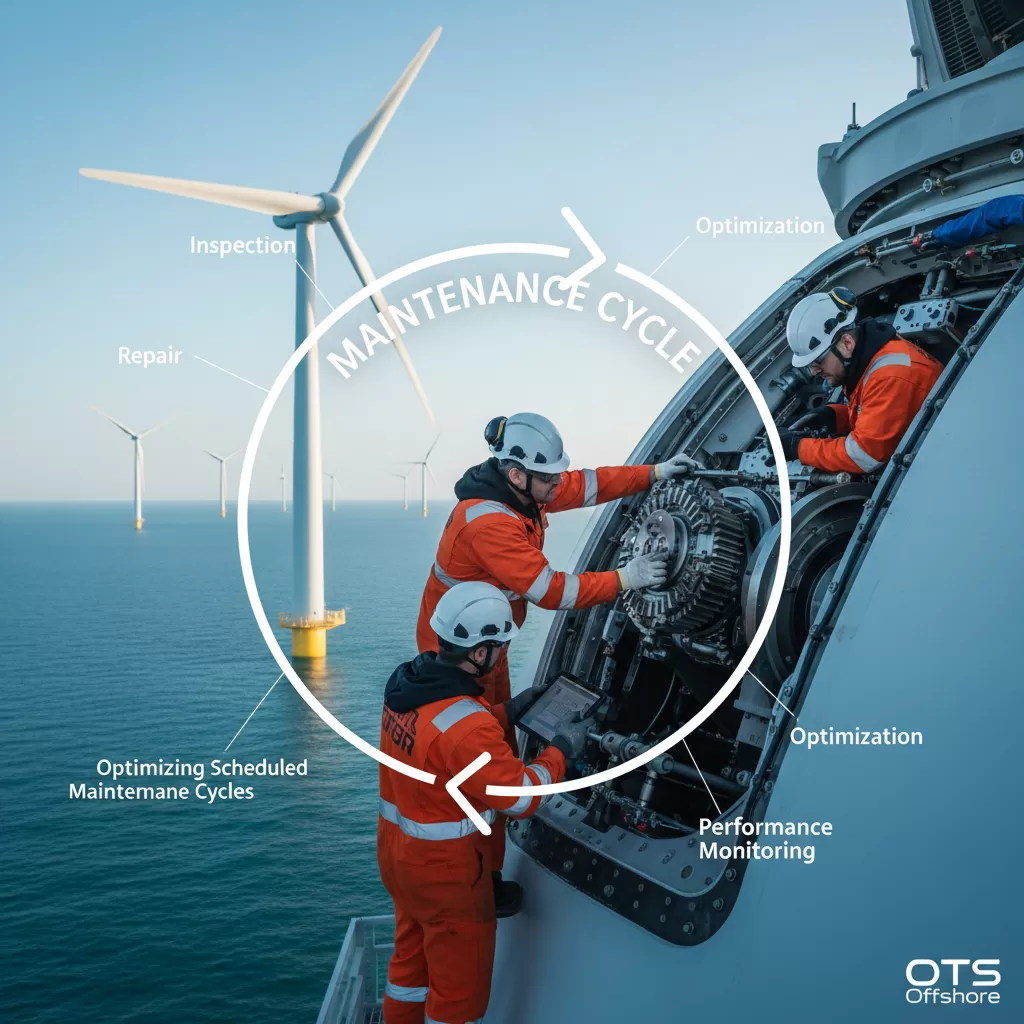
Optimizing scheduled maintenance is crucial for maximizing energy yield in the oil and gas sector. This article delves into strategies for refining maintenance schedules to enhance operational efficiency, minimize downtime, and ultimately boost hydrocarbon production and profitability. We will explore the interplay of predictive technologies, data analytics, and risk-based approaches in achieving peak performance from energy assets.
The Imperative of Optimizing Scheduled Maintenance for Enhanced Energy Yield
Optimizing scheduled maintenance is no longer a mere operational consideration; it has evolved into a strategic imperative for entities within the oil and gas industry aiming to maximize their energy yield. The intricate nature of upstream, midstream, and downstream operations, coupled with the inherent volatility of commodity prices and the increasing pressure for environmental sustainability, necessitates a robust and adaptive maintenance framework. Traditional time-based maintenance strategies, while providing a baseline of protection, often fall short in addressing the nuanced operational realities. They can lead to either excessive, unnecessary interventions, incurring significant costs and disrupting production, or insufficient upkeep, resulting in premature component failures, costly unplanned outages, and a tangible reduction in the overall energy output.
The concept of optimizing scheduled maintenance transcends the simple act of setting dates on a calendar. It involves a sophisticated integration of data-driven insights, advanced technological tools, and a proactive mindset. The goal is to shift from a reactive or purely preventive paradigm to a predictive and prescriptive one, where maintenance activities are precisely timed to coincide with the actual need, thereby safeguarding asset integrity, extending operational life, and, critically, ensuring that energy-producing assets function at their peak efficiency. This strategic refinement directly translates into higher barrels of oil equivalent (BOE) produced, improved refining throughput, and more reliable delivery of natural gas, all contributing to a stronger bottom line and a more sustainable operational footprint. The economic ramifications of suboptimal maintenance are substantial, manifesting as lost production revenue, increased repair expenses, potential safety incidents, and diminished asset valuation. Therefore, a deep dive into the methodologies and technologies enabling effective optimizing scheduled maintenance is paramount for any forward-thinking energy organization.
The Foundational Pillars of Optimizing Scheduled Maintenance Strategies
Effective optimizing scheduled maintenance is built upon several interconnected foundational pillars. Without a strong grasp and implementation of these core elements, any attempt to refine maintenance cycles will likely yield suboptimal results. These pillars are not independent but rather work in synergy, creating a robust framework for asset management and operational excellence within the energy sector. Understanding and mastering each of these components is critical for achieving the desired maximization of energy yield and operational longevity.
– Data-Driven Decision Making: At the heart of any successful optimizing scheduled maintenance program lies the ability to collect, analyze, and interpret vast amounts of data. This includes operational parameters, historical maintenance records, failure histories, environmental conditions, and sensor readings. Advanced analytics, including machine learning algorithms, can process this data to identify patterns, predict potential failures, and recommend optimal intervention times. Without this data foundation, maintenance decisions remain speculative rather than scientifically informed.
– Asset Integrity Management (AIM): This pillar focuses on ensuring that critical assets consistently meet their required performance standards and safety requirements throughout their lifecycle. AIM encompasses a range of activities, from initial design and construction to operation, maintenance, and eventual decommissioning. Optimizing scheduled maintenance is a crucial component of AIM, as it directly impacts the reliability and safety of equipment, preventing catastrophic failures and ensuring continuous operation.
– Risk-Based Inspection (RBI) and Maintenance (RBM): RBI and RBM methodologies prioritize maintenance and inspection efforts based on the probability of failure and the potential consequences of that failure. By understanding which assets are most critical and most susceptible to failure, organizations can allocate resources more efficiently, focusing on high-risk areas. This approach moves away from generic, blanket maintenance schedules towards a more tailored and impactful intervention strategy, directly contributing to optimizing scheduled maintenance.
– Advanced Monitoring and Diagnostic Technologies: The deployment of technologies such as vibration analysis, thermal imaging, ultrasonic testing, non-destructive testing (NDT), and computational fluid dynamics (CFD) provides invaluable real-time insights into the health of equipment. These tools allow for the early detection of anomalies and degradation, enabling maintenance to be scheduled before significant damage occurs, thus preventing unplanned downtime and maximizing operational efficiency.
– Integrated Planning and Scheduling Systems: Modern Computerized Maintenance Management Systems (CMMS) and Enterprise Asset Management (EAM) software are essential for managing complex maintenance schedules. These systems facilitate the planning, scheduling, and tracking of all maintenance activities, ensuring that resources (personnel, parts, equipment) are available when needed. Effective integration with production planning systems is key to minimizing conflicts and maximizing uptime.
The Transformative Impact of Predictive Maintenance on Energy Yield
Predictive maintenance (PdM) represents a significant leap forward in the evolution of maintenance practices within the energy sector. Unlike traditional preventive maintenance, which schedules interventions based on predetermined intervals, PdM leverages real-time data and advanced analytical techniques to forecast when equipment failure is likely to occur. This proactive approach has a direct and profound impact on maximizing energy yield.
By identifying potential issues before they escalate into critical failures, PdM minimizes unplanned downtime. Unplanned outages are incredibly costly in the oil and gas industry, leading to immediate losses in production revenue, expensive emergency repairs, and potential safety hazards. With PdM, maintenance can be scheduled during planned shutdowns or at opportune moments, minimizing the impact on production schedules. This continuity of operation is fundamental to achieving consistent and high energy yields. Furthermore, PdM allows for component replacements or repairs to be performed at the optimal time, preventing minor issues from developing into major ones that could compromise the overall efficiency of an energy-producing asset. For example, in a gas turbine, early detection of blade erosion through vibration analysis can lead to a targeted repair or replacement, preventing further damage to the turbine core and ensuring it operates at its designed efficiency, thereby maximizing power generation. Similarly, for a pump in a crude oil pipeline, predictive monitoring can flag bearing wear, allowing for timely replacement before catastrophic failure and the subsequent halting of oil flow.
The ability to anticipate maintenance needs also leads to more efficient resource allocation. Instead of having maintenance crews on standby for potential emergencies, or performing unnecessary scheduled tasks, resources can be directed precisely where and when they are needed. This includes specialized personnel, spare parts, and critical tools. Optimized resource utilization reduces operational costs and improves the overall productivity of the maintenance department. This efficiency gain is directly transferable to increased energy output, as more assets are available for production more of the time.
The sophisticated data analysis inherent in PdM also provides deeper insights into asset performance. By continuously monitoring operating parameters and correlating them with potential failure modes, maintenance teams can identify systemic issues or design flaws that might be hindering optimal performance. This information can then be fed back into the design or operational parameters of the equipment, leading to long-term improvements in efficiency and reliability, further enhancing the potential for maximizing energy yield. The insights gained from PdM can inform decisions about equipment upgrades, modifications, or even replacements, ensuring that the most productive and reliable assets are prioritized. This holistic approach to asset management, driven by predictive intelligence, is indispensable for organizations seeking to maintain a competitive edge and maximize their return on investment in a dynamic energy market.
Leveraging Condition Monitoring for Proactive Maintenance Scheduling
Condition monitoring (CM) is a cornerstone of any effective optimizing scheduled maintenance program, providing the crucial intelligence needed to move beyond time-based interventions. It involves the continuous or periodic assessment of an asset’s operational parameters and physical condition to detect deviations from normal operating behavior that may indicate an impending failure. This approach allows maintenance to be scheduled based on the actual health of the equipment, rather than an arbitrary calendar date, thereby directly contributing to maximizing energy yield.
Vibration analysis is a prime example of a CM technique widely used in the oil and gas industry. By measuring and analyzing the vibrations emitted by rotating machinery such as pumps, compressors, turbines, and motors, maintenance personnel can identify a range of potential problems. For instance, changes in vibration patterns can signal bearing wear, rotor imbalance, misalignment, or gear damage. Early detection of these issues through vibration analysis allows for precise interventions, such as lubricating bearings, re-aligning shafts, or replacing worn gears, before they cause significant damage or lead to a complete breakdown. This proactive approach ensures that the equipment continues to operate at its designed efficiency, preventing performance degradation and maximizing the energy it can produce.
Thermal imaging, or thermography, is another powerful CM tool. Using infrared cameras, maintenance teams can detect abnormal temperature variations on electrical and mechanical components. Overheated connections in electrical panels, failing bearings in motors, or steam leaks in piping systems can all be identified through their elevated temperatures. These thermal anomalies often precede visible signs of failure, allowing for corrective action to be taken during planned maintenance windows. Addressing these issues promptly prevents energy losses due to resistance in electrical circuits or inefficient heat transfer, thereby contributing to higher overall energy yield.
Ultrasonic testing is particularly effective for detecting early-stage defects in mechanical components, such as cracks or corrosion in pipes, vessels, and tanks. It can also be used to monitor the condition of bearings and valves. By emitting high-frequency sound waves and analyzing the reflections, ultrasonic devices can pinpoint flaws that are not detectable by visual inspection. This early detection capability is vital for preventing leaks, structural failures, and operational disruptions that would otherwise lead to significant energy losses and production downtime.
The data collected from these various CM techniques is often integrated into sophisticated CMMS or EAM systems. These platforms help in establishing baseline performance data, setting alarm thresholds, and scheduling maintenance tasks based on the observed condition of the equipment. The intelligent analysis of this data allows for the optimization of maintenance schedules, ensuring that interventions are performed only when necessary, thus minimizing unnecessary downtime and maximizing the operational availability of critical energy-producing assets. By adopting a comprehensive condition monitoring strategy, organizations can gain unparalleled visibility into the health of their assets, enabling them to make informed decisions that directly enhance energy yield and operational sustainability.
Implementing Risk-Based Maintenance (RBM) for Strategic Asset Prioritization
Risk-Based Maintenance (RBM) is a strategic methodology that significantly enhances the effectiveness of optimizing scheduled maintenance by prioritizing interventions based on the potential consequences of failure. Instead of applying uniform maintenance schedules to all assets, RBM focuses resources on the equipment that poses the greatest risk to safety, environmental integrity, and production output. This intelligent prioritization ensures that critical assets receive the attention they require, preventing costly failures and maximizing the continuous flow of energy.
The RBM process typically begins with a thorough risk assessment. This involves identifying all critical assets within an operational facility and evaluating the probability of their failure. Factors considered include the age of the equipment, its operating history, the severity of its operating conditions (e.g., temperature, pressure, corrosive environments), the availability of spare parts, and the results of previous inspections and maintenance activities. Concurrently, the potential consequences of failure for each asset are assessed. These consequences can be multifaceted, including potential loss of life or serious injury, environmental damage (e.g., spills, emissions), significant financial losses due to production downtime, and damage to the company’s reputation.
Once the risk profile for each asset is established, a maintenance strategy is developed that aligns with its risk level. High-risk assets, those with a high probability of failure and severe consequences, will typically receive more frequent and intensive maintenance and inspection. This might involve deploying advanced condition monitoring technologies more frequently, conducting more thorough non-destructive testing, or scheduling more frequent overhauls. Conversely, lower-risk assets may be subjected to less frequent or less intrusive maintenance, allowing for more efficient allocation of maintenance budgets and personnel.
The implementation of RBM has a direct positive impact on optimizing scheduled maintenance and maximizing energy yield. By focusing on preventing failures in critical production equipment, RBM significantly reduces the likelihood of unplanned downtime. For instance, a critical compressor in a natural gas processing plant might be identified as a high-risk asset. Applying RBM principles would lead to its rigorous monitoring and scheduled maintenance, ensuring it operates reliably and continuously compresses gas for transport, thereby maximizing throughput. If a less critical, non-production-impacting asset were to experience a minor issue, the impact on overall energy yield would be negligible, and a less urgent maintenance schedule would be appropriate.
Furthermore, RBM promotes a more cost-effective approach to maintenance. By avoiding unnecessary maintenance on low-risk assets and focusing resources on preventing failures in high-risk areas, organizations can achieve a higher return on their maintenance investments. This optimized allocation of resources ensures that the most critical equipment is always in optimal condition, directly contributing to sustained and maximized energy production. The insights gained from RBM also contribute to a better understanding of asset lifecycle costs and can inform future capital expenditure decisions, ensuring that investments are made in assets with favorable risk profiles and long-term operational viability. Ultimately, RBM provides a structured, data-informed framework for making strategic maintenance decisions that are crucial for the financial health and operational success of any energy enterprise.
The role of Digital Twins in Predictive Maintenance and Energy Optimization
The advent of digital twins represents a paradigm shift in how the energy industry approaches asset management and maintenance, offering unprecedented capabilities for optimizing scheduled maintenance and maximizing energy yield. A digital twin is a virtual replica of a physical asset, process, or system, continuously updated with real-time data from its physical counterpart. This dynamic virtual model allows for sophisticated simulations, analyses, and predictions that were previously impossible, fundamentally transforming maintenance strategies from reactive to truly proactive and even prescriptive.
Within the context of optimizing scheduled maintenance, digital twins provide a powerful platform for predictive maintenance. By integrating data from sensors, SCADA systems, historical maintenance records, and even environmental factors, the digital twin can accurately simulate the performance and condition of its physical counterpart. This enables engineers to foresee potential issues with remarkable accuracy. For example, a digital twin of a complex piece of rotating equipment like a gas turbine can predict the degradation of specific components based on simulated operating conditions and historical wear patterns. This allows maintenance teams to schedule interventions precisely when they are needed, before performance is significantly impacted or a failure occurs, thus ensuring continuous and efficient energy generation. The ability to run “what-if” scenarios within the digital twin environment allows for testing various maintenance strategies and their potential impact on energy output and asset longevity without risking the physical asset.
Moreover, digital twins facilitate a more nuanced understanding of how different operational parameters affect asset health and energy yield. By simulating various operational loads, environmental conditions, and maintenance interventions, operators and maintenance planners can identify optimal operating envelopes that maximize energy output while minimizing stress on the equipment. This data-driven approach allows for dynamic adjustments to operational strategies, further refining the process of maximizing energy yield. For instance, a digital twin of a solar farm can simulate the impact of panel degradation, soiling, and different weather patterns on energy production, enabling proactive cleaning or maintenance scheduling to ensure peak performance.
The integration of digital twins into maintenance workflows also streamlines the entire maintenance lifecycle. From initial fault diagnosis and root cause analysis to the planning and execution of repairs, the digital twin provides a comprehensive and accessible source of information. Maintenance personnel can access detailed 3D models, historical performance data, and recommended repair procedures directly through the digital twin interface. This enhanced accessibility and clarity can significantly reduce diagnostic times, improve the accuracy of repairs, and shorten overall maintenance durations, leading to quicker returns to full operational capacity and thus maximizing energy yield. Furthermore, the insights derived from the continuous analysis of digital twin data can inform design improvements for future assets, creating a feedback loop that drives continuous innovation and enhances the long-term efficiency and reliability of energy infrastructure.
The sophisticated analytical capabilities offered by digital twins, coupled with their ability to provide a real-time, holistic view of asset health, make them an indispensable tool for any organization serious about optimizing scheduled maintenance and achieving peak energy yield in the highly competitive and demanding energy sector. This technology is not just about replicating physical assets; it is about creating intelligent, adaptive systems that drive operational excellence and sustainable energy production.