

This article delves into the critical role of proactive maintenance in maximizing the operational lifespan of wind turbines, aiming to extend their expected 20-year service life. We will explore key strategies, technologies, and best practices employed within the oil and gas, and broader energy sectors to ensure optimal performance and longevity of these vital renewable energy assets.
Optimizing Wind Turbine Lifespan (Expected 20 Years) through Proactive Maintenance
The wind energy sector has witnessed exponential growth, positioning wind turbines as indispensable components of a sustainable global energy matrix. While designed for robust operation, the intrinsic mechanical complexities and harsh environmental exposure necessitate a rigorous approach to maintenance to achieve and surpass their projected 20-year operational lifespan. Proactive maintenance, as opposed to reactive or preventative schedules, emerges as the cornerstone strategy for asset management in this domain. This methodology emphasizes anticipating potential failures through continuous monitoring and data analysis, enabling timely interventions that minimize downtime, reduce costly repairs, and ultimately, extend the turbine’s economic viability.
The Foundation of Wind Turbine Longevity: Understanding Operational Demands
Wind turbines operate under continuous stress from aerodynamic forces, gravitational loads, and environmental factors such as extreme temperatures, salinity, and lightning strikes. These conditions impose significant wear and tear on critical components, including rotor blades, gearbox, bearings, generator, and structural elements. Understanding the intricate interplay of these forces and their cumulative impact on material fatigue and system degradation is paramount to designing and implementing effective proactive maintenance programs. The concept of a “20-year lifespan” is an expectation, a target that requires diligent and intelligent stewardship to be met or exceeded.
Component-Specific Stressors and Failure Modes
The longevity of a wind turbine is intrinsically linked to the health of its individual components. Each part faces unique challenges:
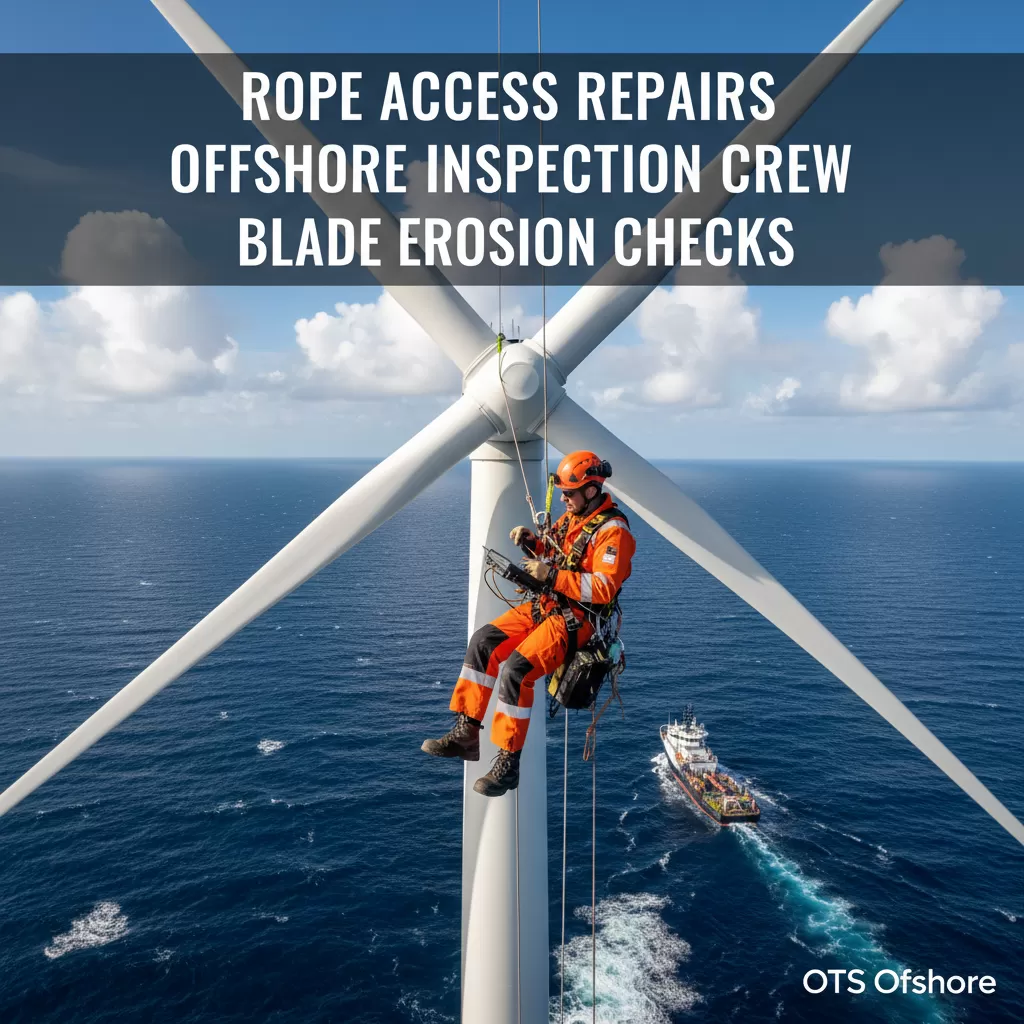
– Rotor Blades: Susceptible to erosion from airborne particles (sand, ice), UV degradation, lightning strikes, and fatigue cracking due to constant flexing. Blade integrity is paramount for energy capture efficiency and structural safety.
– Gearbox: A highly complex and critical component, subjected to immense torque variations. Bearing failures, gear tooth wear, and lubricant degradation are common issues that can lead to catastrophic breakdowns.
– Bearings: Found in the main shaft, gearbox, and pitch and yaw systems, bearings are vital for smooth rotation. Contamination, insufficient lubrication, and excessive loads can lead to premature wear and failure.
– Generator: While generally robust, generators can suffer from issues related to insulation breakdown, winding failures, and cooling system malfunctions.
– Drivetrain: The entire system of components transferring rotational energy from the rotor to the generator, including the main shaft, couplings, and seals, requires constant vigilance.
– Tower and Foundation: Structural integrity is critical. Corrosion, fatigue in bolted connections, and foundation settlement can pose long-term risks.
– Electrical Systems: Control systems, power converters, and cabling are susceptible to electrical surges, overheating, and component degradation over time.
The Imperative of Proactive Maintenance Strategies
Proactive maintenance transcends scheduled inspections. It is a data-driven philosophy that leverages advanced technologies and analytical methodologies to predict and prevent failures before they occur. This approach is not merely about identifying problems; it’s about understanding the root causes and implementing solutions that enhance reliability and extend component life.
Condition Monitoring Systems (CMS): The Eyes and Ears of the Turbine
Condition Monitoring Systems (CMS) are indispensable tools in proactive maintenance. These sophisticated systems continuously collect data from various sensors strategically placed throughout the wind turbine.
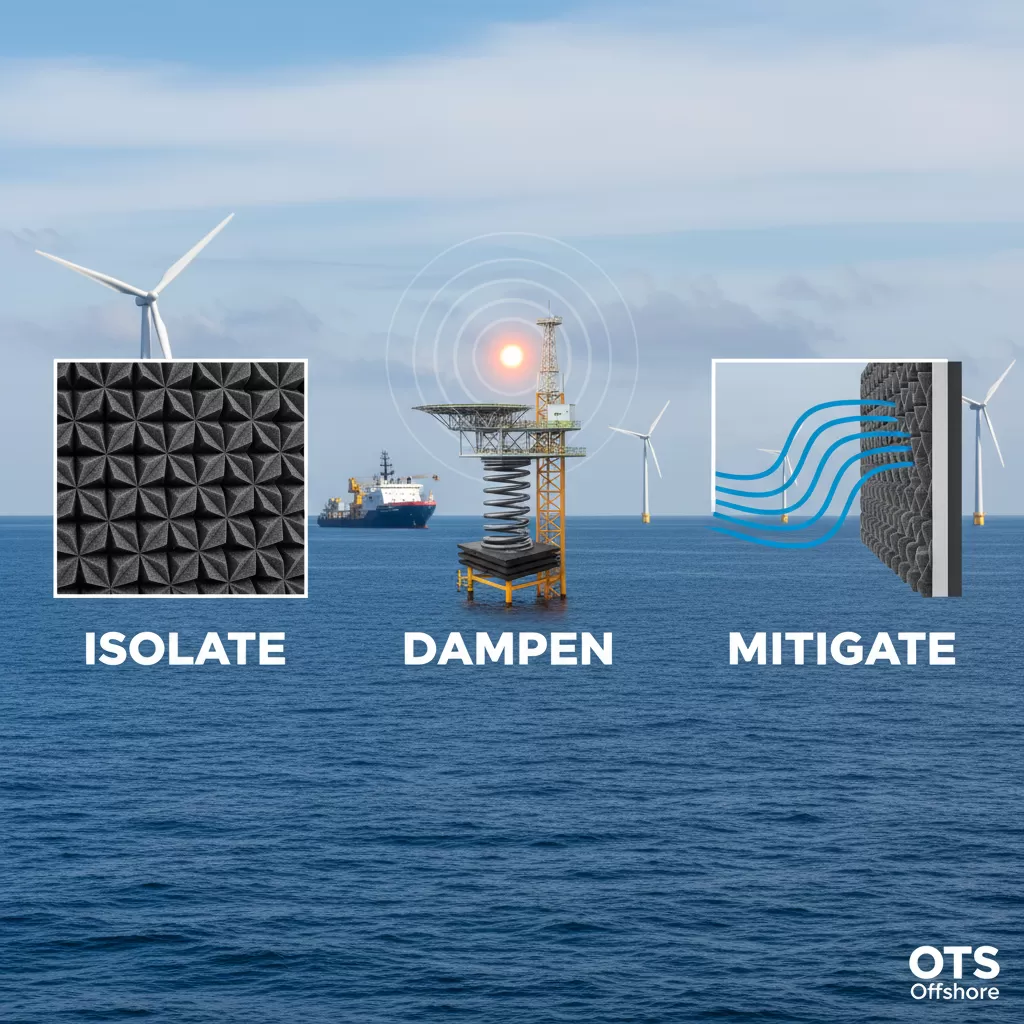
– Vibration Analysis: A cornerstone of CMS, vibration sensors detect anomalies in rotating components like bearings and gearboxes, indicating wear, imbalance, or misalignments long before audible or visible signs appear. Advanced algorithms can distinguish specific fault patterns.
– Oil Analysis: Analyzing lubricant samples from the gearbox and main bearing provides crucial insights into the health of these components. Detection of wear particles, water contamination, or additive depletion can signal impending failures.
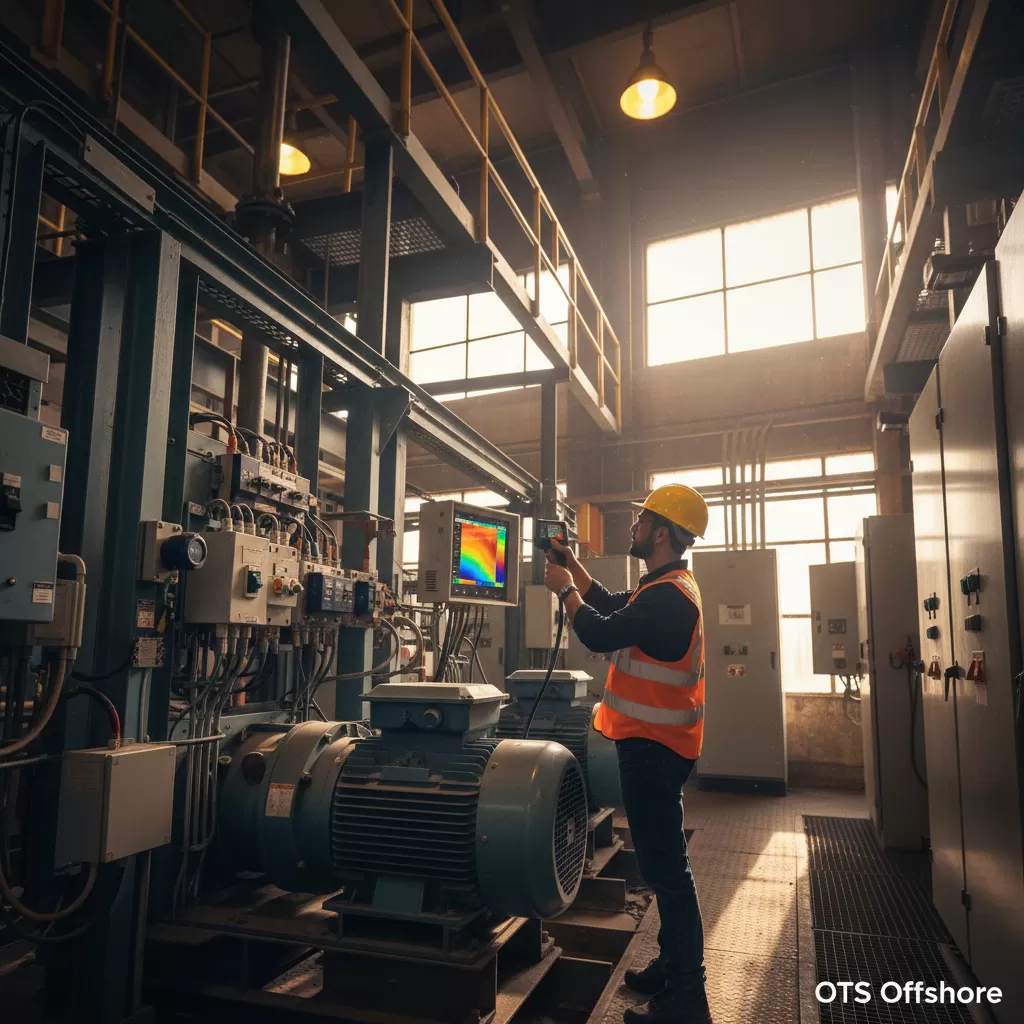
– Thermography: Infrared cameras identify hotspots in electrical connections, motor windings, and bearings, indicating increased resistance or friction, which are precursors to failure.
– Acoustic Emission Monitoring: This technique detects high-frequency acoustic signals generated by crack growth or friction within components, offering early detection of subsurface damage.
– Strain Gauges: Embedded within critical structural elements, strain gauges monitor stress levels, helping to identify areas prone to fatigue or overload.
Data Analytics and Artificial Intelligence (AI): Transforming Raw Data into Actionable Insights
The vast amount of data generated by CMS is the raw material for sophisticated analytics. Machine learning and artificial intelligence algorithms are revolutionizing how this data is interpreted.
– Predictive Modeling: AI models can learn the normal operating behavior of a turbine and detect deviations that indicate potential issues. They can predict the remaining useful life (RUL) of components with increasing accuracy.
– Anomaly Detection: Algorithms are trained to identify abnormal patterns in sensor readings, flagging them for further investigation.
– Root Cause Analysis: By correlating data from multiple sensors and historical records, AI can help pinpoint the underlying cause of a detected anomaly, preventing recurrence.
– Performance Optimization: AI can analyze operational data to identify inefficiencies in energy capture and suggest adjustments to pitch and yaw control for optimal performance and reduced component stress.
Remote Monitoring and Diagnostics: Extending Reach and Responsiveness
The ability to remotely monitor turbine performance and diagnose issues is crucial, especially for offshore wind farms or turbines located in remote terrestrial locations.
– Centralized SCADA Systems: Supervisory Control and Data Acquisition (SCADA) systems provide real-time operational data, allowing operators to monitor key performance indicators and detect deviations.
– Digital Twins: Creating virtual replicas of physical turbines allows for simulations, scenario testing, and performance analysis without impacting the operational asset. This can aid in predicting the impact of maintenance interventions.
– Cloud-Based Platforms: Secure cloud platforms facilitate the aggregation, storage, and analysis of data from multiple turbines, enabling fleet-wide performance management and trend analysis.
Implementing Effective Proactive Maintenance Programs
A successful proactive maintenance strategy requires a holistic approach encompassing planning, execution, and continuous improvement.
Asset Management Frameworks: A Structured Approach
Implementing robust asset management frameworks is essential. This involves:
– Developing detailed component failure modes and effects analysis (FMEA).
– Establishing clear maintenance policies and procedures.
– Integrating maintenance planning with operational schedules to minimize production losses.
– Managing spare parts inventory effectively, prioritizing critical components.
Skilled Workforce and Training: The Human Element
While technology plays a pivotal role, the expertise of the human workforce remains indispensable.
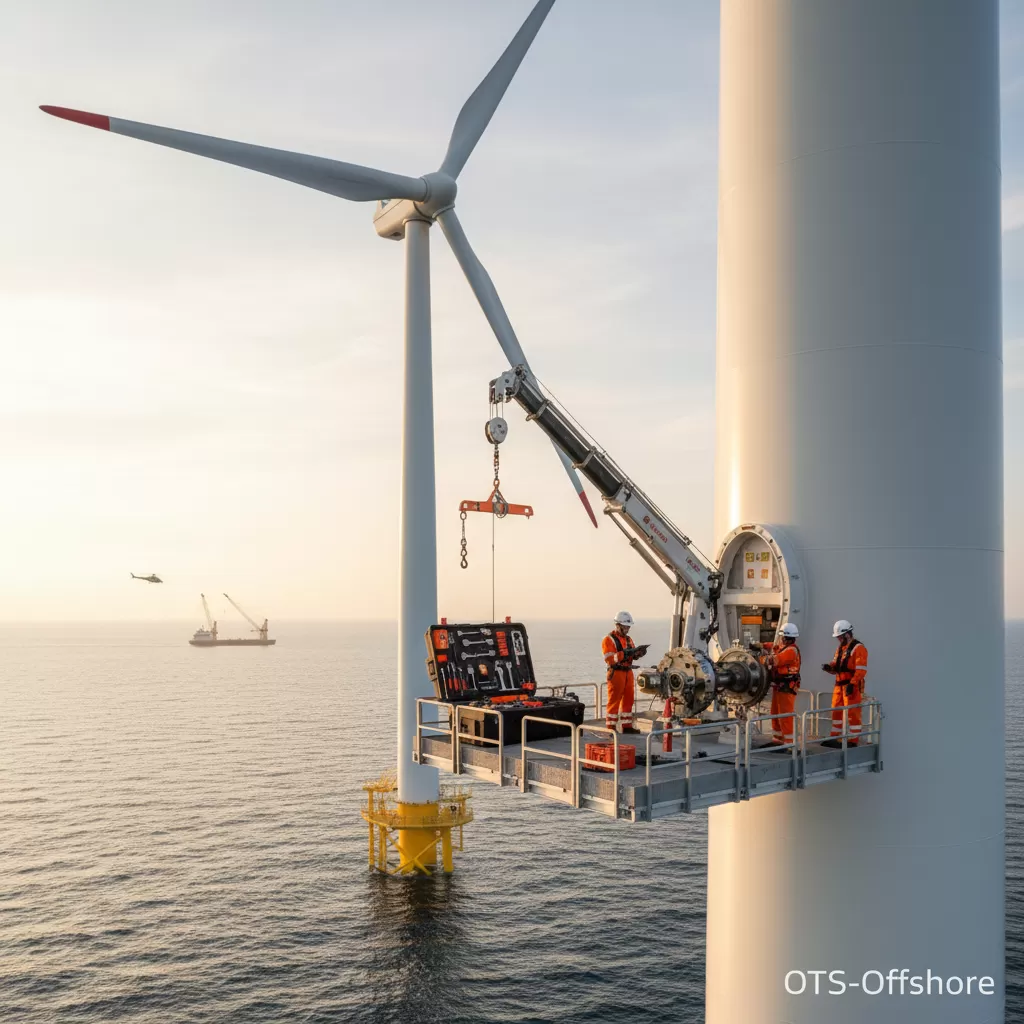
– Specialized Training: Technicians need specialized training in interpreting CMS data, operating advanced diagnostic tools, and performing complex repairs.
– Data Interpretation Skills: A growing need for personnel with data analytics and AI skills to manage and leverage the vast datasets generated by turbines.
– Collaboration: Effective collaboration between site technicians, data analysts, and engineering teams is crucial for successful proactive maintenance.
Integration with Oil and Gas Sector Best Practices
The oil and gas industry, with its long history of managing complex and high-stakes infrastructure in challenging environments, offers valuable lessons for wind turbine maintenance.
– Risk-Based Maintenance: Prioritizing maintenance efforts based on the criticality of components and the likelihood of failure, similar to strategies used in offshore platforms.
– Integrity Management Systems: Implementing rigorous integrity management systems to ensure the structural and operational integrity of assets over their entire lifecycle.
– Advanced Inspection Techniques: Leveraging techniques like non-destructive testing (NDT) for assessing material integrity in critical components.
– Safety Culture: Adhering to stringent safety protocols developed within the oil and gas sector is paramount when working on large, complex machinery.
The Economic Benefits of Proactive Maintenance
The investment in proactive maintenance yields significant economic returns, directly contributing to the profitability and sustainability of wind energy projects.
– Reduced Downtime: Minimizing unplanned outages leads to increased energy production and revenue.
– Lower Repair Costs: Addressing issues early prevents minor problems from escalating into costly catastrophic failures.
– Extended Asset Life: Maximizing the operational lifespan of turbines delays capital expenditure on replacements, improving the overall return on investment.
– Improved Safety: By preventing equipment failures, proactive maintenance significantly enhances the safety of personnel working on and around turbines.
– Enhanced Predictability: Better understanding of asset health leads to more accurate budgeting and financial forecasting for O&M (Operations and Maintenance) costs.
The successful optimization of wind turbine lifespan, aiming to exceed the expected 20 years, is no longer an aspiration but a demonstrable reality through the diligent application of proactive maintenance principles. This involves a sophisticated interplay of advanced monitoring technologies, data analytics, skilled human capital, and robust asset management strategies, all drawing upon the wealth of experience from related heavy industries.