


This article explores how digitalization and automation are revolutionizing wind turbine operations and maintenance (O&M) to significantly reduce costs and enhance efficiency. We delve into the technologies enabling this transformation, from predictive analytics to robotic inspections, and the tangible benefits they offer the renewable energy sector.
Unlocking Cost Efficiencies: The Power of Digitalization and Automation in Optimizing Wind Turbine O&M
The global drive towards sustainable energy sources has propelled wind power to the forefront of the renewable energy landscape. As the installed capacity of wind farms continues its upward trajectory, so too does the imperative to manage their operational and maintenance (O&M) costs effectively. Optimizing wind turbine O&M is no longer a secondary consideration but a critical strategic objective for maximizing the return on investment and ensuring the long-term viability of wind energy projects. Traditionally, O&M has been a significant expenditure, encompassing scheduled inspections, reactive repairs, and component replacements. However, the advent of digitalization and automation presents a paradigm shift, offering unprecedented opportunities to enhance performance, mitigate risks, and dramatically reduce operational overheads. By leveraging advanced technologies, stakeholders can move from a reactive maintenance model to a proactive and predictive approach, ensuring turbines operate at peak efficiency while minimizing downtime and associated expenses. This transformation is fundamentally reshaping how wind assets are managed, paving the way for a more cost-effective and sustainable future for wind energy. The focus on optimizing wind turbine performance through these technological advancements is paramount for continued growth and competitiveness in the energy market.
The Evolving Landscape of Wind Turbine O&M: From Reactive to Predictive
Historically, wind turbine maintenance strategies largely relied on scheduled servicing and responding to failures as they occurred. This reactive approach, while functional, was often inefficient and costly. Unexpected component failures could lead to prolonged downtime, resulting in significant revenue loss and expensive emergency repairs. Furthermore, scheduled maintenance, though preventing some failures, might involve unnecessary interventions on components that were still in good working order, leading to wasted resources and labor. The introduction of sophisticated sensors and data acquisition systems has fundamentally altered this paradigm. These technologies enable the continuous monitoring of critical turbine parameters, such as vibration levels, temperatures, oil quality, and electrical loads. The vast amounts of data generated are then analyzed using advanced algorithms, including machine learning and artificial intelligence, to identify subtle anomalies and predict potential failures before they manifest. This shift to a predictive maintenance model allows for maintenance activities to be scheduled strategically, precisely when and where they are needed. This not only minimizes unexpected downtime but also optimizes the lifespan of components by addressing issues proactively, thereby significantly contributing to optimizing wind turbine operations and overall cost reduction.
Leveraging IoT and Sensor Technology for Enhanced Monitoring
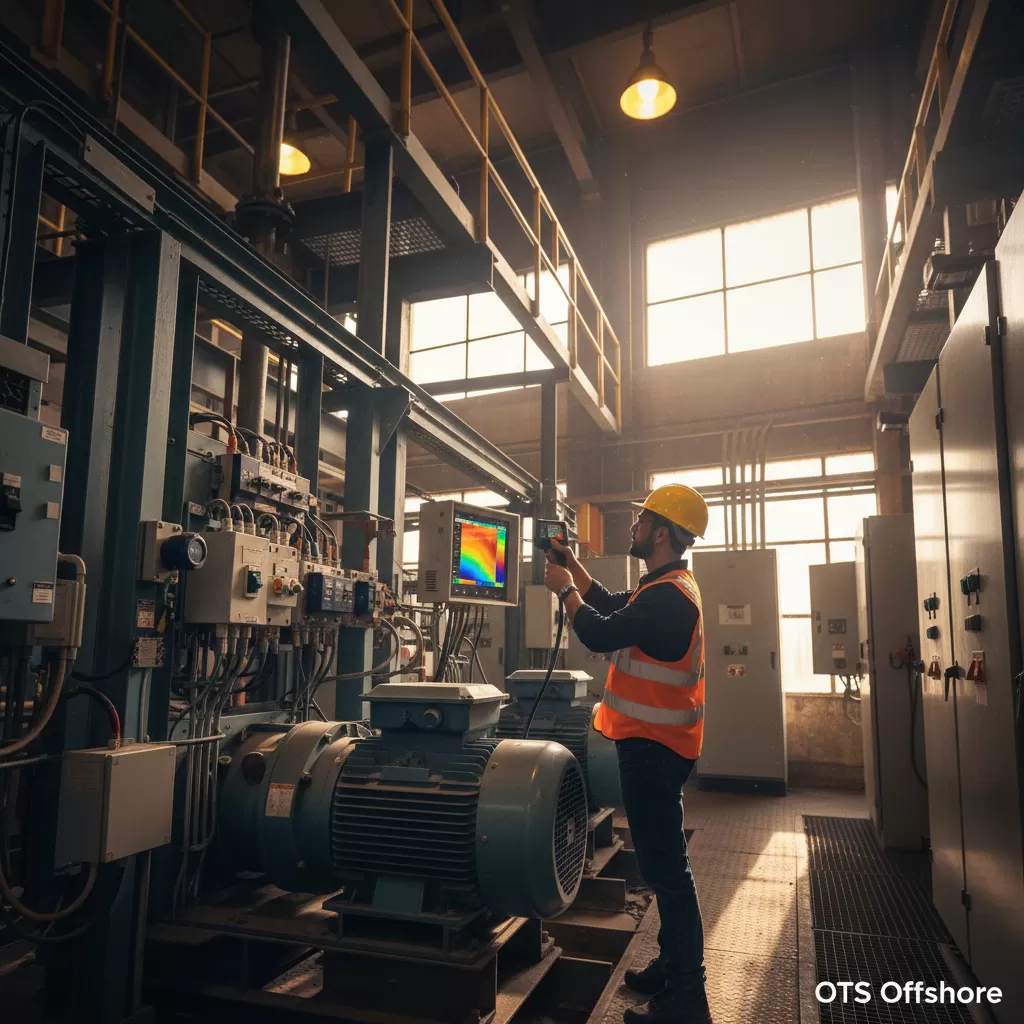
The Internet of Things (IoT) has become a cornerstone of modern O&M strategies. A network of interconnected sensors strategically placed throughout the wind turbine collects real-time data on a multitude of operational aspects. These sensors can detect minute changes in vibration patterns that might indicate bearing wear, monitor gearbox temperatures to prevent overheating, or track blade performance for signs of fatigue or damage. This continuous stream of data provides an in-depth, granular view of each turbine’s health. The power of IoT lies in its ability to aggregate this information from an entire wind farm, creating a comprehensive digital twin of the operational asset. This digital representation allows operators to visualize performance, identify trends, and pinpoint underperforming assets. The early detection capabilities enabled by IoT sensors are crucial for preventing catastrophic failures and implementing targeted maintenance, directly impacting the cost-effectiveness of optimizing wind turbine performance. Without these advanced monitoring capabilities, identifying potential issues would be significantly more challenging and reactive, leading to increased expenditure.
Artificial Intelligence and Machine Learning for Predictive Analytics
Once data is collected, artificial intelligence (AI) and machine learning (ML) algorithms come into play. These sophisticated tools are capable of processing massive datasets to identify complex patterns and correlations that human analysis might miss. AI/ML models are trained on historical data, learning to distinguish between normal operating conditions and early warning signs of impending failure. For instance, a ML algorithm can analyze vibration data over time and predict with a high degree of accuracy when a gearbox bearing is likely to fail, allowing for its replacement during a planned maintenance window. This predictive capability is a game-changer for optimizing wind turbine O&M costs. It enables a proactive approach, reducing the likelihood of costly emergency repairs and unplanned downtime, which are major drains on operational budgets. The ability of AI to continuously learn and improve its predictive accuracy further enhances its value, ensuring that maintenance strategies remain optimized as turbines age and operational conditions evolve. This intelligent approach to maintenance is central to achieving significant cost efficiencies and ensuring the reliable operation of wind farms.
Automation in Action: Streamlining Inspection and Maintenance Processes
Beyond monitoring, automation is revolutionizing the execution of maintenance tasks, making them safer, faster, and more cost-effective. Manual inspections, especially in challenging offshore environments or at significant heights, are labor-intensive, time-consuming, and carry inherent risks. Automation offers a powerful solution to these challenges, leading to more efficient and precise O&M, which is essential for optimizing wind turbine operations.
The Rise of Drones and Robotics for Inspection and Repair
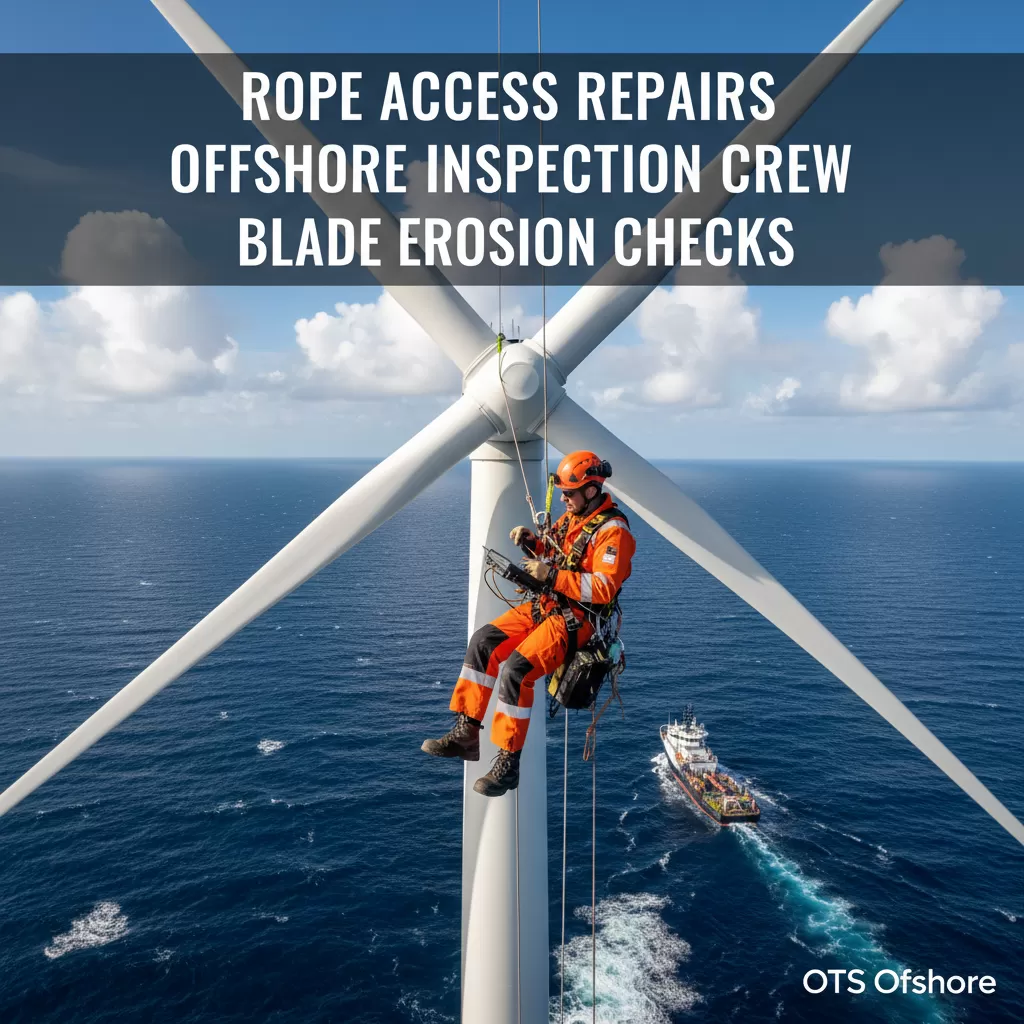
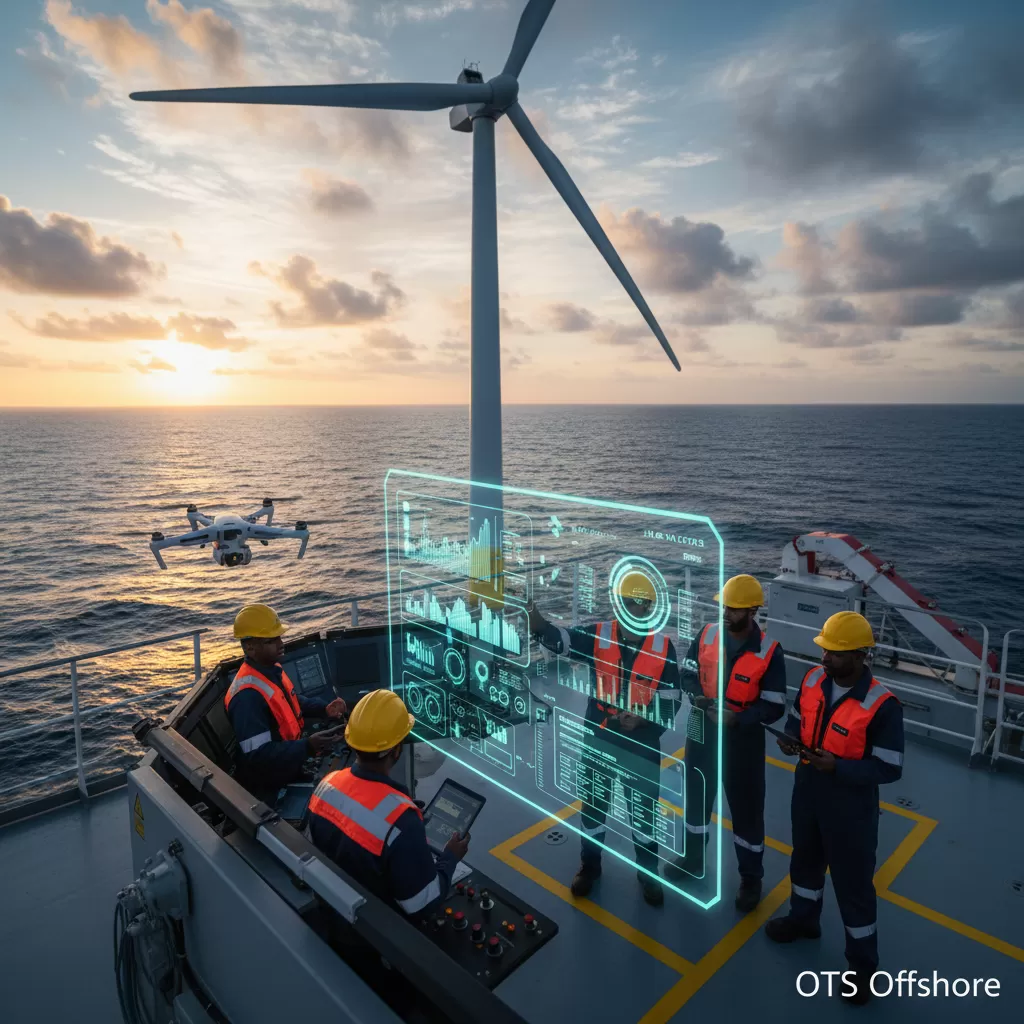
Drones equipped with high-resolution cameras and thermal imaging capabilities are increasingly being deployed for routine visual inspections of turbine blades, towers, and nacelles. These unmanned aerial vehicles (UAVs) can quickly survey large areas, identifying surface defects, cracks, or delamination that might be difficult to spot from the ground. The data captured by drones is often analyzed by AI for automated defect detection, further expediting the process. In more advanced applications, robotic systems are being developed to perform minor repairs or cleaning tasks at height, reducing the need for human technicians to undertake dangerous climbs. For offshore wind farms, the use of remotely operated vehicles (ROVs) and autonomous underwater vehicles (AUVs) for subsea foundation inspections is also becoming more prevalent. These automated solutions not only enhance safety by removing humans from hazardous environments but also significantly reduce the time and cost associated with traditional inspection methods, contributing directly to optimizing wind turbine O&M expenditures.
Automated Workflows and Digital Twins for Enhanced Efficiency
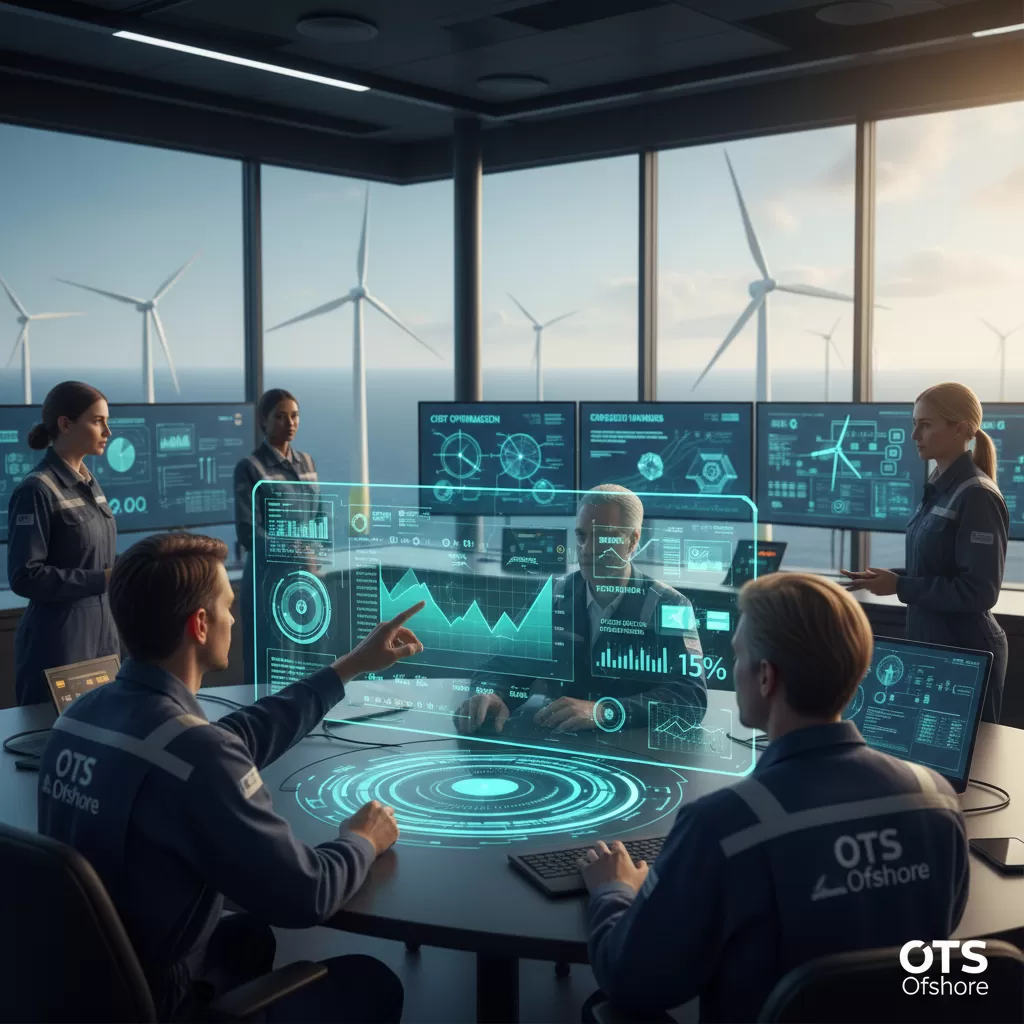
Digitalization extends to the streamlining of O&M workflows. By integrating data from sensors, inspection reports, and maintenance logs into a centralized platform, operators can create highly efficient, automated workflows. This platform, often built around a digital twin of the wind farm, provides a single source of truth for all asset-related information. Automated alerts can be triggered when predictive analytics indicate a potential issue, initiating a predefined maintenance workflow that includes scheduling, resource allocation, and parts ordering. Furthermore, the digital twin allows for simulation and scenario planning, enabling technicians to virtually test repair procedures or optimize maintenance schedules before physical implementation. This level of digital integration minimizes manual intervention, reduces the risk of human error, and ensures that maintenance activities are executed with maximum efficiency, directly supporting the goal of optimizing wind turbine performance and associated costs.
Quantifiable Benefits of Digitalization and Automation in Optimizing Wind Turbine O&M
The adoption of digital and automated O&M strategies yields tangible benefits that significantly impact the financial performance of wind energy projects. These advantages extend beyond mere cost reduction, encompassing improvements in reliability, safety, and overall asset lifespan.
Reduced Downtime and Increased Energy Production
One of the most significant financial benefits of optimized O&M is the reduction in turbine downtime. By predicting and preventing failures, turbines can operate for longer periods without interruption, leading to a substantial increase in energy production and, consequently, revenue. Predictive maintenance, powered by AI and IoT, allows for planned interventions that minimize the duration of outages. This contrasts sharply with the unplanned downtime associated with reactive maintenance, which can result in prolonged periods of lost generation. Higher availability translates directly into greater profitability for wind farm operators, making the investment in optimizing wind turbine operations a clear economic imperative.
Lower Maintenance Costs and Optimized Resource Allocation
Digitalization and automation directly lead to lower maintenance costs. Predictive maintenance reduces the need for frequent, scheduled inspections and unnecessary part replacements. Furthermore, the ability to pinpoint the exact nature and location of a problem before dispatching a maintenance crew ensures that technicians arrive with the correct tools and spare parts, minimizing costly return trips. Automation in inspections and repairs also reduces the labor hours required for these tasks. The efficient resource allocation, facilitated by data-driven insights, ensures that maintenance budgets are utilized more effectively, leading to a significant reduction in overall O&M expenditure, a key aspect of optimizing wind turbine performance.
Enhanced Safety for Technicians and Reduced Environmental Risk
The adoption of robotics, drones, and remote monitoring systems significantly enhances the safety of O&M personnel. By reducing the need for technicians to work at extreme heights or in hazardous offshore conditions, the risk of accidents and injuries is substantially mitigated. This not only protects the well-being of workers but also reduces associated costs related to insurance, workers’ compensation, and lost workdays. Furthermore, preventing component failures through proactive maintenance reduces the risk of environmental incidents, such as oil leaks or structural damage, further contributing to the sustainability and cost-effectiveness of wind energy operations.
Extended Turbine Lifespan and Improved Asset Value
By ensuring that turbines are consistently operating under optimal conditions and that potential issues are addressed proactively, digitalization and automation contribute to extending the overall lifespan of wind turbine assets. Well-maintained turbines are less prone to premature wear and tear, leading to a longer operational life. This extended lifespan maximizes the return on the initial capital investment and enhances the overall asset value of the wind farm. The ability to demonstrate robust O&M practices through data and analytics also improves the attractiveness of wind energy projects to investors, further solidifying the long-term economic benefits of optimizing wind turbine operations.
Challenges and Future Trends in Digitalizing Wind Turbine O&M
While the benefits are clear, the transition to a fully digitalized and automated O&M strategy for optimizing wind turbine operations is not without its challenges. Ensuring data security and privacy is paramount, especially with the increasing volume of sensitive operational data being collected and transmitted. The integration of disparate systems and legacy infrastructure can also pose significant technical hurdles. Furthermore, a skilled workforce capable of operating and maintaining these advanced digital tools is essential. The future will likely see further advancements in AI, with more sophisticated algorithms capable of more precise predictions and autonomous decision-making. The development of next-generation robotics, including swarm robotics for collaborative maintenance tasks, is also on the horizon. The continued evolution of predictive maintenance models, coupled with enhanced cybersecurity measures, will be crucial in fully realizing the potential of digitalization and automation to further refine and improve the cost-effectiveness of optimizing wind turbine O&M.