

A comprehensive overview of the practical application: steel balls in wind turbine bearings and precision mechanical components, highlighting their critical role in energy generation and advanced engineering.
Practical Application: Steel Balls in Wind Turbine Bearings and Precision Mechanical Components
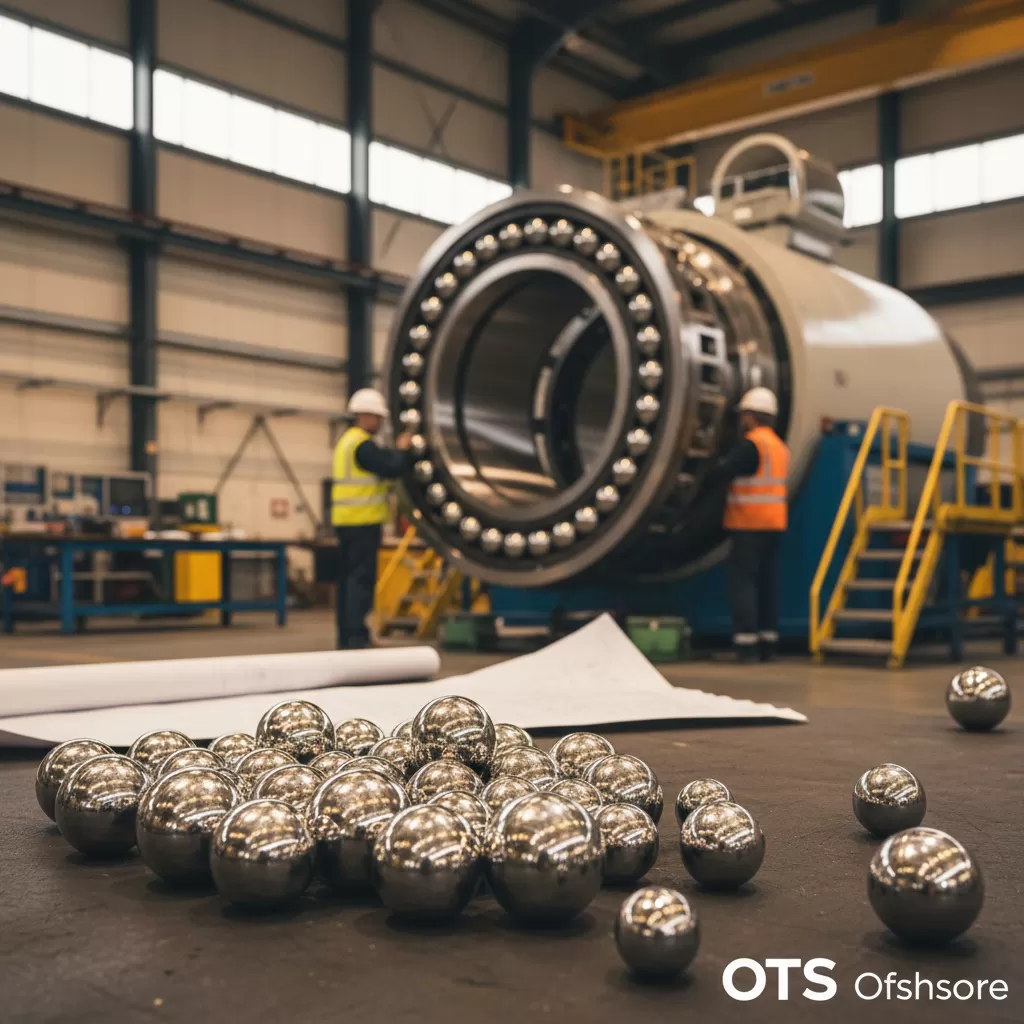
The practical application: steel balls is fundamental to the reliable operation of modern energy infrastructure, particularly within the demanding environment of wind turbine bearings. These high-performance components, often manufactured from specialized steel alloys, are crucial for reducing friction and enabling smooth, efficient rotational movement. Their consistent quality and precise engineering directly impact the longevity and energy output of wind turbines. Beyond the renewable energy sector, the same attributes make steel balls indispensable in a wide array of precision mechanical components, from aerospace actuators to intricate industrial machinery, underscoring their versatility and critical importance across various high-stakes industries. This exploration delves into the multifaceted roles of steel balls, examining their material science, manufacturing intricacies, and performance in these vital applications.
The Indispensable Role of Steel in Wind Energy Technology
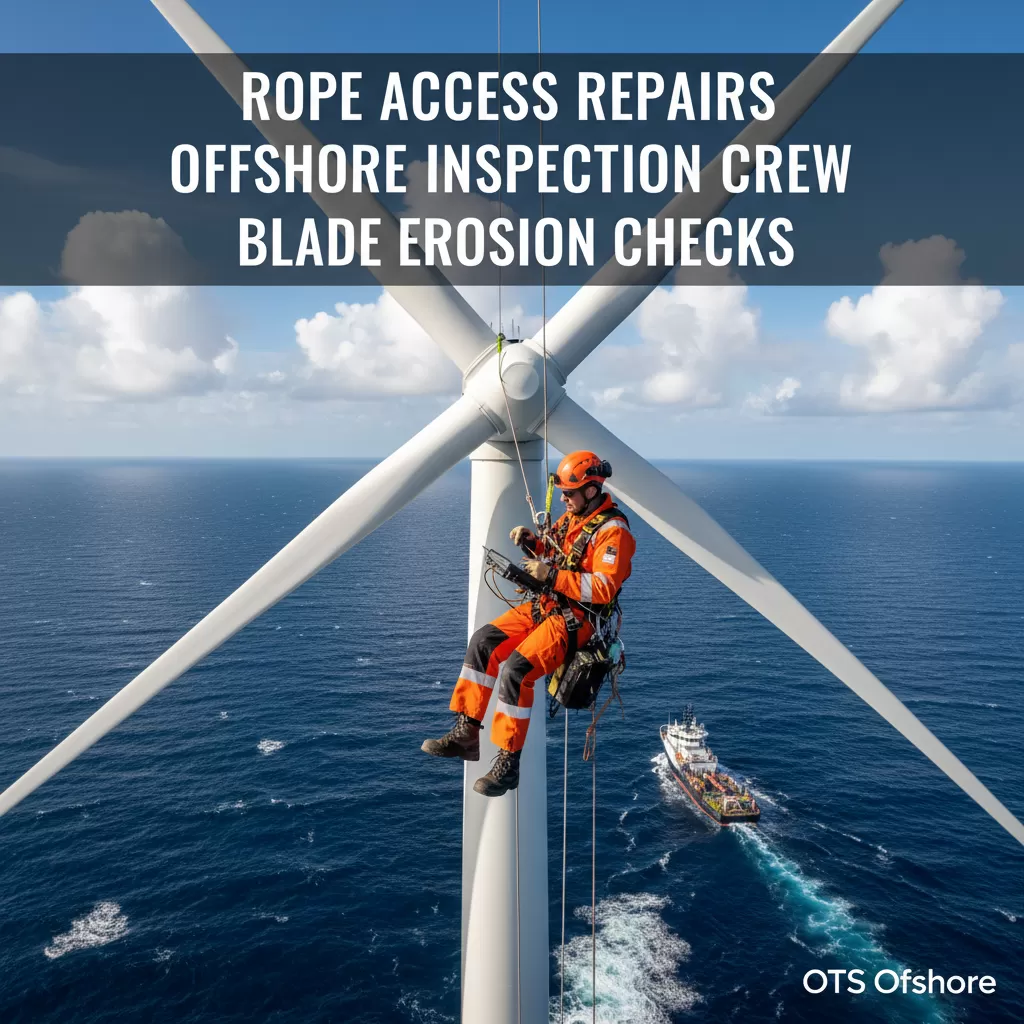
Wind turbine technology represents a significant area for the practical application: steel. The immense forces and continuous rotational stress experienced by wind turbine bearings necessitate materials that exhibit exceptional durability, wear resistance, and load-bearing capacity. High-carbon chromium bearing steel, such as AISI 52100 (also known as 100Cr6 or GCr15), is overwhelmingly the material of choice. Its balanced composition of carbon and chromium allows for through-hardening to achieve high surface hardness, while the chromium content enhances toughness and corrosion resistance. The design of the bearings themselves, whether they are ball bearings, roller bearings, or a hybrid design, is optimized to work in conjunction with these precisely engineered steel balls. The efficiency of a wind turbine is directly correlated to the low friction and minimal wear within its gearbox and main shaft bearings, where the integrity and performance of the steel balls are paramount. Failures in these critical components can lead to costly downtime and significant loss of energy generation capacity, emphasizing the need for stringent quality control and advanced material science in their production. The relentless pursuit of higher efficiency and greater reliability in wind energy systems continues to drive innovation in the metallurgy and manufacturing processes for these essential steel components. The practical application: steel in this context is not merely about supplying a component; it’s about enabling a sustainable energy future through robust engineering solutions.
Material Science and Properties of Bearing Steel
The practical application: steel balls in high-demand scenarios hinges on a deep understanding of material science. Bearing steels are engineered to withstand extreme conditions, including high compressive loads, shear forces, and abrasive wear. The primary constituent, iron, is alloyed with significant amounts of carbon, typically between 0.95% and 1.05% for standard bearing steels like AISI 52100. This high carbon content enables the formation of hard carbides during heat treatment, which are essential for wear resistance.
– Chromium is another critical alloying element, usually present at around 1.30% to 1.60%. Chromium enhances hardenability, allowing the steel to be hardened uniformly throughout its cross-section. It also improves corrosion resistance and contributes to the formation of a fine, uniform microstructure of martensite and carbides after quenching and tempering.
– Other alloying elements, though often in smaller quantities, play crucial roles. Molybdenum can improve toughness and temper embrittlement resistance. Vanadium promotes the formation of fine, stable carbides that resist coarsening at elevated temperatures, thereby maintaining hardness and wear resistance. Sulfur and phosphorus are generally considered detrimental impurities and are kept to very low levels to avoid intergranular embrittlement and improve ductility.
The heat treatment process is as vital as the material composition. A typical heat treatment involves hardening by quenching from a high temperature (around 830-860°C or 1525-1575°F) in oil or water, followed by tempering at a lower temperature (around 150-180°C or 300-355°F). This process results in a microstructure dominated by martensite, a very hard and brittle phase, with dispersed chromium carbides. Tempering reduces the brittleness by precipitating finer carbides and relieving internal stresses, achieving the optimal balance of hardness, toughness, and fatigue strength. The resulting hardness of bearing steel is typically in the range of 58-65 Rockwell C (HRC). The practical application: steel in this form offers unparalleled performance for dynamic load-bearing elements.
Manufacturing Precision and Quality Control
The journey from raw material to a perfectly spherical steel ball for a wind turbine bearing involves highly specialized manufacturing processes. The practical application: steel requires meticulous attention to detail at every stage to ensure the finished product meets stringent performance criteria.
– Raw Material Selection: Only the highest purity steel is used, with tight controls on inclusions (non-metallic particles within the steel matrix). Inclusions can act as stress risers, initiating fatigue cracks and severely limiting the bearing’s lifespan. Vacuum induction melting (VIM) and vacuum arc remelting (VAR) are common techniques to produce ultra-clean bearing steels.
– Hot Forging or Cold Forming: Steel rods are heated and then shaped into blanks using processes like hot forging or cold heading. Cold heading, which deforms the steel at room temperature, can impart work hardening and improve material properties, but requires careful control to avoid excessive stresses.
– Grinding and Hardening: The blanks undergo multiple grinding stages to achieve the initial spherical shape and dimensional accuracy. Following this, they are heat-treated (hardened and tempered) to achieve the desired hardness and microstructure.
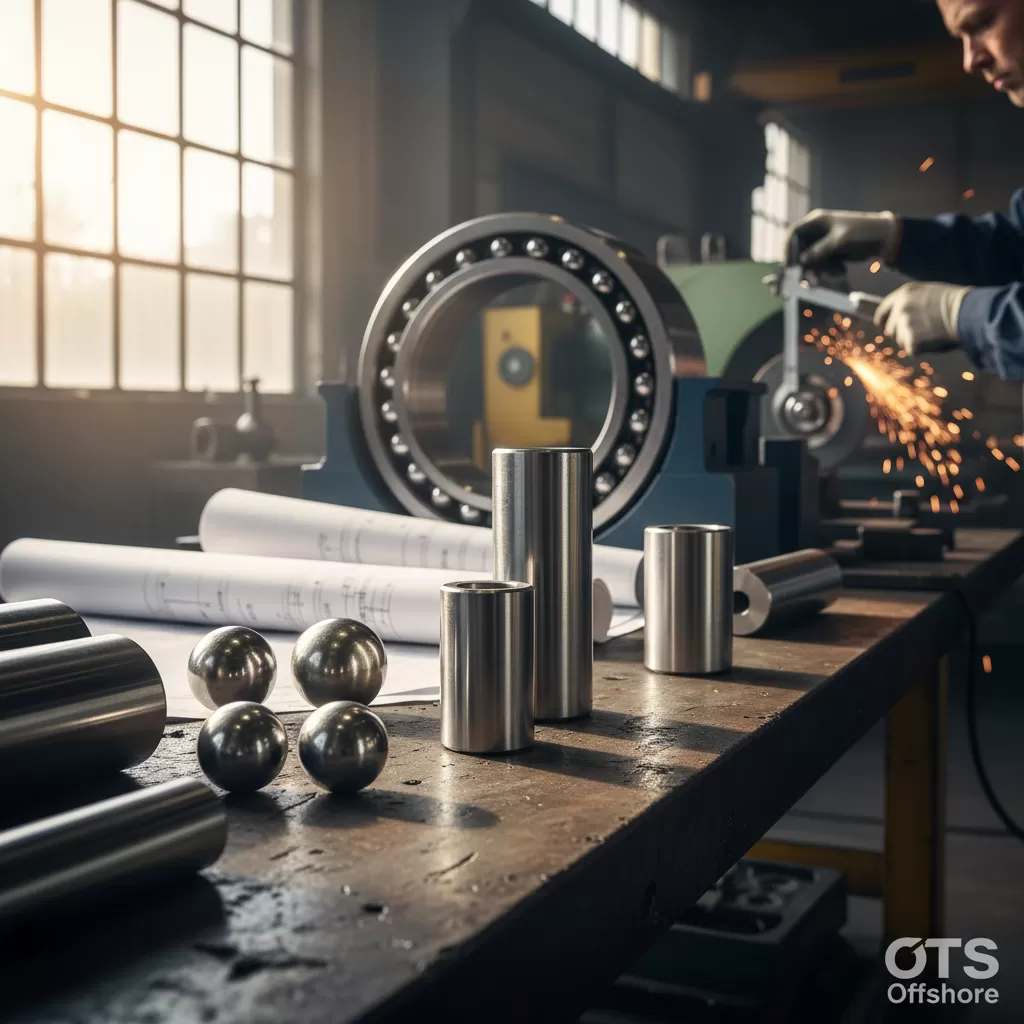
– Precision Grinding and Lapping: This is arguably the most critical phase for achieving the incredibly tight tolerances required for bearing balls. Multiple grinding and lapping operations are employed, often using advanced abrasive materials and sophisticated machinery. The goal is to achieve a surface finish with minimal waviness and a precise sphericity, typically within a few microinches. The diameter tolerance can be as tight as ±0.00001 inches (±0.00025 mm) for high-precision applications.
– Superfinishing: For the most demanding applications, a final superfinishing process may be employed. This involves a low-amplitude, high-frequency oscillating motion with a fine abrasive stone, which further refines the surface, removing microscopic imperfections and creating a smoother, harder, and more wear-resistant surface.
– Inspection and Testing: Throughout the manufacturing process, rigorous quality control measures are implemented. This includes dimensional checks using optical comparators and coordinate measuring machines (CMMs), hardness testing, microscopic examination for inclusions and surface defects, and fatigue testing to verify performance under simulated operating conditions. The practical application: steel balls in this refined state are the epitome of engineering excellence.
Steel Balls in Precision Mechanical Components Beyond Wind Turbines
While wind turbine bearings are a prominent example, the practical application: steel extends far beyond this sector, permeating a vast range of precision mechanical components. The inherent properties of steel balls – their hardness, uniform geometry, and load-carrying capability – make them ideal for numerous critical functions in diverse industries.
– Aerospace Industry: In aircraft, steel balls are vital components in actuators for flight control surfaces, landing gear mechanisms, and various gyroscopic instruments. Their reliability is paramount, as any failure can have catastrophic consequences. The lightweight yet robust nature of specialized steel alloys is particularly advantageous in aerospace.
– Automotive Industry: From wheel bearings and universal joints to steering systems and fuel injection pumps, steel balls are ubiquitous. They enable smooth motion, reduce friction, and contribute to the overall efficiency and longevity of automotive components. The demand for fuel efficiency and longer service intervals further emphasizes the importance of high-quality steel balls.
– Industrial Machinery: A wide spectrum of industrial equipment relies on steel balls. This includes pumps, valves, conveyors, machine tool spindles, and robotic arm joints. In heavy industry, large diameter steel balls are used in crushers and mills. The ability of these balls to withstand high loads and abrasive environments is crucial for maintaining production throughput and minimizing downtime. The practical application: steel here ensures the seamless functioning of complex industrial processes.
– Medical Devices: In highly specialized medical equipment, such as precision surgical instruments and prosthetic joints, miniature and sub-miniature steel balls are employed. The biocompatibility of certain stainless steel alloys, combined with their excellent tribological properties, makes them suitable for these sensitive applications. Sterilizability and long-term performance are key considerations.
– Scientific and Optical Instruments: Extremely high precision is required in scientific instruments and optical systems. Steel balls are used in linear motion systems, micro-positioning stages, and the delicate mechanisms of telescopes and microscopes, where smooth, repeatable movement is essential for accurate measurements and observations. The practical application: steel in these domains facilitates scientific discovery and technological advancement.
The Demands of Dynamic Load-Bearing Applications
The practical application: steel balls in dynamic load-bearing scenarios, such as within wind turbine bearings, subjects them to a complex interplay of forces and stresses. Understanding these demands is key to appreciating the material and manufacturing requirements.
– Fatigue Life: The primary failure mode for bearing balls under cyclic loading is fatigue. Repeated stress cycles, even below the material’s yield strength, can lead to the initiation and propagation of subsurface cracks, eventually resulting in spalling or pitting of the ball’s surface. The fatigue life is influenced by the applied load, the material’s inherent strength and toughness, and the quality of the surface finish and subsurface material. The statistical nature of fatigue means that a population of balls will exhibit a range of service lives, and reliability is often expressed in terms of B10 life – the life by which 10% of the bearings are expected to fail.
– Hertzian Contact Stress: When a steel ball is subjected to a load, it deforms elastically at the point of contact, creating a contact area. The stress within this contact area is known as Hertzian contact stress. For bearing balls, this stress can be extremely high, particularly in applications with heavy loads or small contact areas. Bearing steels are designed to withstand these high stresses without plastic deformation or surface yielding.
– Wear and Abrasion: In environments where contaminants like dust or grit are present, wear and abrasion become significant factors. These abrasive particles can scratch and pit the surface of the steel balls and the bearing races, leading to increased friction, vibration, and accelerated degradation. The hardness of the bearing steel and the smoothness of its surface are critical in mitigating wear.
– Lubrication: Effective lubrication is crucial for minimizing friction and wear between the steel balls and the bearing races. The lubricant film must be robust enough to prevent direct metal-to-metal contact, even under high loads. The presence of lubricant also helps to dissipate heat generated by friction, preventing thermal degradation of the materials and lubricant. The practical application: steel balls function optimally when paired with appropriate lubrication systems.
– Environmental Factors: Temperature extremes, humidity, and corrosive agents can all impact the performance and lifespan of steel balls. High temperatures can reduce material hardness and affect lubricant viscosity. Corrosive environments can lead to surface degradation and premature failure. Therefore, the selection of appropriate steel alloys and protective surface treatments is essential for specific operating conditions.
Innovations in Steel Ball Technology
Continuous advancements in materials science and manufacturing techniques are constantly pushing the boundaries of what is achievable with steel balls. The practical application: steel is evolving to meet ever-increasing performance demands.
– Advanced Steel Alloys: Research into new bearing steel compositions continues. This includes developing steels with improved toughness, higher tempering resistance (allowing operation at higher temperatures), and enhanced resistance to contamination. For instance, some advanced steels incorporate controlled additions of elements like tungsten or molybdenum to form exceptionally hard and stable carbides.
– Surface Treatments and Coatings: Beyond the inherent properties of the steel, surface engineering plays a vital role. Coatings such as titanium nitride (TiN), chromium nitride (CrN), or diamond-like carbon (DLC) can significantly improve wear resistance, reduce friction, and enhance corrosion protection. These coatings are typically applied using physical vapor deposition (PVD) or chemical vapor deposition (CVD) techniques, creating a hard, low-friction surface layer.
– Hybrid Bearings: While this discussion focuses on all-steel balls, it’s worth noting the trend towards hybrid bearings, which combine steel balls with ceramic races (often silicon nitride). Ceramic offers advantages such as lower density, higher stiffness, and electrical insulation properties, which can be beneficial in certain high-speed or high-temperature applications. However, the fundamental role of the steel ball as a rolling element remains, with its precise geometry and mechanical properties being critical to the bearing’s function.
– Manufacturing Process Optimization: Innovations in grinding, lapping, and superfinishing technologies, including the use of advanced abrasive materials and automated process control, are leading to even tighter tolerances, superior surface finishes, and improved consistency in steel ball production. The integration of artificial intelligence and machine learning in quality control and process monitoring is also becoming more prevalent. The practical application: steel is increasingly being shaped by sophisticated digital technologies.
– Sustainability Initiatives: There is a growing focus on sustainable manufacturing practices within the steel industry. This includes optimizing energy consumption in melting and heat treatment processes, reducing waste, and exploring the use of recycled materials where feasible, without compromising the stringent quality requirements for high-performance bearing steels. The practical application: steel is being re-evaluated through a lens of environmental responsibility.