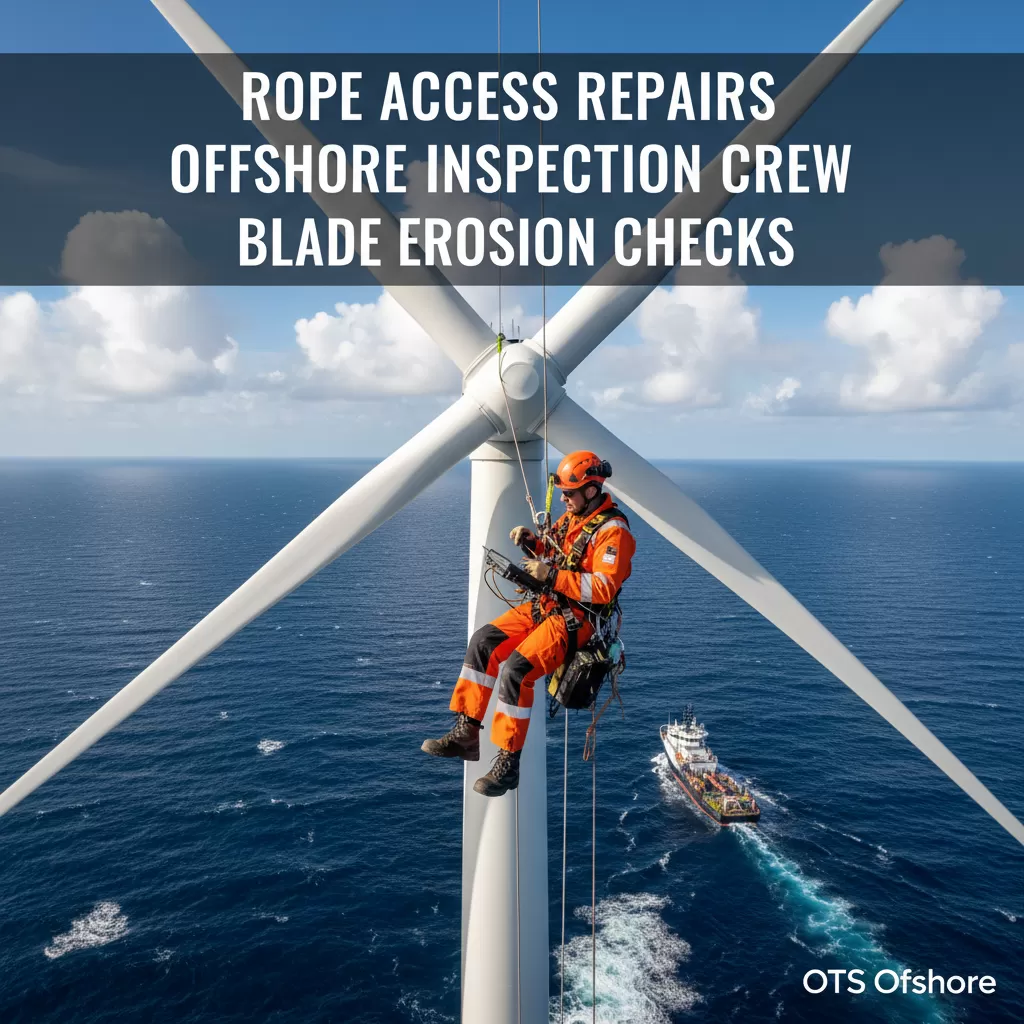


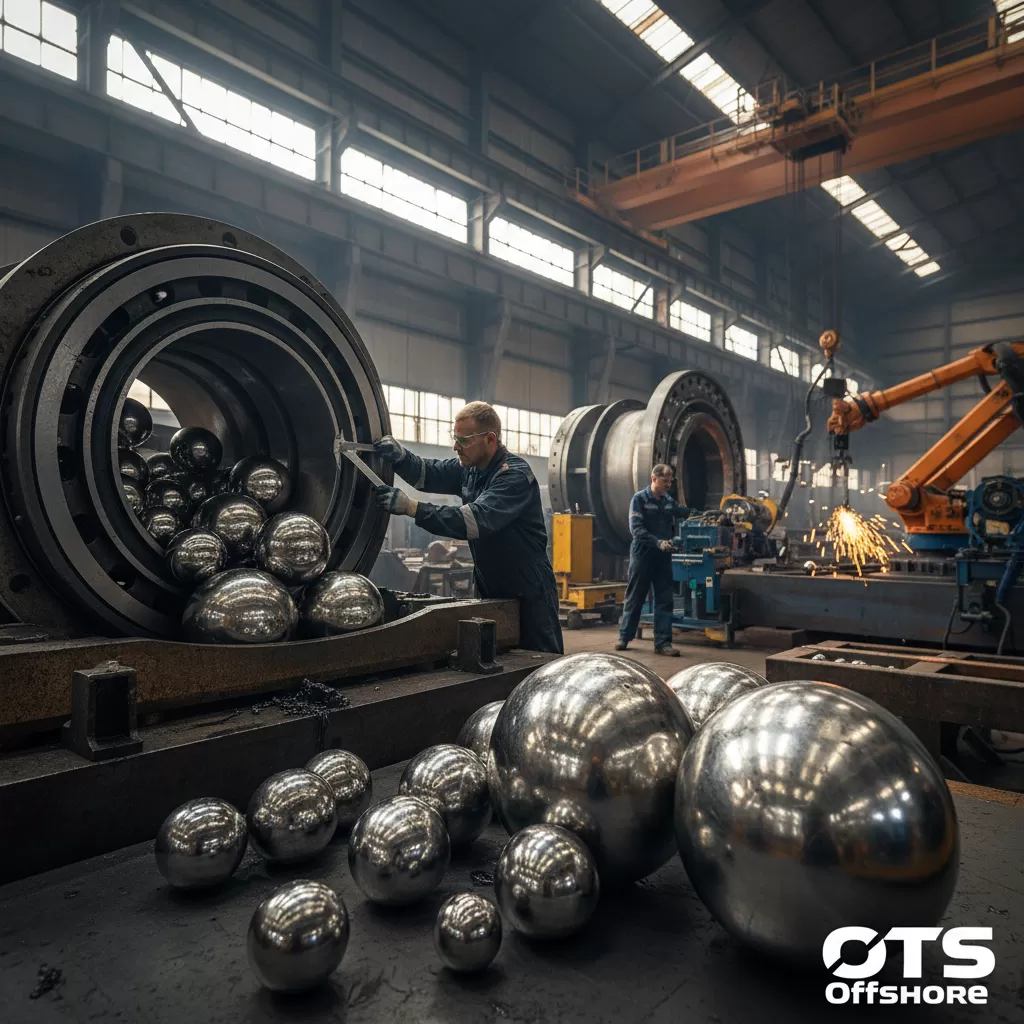
This article delves into the critical role of steel balls in the demanding environments of wind turbine bearings and precision mechanical components. It explores their material science, manufacturing processes, and the specific advantages they offer in ensuring reliability and performance within the energy sector and advanced engineering.
The Practical Application: Steel Balls in High-Performance Environments
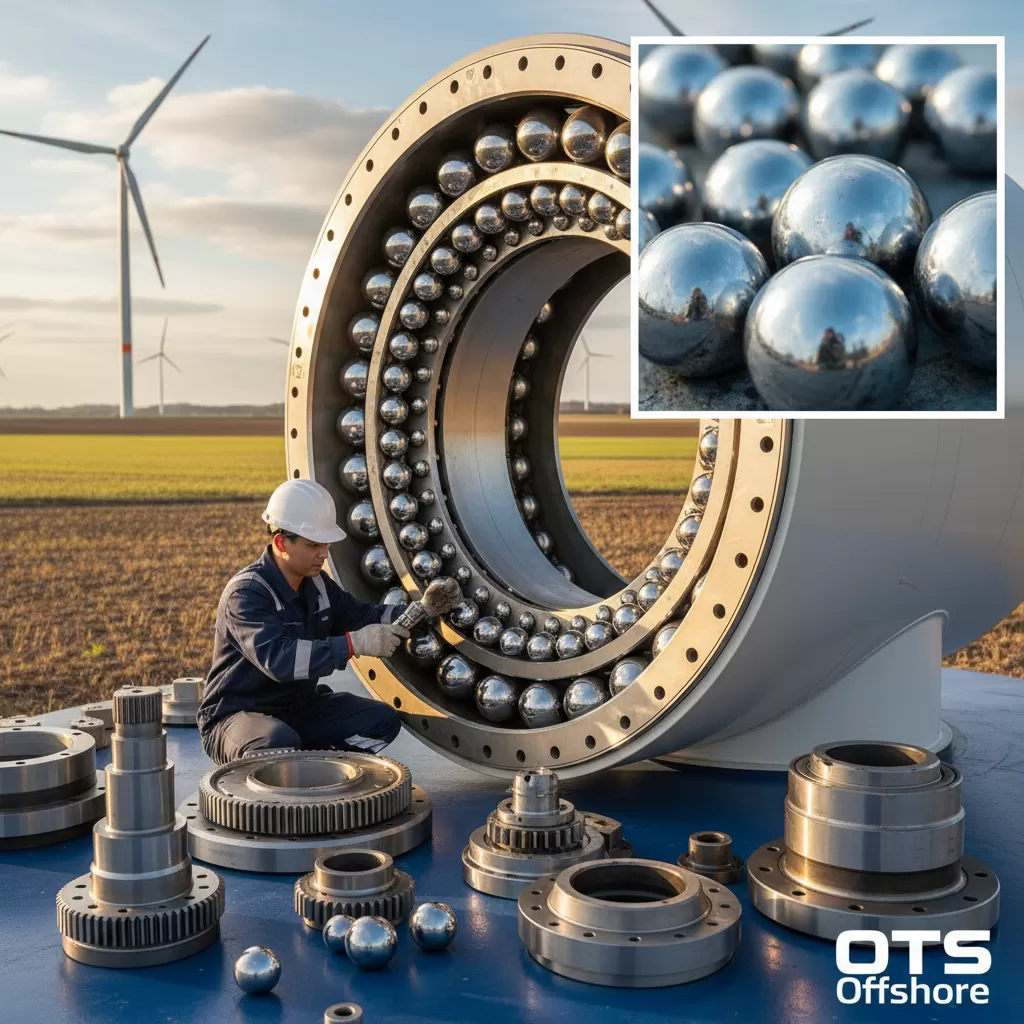
The exploration of the practical application: steel balls reveals their indispensable nature in sectors requiring extreme durability and precision. Within the wind energy industry, where components are subjected to constant, high-stress rotational loads and harsh weather conditions, the integrity of bearings is paramount. Similarly, in precision mechanical components across various industries, from aerospace to medical devices, the performance and lifespan of moving parts are directly linked to the quality of their spherical elements. This necessitates a deep understanding of the materials, manufacturing techniques, and specific properties that make steel balls the preferred choice for these critical applications.
The latent semantic indexing (LSI) keywords surrounding this topic include terms such as: bearing steel, high-carbon chromium steel, material properties, surface finish, dimensional accuracy, fatigue life, corrosion resistance, lubrication, tribology, wind turbine drivetrain, gearbox bearings, pitch bearings, yaw bearings, rotor shaft bearings, precision machining, industrial applications, aerospace components, automotive systems, heavy machinery, wear resistance, load capacity, manufacturing tolerances, quality control, and supply chain reliability.
Material Science of Steel Balls for Wind Turbine Bearings
The selection of the right steel alloy is the bedrock of successful steel ball performance in wind turbine bearings. The primary material of choice for these demanding applications is typically high-carbon chromium bearing steel, most commonly AISI 52100. This alloy offers a compelling combination of hardness, toughness, and wear resistance, essential for enduring the cyclical loading and high speeds encountered in a wind turbine’s operational life. The chromium content, typically around 1.5%, contributes significantly to hardenability, allowing for deep case hardening and a robust martensitic structure upon heat treatment. Furthermore, chromium enhances corrosion resistance, a crucial factor given the often-exposed nature of wind turbine components to atmospheric elements.
The microstructure of the bearing steel is meticulously controlled during manufacturing. This involves careful control of grain size and the distribution of carbides. Fine, uniformly distributed carbides are essential for optimal strength and toughness, preventing premature crack propagation. Inclusions, such as oxides and sulfides, are detrimental to fatigue life and are minimized through advanced melting and refining processes like vacuum degassing and electroslag remelting (ESR). These techniques remove dissolved gases and impurities, leading to a cleaner steel with superior fatigue performance. The inherent properties of the steel, such as its tensile strength, yield strength, and hardness, are further enhanced through specific heat treatment processes, including hardening and tempering, to achieve the desired balance of strength and ductility.
Heat Treatment: The Forge of Durability
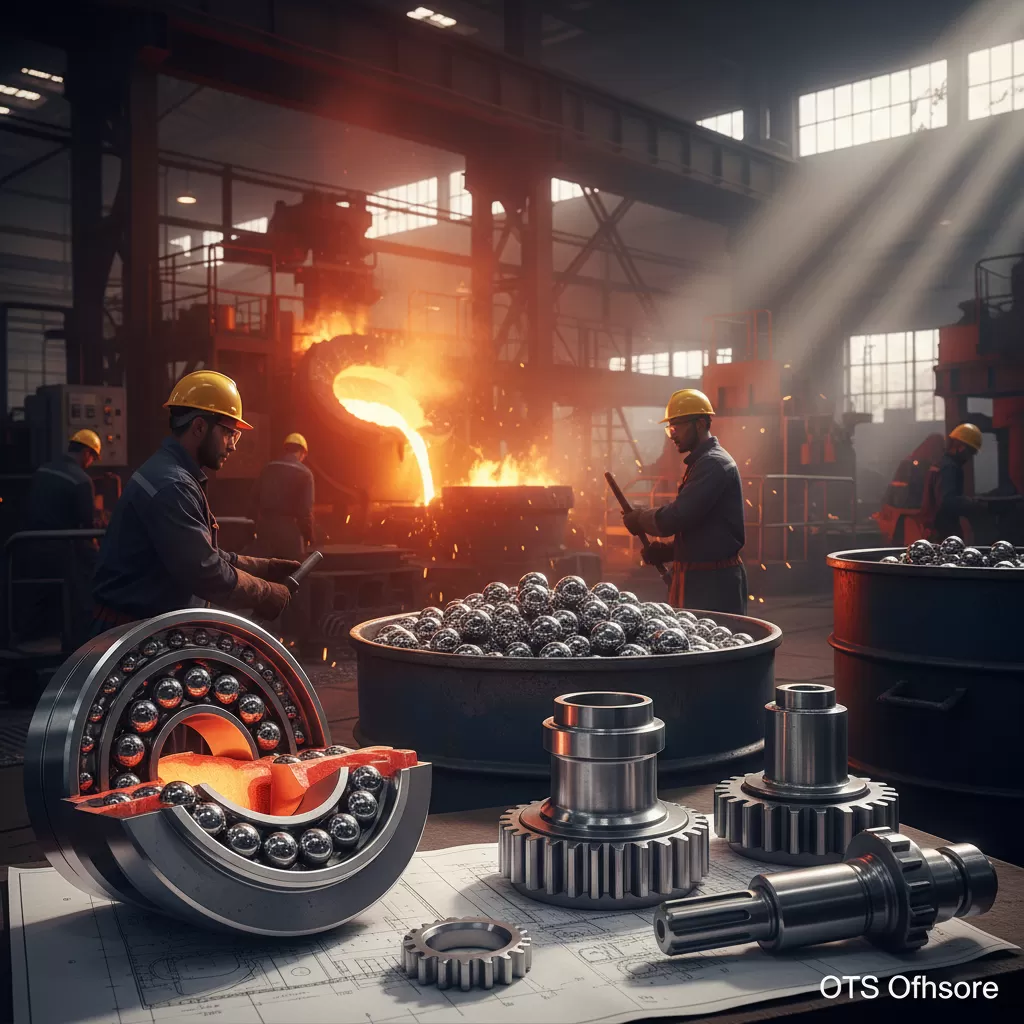
Heat treatment is a critical stage in transforming raw steel into high-performance bearing components. For steel balls intended for wind turbine applications, the process typically involves hardening followed by tempering. Hardening, usually achieved through heating the steel to an austenitizing temperature and then rapidly quenching it in a suitable medium (like oil or salt bath), transforms the microstructure into martensite, a very hard but brittle phase. This high hardness is essential for resisting indentation and wear.
Tempering then follows, where the hardened steel is reheated to a specific lower temperature and held for a period before cooling. This process reduces the internal stresses induced during quenching and increases the ductility and toughness of the steel, making it less prone to fracture under impact or shock loads. The precise tempering temperature is carefully selected to achieve the optimal balance between hardness and toughness required for the specific bearing application. For example, bearings subjected to higher shock loads might require a slightly lower tempering temperature to enhance toughness, while those primarily facing abrasive wear might benefit from a higher tempering temperature to maintain maximum hardness.
Manufacturing Precision and Surface Finish
Beyond the bulk material properties, the manufacturing precision and surface finish of steel balls are paramount, especially for high-speed and high-load applications like wind turbine bearings and precision mechanical components. The grinding and polishing stages are meticulously controlled to achieve extremely tight dimensional tolerances and an exceptionally smooth surface finish. These tolerances ensure that the balls fit perfectly within the bearing races, distributing loads evenly and minimizing friction. Deviations in sphericity, diameter, or waviness can lead to uneven stress distribution, premature wear, and increased operational noise and vibration.
The surface finish, often measured in micro-inches or nanometers, plays a crucial role in tribological performance. A smoother surface reduces the coefficient of friction, minimizes wear, and allows for more effective lubrication. Lubricant films are critical in preventing direct metal-to-metal contact between the rolling elements and the races. A superior surface finish facilitates the formation and maintenance of these essential lubricant films, extending the fatigue life and overall reliability of the bearing. Advanced finishing techniques, including lapping and superfinishing, are employed to achieve the desired surface quality, often resulting in mirror-like finishes that are vital for minimizing friction and wear in critical components.
Dimensional Accuracy and Sphericity: The Pillars of Performance
The quest for perfect sphericity and precise dimensional accuracy is central to the production of high-quality steel balls. For wind turbine bearings, where loads can fluctuate significantly and rotations are continuous, even minute deviations can have cascading negative effects. Out-of-roundness can cause the load to be concentrated on a smaller area of the ball and the bearing race, leading to accelerated wear and potential premature failure. Similarly, variations in diameter across a set of balls within a bearing can result in uneven load distribution, increasing stress on some balls more than others.
Manufacturing processes, such as precision grinding and honing, are employed to achieve diameter tolerances that are often measured in microns. Sophisticated metrology equipment, including optical comparators and coordinate measuring machines (CMMs), is used for rigorous quality control at every stage of production. Statistical process control (SPC) is frequently implemented to monitor and maintain these tight tolerances, ensuring consistency from batch to batch. The pursuit of perfect form is not merely an aesthetic consideration but a fundamental engineering requirement for ensuring the long-term operational integrity of critical mechanical systems.
The Role of Lubrication and Tribology
Lubrication is the lifeblood of any rolling element bearing, and its effectiveness is intrinsically linked to the properties of the steel balls and the precision of their surfaces. Tribology, the science of friction, wear, and lubrication, provides the theoretical framework for understanding these interactions. In wind turbine bearings, the lubricant film separates the rolling elements from the raceways, preventing direct contact and the associated wear and heat generation. The rheological properties of the lubricant, combined with the surface topography of the steel balls, dictate the type of lubrication regime (e.g., hydrodynamic, elastohydrodynamic, or boundary lubrication) that is established.
For steel balls, a smooth surface finish is crucial for establishing a robust elastohydrodynamic (EHD) lubricant film, especially under high-speed conditions. The EHD film is a thin layer of lubricant that forms due to the combined effects of elastic deformation of the surfaces and the entraining motion of the lubricant. This film can significantly reduce friction and wear. The material properties of the steel, such as its hardness and modulus of elasticity, also influence the deformation of the surfaces and the overall effectiveness of the EHD film. Furthermore, the chemical additives within the lubricant, such as anti-wear agents and extreme pressure (EP) additives, interact with the steel surface to provide additional protection under severe operating conditions.
Corrosion Resistance: A Shield Against the Elements
Wind turbines, often located in coastal or humid environments, are exposed to corrosive elements that can severely degrade the performance and lifespan of their components. While bearing steel alloys like AISI 52100 offer a degree of inherent corrosion resistance due to their chromium content, this is often enhanced through protective coatings or specific surface treatments. The presence of moisture, salt spray, and other atmospheric contaminants can lead to surface pitting and spalling, initiating subsurface fatigue cracks and compromising the bearing’s integrity.
Beyond the material itself, manufacturing practices play a role in mitigating corrosion risks. Thorough cleaning and degreasing processes are essential to remove any residual contaminants from the manufacturing stages. Proper packaging and handling also prevent premature exposure to corrosive environments during storage and transportation. For applications where extreme corrosion resistance is required, specialized stainless steel alloys might be considered, although these often come with trade-offs in terms of hardness and cost. In many cases, advanced coatings, such as PVD (Physical Vapor Deposition) or specialized lubricants with enhanced rust inhibitors, are employed to provide an additional layer of protection against corrosive attack, ensuring the longevity of the steel balls and the overall bearing assembly.
Applications Beyond Wind Energy
While wind turbine bearings represent a significant high-performance application for steel balls, their utility extends far beyond this sector. The principles of precision, durability, and reliability that make them ideal for wind energy are equally valuable in numerous other precision mechanical components. In the aerospace industry, steel balls are critical components in various systems, including flight control actuators, landing gear mechanisms, and gyroscopic instruments, where failure is not an option.
The automotive industry relies heavily on steel balls for applications such as wheel bearings, transmission components, and steering systems. Their ability to withstand high rotational speeds, significant shock loads, and the rigors of daily use is essential for vehicle safety and performance. In the realm of industrial machinery, steel balls are found in conveyor systems, pumps, valves, and machine tool spindles, contributing to efficient operation and extended service life. The medical device sector also utilizes precision steel balls in surgical instruments, prosthetics, and diagnostic equipment, where biocompatibility, sterilizability, and extremely tight tolerances are paramount.
Precision Machining and Industrial Components
The manufacturing of precision mechanical components relies on the consistent quality and performance of their constituent parts, and steel balls are frequently among these critical elements. In the context of industrial machining, the accuracy of a workpiece’s positioning and movement is often dictated by the precision of the bearings and linear motion systems that support it. Steel balls, with their uniform size and surface finish, enable smooth, low-friction movement and precise control.
For example, in linear motion bearings, arrays of steel balls are used to guide shafts with minimal resistance, allowing for smooth and repeatable movements. The load-carrying capacity of these systems is directly related to the number of balls and their individual strength. Similarly, in rotary motion applications like machine tool spindles, high-speed steel balls in specialized bearings allow for rapid rotation with minimal vibration, crucial for achieving tight machining tolerances. The selection of the appropriate steel ball grade, considering factors like hardness, material composition, and surface finish, is a key engineering decision that impacts the overall performance and longevity of these industrial systems. The ability to produce steel balls with such exacting specifications is a testament to advancements in metallurgy and precision manufacturing techniques.
Quality Control and Supply Chain Considerations
Ensuring the quality of steel balls is not just a manufacturing concern but a critical element of supply chain management, particularly for sectors like renewable energy and advanced manufacturing where component failure can have significant economic and safety implications. Rigorous quality control protocols are implemented throughout the entire production process, from raw material inspection to final product testing. These protocols often adhere to international standards such as ISO standards for bearings and precision components.
Statistical process control (SPC) is widely used to monitor and control critical manufacturing parameters, ensuring consistency and minimizing deviations. Advanced non-destructive testing (NDT) methods, such as ultrasonic testing, may be employed to detect internal flaws or inclusions that could compromise the structural integrity of the balls. Dimensional inspections using CMMs and surface profilometers verify that the balls meet stringent geometric and surface finish requirements. For critical applications, traceability of materials and manufacturing data is often required, allowing for the identification of the source and production history of each batch of steel balls. A robust and reliable supply chain is therefore essential, ensuring a consistent flow of high-quality steel balls to meet the demands of these industries.
The Economic Impact of Reliable Steel Balls
The seemingly small component of a steel ball plays an outsized role in the economic viability of many industries. In the wind energy sector, for instance, the lifespan and reliability of bearings directly impact the operational uptime and maintenance costs of turbines. Premature bearing failure can lead to costly downtime, requiring expensive repairs and potentially resulting in lost energy generation revenue. The initial investment in high-quality steel balls, which ensures longer bearing life and reduced maintenance needs, offers a significant return on investment over the operational life of the wind farm.
Similarly, in the precision manufacturing sector, the quality of steel balls in machine tools influences the precision of the finished products. Inaccurate or worn bearings can lead to suboptimal manufacturing quality, requiring rework or scrap, thus increasing production costs. In industries like aerospace, where component failure can have catastrophic consequences, the economic imperative for using only the highest quality steel balls is undeniable. The long-term cost savings associated with reduced maintenance, extended component life, and improved operational efficiency underscore the significant economic impact of this critical component.
Future Trends and Innovations
The evolution of the practical application: steel balls continues to be driven by the increasing demands of high-performance industries. Research and development are focused on enhancing material properties, improving manufacturing processes, and exploring novel surface treatments and coatings. One area of significant interest is the development of advanced bearing steels with improved fatigue life, higher temperature resistance, and enhanced toughness. This includes exploring new alloying elements and optimizing heat treatment cycles to achieve superior microstructures.
Furthermore, advancements in manufacturing technologies, such as additive manufacturing (3D printing) for specialized tooling or even bespoke components, are beginning to influence the production of spherical elements. While traditional grinding and polishing remain dominant for mass production, new techniques may offer customized solutions for niche applications. The integration of smart sensors within bearings, which can monitor load, temperature, and vibration in real-time, is also an emerging trend. This data can then inform predictive maintenance strategies, further enhancing the reliability and economic efficiency of systems that rely on steel balls.
Advanced Coatings and Surface Engineering
Surface engineering is playing an increasingly vital role in extending the performance envelope of steel balls. Beyond traditional polishing, innovative coatings are being applied to impart specific functionalities, such as increased hardness, reduced friction, enhanced corrosion resistance, and improved wear resistance. Physical Vapor Deposition (PVD) and Chemical Vapor Deposition (CVD) techniques are used to apply thin, hard coatings like titanium nitride (TiN) or chromium nitride (CrN) onto the surface of steel balls.
Tham khảo thêm: Thông tin chi tiết về Practical Application: Steel trên Wikipedia.
These coatings can significantly improve the ball’s ability to withstand abrasive wear and micro-pitting, which are common failure modes in high-stress applications. Diamond-like carbon (DLC) coatings are also gaining traction for their exceptionally low coefficient of friction and high hardness, offering enhanced performance in environments where lubrication is challenging. Thermal spray coatings can provide thicker layers of wear-resistant materials for more demanding applications. The precise control over coating thickness, adhesion, and surface topography is crucial for realizing the full benefits of these advanced surface engineering solutions. This field continues to evolve, offering new possibilities for optimizing the performance and lifespan of steel balls in increasingly challenging operational conditions.