

Predictive Maintenance: Thermal analysis offers a proactive approach to safeguarding critical infrastructure in the oil and gas sector. By employing advanced thermal imaging and data analytics, organizations can identify potential equipment failures and mitigate fire risks before they escalate, ensuring operational continuity and personnel safety.
Predictive Maintenance: Thermal Anomaly Detection for Enhanced Fire Risk Prevention
The oil and gas industry, characterized by its inherently hazardous environments and complex operational systems, faces constant pressure to enhance safety protocols and minimize downtime. Predictive maintenance, particularly when leveraging thermal imaging and anomaly detection, has emerged as a cornerstone strategy for achieving these objectives. This approach moves beyond traditional reactive or time-based maintenance, shifting towards a data-driven methodology that anticipates potential failures. At its core, Predictive Maintenance: Thermal involves the continuous monitoring of equipment temperatures to identify deviations from normal operating parameters. These thermal anomalies, often invisible to the naked eye, can signal underlying issues such as electrical faults, mechanical wear, or fluid leaks – all of which can significantly elevate the risk of fire. By integrating advanced sensing technologies, sophisticated analytical algorithms, and a deep understanding of asset behavior, operators can preemptively address these incipient problems, thereby bolstering fire prevention efforts and safeguarding valuable assets and personnel. The strategic deployment of Predictive Maintenance: Thermal solutions is not merely a technological upgrade; it represents a fundamental paradigm shift towards a more resilient and secure operational future within the energy sector.
The Critical Role of Thermal Imaging in Predictive Maintenance: Thermal
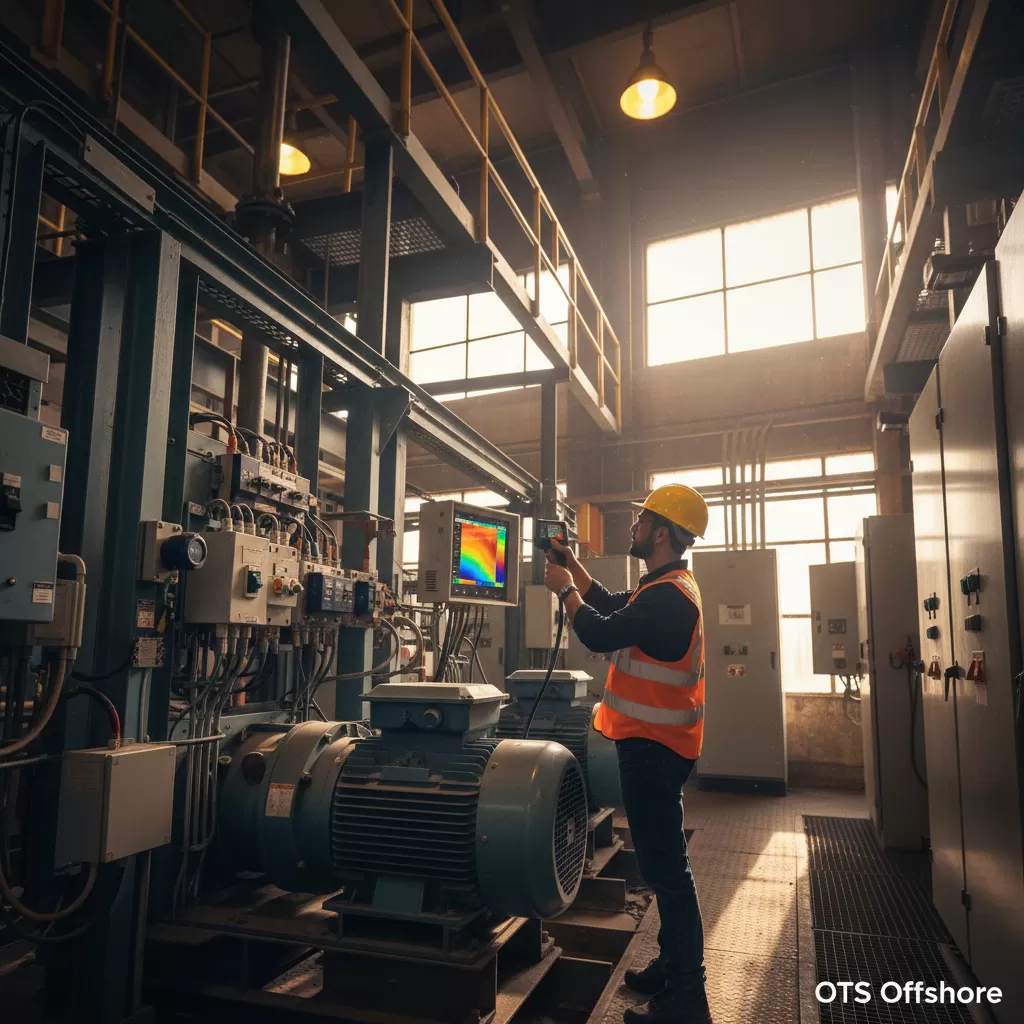
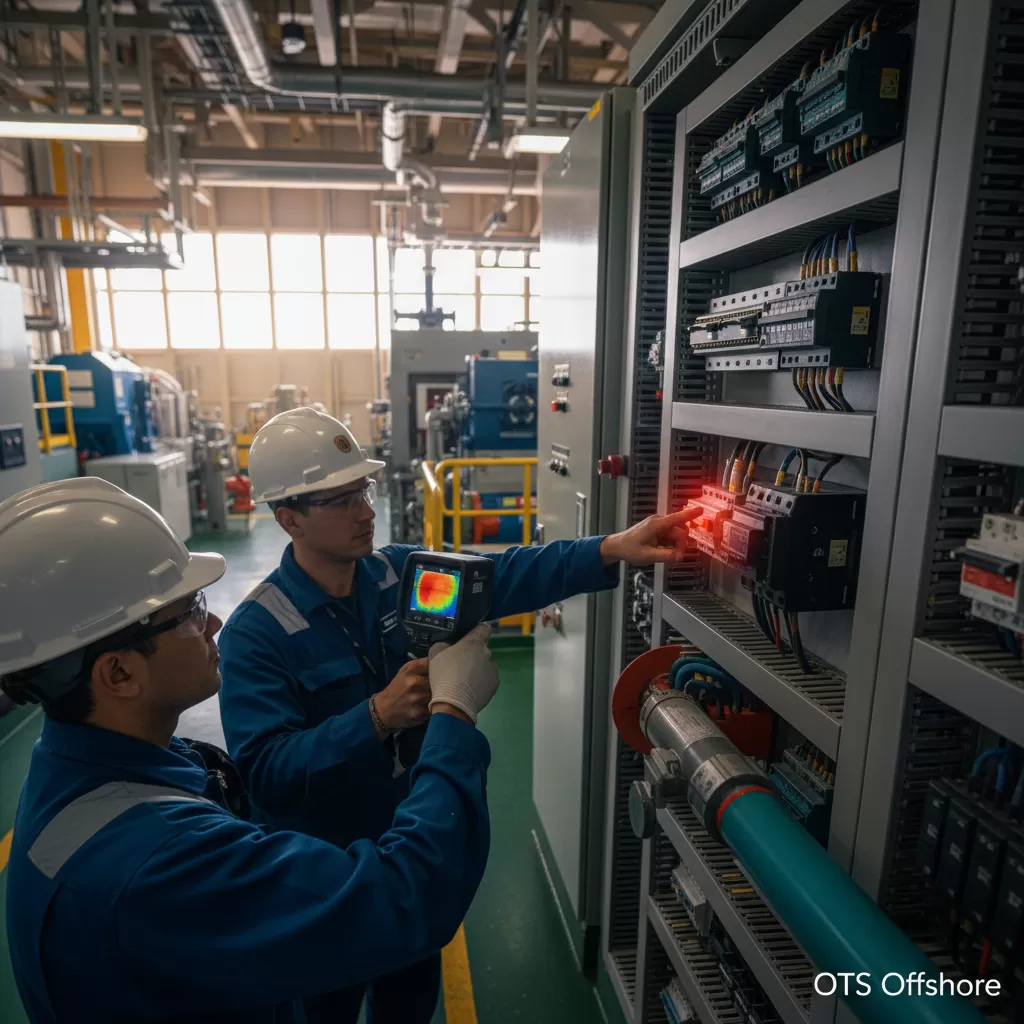
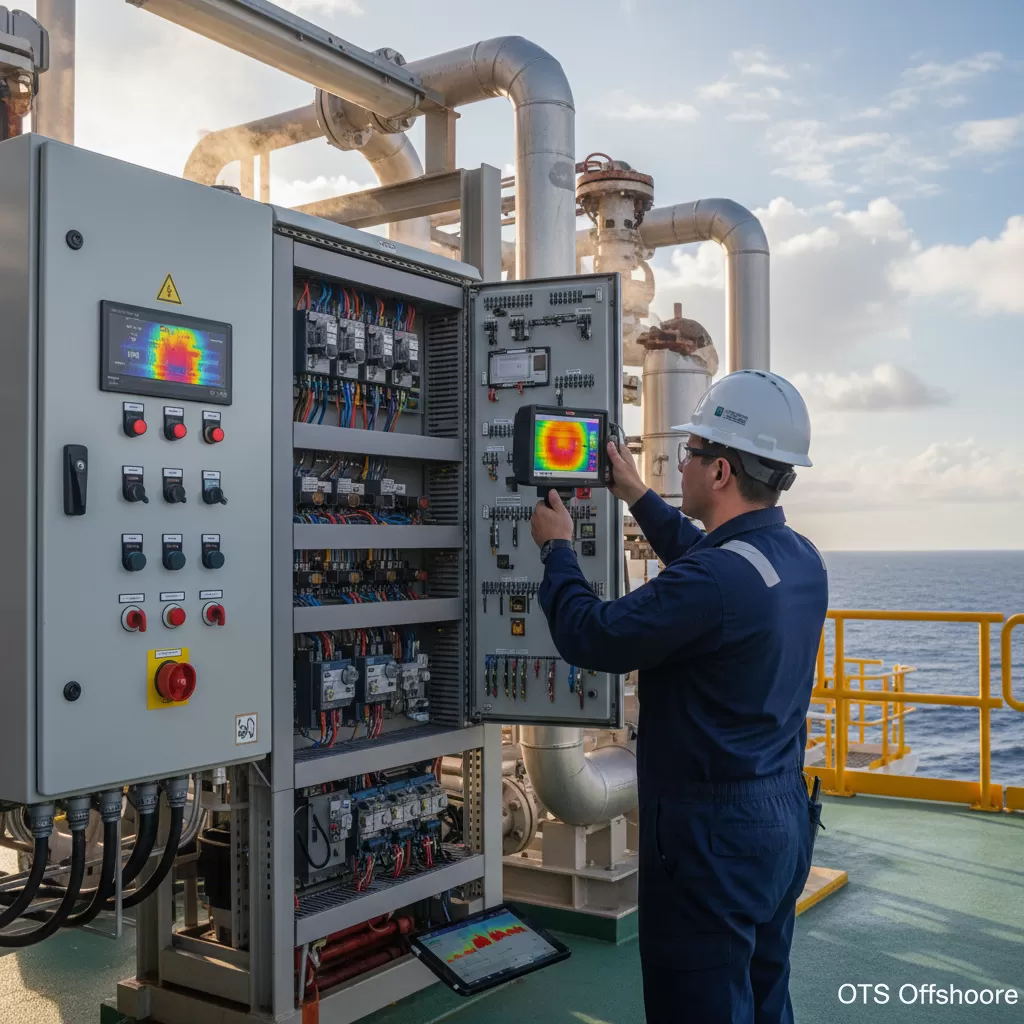
Thermal imaging, often referred to as infrared thermography, acts as the primary sensory organ for Predictive Maintenance: Thermal systems. This non-contact inspection method captures the infrared radiation emitted by an object, translating it into a visual representation of surface temperatures. In the context of the oil and gas industry, this technology offers unparalleled insights into the health of electrical components, rotating machinery, pipelines, and storage tanks. For instance, an overheated electrical connection in a control panel or a transformer can indicate increased resistance, a precursor to arcing and potential ignition. Similarly, excessive heat emanating from a bearing in a pump or compressor suggests impending mechanical failure due to friction, which can lead to catastrophic breakdown and fire.
The versatility of thermal imaging allows for rapid scans of large areas and critical equipment without interrupting operations. This capability is crucial in an industry where shutdowns are costly and often impractical. Inspectors can quickly identify hot spots or cold spots that deviate from expected thermal signatures, pinpointing potential problem areas with remarkable accuracy. Modern thermal cameras, equipped with high-resolution sensors and advanced radiometric capabilities, can capture precise temperature measurements, enabling detailed analysis and trend monitoring. Furthermore, the ability to record and analyze thermal data over time is fundamental to predictive capabilities. By establishing baseline thermal profiles for healthy equipment, deviations can be identified and tracked, allowing maintenance teams to intervene before a minor anomaly becomes a critical failure. This proactive stance significantly reduces the likelihood of unexpected equipment failures that could lead to fires.
Understanding Thermal Signatures and Anomaly Classification
Effective implementation of Predictive Maintenance: Thermal hinges on a thorough understanding of thermal signatures and the ability to accurately classify anomalies. A thermal signature is the unique pattern of heat distribution exhibited by a piece of equipment under specific operating conditions. This signature is influenced by various factors, including material properties, operational load, ambient temperature, and the presence of any underlying defects. For example, a healthy motor bearing will typically exhibit a consistent and relatively low temperature profile, while a bearing suffering from insufficient lubrication or misalignment will generate excessive friction, leading to a noticeable increase in its thermal signature.
Anomaly classification involves categorizing the observed thermal deviations based on their severity, potential cause, and the associated risk of failure or fire. This process typically involves comparing real-time thermal data against established benchmarks, historical data, and known failure modes. Expert systems and machine learning algorithms are increasingly being employed to automate this classification process, enhancing accuracy and efficiency. Anomalies can be broadly classified into categories such as:
– Minor deviations: These might represent normal operational fluctuations or slight variations due to environmental changes. While not immediately critical, they warrant observation.
– Moderate deviations: These indicate a developing issue, such as increased resistance in an electrical connection or early-stage bearing wear. These require planned intervention.
– Severe deviations: These point to an imminent failure or a significant fire hazard, necessitating immediate attention and potential shutdown.
The classification process is crucial for prioritizing maintenance efforts. By accurately identifying and categorizing anomalies, maintenance teams can allocate resources effectively, focusing on the most critical issues first. This systematic approach ensures that potential fire risks are addressed proactively, preventing them from escalating into catastrophic events. The refinement of anomaly classification models, often through the analysis of large datasets of thermal images and associated failure records, is an ongoing area of research and development in Predictive Maintenance: Thermal.
Advanced Data Analytics and Machine Learning in Predictive Maintenance: Thermal
While thermal imaging provides the raw data, it is the application of advanced data analytics and machine learning that truly unlocks the predictive power of Predictive Maintenance: Thermal. The sheer volume of thermal data generated by continuous monitoring can be overwhelming without robust analytical tools. Machine learning algorithms excel at identifying complex patterns and correlations within this data that might be imperceptible to human analysts. These algorithms can be trained on historical data, including both normal operating conditions and records of past failures, to learn the subtle indicators of impending issues.
One key application is pattern recognition. Machine learning can identify recurring thermal patterns associated with specific failure mechanisms. For instance, a particular type of electrical degradation might consistently manifest as a specific temperature rise profile in an infrared image. By recognizing these patterns, the system can predict the type of failure that is likely to occur. Furthermore, predictive modeling uses historical data to forecast the future behavior of equipment. By analyzing the rate of temperature increase or the evolution of a thermal anomaly over time, these models can estimate the remaining useful life (RUL) of a component, allowing for optimized scheduling of maintenance interventions.
Another significant contribution of machine learning is in the realm of anomaly detection. Instead of relying solely on predefined thresholds, these algorithms can learn what constitutes “normal” behavior for a specific asset under varying operational conditions. This allows for the detection of subtle deviations that might otherwise be missed. Techniques such as clustering, outlier detection, and temporal analysis are employed to sift through vast datasets and flag potential issues. The integration of these analytical capabilities transforms raw thermal data into actionable intelligence, enabling a more precise and effective Predictive Maintenance: Thermal strategy. This, in turn, significantly enhances fire risk prevention by identifying potential ignition sources before they become active threats.
Integrating Thermal Data with Other Condition Monitoring Techniques
While thermal imaging is a powerful tool, its efficacy in Predictive Maintenance: Thermal is often amplified when integrated with other condition monitoring techniques. A holistic approach that combines multiple data streams provides a more comprehensive understanding of equipment health and potential failure modes. Vibration analysis, for instance, is highly effective at detecting mechanical issues in rotating machinery like pumps, compressors, and turbines. Abnormal vibration patterns can indicate imbalance, misalignment, or bearing damage, which often correlate with increased friction and elevated temperatures.
Acoustic emission testing can detect high-frequency sounds generated by friction, cracks, or leaks within equipment, providing another layer of insight into potential problems. Oil analysis, a traditional but still vital technique, can reveal the presence of wear particles, contaminants, or changes in lubricant properties that can lead to increased friction and heat. Electrical testing methods, such as insulation resistance testing and partial discharge analysis, can directly assess the health of electrical systems, identifying potential weaknesses that could lead to overheating and fires.
By fusing data from these diverse monitoring techniques with thermal imaging, maintenance teams can achieve a more robust and accurate assessment of equipment condition. For example, if vibration analysis indicates a potential issue with a pump bearing and thermal imaging shows a localized hot spot on that same bearing, the confidence in an impending failure increases significantly. Machine learning algorithms can be used to correlate these disparate data points, identifying complex interdependencies between different types of anomalies. This integrated approach allows for earlier and more precise identification of potential fire hazards, moving beyond a single data point to a comprehensive system-wide view of asset health. This multi-faceted strategy is a hallmark of sophisticated Predictive Maintenance: Thermal programs.
Key Application Areas for Predictive Maintenance: Thermal in Oil and Gas
The application of Predictive Maintenance: Thermal spans across numerous critical areas within the oil and gas sector, each presenting unique challenges and opportunities for enhancing safety and operational efficiency.
– Electrical Systems: This is arguably the most prevalent application. Overheating in electrical connections, switchgear, circuit breakers, motor control centers, and transformers is a significant fire risk. Thermal imaging can readily detect loose connections, corrosion, overloaded circuits, and faulty components before they fail catastrophically. This proactive monitoring of electrical infrastructure is a primary defense against electrical fires.
– Rotating Machinery: Pumps, compressors, fans, and turbines are vital assets. Their bearings, seals, and lubrication systems are prone to wear and friction, which generate heat. Predictive Maintenance: Thermal can identify these incipient issues by monitoring bearing temperatures and identifying signs of lubricant breakdown or seal degradation, preventing mechanical failures that could lead to fires.
– Pipelines and Storage Tanks: While less direct, thermal monitoring can also play a role here. For instance, detecting hot spots on insulated pipelines could indicate corrosion under insulation (CUI), which can compromise structural integrity and potentially lead to leaks. Similarly, anomalies in the thermal profiles of storage tanks could indicate issues with internal coatings, insulation, or even fluid levels and stratification, which might indirectly influence safety parameters.
– Process Equipment: Heat exchangers, valves, and reactors can also benefit. Detecting unusual temperature patterns in heat exchangers might indicate fouling or blockage, affecting efficiency and potentially leading to over-pressurization or overheating. Monitoring valve temperatures can reveal leaks or abnormal friction.
– Flare Stacks and Combustion Systems: Ensuring the efficient and safe operation of flare stacks and other combustion systems is critical for environmental safety and preventing uncontrolled releases of flammable materials. Thermal monitoring can help assess the integrity of refractory linings, identify hot spots in ductwork, and ensure optimal combustion, reducing the risk of flare tip damage or unmanaged combustion events.
– Offshore Platforms and Refineries: These complex environments with high concentrations of flammable materials and intricate interconnected systems present amplified fire risks. Predictive Maintenance: Thermal provides a critical layer of safety by enabling comprehensive, systematic monitoring of all critical assets across these vast and hazardous installations. Early detection of anomalies reduces the likelihood of ignition sources developing in these high-risk zones.
Each of these application areas underscores the broad utility and critical importance of Predictive Maintenance: Thermal in safeguarding operations and personnel within the demanding landscape of the oil and gas industry. By systematically applying these principles, companies can significantly reduce their exposure to fire-related incidents.
The Economic and Safety Imperatives of Predictive Maintenance: Thermal
The adoption of Predictive Maintenance: Thermal is driven by two powerful imperatives: economic viability and enhanced safety. From an economic standpoint, the costs associated with unplanned downtime in the oil and gas sector are astronomical. Equipment failures can lead to production halts, lost revenue, costly emergency repairs, and potential environmental remediation expenses. Predictive Maintenance: Thermal, by enabling interventions before catastrophic failure occurs, drastically reduces the frequency and severity of unplanned shutdowns. This translates directly into improved operational efficiency, increased uptime, and ultimately, a stronger bottom line.
Moreover, the cost of replacing aging or damaged components is often significantly less than the cost of repairing or replacing entire systems after a major failure. By identifying issues early, maintenance can be performed in a more controlled and cost-effective manner. Inventory management can also be optimized, as spare parts can be procured and stocked based on predicted needs rather than emergency rush orders.
The safety imperative is equally, if not more, compelling. The oil and gas industry is inherently high-risk, and fires can have devastating consequences, including loss of life, severe injuries, extensive environmental damage, and irreparable damage to corporate reputation. Predictive Maintenance: Thermal directly addresses these risks by identifying and mitigating potential ignition sources. By proactively addressing overheating electrical components, mechanical failures leading to friction, or leaks of flammable substances, companies can significantly reduce the probability of a fire incident. This focus on prevention aligns with the industry’s commitment to achieving zero harm and maintaining public trust. The dual benefits of economic optimization and superior safety make Predictive Maintenance: Thermal an indispensable strategy for modern oil and gas operations.