

Predictive maintenance: thermal anomaly detection and fire risk prevention are critical for operational integrity and safety within the oil and gas and broader energy sectors. This proactive approach leverages advanced thermal imaging and analytical techniques to identify potential equipment failures and hazardous conditions before they escalate into costly and dangerous incidents.
The Imperative of Predictive Maintenance: Thermal Anomaly Detection in Energy Infrastructure
The oil and gas industry, alongside other energy sectors, operates under immense pressure to maintain continuous, efficient, and, above all, safe operations. The complex nature of energy infrastructure, encompassing sprawling refineries, offshore platforms, intricate pipelines, and vast power generation facilities, presents a myriad of potential failure points. These can range from subtle mechanical wear to critical electrical faults, often manifesting as localized increases in temperature – thermal anomalies. Early detection of these thermal anomalies is paramount, and this is where Predictive Maintenance: Thermal Anomaly Detection emerges as a cornerstone of modern asset management. The ability to foresee potential equipment malfunctions through thermal signatures allows for strategic interventions, preventing catastrophic failures, minimizing downtime, and crucially, averting fires and explosions that pose significant risks to personnel, the environment, and economic stability. The integration of sophisticated thermal imaging technologies with robust data analytics forms the bedrock of an effective predictive maintenance strategy. This approach moves beyond traditional reactive or time-based maintenance, enabling a shift towards condition-based monitoring that directly addresses the health of individual assets. The financial implications of unplanned downtime in the energy sector are astronomical, encompassing lost production, emergency repair costs, and potential regulatory penalties. Furthermore, the human and environmental toll of an industrial accident can be devastating and long-lasting. Therefore, investing in advanced predictive maintenance: thermal anomaly detection is not merely a best practice; it is a fundamental requirement for sustainable and responsible operation.
Understanding Thermal Anomalies in Industrial Settings
Thermal anomalies, in the context of industrial equipment, are deviations from the expected operating temperature of a component or system. These deviations are often subtle indicators of underlying issues that, if left unaddressed, can rapidly escalate. The fundamental principle behind identifying these anomalies lies in the fact that increased electrical resistance, friction, or poor insulation all generate heat. For example, a corroded electrical connection in a control panel will exhibit higher resistance, leading to localized heating. Similarly, a bearing in a pump or fan that is beginning to seize will generate excessive friction heat. In the oil and gas sector, critical equipment like transformers, switchgear, motors, pipelines carrying volatile fluids, and storage tanks are all susceptible to developing thermal anomalies. Understanding the typical thermal signatures of healthy equipment under various operating conditions is the first step. Deviations from this baseline, especially those that are progressive over time or significantly hotter than surrounding components, are flagged as potential problems. The science behind this is rooted in thermodynamics; energy is being dissipated in an undesirable manner, manifesting as heat. Advanced thermal cameras, operating in the infrared spectrum, can visualize these temperature differences without requiring physical contact, making them ideal for inspecting live, operational equipment, thereby minimizing disruption and safety risks.
Common Causes of Thermal Anomalies in Energy Assets
The genesis of thermal anomalies is diverse, stemming from a range of mechanical, electrical, and operational factors. Identifying these root causes is essential for effective intervention and prevention.
– Electrical Issues: Loose connections are a very common culprit. Corroded terminals, improperly torqued bolts, or damaged wiring can all increase electrical resistance, leading to significant heat buildup. Overloaded circuits or unbalanced phases in three-phase systems can also cause overheating in motors and switchgear. Faulty circuit breakers or fuses, even if seemingly operational, can develop internal resistance issues.
– Mechanical Wear and Tear: For rotating equipment like pumps, compressors, and turbines, bearing wear is a primary source of friction and heat. Misalignment between coupled components, improper lubrication, or damaged seals can also lead to increased friction and thermal stress. Valve stems that are difficult to operate or seals that are degrading can also generate anomalous heat.
– Insulation Degradation: In pipelines and vessels, the degradation of thermal insulation can lead to unintended heat loss or gain, which, while not always a fire risk in itself, can impact process efficiency and indicate other underlying issues. In electrical insulation, degradation can lead to short circuits or arcing, which are direct fire hazards.
– Fluid Flow Issues: Blockages or restrictions in pipelines can cause pressure buildup and associated heating. Similarly, areas of stagnant fluid in process equipment might not cool as effectively as flowing fluid, leading to localized hotspots.
– Chemical Reactions: In certain processes, exothermic chemical reactions occurring in unintended areas or at uncontrolled rates can generate significant heat. This is particularly relevant in chemical processing units within refineries.
The Role of Infrared Thermography in Detection
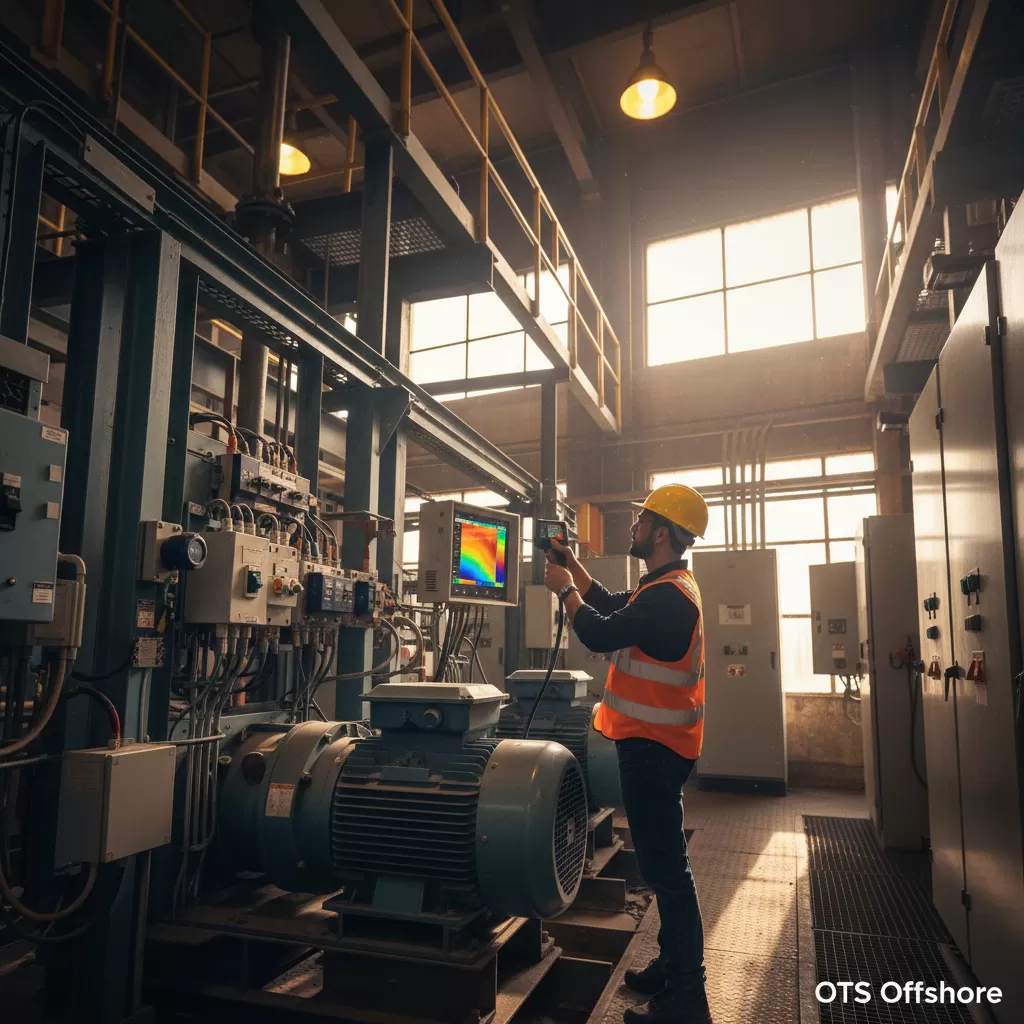
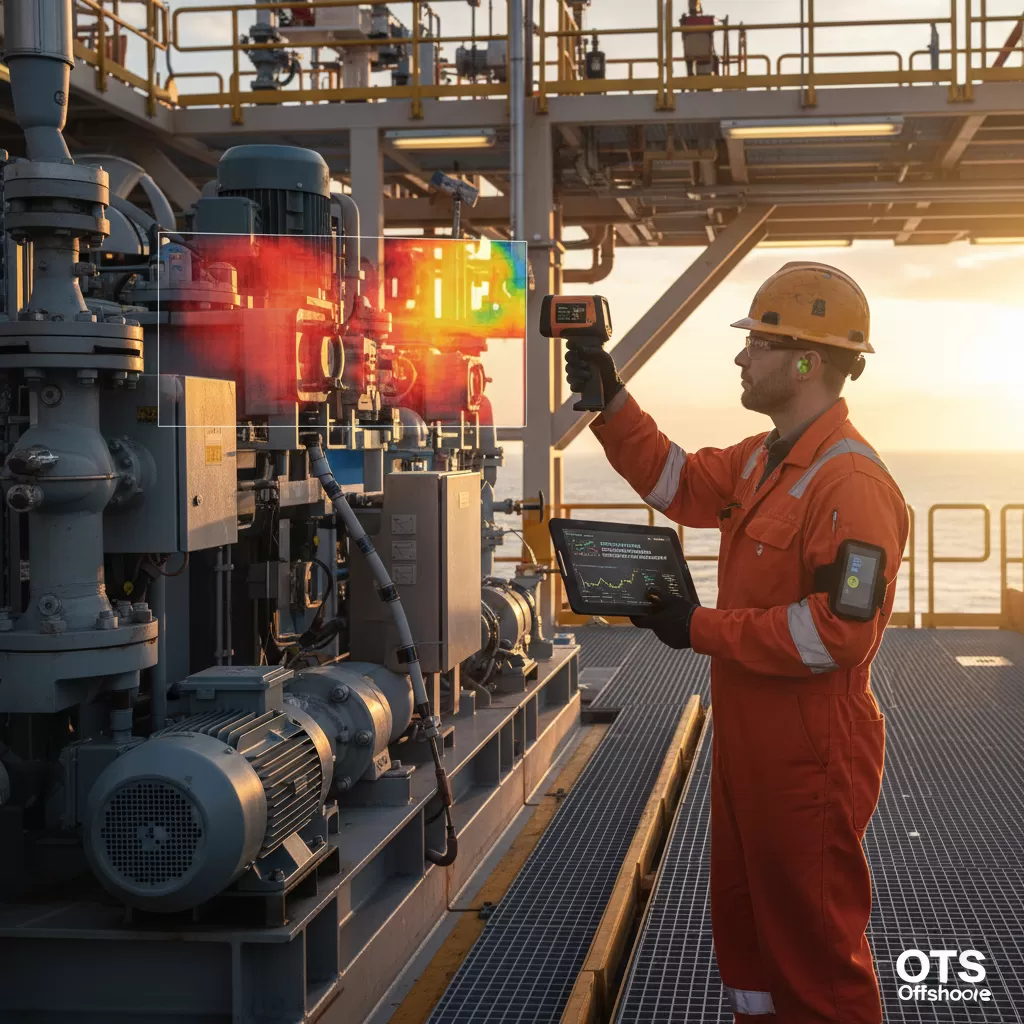
Infrared thermography is the cornerstone technology for predictive maintenance: thermal anomaly detection. This non-contact method utilizes specialized cameras that detect infrared radiation emitted by objects, translating it into a visual thermal image. Every object above absolute zero emits infrared radiation, and the intensity of this radiation is directly proportional to its temperature. Thermal cameras capture this radiation and display it as a thermogram, where different colors represent different temperature ranges. This allows maintenance personnel to visualize temperature patterns on equipment surfaces. Hotspots, appearing as brighter or distinctly colored areas on the thermogram compared to their surroundings, immediately draw attention to potential problem areas. The advantages of infrared thermography are numerous: it is non-intrusive, allowing inspections of equipment while it is operational, thus eliminating the need for shutdowns and reducing safety risks. It can cover large areas quickly, enabling efficient surveying of complex industrial facilities. Furthermore, it can detect anomalies that are invisible to the naked eye and often predate mechanical failure, providing critical early warning signs.
Fire Risk Prevention Through Proactive Thermal Monitoring
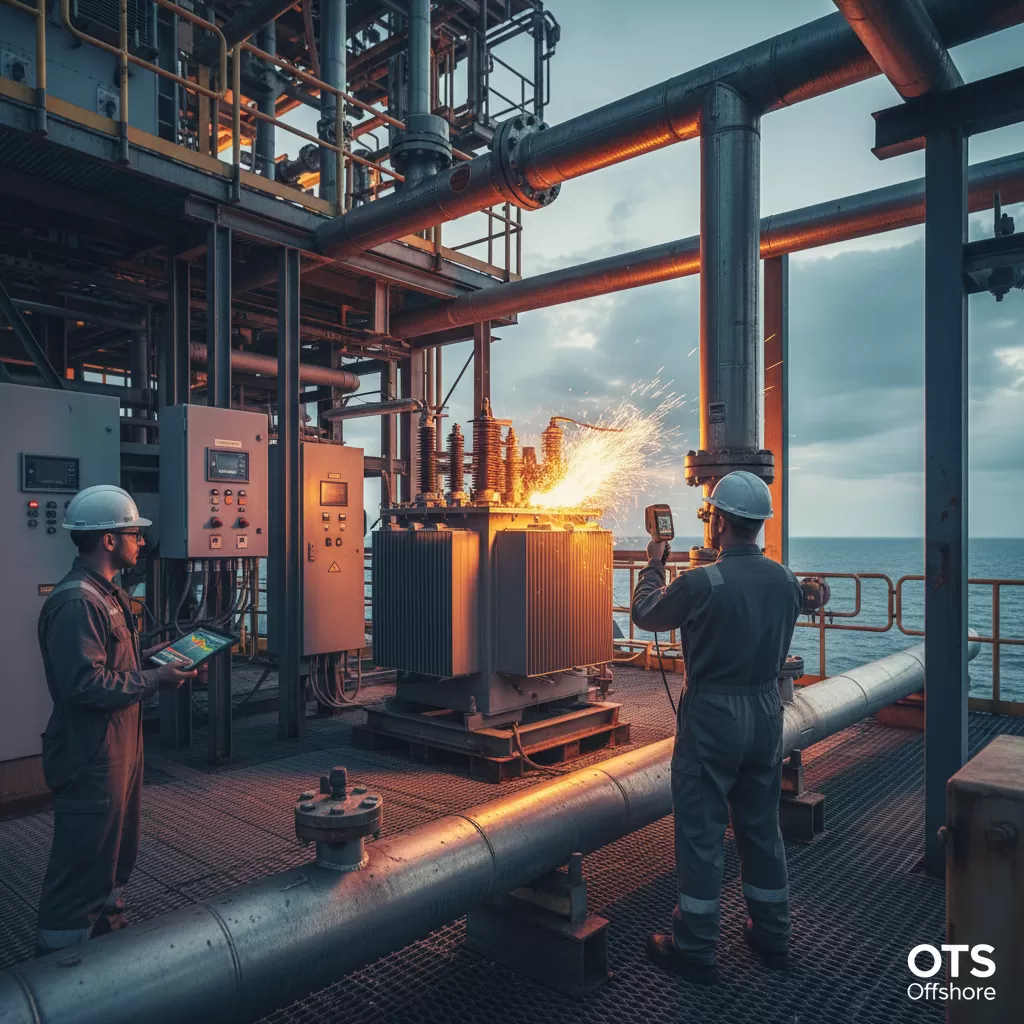
The direct link between unchecked thermal anomalies and fire incidents in industrial environments is undeniable. Many industrial fires originate from electrical faults or mechanical overheating. Predictive maintenance: thermal anomaly detection acts as a crucial preventative measure, directly mitigating these risks. By systematically identifying and rectifying incipient hot spots before they reach critical temperatures, the likelihood of ignition sources developing is significantly reduced. This proactive stance is far more effective and less costly than responding to a fire event. The consequences of an industrial fire can include not only extensive property damage and production loss but also severe injuries or fatalities, environmental contamination, and reputational damage. Therefore, implementing a robust thermal monitoring program is not just about asset preservation; it is about safeguarding lives and the environment. The data gathered from regular thermal inspections can also be used to optimize maintenance schedules, prioritize repairs based on risk levels, and identify systemic issues that may require design modifications or upgrades.
Integrating Thermal Data with Other Predictive Technologies
While thermal imaging is a powerful tool, its effectiveness is amplified when integrated with other predictive maintenance technologies and data streams. Vibration analysis, for instance, can detect mechanical imbalances and bearing issues, often correlated with increased friction and heat. Ultrasound detection can identify leaks or electrical arcing, which also generate heat. Oil analysis can reveal wear particles and lubricant degradation, hinting at mechanical distress. By combining data from these diverse sources, a more comprehensive picture of equipment health emerges. For example, a component showing elevated temperatures on a thermal scan, combined with increased vibration readings, provides a much stronger indication of impending failure than either data point in isolation. This multi-faceted approach enhances the accuracy of predictions and allows for more targeted and effective interventions. The advent of the Industrial Internet of Things (IIoT) and advanced analytics platforms facilitates this integration, enabling real-time data collection, sophisticated correlation analysis, and automated alert generation, further strengthening the predictive maintenance: thermal anomaly detection capabilities.
Case Studies: Real-World Impact of Predictive Maintenance: Thermal
Numerous case studies from the oil, gas, and power generation sectors illustrate the tangible benefits of predictive maintenance: thermal anomaly detection. One common scenario involves the inspection of electrical substations. Regular thermographic surveys have identified loose connections in busbars and circuit breakers that, if left unaddressed, would have led to arcing, equipment failure, and potential fires. In another instance, a refinery detected a rapidly developing hotspot on a critical pump motor bearing through routine thermal inspection. Upon investigation, it was found that the lubrication system was failing, and the bearing was on the verge of seizing. Prompt replacement of the bearing averted a catastrophic motor failure and an estimated week-long shutdown, saving millions in lost production. Similarly, offshore platforms have utilized thermal imaging to monitor the integrity of electrical panels and cable runs, identifying potential overheating issues caused by environmental factors or component aging, thereby preventing hazardous situations in a remote and challenging operating environment. These real-world examples underscore the critical role of predictive maintenance: thermal anomaly detection in ensuring operational reliability and safety.
Strategies for Effective Thermal Anomaly Detection Programs
Implementing a successful predictive maintenance: thermal anomaly detection program requires a strategic and systematic approach. It’s not simply about purchasing thermal cameras; it involves establishing clear protocols, training personnel, and integrating the findings into broader asset management systems.
– Establishing Baseline Data: The first crucial step is to establish baseline thermal images of all critical assets under normal operating conditions. This provides a benchmark against which future inspections can be compared. Understanding normal operating temperatures for different components is key.
– Regular Inspection Schedules: Develop a consistent and risk-based inspection schedule for critical equipment. The frequency of inspections should be determined by the criticality of the asset, its operating environment, and historical performance.
– Trained and Certified Personnel: Ensure that thermographers are properly trained and certified. This includes understanding the principles of infrared thermography, camera operation, data analysis, and safety procedures for inspecting live equipment.
– Clear Reporting and Action Protocols: Establish a clear process for reporting anomalies, classifying their severity, and initiating corrective actions. This ensures that identified issues are addressed promptly and effectively. Work orders should be generated with detailed information from the thermographic report.
– Utilizing Advanced Analytics: Leverage data analytics platforms to track thermal trends over time, identify patterns, and predict potential failures more accurately. This can involve using machine learning algorithms to detect subtle deviations that might be missed by manual inspection.
– Comprehensive Documentation: Maintain thorough records of all inspections, including thermograms, environmental conditions, identified anomalies, and corrective actions taken. This documentation is invaluable for trend analysis, troubleshooting, and demonstrating compliance.
– Integration with CMMS/EAM Systems: Seamlessly integrate thermal inspection data with Computerized Maintenance Management Systems (CMMS) or Enterprise Asset Management (EAM) systems. This allows for efficient work order generation, spare parts management, and comprehensive asset history tracking.
The Future of Predictive Maintenance: Thermal in Energy
The future of predictive maintenance: thermal anomaly detection in the energy sector is characterized by increasing sophistication and integration. Advancements in sensor technology are leading to higher resolution thermal cameras with enhanced sensitivity, capable of detecting even finer temperature gradients. The proliferation of IIoT devices allows for continuous, real-time thermal monitoring of critical assets, moving beyond periodic inspections to a truly dynamic approach. Artificial intelligence and machine learning algorithms are becoming more adept at analyzing vast datasets of thermal information, identifying complex patterns, and providing more accurate and timely predictions of equipment failure. Furthermore, the integration of drone-based thermal inspection is revolutionizing the surveying of large and remote infrastructure, such as pipelines and wind turbines, offering increased safety and efficiency. Augmented reality (AR) is also beginning to play a role, overlaying real-time thermal data onto physical equipment, providing maintenance technicians with immediate visual insights. This evolution promises to further enhance operational reliability, minimize downtime, and significantly bolster safety protocols across the energy landscape. The continuous drive for efficiency and safety in the energy sector ensures that predictive maintenance: thermal anomaly detection will remain a vital and evolving discipline.