

Predictive maintenance: thermal anomaly detection is revolutionizing industrial asset management, particularly within the demanding oil and gas and energy sectors. This advanced approach leverages real-time thermal imaging and sophisticated analytics to identify potential equipment failures before they occur, significantly enhancing operational safety and preventing costly downtime.
The Critical Role of Predictive Maintenance: Thermal in Oil and Gas Operations
Predictive maintenance: thermal technologies are no longer a luxury but a necessity for modern oil and gas operations. The inherent risks associated with handling volatile substances, coupled with the immense capital investment in infrastructure, necessitate a proactive strategy to mitigate potential hazards. Traditional maintenance schedules, often based on time or usage, can be inefficient and fail to address the unique degradation patterns of critical assets. Predictive maintenance: thermal offers a dynamic, data-driven alternative, enabling operators to pinpoint subtle deviations in equipment temperature that signal impending issues. This proactive stance is crucial for preventing catastrophic failures, such as pipeline leaks, equipment malfunctions, and, most importantly, fires. By continuously monitoring thermal signatures, organizations can gain unparalleled insights into the health of their assets, thereby ensuring operational continuity and personnel safety. The integration of predictive maintenance: thermal systems allows for early detection of overheating components, insulation degradation, or fluid leaks, all of which can escalate into significant safety concerns and production halts. The emphasis on predictive maintenance: thermal in this sector is a testament to its proven ability to enhance reliability and reduce the overall risk profile of energy exploration, production, and distribution.
Understanding Thermal Anomalies in Energy Infrastructure
Thermal anomalies represent deviations from expected temperature patterns in industrial equipment. In the context of oil and gas, these anomalies can manifest in various ways and indicate a range of potential problems. For instance, an unexpected rise in temperature on a pump bearing might suggest insufficient lubrication or impending mechanical failure. Similarly, a localized hot spot on an electrical connection could signal arcing or a loose component, a precursor to a fire. Insulation failures in pipelines carrying heated or cooled fluids will also present distinct thermal signatures. Understanding these deviations is the cornerstone of effective predictive maintenance: thermal. Advanced thermal imaging cameras, capable of capturing high-resolution infrared data, are the primary tools for identifying these anomalies. However, raw thermal data alone is insufficient. Sophisticated algorithms and machine learning models are required to analyze this data, distinguish true anomalies from normal operational variations, and assess the severity of the detected issue. This analytical capability transforms passive data collection into actionable intelligence, allowing maintenance teams to prioritize interventions based on actual risk. The granular detail provided by thermal imaging allows for the inspection of components that are otherwise difficult or dangerous to access, further enhancing the effectiveness of predictive maintenance: thermal strategies. The identification of subtle thermal shifts is key to preventing minor issues from escalating into major incidents.
Common Sources of Thermal Anomalies in Oil and Gas Facilities
The complex and demanding environment of oil and gas facilities creates numerous potential sources for thermal anomalies. Understanding these common culprits is vital for accurate interpretation of thermal data within a predictive maintenance: thermal framework.
– Electrical equipment: Overloaded circuits, faulty connections, failing insulators, and defective circuit breakers can all generate excessive heat. These issues are particularly dangerous as they can directly lead to electrical fires.
– Mechanical components: Bearings, gears, and rotating machinery are susceptible to wear and tear. Friction caused by lack of lubrication, misalignment, or component damage leads to increased temperatures.
– Pipelines and vessels: Leaks in insulated pipelines, corrosion, or blockages can cause uneven temperature distribution. Similarly, issues with internal components within vessels or tanks can present thermal deviations.
– Refractory and insulation: Degradation of refractory linings in furnaces or insulation on pipelines can lead to heat loss or uncontrolled heat transfer, resulting in abnormal surface temperatures.
– Fluid flow: Changes in fluid flow rates, viscosity, or pressure can impact operating temperatures, and sudden deviations can signal process upsets or blockages.
– Chemical reactions: Exothermic reactions, if not properly controlled, can generate significant heat. Monitoring thermal profiles can help detect runaway reactions or process deviations.
The Science Behind Thermal Anomaly Detection
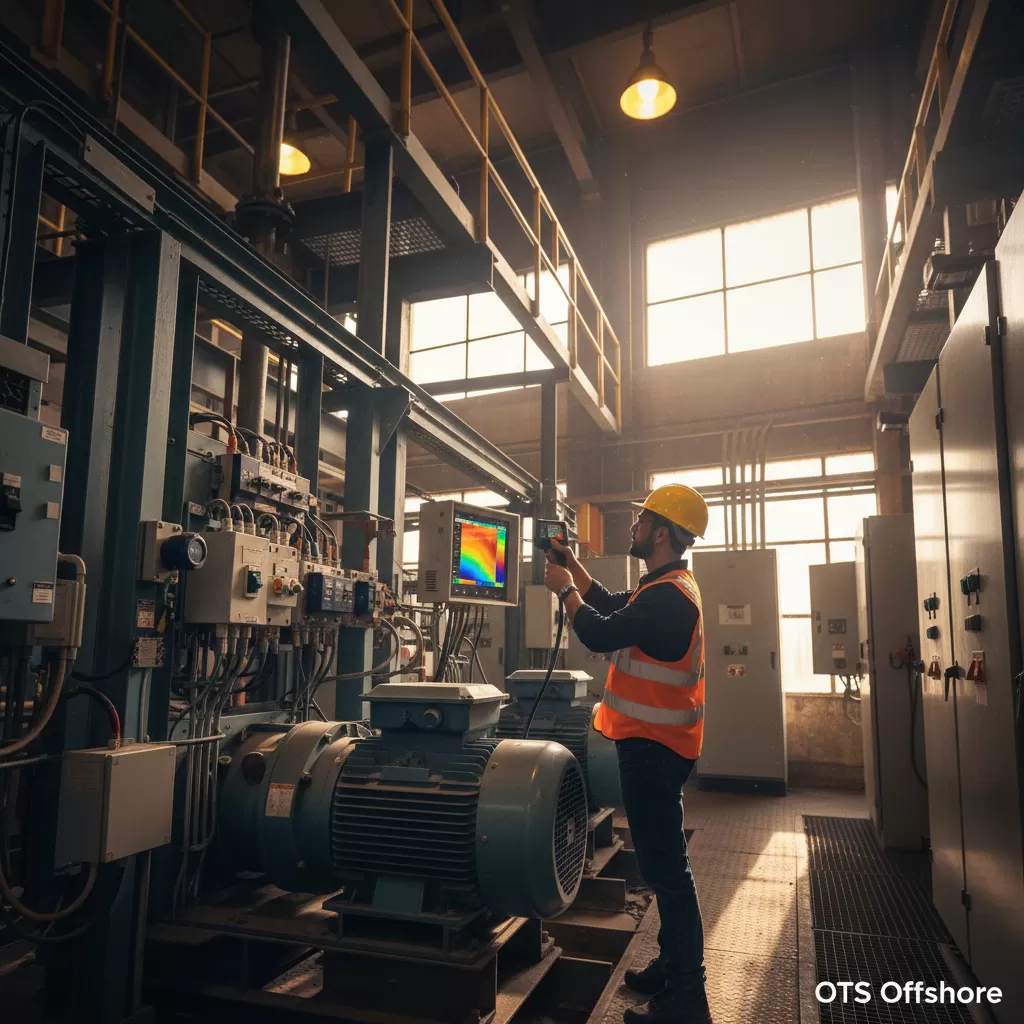
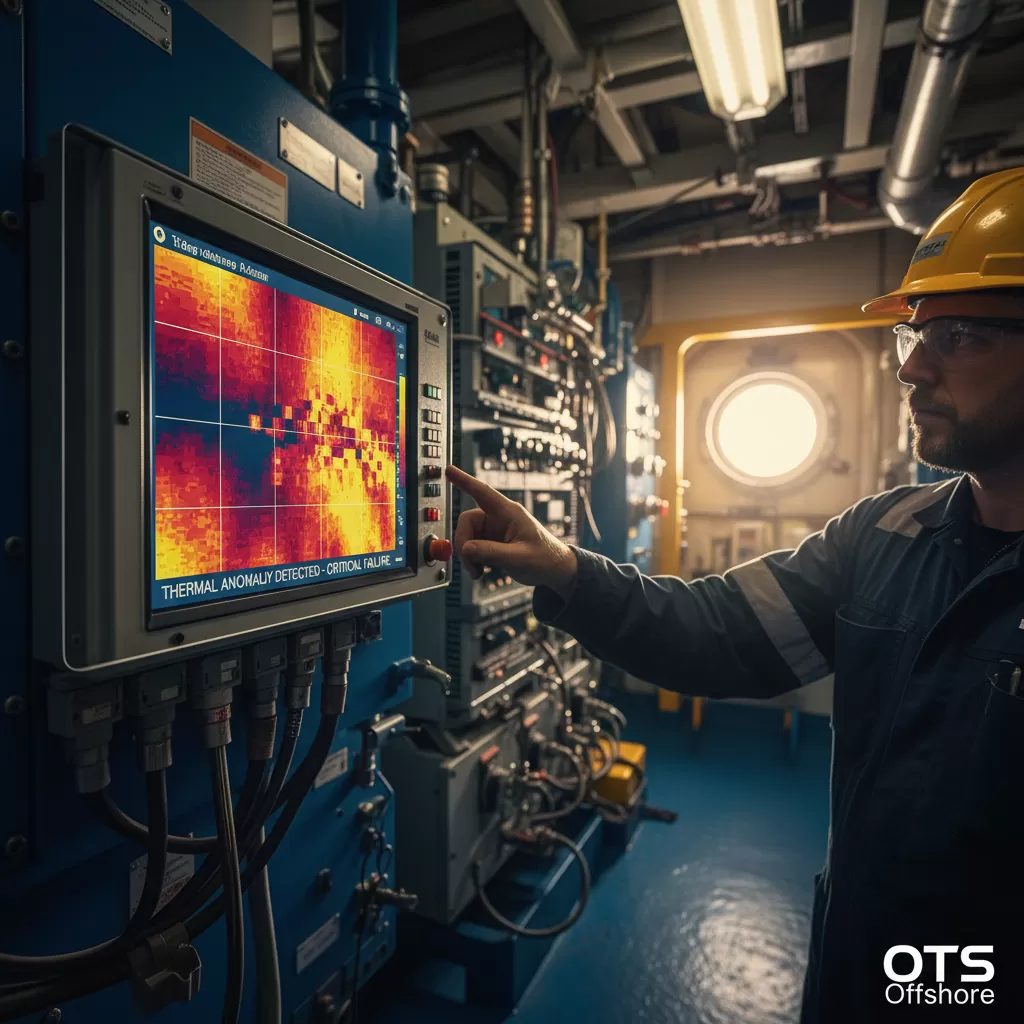
Thermal anomaly detection, a core component of predictive maintenance: thermal, relies on the fundamental principle that excessive heat is often an early indicator of an impending failure or hazardous condition. Infrared thermography, the primary technology used, works by detecting the infrared radiation emitted by all objects. The intensity of this radiation is directly proportional to the object’s temperature. Advanced thermal cameras capture this infrared energy and translate it into a visual representation, known as a thermogram, where different colors represent different temperature ranges.
The process involves several key stages:
– Data Acquisition: High-resolution thermal cameras, often mounted on drones, robots, or fixed positions, capture images of critical assets. These cameras are capable of detecting minute temperature differences, often fractions of a degree Celsius.
– Baseline Establishment: A critical step is establishing a baseline thermal profile for each piece of equipment under normal operating conditions. This baseline serves as a reference point against which future readings are compared.
– Anomaly Identification: Sophisticated software algorithms analyze the acquired thermograms to identify deviations from the established baseline. These algorithms are designed to filter out environmental factors and focus on genuine equipment-generated heat signatures.
– Root Cause Analysis: Once an anomaly is detected, further investigation is required to determine its root cause. This may involve correlating thermal data with other sensor readings, maintenance logs, or visual inspections.
– Risk Assessment: The severity of the detected anomaly is assessed based on its magnitude, location, and the potential consequences of failure. This assessment informs the prioritization of maintenance actions.
– Predictive Modeling: Increasingly, machine learning and artificial intelligence are employed to analyze historical thermal data, identify patterns, and predict the probability of failure within a given timeframe. This allows for highly accurate scheduling of maintenance interventions, optimizing the benefits of predictive maintenance: thermal.
Leveraging Infrared Imaging for Early Warning Systems
Infrared imaging is the linchpin of effective predictive maintenance: thermal programs. Its non-contact nature allows for safe and efficient inspection of equipment, even while it is operational. This capability is paramount in the high-risk environments of oil and gas facilities where shutting down operations for inspection can be prohibitively expensive and disruptive. The ability of infrared cameras to visualize temperature differences that are invisible to the naked eye provides an unparalleled diagnostic tool.
– Visualizing Hot Spots: Infrared images clearly highlight areas of excessive heat, immediately drawing attention to potential problems in electrical connections, motor windings, or mechanical components.
– Detecting Insulation Degradation: Compromised insulation on pipelines or vessels will lead to increased heat loss or gain, which can be readily identified through thermal imaging. This is critical for maintaining process efficiency and preventing potential safety hazards.
– Identifying Fluid Leaks: Small leaks, especially in high-pressure systems, can sometimes be detected by observing temperature changes in the surrounding area due to the Joule-Thomson effect or the cooling/heating of escaping fluids.
– Monitoring Asset Health Over Time: By regularly collecting thermal data and creating a historical database, maintenance teams can track the progression of developing issues. This trend analysis is invaluable for understanding the rate of degradation and predicting future failure points, thereby optimizing the effectiveness of predictive maintenance: thermal.
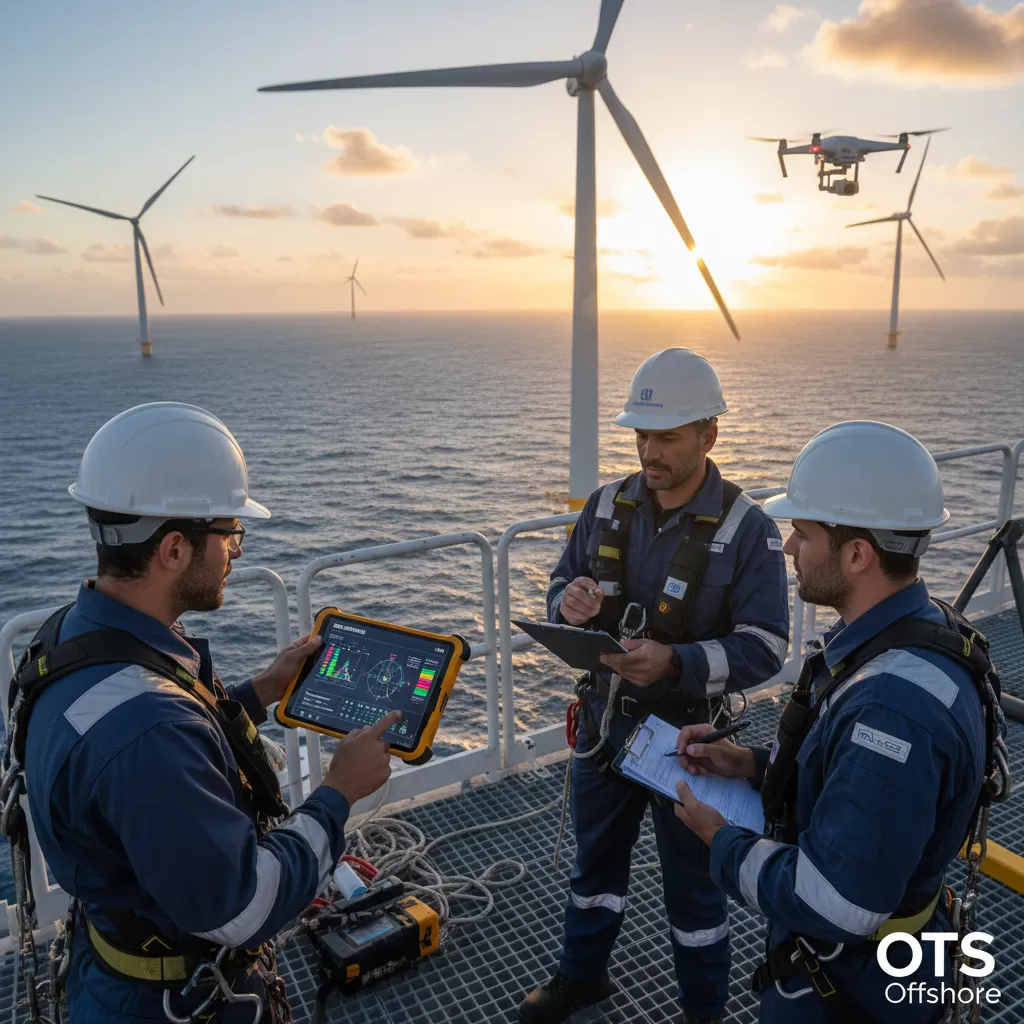
– Enhancing Safety Inspections: Drones equipped with thermal cameras can conduct aerial surveys of large facilities, identifying potential fire hazards or equipment malfunctions from a safe distance, thereby significantly reducing the risk to inspection personnel.
Fire Risk Prevention: A Proactive Approach with Predictive Maintenance: Thermal
Fire is one of the most devastating hazards in the oil and gas industry. The presence of flammable materials, high temperatures, and potential ignition sources creates a constant risk. Predictive maintenance: thermal offers a powerful and proactive strategy for fire risk prevention by identifying and mitigating the root causes of potential ignition before they can lead to a conflagration.
By focusing on the early detection of conditions that can lead to fires, predictive maintenance: thermal plays a crucial role in safety management. Overheating electrical components are a primary cause of industrial fires. Thermal imaging can pinpoint faulty wiring, loose connections, overloaded circuits, and failing components that are generating excessive heat – all potential ignition sources. Similarly, mechanical failures leading to friction and sparks can be identified.
Beyond electrical and mechanical issues, predictive maintenance: thermal can also help prevent fires related to process safety. For example, detecting overheating in reactors or storage tanks could indicate an uncontrolled exothermic reaction or a process upset that could lead to a thermal runaway and subsequent fire. By providing early warnings of these conditions, operators can intervene, adjust process parameters, or shut down equipment safely, thus averting a potential disaster. The continuous monitoring provided by predictive maintenance: thermal ensures that potential fire hazards are addressed promptly, significantly reducing the likelihood of an incident and protecting both personnel and assets. This proactive approach is far more effective and economical than reactive fire suppression measures.
Key Fire Hazards Targeted by Thermal Anomaly Detection
Thermal anomaly detection is particularly adept at identifying and mitigating specific fire hazards prevalent in the oil and gas sector. The ability to visualize and quantify heat provides a distinct advantage in preventing these dangerous events.
– Electrical faults: As mentioned, overheating in electrical systems is a leading cause of fires. Thermal imaging can detect issues in transformers, switchgear, motor control centers, and junction boxes, which can otherwise be difficult to inspect visually. This allows for the timely replacement or repair of faulty components before they ignite.
– Mechanical friction: Rotating equipment like pumps, compressors, and generators can overheat due to bearing wear, misalignment, or lack of lubrication. These hot spots can eventually lead to catastrophic failure and potential ignition from friction or sparks.
– Overheated process equipment: Furnaces, boilers, and certain processing units operate at high temperatures. Deviations from normal thermal profiles can indicate internal issues, refractory damage, or process upsets that could lead to fires or explosions.
– Spontaneous combustion: Certain materials, particularly insulating materials or accumulated dust, can generate heat through oxidation or microbial activity. If this heat is not dissipated, it can lead to spontaneous combustion. Thermal imaging can detect these accumulating hot spots.
– Combustible gas leaks: While not directly detecting the gas itself, temperature changes associated with a leak, or a hot surface near a leak point, can be flagged by thermal imaging, indicating a potential ignition risk.
Implementing Predictive Maintenance: Thermal in Your Operations
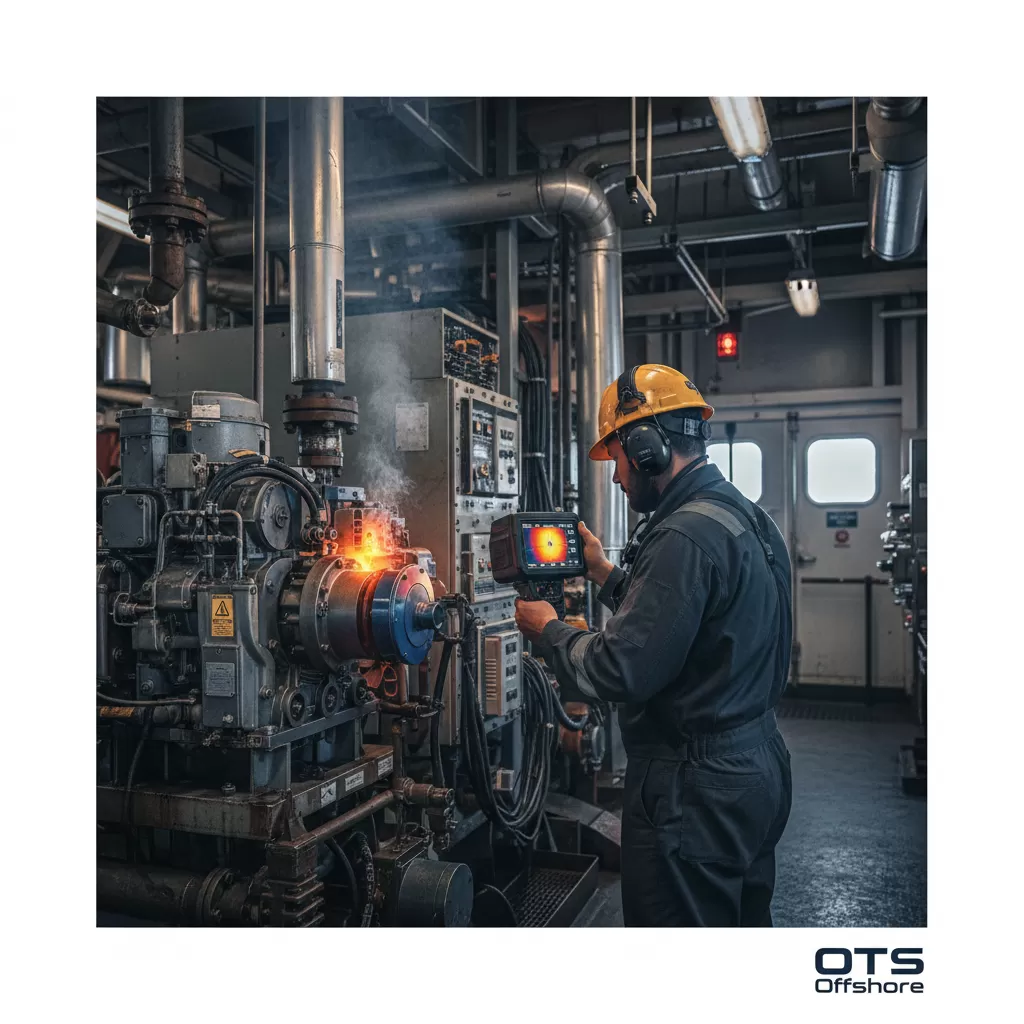
Integrating predictive maintenance: thermal into existing oil and gas operations requires a structured approach. It’s not simply about purchasing thermal cameras; it involves a comprehensive strategy encompassing technology, personnel, and process integration.
– Technology Selection: Choose thermal cameras and associated software that are suited to the specific needs of your facility, considering factors like resolution, spectral range, environmental ruggedness, and connectivity. Drone or robotic integration may be necessary for large or hazardous areas.
– Training and Expertise: Invest in training personnel to operate thermal imaging equipment and, more importantly, to interpret the data accurately. Understanding the physics of heat transfer and the specific failure modes of your equipment is crucial.
– Establishing Protocols: Develop clear protocols for data acquisition, analysis, reporting, and intervention. This includes defining acceptable temperature thresholds, anomaly classification systems, and escalation procedures.
– Integration with Existing Systems: Ensure that the predictive maintenance: thermal program can integrate with your existing Computerized Maintenance Management System (CMMS) or Enterprise Asset Management (EAM) system. This allows for seamless work order generation and tracking of maintenance actions.
– Regular Data Collection: Consistent and regular data collection is paramount. Without a historical record, it becomes difficult to identify trends or predict future failures. Establish a routine inspection schedule based on the criticality of assets.
– Continuous Improvement: Regularly review the effectiveness of your predictive maintenance: thermal program. Analyze the data, assess the accuracy of predictions, and refine your methodologies to enhance performance and optimize resource allocation.
Optimizing Maintenance Schedules with Thermal Data Analytics
The true power of predictive maintenance: thermal lies in its ability to transform raw thermal data into actionable insights that optimize maintenance schedules. Instead of relying on fixed time-based or usage-based schedules, organizations can move towards condition-based maintenance, intervening only when an asset shows signs of impending failure.
– Prioritizing Interventions: Thermal data analytics allows maintenance teams to prioritize repairs based on the severity of detected anomalies and the criticality of the equipment. This ensures that resources are allocated to address the most pressing issues first, minimizing risk.
– Extending Asset Lifespan: By identifying and addressing minor issues early, predictive maintenance: thermal can prevent secondary damage and premature wear, thereby extending the operational life of critical assets.
– Reducing Unplanned Downtime: Unplanned equipment failures are a major source of lost production and revenue in the oil and gas industry. Predictive maintenance: thermal significantly reduces the likelihood of such events by enabling proactive repairs.
– Optimizing Spare Parts Inventory: With better predictions of equipment failures, organizations can optimize their spare parts inventory, reducing carrying costs associated with excess stock while ensuring the availability of necessary components.
– Improving Maintenance Efficiency: By focusing maintenance efforts on assets that actually require attention, predictive maintenance: thermal reduces the time and resources spent on unnecessary inspections and preventative tasks.
The continuous refinement of analytical tools, including the application of artificial intelligence and machine learning, further enhances the predictive capabilities of thermal data. This allows for more accurate forecasting of failure probabilities and optimal scheduling of maintenance activities, solidifying the role of predictive maintenance: thermal in modern industrial asset management.