

Repairing lightning strike damage on wind turbine blades and nacelles is a critical aspect of maintaining operational efficiency and structural integrity within the renewable energy sector. This article delves into the complex challenges and advanced solutions involved in addressing the significant impacts of atmospheric electrical discharge on these vital components.
The Critical Imperative of Repairing Lightning Strike Damage on Wind Turbine Blades and Nacelles
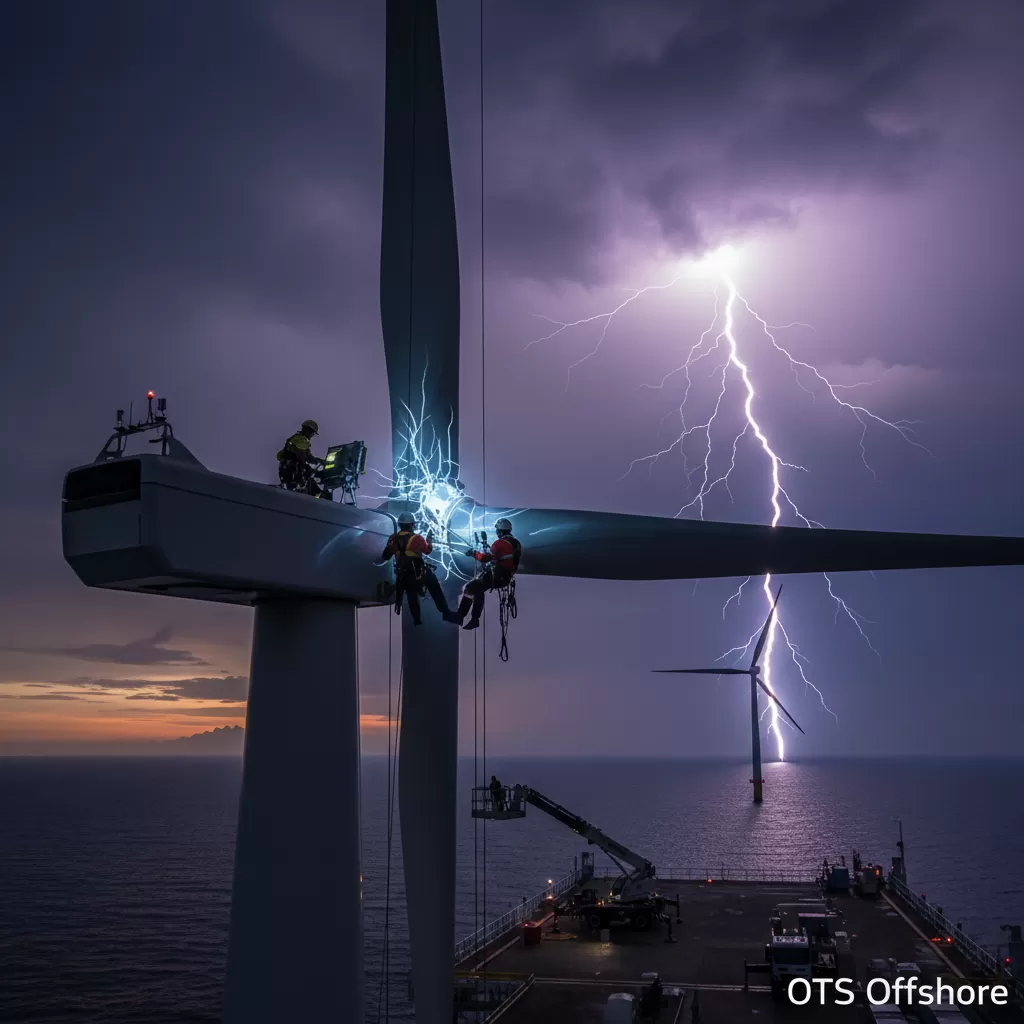
Lightning strikes pose a formidable and ever-present threat to wind turbines, particularly their large, exposed rotor blades and the sensitive equipment housed within the nacelle. The immense energy discharged during a lightning event can inflict severe structural damage, compromise aerodynamic performance, and lead to costly downtime. Understanding the mechanisms of lightning interaction, the types of damage sustained, and the most effective repair methodologies is paramount for asset owners and operators seeking to maximize energy production and ensure the longevity of their wind farms. This exploration will cover the science behind these phenomena, the diagnostic techniques employed, and the cutting-edge repair strategies that are revolutionizing the industry. Effective repairing lightning strike damage is not merely a maintenance task; it’s a strategic investment in operational resilience and economic viability.
Understanding the Physics of Lightning Strikes on Wind Turbines
Lightning, a powerful natural electrical discharge, seeks the path of least resistance. In the context of wind turbines, the tall structures, often erected in elevated or exposed locations, act as natural lightning attractors. The blades, being the outermost and largest components, are the most frequent points of impact. When lightning strikes a composite blade, the electrical current rapidly travels through the conductive materials within the blade structure, primarily the carbon fiber or fiberglass laminates, and any embedded conductive elements like receptors or grounding meshes.
The discharge generates intense heat, which can melt or vaporize resin, delaminate composite layers, and create craters or burn marks on the blade surface. Furthermore, the explosive expansion of air due to the rapid heating can cause mechanical stress, leading to cracks and structural weakening. The nacelle, though often protected by its own lightning protection system, can also suffer damage if the strike bypasses or overwhelms these defenses. This can affect critical electrical and mechanical components, including the generator, gearbox, power electronics, and control systems. The rapid rise in temperature and pressure associated with a lightning strike can induce significant thermal and mechanical shock, leading to failures that are not always immediately apparent.
The Role of Lightning Protection Systems (LPS)
Modern wind turbine blades are equipped with sophisticated lightning protection systems designed to safely channel the electrical current to the ground, thereby minimizing damage. These systems typically comprise:
– Lightning receptors: Strategically placed at the blade tip and along the leading edge to intercept the strike.
– Down conductors: Conductive pathways that extend through the blade’s structure.
– Grounding system: Connects the down conductors to the hub and then to the turbine tower, eventually grounding the electrical charge.
While these systems are highly effective, they are not foolproof. Factors such as the intensity of the strike, the exact point of impact, and the integrity of the LPS itself can influence the extent of damage. Failures in the LPS, such as a broken receptor or a damaged down conductor, can lead to catastrophic damage to the blade. Regular inspection and maintenance of the LPS are therefore crucial preventative measures in minimizing the risk and severity of lightning strike damage.
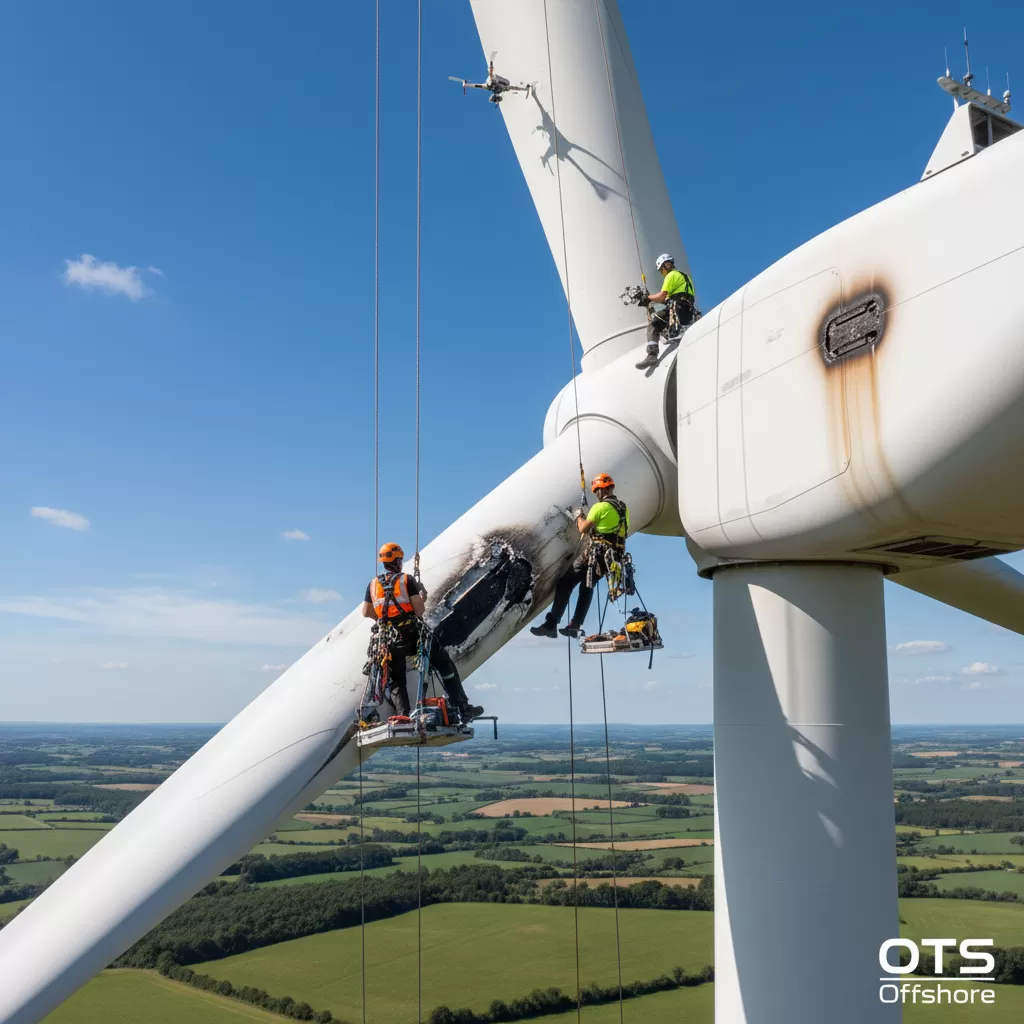
Diagnosing Lightning Strike Damage: A Multi-faceted Approach
Accurate and thorough diagnosis is the bedrock of effective repairing lightning strike damage. The subtle nature of some damage, particularly subsurface delamination or micro-cracking, necessitates a combination of advanced inspection techniques. Visual inspection is the first line of defense, but its limitations quickly become apparent when dealing with internal damage.
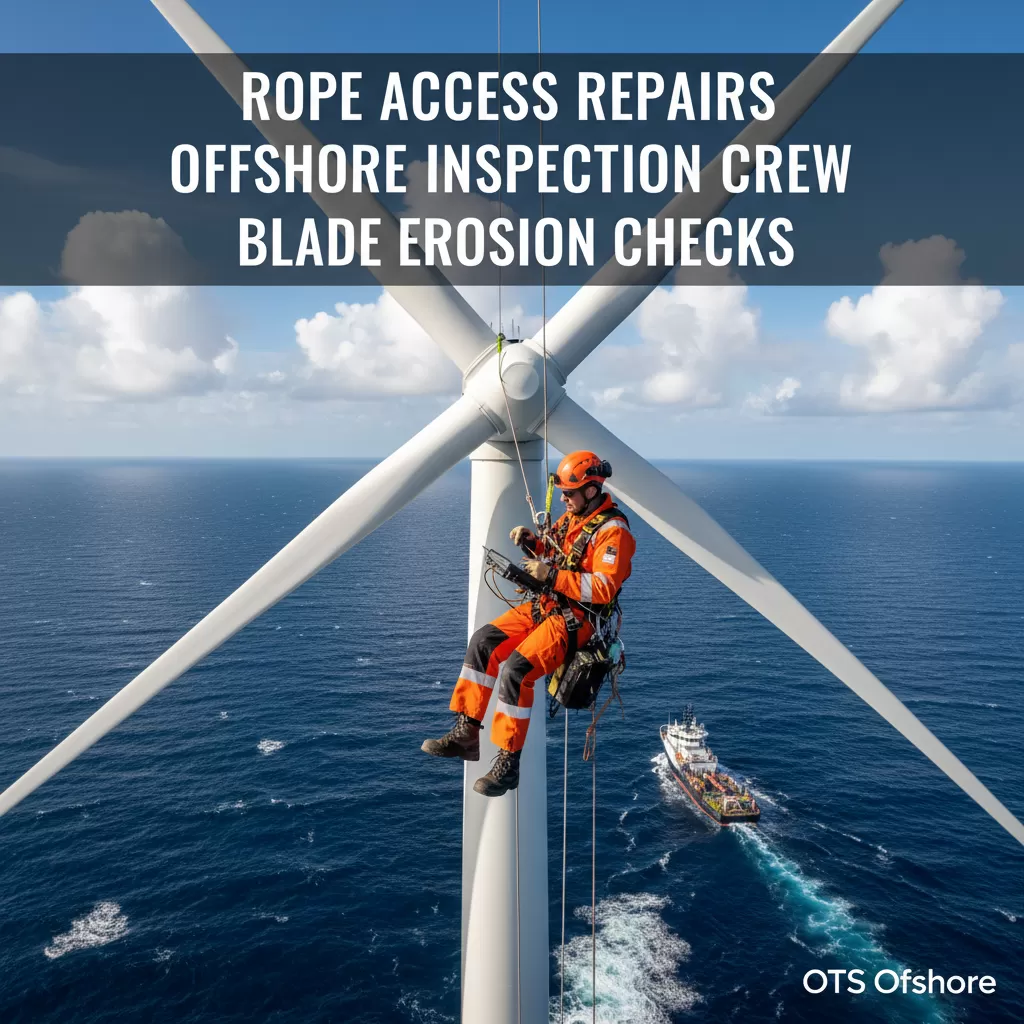
– Visual Inspection: This involves a close examination of the blade surface for visible signs of damage such as burn marks, pitting, craters, and signs of delamination or blistering. Inspections are typically conducted using high-resolution cameras mounted on drones or by rope-access technicians.
– Non-Destructive Testing (NDT) Methods: These are crucial for identifying subsurface damage without compromising the integrity of the blade.
– Ultrasonic Testing (UT): UT uses sound waves to detect internal flaws like delaminations, voids, and cracks. By analyzing the reflection and transmission of these waves, technicians can map the extent and depth of internal damage.
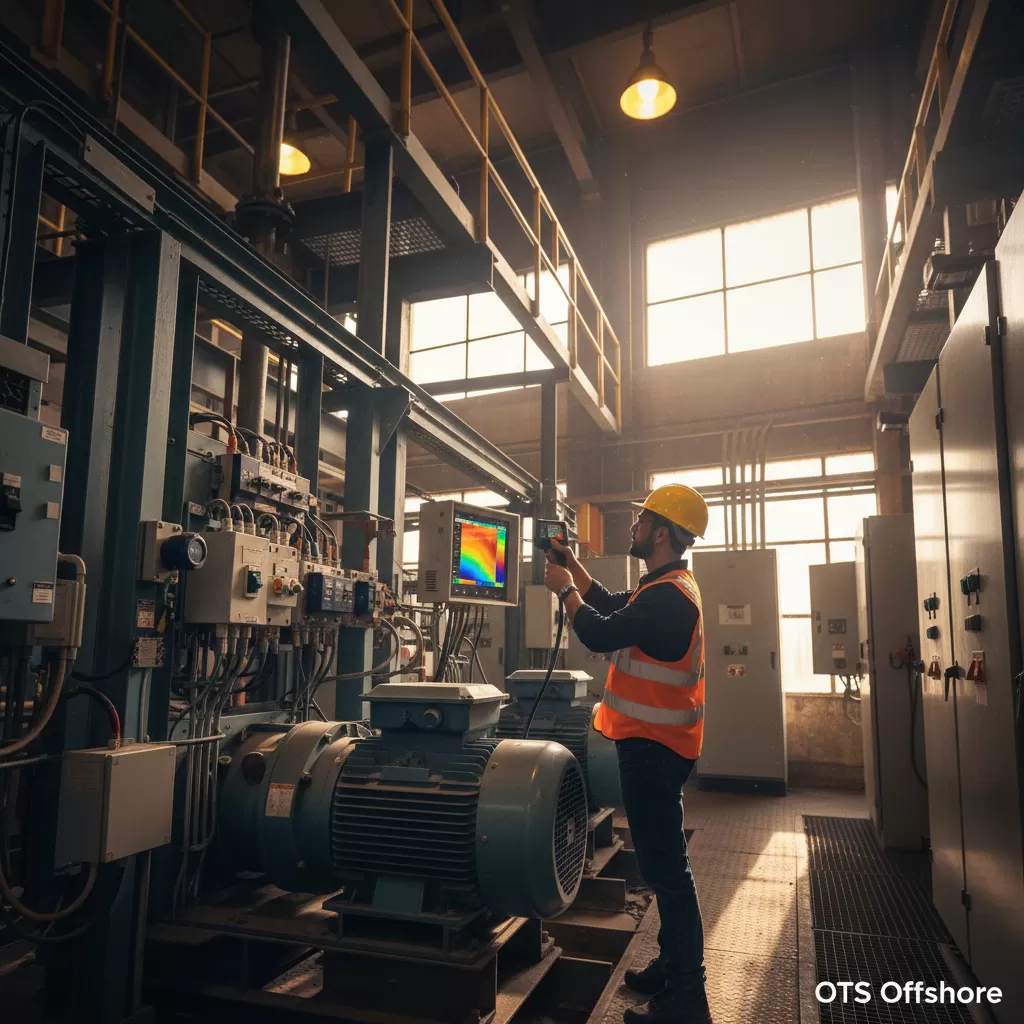
– Thermography: Infrared cameras can detect temperature variations on the blade surface. Areas affected by lightning strikes often exhibit anomalous thermal signatures due to changes in material conductivity and internal damage. This method is particularly useful for identifying areas of heat damage or delamination that might not be visible to the naked eye.
– Eddy Current Testing (ECT): ECT is effective for detecting surface and near-surface cracks and for assessing the integrity of conductive elements within the blade, such as grounding meshes. It works by inducing electrical currents in the conductive material and measuring the changes in these currents caused by defects.
– Electrical Continuity Testing: This test verifies the integrity of the lightning protection system, ensuring that conductive pathways are intact and that there are no breaks in the circuit from the receptor to the ground. This is a critical step in diagnosing potential failure points of the LPS.
– Blade Performance Monitoring: Analyzing the turbine’s operational data can sometimes reveal anomalies indicative of blade damage. Changes in power output, vibration patterns, or rotor imbalance might suggest a compromise in blade aerodynamics or structural integrity, prompting a more detailed inspection.
Repairing Lightning Strike Damage on Wind Turbine Blades: Advanced Methodologies
The repair of lightning strike damage on wind turbine blades is a specialized field that requires adherence to strict protocols and the use of advanced composite repair techniques. The goal is not only to restore the blade’s aerodynamic profile and structural integrity but also to ensure that the repair itself does not compromise the blade’s performance or safety under operational loads.
Surface Repairs
For minor surface damage like erosion or small burn marks that have not penetrated the underlying structure:
– Cleaning and Preparation: The damaged area is thoroughly cleaned and prepared by removing all loose material and debris.
– Filling and Smoothing: High-strength epoxy fillers are used to fill craters and smooth the surface. The aim is to restore the original aerodynamic contour of the blade.
– Surface Finishing: The filled area is then sanded and painted to match the original finish, ensuring aerodynamic efficiency and protection against environmental factors.
Structural Repairs
For more significant damage involving delamination, fiber breakage, or penetration of the blade skin:
– Delamination Repair: This often involves injecting specialized epoxy resins into the delaminated areas under vacuum or pressure. The resin infiltrates the gap between the composite layers, re-bonding them and restoring structural integrity.
– Laminate Repair: For areas where composite layers have been eroded or broken, new layers of fiberglass or carbon fiber fabric are carefully laid up and bonded in place using high-strength epoxy adhesives. The repair laminate is designed to match the original blade construction in terms of material type, orientation, and thickness, ensuring equivalent load-bearing capacity.
– Leading Edge Repairs: The leading edge of the blade is particularly vulnerable to erosion and lightning strikes. Repairs often involve applying abrasion-resistant coatings or a new composite leading edge segment.
– Internal Component Repair: If internal components such as the lightning receptor or down conductor have been damaged, they are replaced or repaired by specialized technicians. This may involve cutting access panels, repairing the conductive pathways, and then sealing the panels to restore the blade’s structural integrity and aerodynamic smoothness.
– Quality Control and Certification: All structural repairs must undergo rigorous quality control, including NDT, to verify their integrity. Repaired blades are often subjected to load testing or detailed finite element analysis to ensure they meet original performance specifications. Certified repair procedures and qualified technicians are essential for ensuring the safety and reliability of the repaired blade.
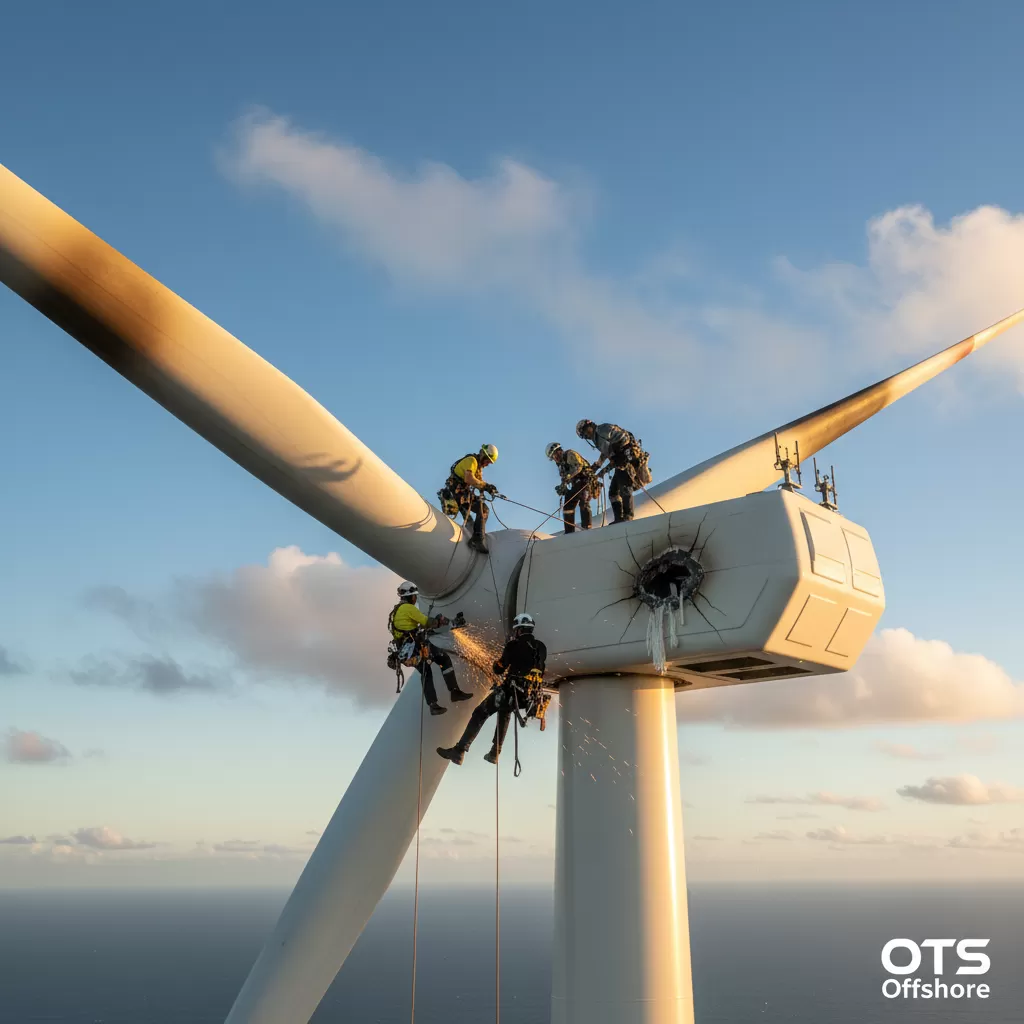
Repairing Nacelle Lightning Strike Damage: Protecting Critical Infrastructure
While blades are the primary targets, lightning strikes can also impact the nacelle, potentially causing severe damage to its sensitive and expensive internal components. The protection and repair strategies for nacelles differ significantly from those for blades, focusing on electrical and mechanical systems.
– Inspection of External Shell: Similar to blades, the external shell of the nacelle is inspected for any signs of impact, scorching, or structural compromise.
– Electrical System Checks: A comprehensive inspection of all electrical systems is paramount. This includes:
– Power Electronics: Inverters, converters, and control boards are checked for signs of overvoltage, short circuits, or physical damage. Diagnostic checks are performed to identify any component failures.
– Wiring and Connectors: All cabling and connectors are examined for signs of melting, burning, or disconnections. Continuity tests are performed to ensure proper electrical pathways.
– Sensors and Instrumentation: Various sensors that monitor wind speed, direction, blade pitch, and other operational parameters can be affected. These are tested for accuracy and functionality.
– Mechanical System Assessment: While less common, extreme electrical surges can sometimes affect mechanical systems. The gearbox and generator may undergo diagnostic checks to ensure their operational integrity.
– Grounding System Integrity: The integrity of the nacelle’s grounding system is critical. Any damage to the grounding conductors or their connections needs to be immediately addressed to prevent future incidents and ensure proper dissipation of electrical charges.
– Component Replacement and Repair: Damaged electrical or mechanical components are replaced or repaired by specialized technicians. This often requires extensive knowledge of wind turbine electrical architectures and access to specific replacement parts.
– Surge Protection Devices: The effectiveness of surge protection devices (SPDs) within the nacelle is crucial. Regular testing and replacement of aged or damaged SPDs are part of preventative maintenance.
The approach to repairing lightning strike damage on nacelles is highly systematic, prioritizing the rapid restoration of electrical functionality to minimize turbine downtime. The complexity and cost associated with nacelle repairs underscore the importance of robust lightning protection systems for the entire wind turbine structure.
Preventative Measures and Future Trends in Repairing Lightning Strike Damage
The continuous evolution of wind turbine technology and an increasing understanding of lightning phenomena are driving advancements in both prevention and repair. The focus is shifting towards more proactive strategies to mitigate the impact of lightning strikes and enhance the efficiency of repairing lightning strike damage.
– Advanced Blade Design: Newer blade designs incorporate enhanced lightning protection systems, including more robust receptors, improved conductor routing, and advanced materials that are more resistant to electrical and thermal damage. The use of embedded fiber optics for damage detection is also an emerging area.
– Predictive Maintenance and Monitoring: Sophisticated sensor networks and data analytics are being developed to detect early signs of damage, including those caused by lightning. This allows for scheduled maintenance before minor damage escalates into major failures, significantly reducing downtime and repair costs.
– Drone-based Inspection Technologies: The use of autonomous drones equipped with high-resolution cameras, thermal imaging, and even specialized NDT sensors is becoming increasingly common. These drones can conduct rapid, detailed inspections of blades and nacelles, improving safety and efficiency compared to traditional methods.
– Robotic Repair Systems: The development of robotic systems for blade repair is an ongoing trend. These robots can perform tasks like surface preparation, filler application, and laminate layup with high precision, potentially reducing labor costs and improving repair consistency.
– Material Science Innovations: Research into novel composite materials and coatings that offer increased resistance to lightning damage and improved self-healing properties is ongoing. These innovations aim to create blades that are inherently more resilient to atmospheric electrical events.
– Enhanced Diagnostic Software: Sophisticated diagnostic software is being developed to analyze data from various sensors and inspection tools, providing more accurate and faster identification of lightning strike damage and its severity, thereby optimizing the repair process.
The proactive and technological-driven approach to repairing lightning strike damage is crucial for the sustained growth and economic viability of the wind energy sector. By staying ahead of the challenges posed by lightning, operators can ensure the reliable and efficient operation of their wind farms.