

This article delves into the critical procedures for Repairing Structural Cracks and Damages on wind turbine nacelle and hub components. It examines the underlying causes, diagnostic methodologies, and the array of advanced repair techniques employed to ensure the continued integrity and operational efficiency of these vital offshore and onshore energy assets.
The Imperative of Repairing Structural Cracks in Wind Turbine Nacelle and Hubs
Repairing structural cracks is a cornerstone of maintaining the longevity and operational integrity of wind turbines. The nacelle, housing the gearbox, generator, and other crucial drivetrain components, and the hub, which connects the rotor blades to the drivetrain, are subjected to immense and cyclical stresses. Over time, these stresses, coupled with environmental factors and manufacturing imperfections, can lead to the development of structural cracks and other damages. Proactive and effective repairing structural cracks is not merely a maintenance task; it is a fundamental strategy for mitigating catastrophic failures, preventing costly downtime, and optimizing the energy yield from renewable sources. The financial implications of a damaged nacelle or hub can be staggering, encompassing not only repair costs but also lost revenue due to prolonged operational suspension and potential secondary damage to other turbine systems. Therefore, a comprehensive understanding of the causes, detection methods, and repair technologies for these critical components is paramount for the wind energy sector.
Understanding the Genesis of Nacelle and Hub Damages
The intricate mechanisms that lead to structural cracks in wind turbine nacelles and hubs are multifaceted, stemming from a combination of design, manufacturing, operational, and environmental influences. Fatigue is arguably the most prevalent culprit. The constant loading and unloading cycles experienced by these components, especially under varying wind conditions, can initiate and propagate micro-cracks that, over time, grow into significant structural defects. This phenomenon is particularly pronounced in offshore environments where salt spray, humidity, and more aggressive weather patterns can accelerate material degradation.
Manufacturing defects, though less common with stringent quality control, can also sow the seeds of future problems. Inclusions within the composite materials, voids, or improper curing processes can create localized stress concentrations, making these areas more susceptible to crack initiation. Similarly, design flaws, such as inadequate stress analysis for specific load cases or insufficient material thickness in critical areas, can contribute to premature failure.
Operational factors play a significant role. Imbalances in the rotor, misalignment of the drivetrain, or sudden, extreme wind events can impose abnormal loads on the nacelle and hub structures, exacerbating existing weaknesses or initiating new cracks. Lightning strikes, a frequent hazard for wind turbines, can cause localized thermal shock and material damage, leading to cracks in their wake.
Environmental factors, beyond the general corrosive effects of moisture and salt, include thermal cycling. Significant temperature fluctuations can cause materials to expand and contract, inducing stresses that, over repeated cycles, can lead to fatigue crack growth. Ice accumulation on blades and components can also introduce asymmetrical loading, placing undue stress on the hub and nacelle.
– Material fatigue due to cyclical loading.
– Manufacturing defects such as voids or inclusions.
– Design limitations or inadequate stress analysis.
– Imbalances or misalignments within the drivetrain.
– Extreme weather events and sudden load changes.
– Lightning strikes causing thermal shock and material damage.
– Environmental degradation from moisture, salt, and UV radiation.
– Thermal expansion and contraction cycles.
– Ice accumulation leading to asymmetrical loading.

Detecting Early Signs of Structural Distress: Advanced Inspection Techniques
The timely and accurate detection of structural cracks is the first crucial step in effective repairing structural cracks. Modern wind turbine maintenance relies on a suite of sophisticated inspection techniques, ranging from visual assessments to cutting-edge non-destructive testing (NDT) methods. The goal is to identify nascent cracks before they compromise the structural integrity of the nacelle or hub, thus preventing costly and potentially dangerous failures.
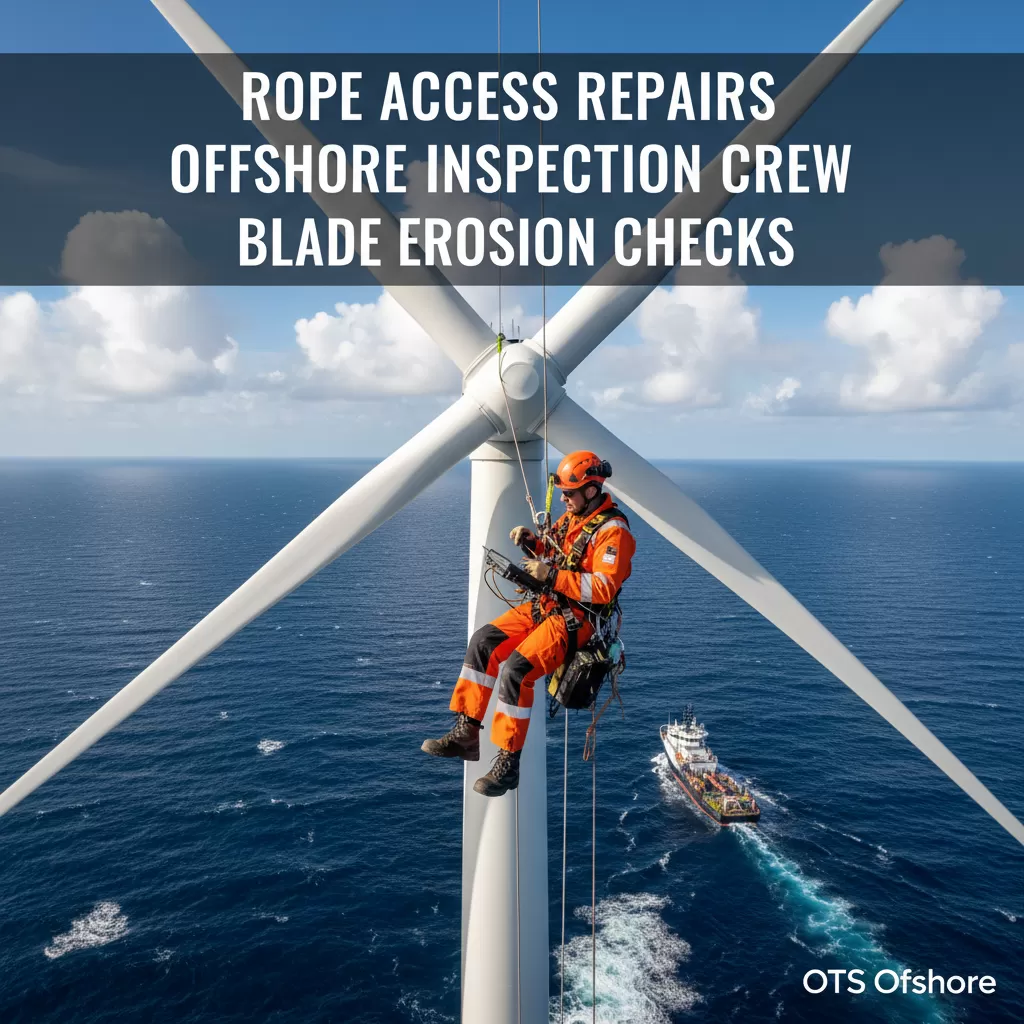
Visual inspection, while basic, remains an essential starting point. Highly trained technicians meticulously examine accessible surfaces for visible signs of cracking, delamination, surface defects, or signs of corrosion. This is often augmented by drone-based inspections, which allow for safer and more efficient access to elevated and difficult-to-reach areas of the nacelle and hub. Drones equipped with high-resolution cameras and thermal imaging capabilities can provide detailed visual data and identify anomalies related to temperature differences, which might indicate subsurface damage.
Non-destructive testing (NDT) methods are critical for detecting subsurface flaws that are not visible to the naked eye. Ultrasonic testing (UT) uses sound waves to detect internal flaws by analyzing the reflection or transmission of these waves. It is highly effective for identifying voids, inclusions, and cracks within composite materials and metallic components. Eddy current testing (ECT) is particularly useful for detecting surface and near-surface cracks in conductive materials. It works by inducing electrical currents in the material and monitoring the changes in these currents caused by the presence of a crack.
Radiography, though less common in routine wind turbine inspections due to safety concerns and access limitations, can provide detailed images of internal structures and defects. Acoustic emission testing (AET) is a passive monitoring technique that detects the release of elastic waves generated by crack propagation or material deformation. This method is valuable for continuous monitoring of structural health during operation.
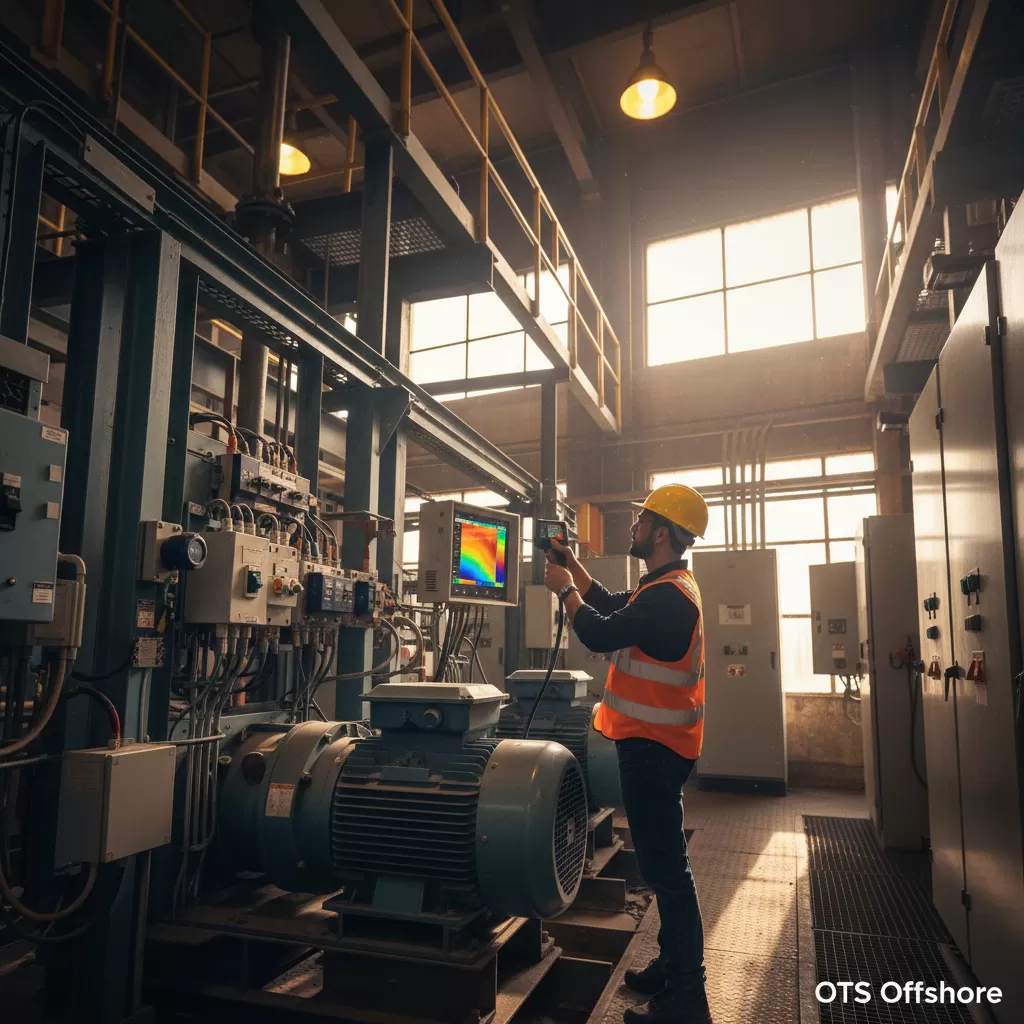
Thermography, as mentioned with drone inspections, can detect surface temperature anomalies. Areas with cracks or internal damage may exhibit different thermal signatures compared to surrounding healthy material due to changes in heat transfer characteristics. Magnetic particle testing (MPT) is effective for detecting surface and near-surface cracks in ferromagnetic materials. It involves applying a magnetic field and then a magnetic particle, which will accumulate at the site of a crack.
– Visual inspection and drone-based surveys.
– Ultrasonic testing (UT) for internal flaws.
– Eddy current testing (ECT) for surface and near-surface cracks.
– Radiographic testing (RT) for internal structural imaging.
– Acoustic emission testing (AET) for active crack monitoring.
– Thermography to identify thermal anomalies.
– Magnetic particle testing (MPT) for ferromagnetic materials.
Repairing Structural Cracks: A Taxonomy of Modern Solutions
The approach to repairing structural cracks on wind turbine nacelles and hubs is dictated by the type, size, location, and material of the damage. A range of sophisticated repair methodologies are employed, often combining traditional engineering principles with advanced composite materials and bonding techniques. The primary objectives are to restore structural integrity, prevent crack propagation, and ensure the long-term reliability of the component.
For metallic components, such as those found in older turbine designs or specific parts of the nacelle structure, traditional repair methods like welding can be employed. However, welding requires careful consideration of material compatibility, residual stresses, and potential embrittlement. Pre and post-weld heat treatments are often necessary to mitigate these risks. In some cases, mechanical fastening, such as riveting or bolting, might be used in conjunction with or as an alternative to welding, particularly where welding is not feasible or desirable.
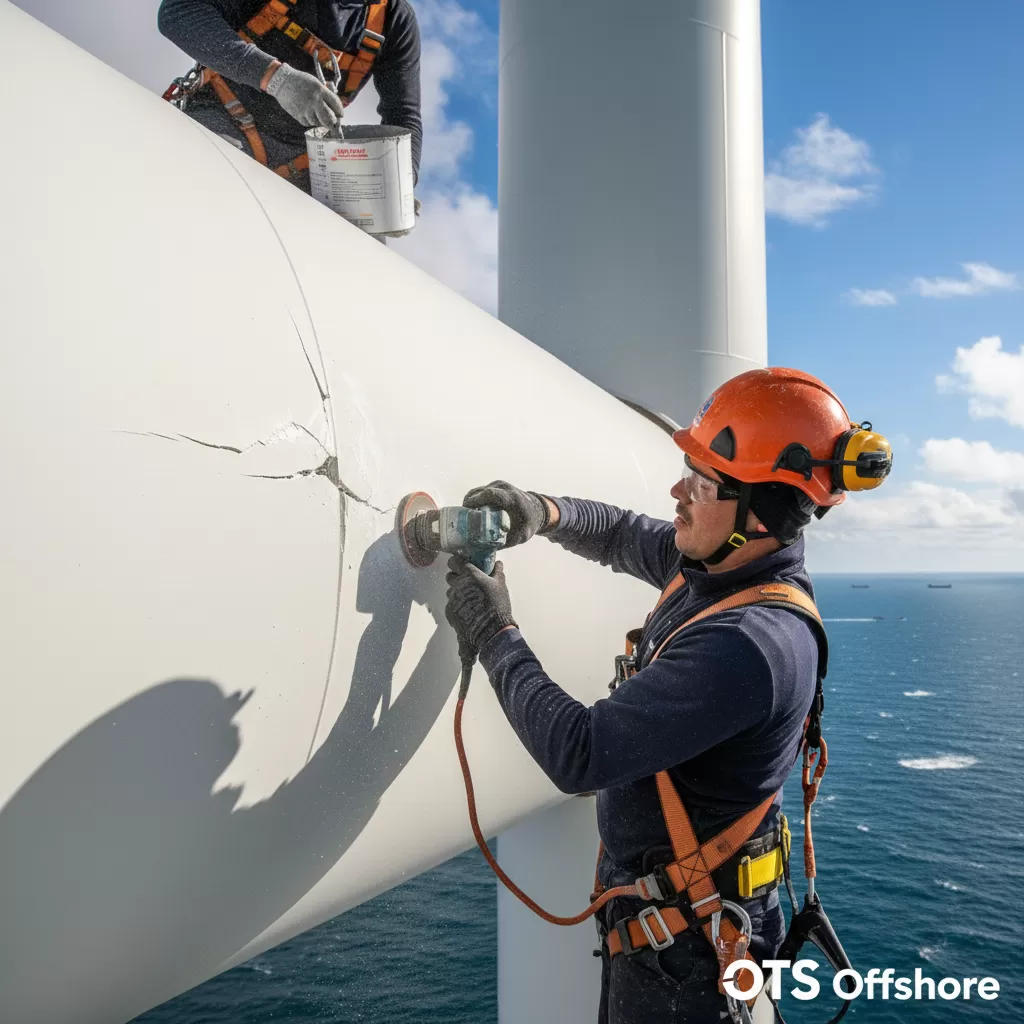
The majority of modern wind turbine nacelles and hubs are constructed from composite materials, primarily fiberglass and carbon fiber reinforced polymers (FRPs). Repairing cracks in composites typically involves a multi-step process focused on structural bonding and reinforcement. The damaged area is first meticulously cleaned and prepared, often involving the removal of loose material and the creation of a bevel to facilitate good adhesion of the repair material.
Composite patching is a prevalent technique. This involves applying layers of high-strength, fiber-reinforced epoxy resin patches to the damaged area. The orientation and layup of these patches are critical, designed to mimic or enhance the original load-bearing capacity of the structure. The resin system used for the repair must be carefully selected to ensure compatibility with the original composite material and to provide the required mechanical properties, such as tensile strength, shear strength, and fatigue resistance.
Adhesive bonding plays a pivotal role. High-performance structural adhesives are used to bond the composite patches to the damaged substrate, as well as to fill small voids or delaminations. These adhesives are engineered for high strength, durability, and resistance to environmental factors like moisture and temperature fluctuations. Surface preparation is paramount for successful adhesive bonding; any contamination or surface imperfections can significantly compromise the bond strength.
For larger or more critical damages, a combination of techniques may be employed. This could include scarfe repairs, where the damaged area is tapered and a series of overlapping patches are applied, or bonded inserts, where new composite or metallic sections are bonded into place to restore lost material and structural continuity. Vacuum bagging or autoclave curing techniques are often used during the repair process to ensure proper consolidation of the composite layers, minimize void content, and achieve optimal mechanical properties.
– Welding and mechanical fastening for metallic components.
– Surface preparation: cleaning, beveling, and degreasing.
– Composite patching using pre-impregnated (prepreg) or wet layup techniques.
– High-performance structural adhesives for bonding.
– Scarfe repair for extensive damage to composite structures.
– Bonded inserts to restore section loss.
– Vacuum bagging and curing for optimal composite consolidation.
– Repair of delaminations and matrix cracking.
– Reinforcement of existing cracks with bonded doublers.

Case Studies in Nacelle and Hub Repair: Learning from Real-World Scenarios
Examining real-world case studies provides invaluable insights into the practical application and effectiveness of different repairing structural cracks techniques for wind turbine nacelles and hubs. These scenarios highlight the challenges encountered and the innovative solutions developed to restore critical assets.
Consider a scenario involving a large offshore wind farm where several turbines experienced fatigue cracks in the nacelle frame, specifically around the main bearing housing. The constant torque and vibration from the gearbox and generator had led to the propagation of these cracks over time. Initial inspections revealed cracks up to 150 mm in length. Due to the critical nature of the component and the harsh offshore environment, a robust and durable repair solution was required.
The chosen methodology involved a comprehensive structural reinforcement. First, the cracked areas were carefully ground out to create a smooth, beveled surface. Non-destructive testing was performed to ensure all crack tips were identified and removed. High-strength, fatigue-resistant composite doublers were then fabricated. These doublers were carefully designed with a specific fiber orientation to effectively distribute the stresses away from the original crack locations.
The surfaces were meticulously prepared, followed by the application of a specialized structural epoxy adhesive. The composite doublers were then bonded into place, and vacuum bagging was employed to ensure intimate contact and uniform pressure during the curing process. Post-repair inspections, including ultrasonic testing, confirmed the integrity of the repair and the absence of any new defects. This repair strategy successfully restored the structural integrity of the nacelle frame, preventing further crack growth and allowing the turbines to resume operation with renewed confidence in their structural reliability.
Another illustrative case involved a series of cracks appearing on the internal composite structure of a wind turbine hub, near the blade attachment points. These cracks were attributed to a combination of manufacturing imperfections and unusually high operational loads experienced during a period of extreme weather. The damage was localized but significant, impacting the load transfer from the blades to the drivetrain.
The repair approach focused on localized composite repair. The damaged areas were carefully excavated, and a detailed assessment of the extent of delamination and fiber breakage was conducted. A multi-layer composite patch was designed and fabricated using carbon fiber prepregs, chosen for their high stiffness and strength. The patch was contoured to fit seamlessly with the existing hub structure.
A high-performance structural adhesive was used to bond the patch to the hub. Precise control over the bonding process, including controlled temperature and pressure application, was critical. The repair was cured under controlled conditions, and post-repair NDT confirmed the effectiveness of the repair in restoring the original load-carrying capacity of the hub. This intervention averted the need for a complete hub replacement, saving considerable cost and minimizing downtime.
– Repair of fatigue cracks in nacelle frames using composite doublers.
– Restoration of structural integrity in composite hubs with localized patching.
– Application of specialized structural adhesives in challenging environments.
– Use of carbon fiber prepregs for high-strength composite repairs.
– Importance of precise surface preparation and controlled curing processes.
– Case study demonstrating cost savings through effective structural repair.
– Analysis of repair effectiveness through post-repair non-destructive testing.
Preventative Maintenance and Advanced Monitoring for Nacelle and Hub Health
While repairing structural cracks is essential, a proactive approach to preventative maintenance and continuous monitoring is paramount for minimizing the occurrence and severity of such damages. The goal is to anticipate potential issues and intervene before cracks become critical, thereby extending the lifespan of wind turbine components and optimizing overall performance.
Scheduled inspections form the backbone of preventative maintenance. These inspections, conducted at regular intervals, involve detailed visual checks and the application of various NDT techniques to detect early signs of wear, fatigue, or delamination. The frequency of these inspections is often determined by the turbine manufacturer’s recommendations, operational history, and the environmental conditions the turbine is exposed to.
Advanced monitoring systems are increasingly being integrated into modern wind turbines. Structural health monitoring (SHM) systems employ a network of sensors embedded within the nacelle and hub structures. These sensors can include strain gauges, accelerometers, fiber optic sensors, and acoustic emission sensors. They continuously collect data on stress, vibration, temperature, and crack growth.
The data from SHM systems is analyzed using sophisticated algorithms and machine learning techniques. This allows for the early detection of anomalies that might indicate the initiation or propagation of cracks. Deviations from normal operating parameters can trigger alerts, prompting immediate investigation and targeted inspections. This real-time data provides a dynamic understanding of the component’s condition, allowing for predictive maintenance strategies rather than reactive repairs.
For example, a sudden increase in vibration levels in the nacelle might indicate a developing imbalance or a loosening of a critical component, which could eventually lead to increased stress and crack formation. Similarly, the detection of acoustic emissions could signify active crack growth. By identifying these early warning signs, maintenance teams can schedule interventions at a convenient time, often during periods of low wind, minimizing disruption to energy generation.
Furthermore, the analysis of operational data, such as power output, rotor speed, and pitch angle, in conjunction with SHM data, can provide a more holistic view of the turbine’s structural health. Understanding the relationship between operational loads and structural response is key to optimizing maintenance schedules and identifying components that might be under undue stress.
– Regular scheduled visual and NDT inspections.
– Integration of structural health monitoring (SHM) systems.
– Utilization of embedded sensors: strain gauges, accelerometers, fiber optics.
– Real-time data analysis using algorithms and machine learning.
– Predictive maintenance strategies based on anomaly detection.
– Continuous monitoring of vibration, stress, and acoustic emissions.
– Correlation of operational data with structural health indicators.
– Proactive intervention to prevent catastrophic failures.
– Extending component lifespan through early detection and repair.
– Optimizing maintenance schedules to minimize downtime and costs.