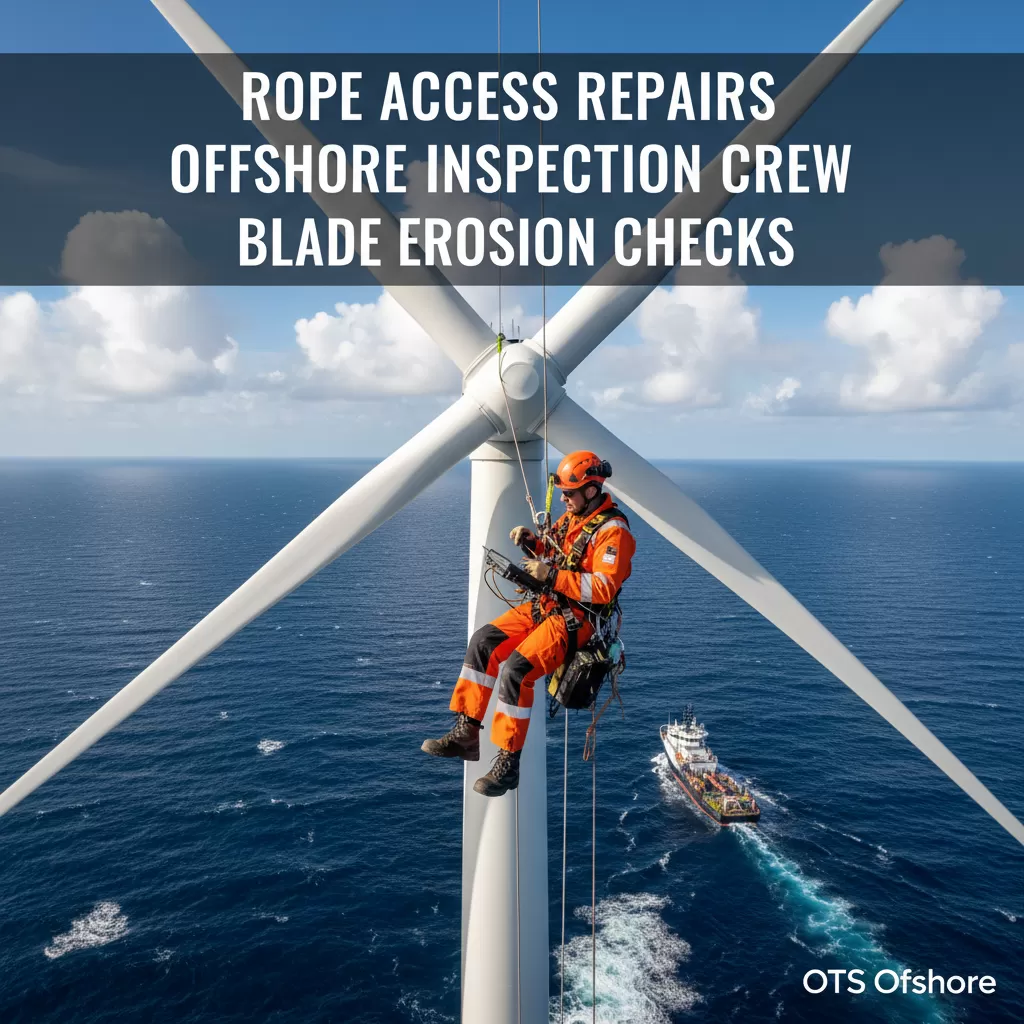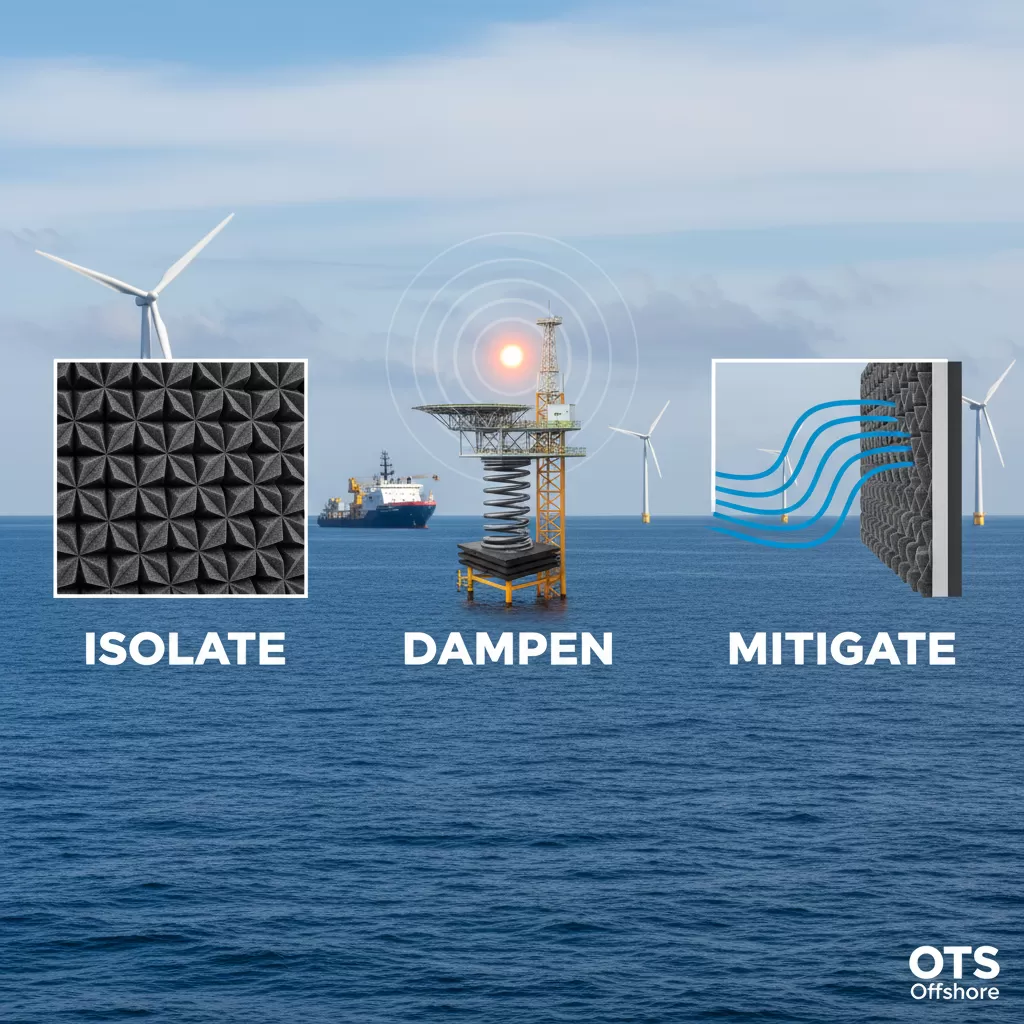



Risk Assessment Based planning for inspection and maintenance (RBI) in offshore assets is a proactive strategy aimed at optimizing safety and operational efficiency. This approach shifts from traditional time-based or run-to-failure maintenance to a data-driven methodology that prioritizes inspection efforts on components with the highest risk of failure, thereby reducing costs and enhancing asset integrity.
The Evolution and Imperative of Risk Assessment Based Planning for Offshore Asset Integrity
The offshore oil and gas industry operates in inherently challenging environments, demanding robust and sophisticated asset management strategies. For decades, inspection and maintenance (I&M) programs in offshore assets have relied on conventional approaches. These often involved scheduled inspections based on fixed time intervals or reactive measures triggered by equipment malfunctions. While these methods provided a foundational level of safety and operational continuity, they were often resource-intensive, sometimes inefficient, and could lead to unforeseen failures in critical components that were not inspected frequently enough, or conversely, unnecessary inspections of low-risk equipment. The imperative for a more intelligent, data-driven approach became increasingly apparent, driven by escalating operational costs, stricter regulatory requirements, the need to extend asset lifecycles, and the paramount importance of preventing catastrophic failures.
This is where the concept of Risk Assessment Based planning, often referred to as RBI, emerges as a transformative paradigm. RBI is not merely a change in scheduling; it represents a fundamental shift in how we perceive and manage the integrity of offshore assets. It is a systematic process that leverages a thorough understanding of failure probabilities and consequence severity to allocate inspection and maintenance resources effectively. The core principle of Risk Assessment Based planning is to focus attention and resources where they are most needed, thereby maximizing the return on investment in asset management and significantly enhancing overall safety and reliability. By moving away from a one-size-fits-all approach, RBI enables operators to tailor their I&M strategies to the specific characteristics and operational context of each asset, leading to a more efficient, effective, and ultimately safer operation.
Understanding the Core Principles of Risk Assessment Based Planning
At its heart, Risk Assessment Based planning for offshore assets is built upon a fundamental equation: Risk = Probability of Failure (PoF) x Consequence of Failure (CoF). This seemingly simple formula underpins a complex and sophisticated methodology. The PoF component involves a detailed analysis of various degradation mechanisms that can affect an asset’s components. These include, but are not limited to, corrosion (both internal and external), erosion, fatigue, stress corrosion cracking, and mechanical wear. Identifying and quantifying these mechanisms requires extensive historical data, material science knowledge, and sophisticated modeling techniques.
The Consequence of Failure component assesses the potential impact if a component were to fail. This impact can be multifaceted, encompassing safety hazards (injury or loss of life), environmental damage (oil spills, habitat destruction), financial losses (production downtime, repair costs, regulatory fines), and reputational damage. The severity of these consequences is evaluated based on factors such as the location of the component, the type of fluid or gas it contains, the operating pressure and temperature, and the proximity of personnel or sensitive environmental areas.
By integrating these two factors, RBI allows for a prioritized approach to inspection and maintenance. Components with a high probability of failure and/or a high consequence of failure are identified as high-risk items. These items then receive a more rigorous and frequent inspection schedule, along with targeted maintenance interventions. Conversely, components deemed to have a low PoF and low CoF may require less frequent or less intensive inspection, freeing up resources for higher-priority tasks. This data-driven allocation ensures that limited resources are directed towards mitigating the most significant risks, thereby optimizing the overall integrity management program. The successful implementation of RBI hinges on a robust data management system, a skilled team of engineers and inspectors, and a commitment to continuous improvement based on feedback and evolving operational conditions.
Key Elements of a Robust Risk Assessment Based Framework
Implementing a successful Risk Assessment Based planning program in offshore assets requires a structured and comprehensive framework. This framework typically involves several interconnected elements that work in synergy to achieve optimal asset integrity.
– Data Acquisition and Management: The foundation of any RBI program is accurate and comprehensive data. This includes historical inspection reports, maintenance records, operational parameters (pressure, temperature, flow rates), design specifications, material properties, and environmental data. Effective data management systems are crucial for storing, organizing, and retrieving this information efficiently.
– Degradation Mechanism Identification: A thorough understanding of the potential degradation mechanisms relevant to specific components and operating environments is essential. This involves expert judgment, material science principles, and analysis of industry-specific failure data.
– Probability of Failure (PoF) Assessment: This involves quantifying the likelihood of a specific failure mode occurring. Techniques can range from qualitative assessments based on expert opinion to quantitative analyses using probabilistic models, considering factors like corrosion rates, inspection intervals, and existing mitigation measures.
– Consequence of Failure (CoF) Assessment: This element evaluates the potential impact of a failure. It involves analyzing safety, environmental, and economic consequences, often using risk matrices or quantitative risk assessment (QRA) methodologies.
– Risk Ranking and Prioritization: Based on the PoF and CoF assessments, components are ranked according to their overall risk level. This prioritization is critical for allocating inspection and maintenance resources effectively.
– Inspection Planning and Strategy: The RBI assessment directly informs the inspection plan. This includes determining the type of inspection techniques to be used (e.g., ultrasonic testing, radiography, visual inspection), the frequency of inspections, and the extent of coverage required for each component.
– Maintenance Strategy Development: RBI also influences maintenance strategies. For high-risk components, proactive maintenance actions, such as corrosion inhibition or material upgrades, may be implemented. For lower-risk components, less intervention might be necessary.
– Performance Monitoring and Feedback: A vital aspect of RBI is the continuous monitoring of asset performance and the feedback loop from inspection results. This data is used to refine the PoF and CoF models, update risk assessments, and continuously improve the inspection and maintenance strategies.
– Management of Change (MOC): Any changes to the asset’s operation, design, or environment must be integrated into the RBI process to ensure that risk assessments remain current and relevant.
– Technology Integration: The adoption of advanced technologies, such as digital twins, artificial intelligence (AI), and predictive analytics, can significantly enhance the accuracy and efficiency of RBI programs, enabling more sophisticated risk assessments and optimized maintenance scheduling.
Benefits of Adopting Risk Assessment Based Planning in Offshore Operations
The adoption of Risk Assessment Based planning in offshore assets yields a multitude of tangible benefits, transforming asset management from a cost center into a strategic driver of profitability and safety. These advantages are not just theoretical; they are realized through improved operational performance and reduced exposure to costly failures.
– Enhanced Safety and Reduced Risk of Catastrophic Events: By focusing inspections and maintenance on the highest-risk components, RBI significantly reduces the probability of critical failures that could lead to personnel injury, environmental incidents, or significant production losses. This proactive approach creates a safer working environment for offshore personnel.
– Optimized Inspection and Maintenance Costs: Traditional, time-based inspection schedules can lead to over-inspection of low-risk components and under-inspection of high-risk ones. RBI allows for a more efficient allocation of resources, focusing inspection efforts where they provide the greatest value and reducing unnecessary work. This translates directly into cost savings on labor, equipment, and downtime.
– Extended Asset Lifespan: By effectively managing degradation mechanisms and addressing potential issues before they become critical, RBI helps to preserve the integrity of offshore assets, thereby extending their operational lifespan. This deferral of capital expenditure on asset replacement can represent substantial financial savings.
– Improved Operational Efficiency and Reduced Downtime: A well-executed RBI program minimizes unplanned shutdowns caused by equipment failures. By anticipating and mitigating risks, operators can ensure more consistent and reliable production, leading to increased uptime and higher revenue generation.
– Data-Driven Decision Making: RBI fosters a culture of data-driven decision-making. Instead of relying on assumptions or tradition, operators make informed choices based on rigorous analysis of risk, leading to more effective and justifiable I&M strategies.
– Compliance with Regulatory Requirements: Many regulatory bodies are increasingly encouraging or mandating risk-based approaches to asset integrity management. Implementing RBI ensures compliance with these evolving standards and demonstrates a commitment to robust safety and environmental practices.
– Better Resource Allocation: By understanding the risk profile of each component, operators can strategically allocate personnel, equipment, and budget to address the most pressing needs, ensuring that critical assets are always maintained to the highest standards.
– Enhanced Understanding of Asset Condition: The continuous data collection and analysis inherent in an RBI program provide a deeper and more comprehensive understanding of the actual condition of offshore assets, enabling proactive interventions rather than reactive repairs.
– Improved Maintenance Planning and Scheduling: RBI allows for more accurate and efficient planning of maintenance activities, minimizing disruptions to operations and ensuring that necessary work is performed at the optimal time.
Challenges and Considerations in Implementing Risk Assessment Based Planning
While the benefits of Risk Assessment Based planning are substantial, its implementation on offshore assets is not without its challenges. Overcoming these hurdles is crucial for realizing the full potential of this advanced approach.
– Data Availability and Quality: A common challenge is the lack of comprehensive, accurate, and readily accessible historical data. Older assets may have incomplete records, and data from different systems may not be standardized. Ensuring data integrity and establishing robust data acquisition protocols are paramount.
– Expertise and Training: Implementing RBI requires a skilled workforce with expertise in risk analysis, failure modes and effects analysis (FMEA), reliability engineering, and specialized inspection techniques. Adequate training and continuous professional development are essential.
– Initial Investment: Establishing an RBI program can require a significant initial investment in software, data management systems, and specialized training. Operators must be prepared for this upfront cost, understanding that it leads to long-term savings.
– Cultural Shift: Moving from traditional maintenance practices to a risk-based approach often necessitates a cultural shift within an organization. Resistance to change, skepticism about new methodologies, and ingrained traditional practices can pose significant obstacles. Effective change management and communication are vital.
– Complexity of Offshore Environments: The unique and often harsh operating conditions of offshore assets, including remote locations, harsh weather, and complex interconnected systems, add layers of complexity to risk assessment and mitigation.
– Model Validation and Calibration: Developing accurate PoF and CoF models requires careful validation and calibration against real-world data. Ensuring these models remain representative of actual asset behavior over time is an ongoing process.
– Scope Definition: Clearly defining the scope of the RBI program – which assets, which components, and which risk factors are included – is critical. An overly broad or poorly defined scope can lead to inefficiencies.
– Integration with Existing Systems: Integrating RBI software and processes with existing enterprise resource planning (ERP) systems, computerised maintenance management systems (CMMS), and other asset management tools can be technically challenging.
– Dynamic Nature of Risk: Offshore assets are subject to continuous changes in operating conditions, environmental factors, and degradation rates. The RBI process must be dynamic and adaptive, with regular reviews and updates to reflect these changes.
– Regulatory Interpretation: While regulations may encourage RBI, specific interpretations and requirements can vary, requiring close engagement with regulatory bodies to ensure full compliance.
The Future of Risk Assessment Based Planning in the Offshore Energy Sector
The trajectory of Risk Assessment Based planning in offshore assets points towards increasing sophistication and integration with emerging technologies. The future holds immense potential for further optimizing asset integrity management and operational excellence.
– Advanced Analytics and AI Integration: The incorporation of artificial intelligence (AI) and machine learning (ML) will revolutionize RBI. Predictive analytics will move beyond identifying probabilities to forecasting potential failures with greater accuracy, enabling even more proactive maintenance. AI can also automate data analysis and risk assessment, freeing up human experts for higher-level strategic tasks.
– Digital Twins: The development and widespread adoption of digital twins for offshore assets will provide a virtual, real-time replica of the physical asset. These digital models, fed with continuous operational data, will enable highly accurate simulations of degradation and failure scenarios, allowing for “what-if” analyses and optimized risk mitigation strategies within a virtual environment.
– Internet of Things (IoT) and Enhanced Sensor Technology: The proliferation of IoT devices and advanced sensors on offshore platforms will provide a wealth of real-time data on asset condition, performance, and environmental factors. This granular data is invaluable for refining PoF models, detecting anomalies early, and enabling highly responsive RBI adjustments.
– Greater Emphasis on Cybersecurity: As offshore assets become more digitized and interconnected, cybersecurity will become an increasingly critical component of risk assessment. Ensuring the integrity of data and control systems is paramount to prevent cyber threats from impacting asset integrity and safety.
– Standardization and Best Practices: Continued efforts towards standardization of RBI methodologies and reporting frameworks across the industry will enhance comparability, facilitate knowledge sharing, and promote best practices, leading to more consistent and effective implementation globally.
– Integration with Lifecycle Management: RBI will become more deeply integrated into the entire lifecycle of offshore assets, from design and construction through operation and decommissioning. This holistic approach ensures that risk considerations are embedded from the outset, leading to inherently safer and more maintainable designs.
– Performance-Based Regulations: Regulatory frameworks are likely to evolve further towards performance-based outcomes, encouraging operators to adopt risk-informed strategies like RBI that demonstrably improve safety and environmental protection, rather than prescribing specific methods.
– Human Factors Integration: Future RBI approaches will likely place a greater emphasis on integrating human factors into the risk assessment process. This includes understanding the impact of human error, training, and organizational culture on overall asset integrity.
The ongoing evolution of Risk Assessment Based planning signifies a maturing industry that prioritizes intelligent, data-driven approaches to managing its most critical assets. By embracing technological advancements and fostering a culture of continuous improvement, the offshore energy sector can continue to enhance safety, optimize efficiency, and ensure the long-term sustainability of its operations.