

The Role Measurement While Drilling (MWD) technology plays a pivotal part in the efficiency and safety of offshore well construction. This advanced system provides real-time downhole data, enabling immediate adjustments to drilling parameters, optimizing trajectory control, and identifying potential hazards. By integrating MWD, operators can significantly reduce non-productive time (NPT), enhance wellbore integrity, and ultimately lower the overall cost of offshore exploration and production.
The Essential Role Measurement While Drilling Technology Plays in Offshore Well Construction
The Role Measurement While Drilling (MWD) technology stands as a cornerstone in modern offshore well construction, revolutionizing how exploration and production wells are drilled. Its ability to deliver critical downhole information in real-time transforms the conventional drilling process from a reactive to a proactive operation. This continuous stream of data allows geologists, reservoir engineers, and drilling engineers to make informed decisions instantaneously, directly impacting operational efficiency, safety, and economic viability. In the challenging and high-stakes environment of offshore operations, where rig downtime is exceptionally costly and risks are amplified, the significance of MWD cannot be overstated. The Role Measurement While Drilling systems are designed to withstand extreme downhole conditions, transmitting vital parameters such as inclination, azimuth, toolface, vibration, and downhole pressure. This information is crucial for steering the wellbore along the desired trajectory, avoiding geological hazards, and ensuring the well’s integrity throughout its lifecycle.
The offshore sector, characterized by its complex geological formations, extreme water depths, and the inherent difficulties in accessing and monitoring subsurface conditions, demands the highest level of technological sophistication. Traditional drilling methods often involved significant delays in obtaining downhole data, leading to potential wellbore instability, costly sidetracks, and increased exposure to unforeseen geological challenges. The advent of MWD has fundamentally altered this paradigm. It provides a direct line of communication from the drill bit to the surface, offering an unprecedented level of control and understanding of the drilling operation as it happens. This continuous feedback loop is not just about convenience; it is about operational excellence, risk mitigation, and maximizing the hydrocarbon recovery potential of a reservoir. Understanding the comprehensive Role Measurement While Drilling systems are essential for anyone involved in the upstream oil and gas industry.
Unpacking the Core Functions of MWD in Offshore Well Construction
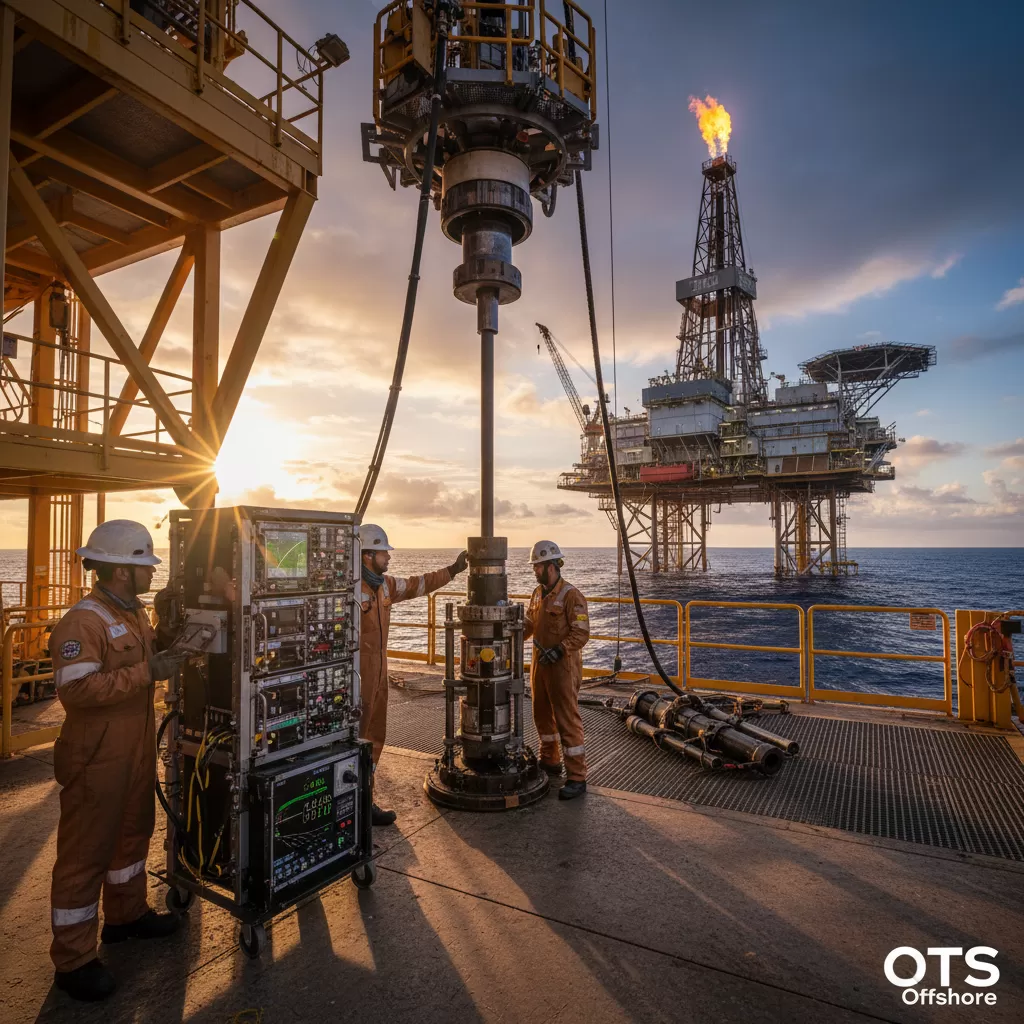
At its heart, MWD technology serves as the eyes and ears of the drilling crew deep within the earth’s crust. Its primary function is the measurement and transmission of downhole parameters. These parameters are not arbitrary; they are directly linked to the success of the drilling operation and the integrity of the well. The system comprises a downhole sensor package, typically housed in the drill collar assembly, which collects data. This data is then encoded and transmitted to the surface via a communication medium, most commonly through the drill string itself using mud pulses or electrical signals, though some advanced systems utilize other transmission methods.
The transmitted data undergoes decoding and interpretation at the surface, providing a real-time dashboard for the drilling team. Key measurements include:
– Inclination: The angle of the wellbore relative to the vertical. This is fundamental for directional drilling, allowing precise control over the well’s path.
– Azimuth: The direction of the wellbore in the horizontal plane, usually measured in degrees from magnetic north. Crucial for navigating towards target reservoirs.
– Toolface: The orientation of the directional drilling tool (e.g., mud motor bent housing) in the wellbore. This dictates the direction in which the wellbore will be steered.
– Vibration: Measuring the intensity and frequency of vibrations experienced by the drill string and downhole tools. This helps prevent premature tool failure and optimize drilling speed.
– Downhole Pressure: Monitoring the pressure at the drill bit and in the annulus. Essential for maintaining well control and preventing influxes or kicks.
– Temperature: Tracking downhole temperatures, which can influence drilling fluid properties and equipment performance.
– Gamma Ray: Some MWD tools incorporate gamma ray sensors to correlate geological formations with surface logs, aiding in formation evaluation and wellbore positioning.
The seamless integration and accurate reporting of these parameters underscore the critical Role Measurement While Drilling technology plays. Without this real-time insight, directional drilling would be significantly more challenging and less precise, and the ability to respond to dynamic downhole conditions would be severely hampered.
The Unprecedented Impact of Real-time Data Transmission
The true power of MWD lies in its ability to deliver this wealth of information as the drilling is actively progressing. This real-time aspect is a game-changer compared to older methods that relied on pulling the drill string to run wireline logs, a process that could take many hours, if not days, and significantly halted drilling operations. The continuous flow of data allows for immediate adjustments to drilling parameters, such as weight on bit (WOB), revolutions per minute (RPM), and mud flow rate, to optimize drilling efficiency and minimize torque and drag.
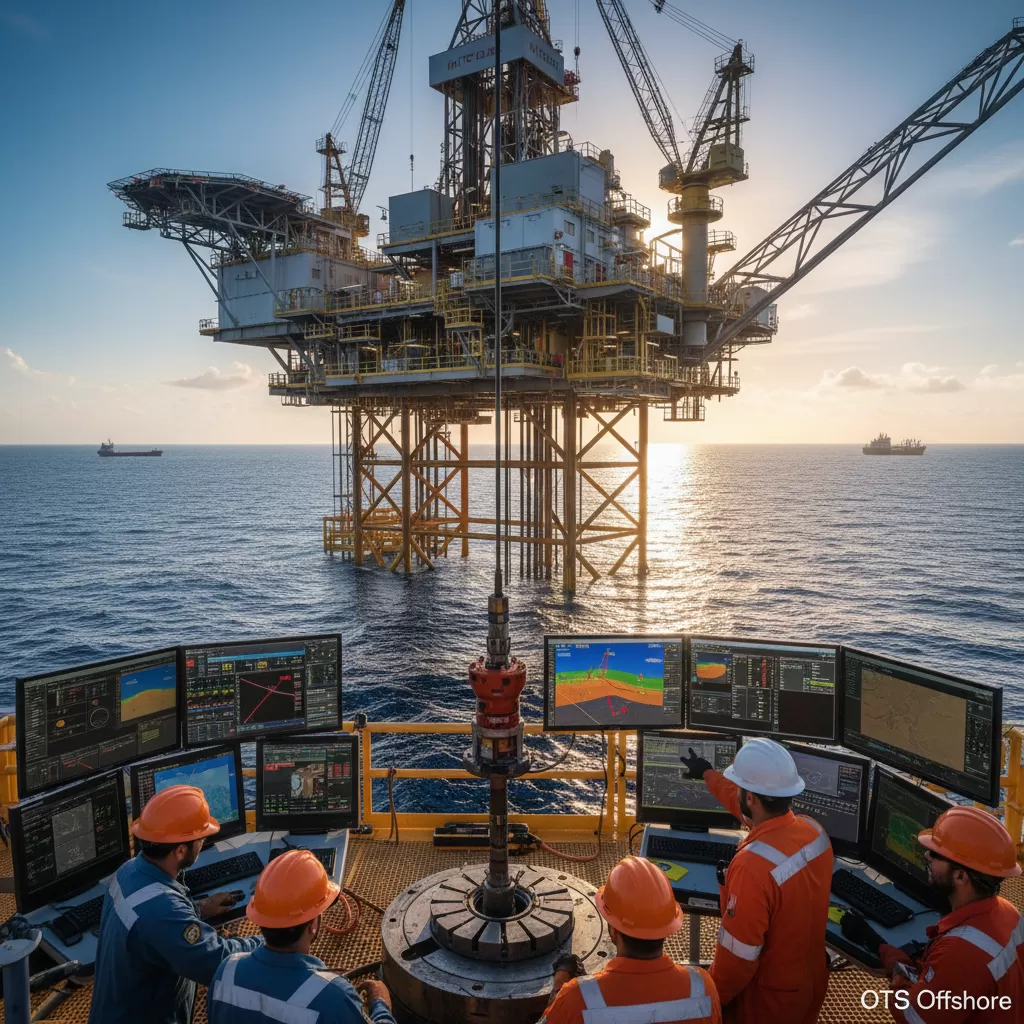
Furthermore, in directional drilling, real-time inclination and azimuth data are paramount. A directional driller can observe the wellbore’s trajectory in real-time and make precise steering adjustments using the MWD-indicated toolface. This precision is vital for reaching complex subsurface targets, navigating through narrow reservoir zones, and avoiding geological boundaries or existing wellbores. The Role Measurement While Drilling system ensures that the wellbore stays within its designated path, maximizing reservoir exposure and minimizing the risk of costly sidetracks or wellbore collapses.
The impact of this real-time capability extends to enhanced safety protocols. Continuous monitoring of downhole pressures allows for early detection of abnormal pressure regimes or potential formation fluid influxes. Early warnings enable the drilling crew to take preventative measures, such as adjusting mud weight or initiating well control procedures, thereby averting potentially catastrophic blowouts. This proactive safety approach is indispensable in the offshore environment, where the consequences of well control failures can be devastating for both personnel and the environment.
Key Benefits of Implementing MWD in Offshore Well Construction
The adoption of MWD technology in offshore well construction yields a multitude of tangible benefits that directly translate into improved operational outcomes. These advantages are not merely incremental; they represent a fundamental enhancement in drilling performance and risk management.
1. Enhanced Directional Drilling Accuracy and Control
Offshore wells, particularly those targeting complex geological structures or requiring multilateral branches, demand highly precise directional control. MWD provides the real-time inclination, azimuth, and toolface data necessary for steering the wellbore with remarkable accuracy. This allows for the execution of sophisticated well trajectories, such as horizontal wells, extended reach wells, and complex multilateral well designs, all of which are crucial for maximizing hydrocarbon recovery from challenging reservoirs. The Role Measurement While Drilling provides the navigational intelligence needed to hit these targets precisely.
2. Significant Reduction in Non-Productive Time (NPT)
One of the most significant economic drivers for MWD adoption is its ability to minimize NPT. By providing real-time downhole information, operators can avoid issues before they escalate into major problems. For instance, early detection of potential wellbore instability through vibration and pressure data allows for prompt adjustments to drilling parameters or mud properties, preventing stuck pipe incidents or hole collapses that could result in days of lost drilling time. The rapid steering capabilities also mean that directional corrections can be made quickly, reducing the time spent on wellbore navigation.
3. Improved Wellbore Integrity and Safety
The continuous monitoring of downhole parameters like pressure and vibration directly contributes to enhanced wellbore integrity and operational safety. Real-time pressure data allows for proactive well control, preventing kicks and blowouts. Monitoring vibration helps prevent drill string fatigue and equipment damage, ensuring the integrity of the drilling assembly. The precise steering also ensures that the wellbore remains within the intended geological confines, avoiding potential intersections with high-pressure zones or unstable formations.
4. Optimized Drilling Efficiency and Cost Savings
By enabling more efficient drilling rates and reducing the likelihood of NPT, MWD significantly contributes to overall cost savings. Optimized drilling parameters, guided by real-time data, can lead to faster penetration rates. The avoidance of costly sidetracks and remedial operations further bolsters economic efficiency. In the high-cost environment of offshore drilling, even minor reductions in NPT can translate into substantial financial savings. The Role Measurement While Drilling systems are a direct investment in operational profitability.
5. Enhanced Formation Evaluation and Geosteering Capabilities
Many advanced MWD tools incorporate formation evaluation sensors, such as gamma ray and resistivity logs. This allows for real-time correlation of downhole data with seismic and geological models, enabling geosteering. Geosteering involves actively guiding the drill bit to stay within the pay zone of a reservoir, maximizing hydrocarbon contact and minimizing drilling into unproductive zones. This capability is particularly valuable in thin or complex reservoirs, ensuring that the wellbore effectively targets the hydrocarbon-bearing intervals.
The Technological Evolution of MWD Systems
The evolution of MWD technology has been a continuous journey driven by the relentless pursuit of greater accuracy, reliability, and functionality in increasingly demanding downhole environments. Early MWD systems were relatively basic, focusing primarily on providing inclination and azimuth data. However, technological advancements have led to sophisticated integrated systems capable of delivering a much broader spectrum of critical information.
Advancements in Downhole Sensors and Data Acquisition
Modern MWD tools are equipped with highly sensitive and robust sensors capable of withstanding extreme temperatures, pressures, and corrosive environments encountered deep offshore. These sensors are designed for high-frequency data acquisition, capturing subtle variations in downhole conditions. Innovations in sensor technology have led to improved accuracy and resolution, providing geoscientists and drilling engineers with more granular and reliable data. The continuous development in miniaturization and ruggedization of these components has been key to expanding their application.
Sophisticated Communication and Transmission Methods
The method by which data is transmitted from the downhole MWD tool to the surface is critical. While mud pulse telemetry remains a widely used and reliable method, particularly in cased holes or for complex directional surveys, advancements continue. These include:
– Internal and External Mud Pulse Telemetry: Variations in mud flow are used to encode data. Internal systems use flow through the drill string, while external systems use flow in the annulus.
– Electromagnetic (EM) Telemetry: This method uses the earth’s conductivity to transmit signals. It is particularly advantageous in situations where mud pulse telemetry might be hampered, such as during drilling fluid loss or when using air drilling.
– Other Emerging Technologies: Research and development are ongoing into more advanced transmission methods, including fiber optics integrated into the drill string, offering potentially higher data rates and greater reliability.
The choice of transmission method often depends on the specific well design, geological conditions, and operational requirements. The Role Measurement While Drilling systems are constantly being refined to offer the most efficient and reliable data transfer.
Integration with Other Downhole Technologies (LWD)
A significant trend in the industry is the integration of MWD with Logging While Drilling (LWD) tools. LWD tools provide more in-depth formation evaluation data, such as porosity, permeability, and fluid saturation. When combined with MWD, these integrated systems, often referred to as Measurement While Drilling/Logging While Drilling (MWD/LWD), offer a comprehensive suite of real-time subsurface information. This synergy allows for more informed drilling decisions, better reservoir characterization, and improved well placement. The combined capabilities allow for a more holistic understanding of the subsurface, directly impacting the success of the drilling endeavor.
Challenges and Future Prospects of MWD in Offshore Operations
Despite its numerous advantages, the implementation and operation of MWD technology in offshore environments are not without their challenges. However, these challenges also serve as catalysts for future innovation and development.
Operational Challenges in Harsh Offshore Environments
Offshore drilling environments are inherently harsh. Extreme weather conditions, high pressures, corrosive saltwater, and the sheer logistics of operating miles from shore present significant operational hurdles. MWD tools must be robust enough to withstand these conditions. Downtime of MWD equipment, whether due to tool failure or communication issues, can be extremely costly offshore, amplifying the importance of reliability and rapid troubleshooting. Maintaining consistent power to downhole tools in remote locations and ensuring the integrity of surface communication links are also ongoing concerns.
Cost Considerations and Data Management
While MWD ultimately leads to cost savings, the initial investment in the technology, including the tools, personnel, and training, can be substantial. Furthermore, the sheer volume of real-time data generated by MWD systems requires sophisticated data management and analysis capabilities. Effective interpretation and utilization of this data are crucial to realizing its full potential. Ensuring that the right personnel are available with the expertise to interpret this complex data is also a critical factor.
Tham khảo thêm: Thông tin chi tiết về Role Measurement While trên Wikipedia.
The Future of MWD: Towards Autonomous Drilling and Advanced Analytics
The future of MWD technology in offshore well construction is bright and points towards increasing automation and advanced data analytics. We can anticipate:
– Increased Autonomy: MWD systems will likely become more autonomous, capable of making more complex decisions in real-time with minimal human intervention, further optimizing drilling parameters and trajectory control.
– Big Data and AI: The integration of artificial intelligence and machine learning with MWD data will unlock deeper insights, enabling predictive maintenance, enhanced risk assessment, and even more precise reservoir targeting.
– Enhanced Connectivity: Further improvements in downhole communication technologies will lead to higher data rates, lower latency, and increased reliability, even in the most challenging formations.
– Extended Functionality: Expect to see MWD tools with an even wider array of integrated sensors, providing a more comprehensive real-time picture of both the drilling process and the subsurface environment. The Role Measurement While Drilling will continue to evolve, becoming even more indispensable.