

Safety First: Training is paramount in the high-risk offshore energy sector, ensuring that technicians possess the critical knowledge and skills to prevent accidents and respond effectively to emergencies. This comprehensive guide delves into the essential aspects of GWO (Global Wind Organisation) training and robust HSE (Health, Safety, and Environment) protocols, vital for safeguarding personnel and assets in the demanding offshore environment.
The Indispensable Role of Safety First: Training for Offshore Technicians
In the dynamic and inherently hazardous offshore energy industry, the principle of Safety First: Training is not merely a guideline; it is the bedrock upon which operational integrity and personnel well-being are built. Offshore technicians, tasked with the maintenance, operation, and repair of critical infrastructure, operate in environments characterized by extreme weather, complex machinery, and significant inherent risks. Therefore, a rigorous and continuous commitment to Safety First: Training is non-negotiable. This commitment encompasses specialized training programs, such as those accredited by the Global Wind Organisation (GWO), and the diligent adherence to comprehensive Health, Safety, and Environment (HSE) protocols. These elements are intrinsically linked, working in synergy to cultivate a proactive safety culture and equip technicians with the competencies necessary to navigate the challenges of offshore work safely and efficiently. The focus on Safety First: Training directly mitigates the likelihood of incidents, protects valuable human capital, and ensures the sustainable operation of vital energy assets. Understanding the nuances of these training paradigms and protocols is essential for anyone involved in the offshore energy sector.
Understanding GWO Training: A Foundation for Offshore Safety Excellence
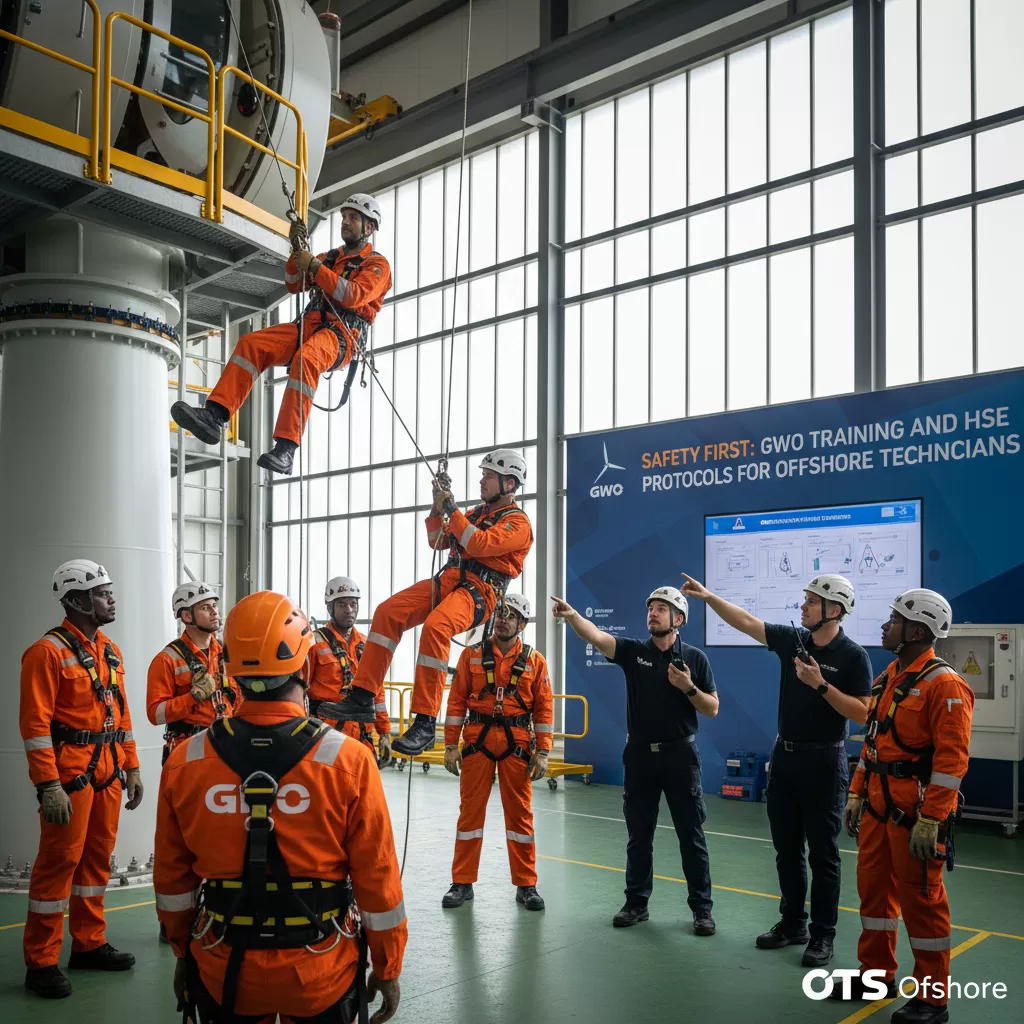
The Global Wind Organisation (GWO) has established a standardized framework for training that is crucial for anyone working in the wind energy sector, particularly offshore. GWO training is designed to equip technicians with the fundamental safety knowledge and practical skills needed to perform their jobs without endangering themselves or their colleagues. The core modules, such as Basic Safety Training (BST), are comprehensive and cover a range of critical areas. These include Working at Height, Manual Handling, Fire Awareness, and First Aid. Each module is meticulously designed to provide practical, hands-on experience, simulating real-world scenarios that technicians might encounter. For instance, the Working at Height module not only teaches rescue techniques but also the proper use of personal fall protection equipment (PPE) and safe access methods. Similarly, the Fire Awareness module educates on identifying fire hazards, the correct use of fire extinguishers, and emergency evacuation procedures specific to offshore installations. Beyond BST, GWO offers specialized training like Advanced Rescue Training (ART) for wind turbines, which focuses on more complex rescue scenarios, and Enhanced First Aid, which equips technicians with advanced medical intervention skills. The objective of GWO training is to create a consistent, globally recognized standard of safety competence, ensuring that irrespective of location or employer, offshore technicians possess a baseline level of safety awareness and capability. This standardization significantly reduces the risk of accidents and improves the overall safety performance of the wind energy industry.
The Core Modules of GWO Basic Safety Training (BST)
The GWO Basic Safety Training (BST) is the cornerstone of safety education for wind turbine technicians, ensuring they are prepared for the unique hazards of offshore work. It is divided into several essential modules, each addressing a critical aspect of workplace safety.
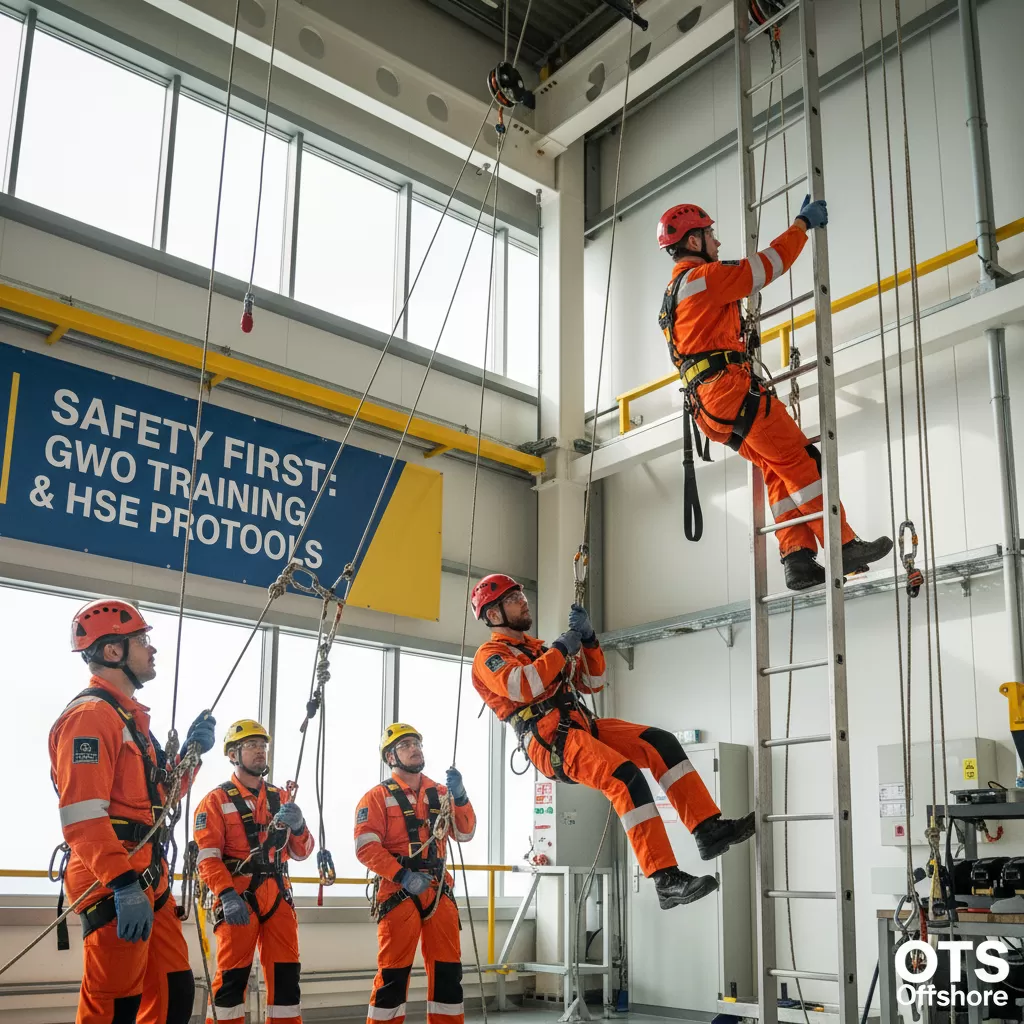
– Working at Height: This module is paramount for offshore technicians who frequently work at elevated positions. It covers the correct use of fall arrest systems, harnesses, lanyards, and other PPE. Practical sessions include ascents and descents using various climbing devices and simulated rescue scenarios to ensure technicians can safely extricate themselves or assist colleagues in emergency situations. Understanding load capacities, anchor points, and rescue equipment is vital.
– Manual Handling: Offshore work often involves lifting and moving heavy equipment in confined or awkward spaces. This module teaches technicians proper lifting techniques, body mechanics, and the use of mechanical aids to prevent musculoskeletal injuries. Recognizing the risks associated with repetitive tasks and improper posture is a key takeaway.
– Fire Awareness: Given the presence of flammable materials and electrical equipment on offshore platforms, understanding fire prevention and response is critical. This module covers identifying common fire hazards, the different classes of fire, the operation of fire extinguishers, and emergency evacuation procedures tailored to offshore environments. Knowledge of assembly points and communication protocols during a fire event is emphasized.
– First Aid: Basic First Aid training equips technicians with the ability to administer immediate medical assistance in the event of an injury or illness before professional medical help arrives. This includes treating common injuries such as cuts, burns, fractures, and managing shock. Understanding how to assess a casualty and provide appropriate care in a remote offshore setting is crucial.
Successful completion of all these modules results in a GWO BST certificate, which is a mandatory requirement for many offshore wind industry roles. The training is designed to be highly practical and immersive, ensuring that the learned skills are retained and applicable in real-world scenarios. The repetitive nature of some exercises, coupled with realistic simulations, reinforces best practices and instills a strong sense of safety consciousness.
Beyond BST: Advanced GWO Training for Specialized Roles
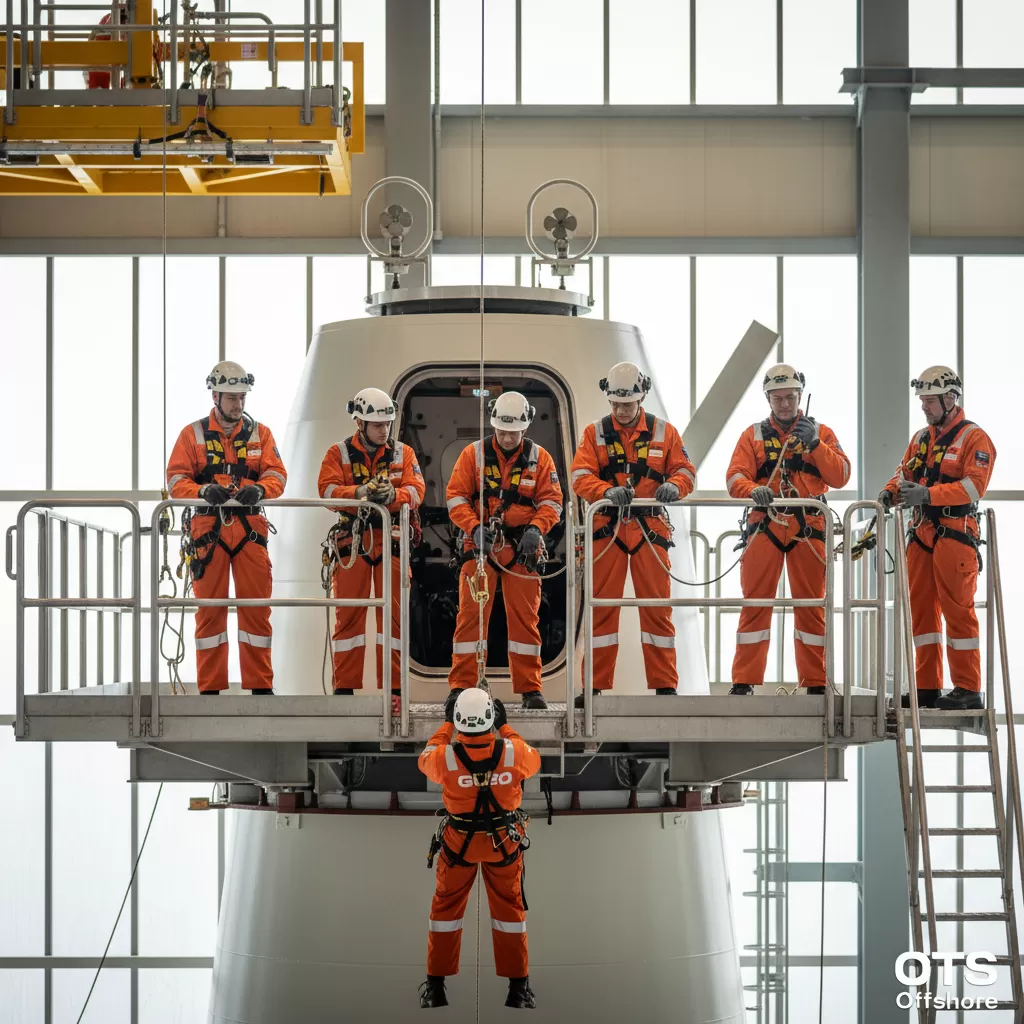
While GWO BST provides essential foundational safety knowledge, the complexities and evolving nature of offshore operations necessitate further specialized training. GWO offers a suite of advanced courses designed to equip technicians with the skills to handle specific, higher-risk scenarios and maintain critical equipment safely. These advanced modules build upon the principles learned in BST, deepening expertise and enhancing overall operational safety. The commitment to ongoing professional development through these advanced courses underscores the industry’s dedication to maintaining the highest safety standards.
HSE Protocols: The Operational Framework for Offshore Safety
Health, Safety, and Environment (HSE) protocols form the comprehensive operational framework that underpins all activities in the offshore energy sector. These protocols are not merely a set of rules but a deeply ingrained organizational philosophy that guides every decision and action, from the planning stages of a project to routine maintenance and emergency response. Effective HSE protocols are dynamic, constantly reviewed and updated to reflect lessons learned from incidents, technological advancements, and evolving regulatory requirements. They are designed to create a safe working environment, minimize environmental impact, and ensure the well-being of all personnel involved. The successful implementation of these protocols relies on clear communication, robust training, and a culture of accountability across all levels of an organization.
Key Components of Robust Offshore HSE Protocols
Effective HSE protocols in the offshore energy industry are multifaceted, addressing a wide spectrum of potential risks and operational requirements. They are meticulously designed to ensure the safety of personnel, the integrity of assets, and the protection of the marine environment. The following are critical components that define a robust HSE framework:
– Risk Assessment and Management: This forms the proactive core of any HSE system. It involves identifying potential hazards associated with specific tasks, equipment, and the overall operating environment. Comprehensive risk assessments categorize these hazards, evaluate their likelihood and potential severity, and define control measures to mitigate or eliminate them. Techniques like Job Safety Analysis (JSA) and Hazard and Operability Studies (HAZOP) are commonly employed.
– Permit-to-Work Systems: These are formal systems designed to control high-risk activities, ensuring that they are carried out only after all necessary safety precautions have been identified, implemented, and verified. Permits are required for activities such as hot work, confined space entry, and work on energized electrical systems. The system ensures proper authorization, communication, and supervision.
– Personal Protective Equipment (PPE) Management: Providing, maintaining, and ensuring the correct use of appropriate PPE is fundamental. This includes head protection, eye protection, hearing protection, respiratory protection, protective clothing, and specialized footwear. The selection of PPE is based on the specific hazards identified in risk assessments.
– Emergency Preparedness and Response: Offshore installations require detailed emergency plans for scenarios such as fire, explosions, man overboard incidents, medical emergencies, and environmental spills. These plans outline evacuation procedures, communication protocols, the roles and responsibilities of emergency response teams, and the use of emergency equipment. Regular drills and exercises are conducted to test the effectiveness of these plans.
– Incident Reporting and Investigation: A crucial aspect of continuous improvement, this involves the mandatory reporting of all incidents, near misses, and unsafe conditions. Thorough investigations are conducted to identify root causes, rather than just immediate causes, to prevent recurrence. Findings from investigations inform updates to safety procedures and training programs.
– Environmental Management: Offshore operations have the potential for significant environmental impact. HSE protocols must include measures to prevent pollution, manage waste effectively, and respond to environmental emergencies like oil spills. Compliance with environmental regulations and sustainable practices are integral.
– Health Monitoring and Welfare: Ensuring the health and well-being of offshore personnel is a key HSE responsibility. This includes providing access to occupational health services, managing fatigue, promoting mental health awareness, and ensuring adequate living conditions and recreational facilities.
– Safety Audits and Inspections: Regular audits and inspections of facilities, equipment, and work practices are conducted to verify compliance with HSE protocols and identify areas for improvement. These can be internal audits or carried out by external regulatory bodies.
– Training and Competency Assurance: This encompasses the initial training of personnel, as well as ongoing refresher courses and competency assessments to ensure that all individuals possess the necessary skills and knowledge to perform their duties safely. This directly links to the GWO training discussed earlier.
The successful integration and strict adherence to these HSE components create a robust safety net, minimizing risks and fostering a proactive safety culture essential for the offshore energy industry.
The Synergy Between GWO Training and HSE Protocols
The relationship between GWO training and HSE protocols is not one of separation but of profound synergy, each reinforcing and enhancing the effectiveness of the other. GWO training provides the foundational and specialized knowledge and skills, while HSE protocols offer the overarching framework and operational guidelines within which these skills are applied. Think of GWO training as equipping the technician with the tools and the expertise to use them, and HSE protocols as defining the workshop, the rules of engagement within that workshop, and the overarching safety standards that must be maintained. This integrated approach ensures that offshore technicians are not only technically competent but also deeply ingrained in a culture of safety that permeates every aspect of their work. Without comprehensive HSE protocols, GWO training might be isolated, theoretical knowledge. Conversely, without standardized, quality GWO training, HSE protocols risk being inadequately implemented by personnel lacking the necessary practical skills to adhere to them effectively. The combined force of GWO training and robust HSE protocols is what truly drives safety excellence offshore.
Reinforcing Safety Culture Through Integrated Training and Protocols
A strong safety culture is the bedrock of accident prevention in any high-risk industry, and the offshore energy sector is no exception. The effective integration of GWO training with stringent HSE protocols is instrumental in cultivating and reinforcing this vital culture. GWO training instills a fundamental understanding of risks and safe practices, empowering individuals to act responsibly. When this foundational knowledge is consistently reinforced by clear, well-communicated, and diligently enforced HSE protocols, it transforms from individual awareness into a collective commitment. For instance, a technician trained in Working at Height through GWO understands the mechanics of fall arrest. However, it is the HSE protocol mandating pre-work inspections of fall protection equipment and the permit-to-work system for elevated tasks that ensures this knowledge is applied correctly and consistently in the operational environment. Similarly, HSE protocols establish the procedures for incident reporting and investigation, creating a feedback loop where lessons learned from any safety deviation, however minor, are incorporated back into training and procedural updates. This continuous cycle of learning and application, facilitated by the synergy between training and protocols, fosters an environment where safety is not just a requirement but a shared value, where every team member feels responsible for their own safety and the safety of their colleagues. This proactive approach, driven by integrated safety measures, significantly reduces the likelihood of incidents and enhances overall operational integrity.
Challenges and Innovations in Offshore Safety Training and Protocols
The offshore energy sector is constantly evolving, presenting unique challenges and driving innovation in safety training and protocols. The sheer remoteness and inherent dangers of offshore environments necessitate continuous adaptation to ensure personnel remain protected. From extreme weather conditions and the complexities of advanced machinery to the psychological impact of working offshore, the demands on safety systems are significant and ever-present. Innovative approaches to training, such as the increased use of virtual reality (VR) and augmented reality (AR) simulations, are revolutionizing how technicians acquire and practice critical safety skills. These technologies allow for immersive, risk-free training environments that accurately replicate hazardous scenarios, enabling technicians to develop muscle memory and decision-making abilities in a safe setting. Furthermore, the ongoing development of smarter safety equipment, including wearable sensors that monitor vital signs and detect potential hazards, coupled with advanced communication systems, is enhancing real-time safety management. The evolution of HSE protocols is also a critical aspect, with a growing emphasis on data analytics to predict and prevent incidents, a stronger focus on mental health and fatigue management, and the integration of artificial intelligence to optimize safety procedures. The industry’s commitment to embracing these innovations is crucial for maintaining and improving safety standards in this demanding sector.
Leveraging Technology for Enhanced Safety First: Training and HSE Implementation
Technology plays an increasingly pivotal role in elevating Safety First: Training and the effective implementation of HSE protocols within the offshore energy industry. Traditional classroom-based training is being augmented, and in some cases replaced, by more dynamic and engaging technological solutions. Virtual Reality (VR) and Augmented Reality (AR) are transforming the learning experience by offering highly realistic simulations of hazardous offshore scenarios. Technicians can practice complex procedures, such as confined space entry, working at height rescues, or emergency response to fires, in a controlled, virtual environment, thereby building confidence and competence without any physical risk. This allows for repeatable practice of critical skills, which is invaluable for retention. Furthermore, gamification elements are being integrated into training modules to increase engagement and knowledge retention. On the operational side, the Internet of Things (IoT) is enabling real-time monitoring of personnel and equipment. Wearable sensors can track vital signs, detect falls, and monitor environmental conditions like gas levels, alerting personnel and supervisors to potential dangers instantaneously. Drones are being utilized for inspections of hard-to-reach areas, reducing the need for personnel to enter hazardous zones. Advanced data analytics and artificial intelligence are also being employed to analyze safety performance data, identify trends, and predict potential risks before they manifest into incidents. This proactive approach allows for targeted interventions and the optimization of HSE protocols. Improved communication technologies, including satellite-based systems and robust digital platforms, ensure that critical safety information can be shared rapidly across dispersed offshore locations, facilitating better coordination during normal operations and emergencies. The integration of these technological advancements not only enhances the delivery and effectiveness of Safety First: Training but also strengthens the proactive and responsive nature of HSE protocols, ultimately contributing to a safer working environment.
Tham khảo thêm: Thông tin chi tiết về Safety First: Training trên Wikipedia.
Addressing the Human Element: Fatigue, Stress, and Mental Well-being in Offshore Safety
While technological advancements and structured training are indispensable, the human element remains a critical factor in offshore safety. Fatigue, stress, and mental well-being are significant considerations that directly impact an individual’s ability to perform safely and adhere to HSE protocols. The demanding nature of offshore work, characterized by long shifts, isolation, shift work, and the constant presence of hazards, can take a toll on personnel. Fatigue can impair judgment, slow reaction times, and increase the likelihood of errors, potentially leading to serious incidents. Stress, whether from the job itself or personal issues, can further exacerbate these effects. Recognizing this, modern HSE protocols are increasingly incorporating strategies to manage these human factors. This includes robust fatigue management programs that monitor work hours, ensure adequate rest periods, and promote healthy sleep hygiene. Stress management initiatives, access to psychological support services, and promoting a supportive work environment are also becoming standard practices. Open communication channels where personnel feel comfortable reporting concerns about fatigue or stress without fear of reprétalsal are crucial. Furthermore, GWO training modules are beginning to address these aspects, educating technicians on recognizing the signs of fatigue and stress in themselves and their colleagues, and on the importance of seeking help. The holistic approach to safety, which encompasses not only technical competence but also the psychological and physical well-being of the workforce, is essential for truly achieving a robust and sustainable Safety First culture in the offshore energy sector. This integrated view ensures that the human capacity for error is acknowledged and actively managed, rather than overlooked.