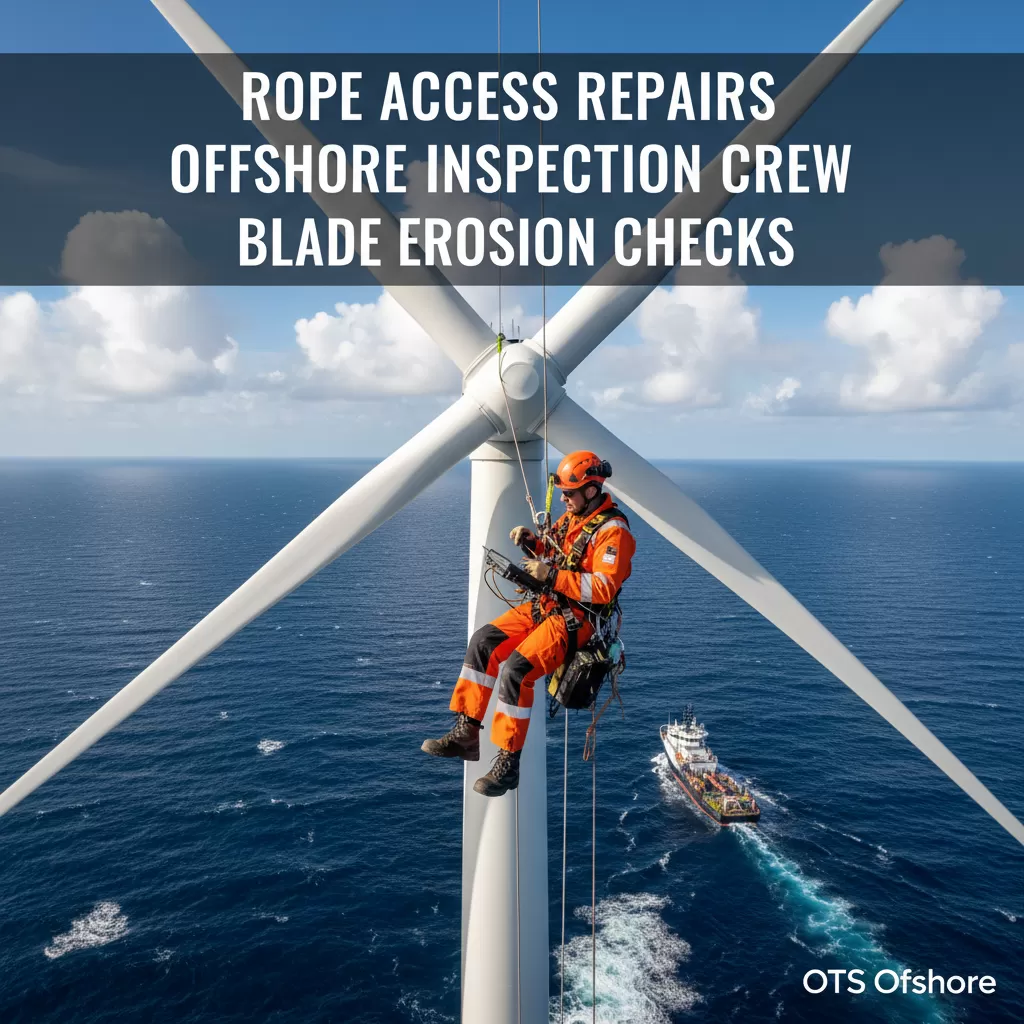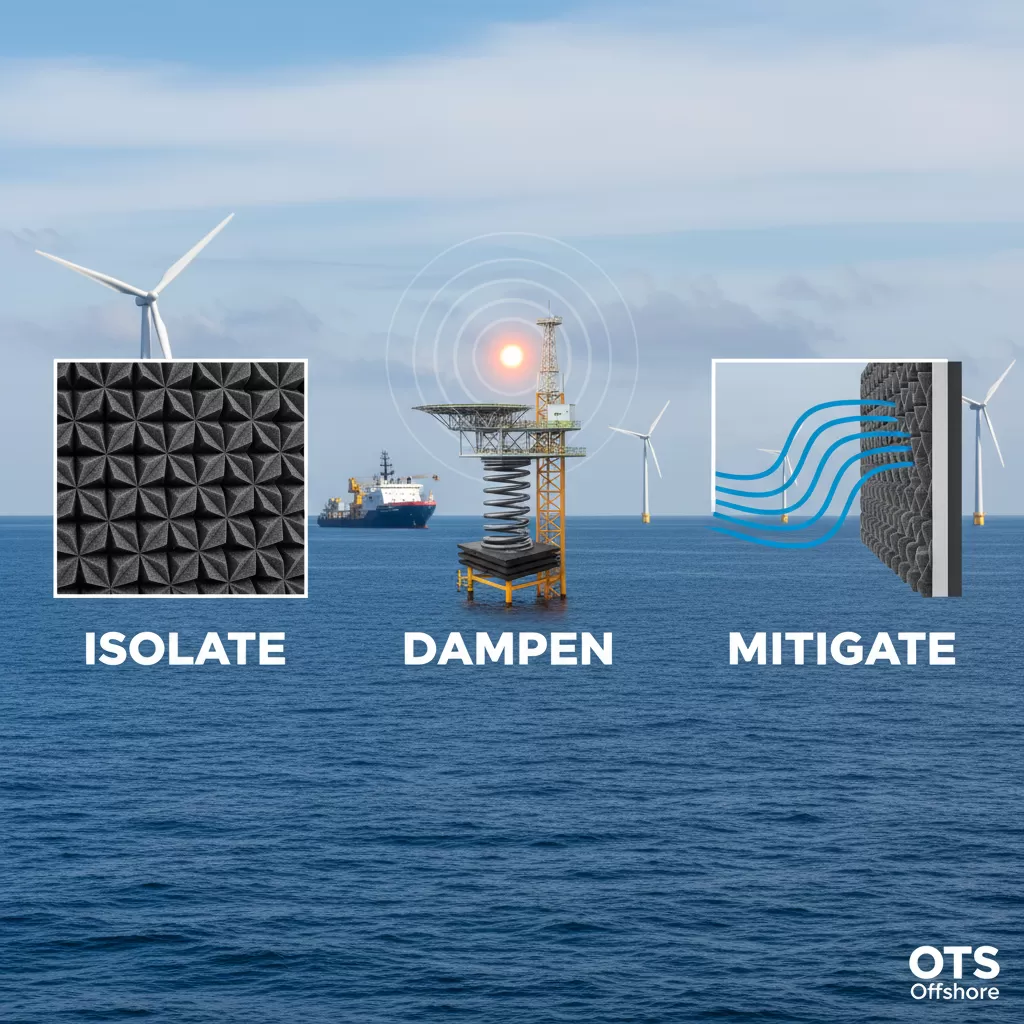


Safety First: Training is paramount for offshore technicians, ensuring they possess the critical skills and knowledge to navigate hazardous environments safely. This article delves into the indispensable role of GWO training and robust HSE protocols in safeguarding personnel and operations within the oil and gas industry, emphasizing a proactive approach to risk mitigation.
The Imperative of Safety First: Training in Offshore Operations
In the demanding and high-risk environment of offshore oil and gas exploration and production, the unwavering commitment to Safety First: Training is not merely a best practice; it is a foundational necessity. Offshore technicians, the frontline workforce confronting complex machinery, volatile substances, and challenging weather conditions, require specialized knowledge and honed skills to perform their duties without compromising their well-being or the integrity of the operation. Global Wind Organisation (GWO) training modules and stringent Health, Safety, and Environment (HSE) protocols form the bedrock of this vital safety culture. The focus on Safety First: Training ensures that every technician is equipped to identify potential hazards, respond effectively to emergencies, and adhere to established procedures designed to prevent accidents and protect life. This proactive stance on training and safety protocols is a critical differentiator for successful and responsible offshore endeavors, minimizing incidents, protecting valuable assets, and maintaining operational continuity. The economic and human cost of neglecting Safety First: Training can be catastrophic, underscoring its indispensable status.
Understanding GWO Training Standards for Offshore Technicians
The Global Wind Organisation (GWO) has established a globally recognized framework for training in the wind energy sector, which has significant applicability and transferability to offshore oil and gas operations due to shared environmental risks and operational demands. GWO training is designed to equip personnel with the fundamental safety competencies required to work in offshore environments, ensuring they can perform their roles with the highest regard for safety. These training programs are crucial for fostering a competent and safety-conscious workforce, capable of mitigating risks inherent in offshore settings.
Core GWO Modules and Their Relevance
Several key GWO training modules are particularly vital for offshore technicians, providing them with the skills to handle common emergencies and hazardous situations.
– Basic Safety Training (BST): This foundational suite of courses covers four essential areas:
– Working at Heights: This module teaches technicians to safely ascend, descend, and work at height using fall arrest systems and other specialized equipment. It addresses the inherent risks of working on elevated platforms and structures, common in offshore installations.
– Manual Handling: Essential for preventing musculoskeletal injuries, this training focuses on correct lifting techniques, the use of mechanical aids, and understanding ergonomic principles to safely move equipment and materials.
– Fire Awareness: Technicians learn to identify fire hazards, understand the principles of combustion, and take appropriate preventative measures. They are also trained in the basic use of fire extinguishers and evacuation procedures.
– First Aid: This module provides essential knowledge and practical skills to administer immediate care in case of injuries or medical emergencies before professional medical help arrives. It covers basic life support and wound management.
– Advanced Training Modules: Beyond the BST, GWO offers advanced modules that cater to more specific offshore hazards and roles.
– Sea Survival Training: Critical for offshore environments, this training equips technicians with the knowledge and practical skills to survive in a marine environment in the event of an emergency evacuation from an installation. This includes the use of life rafts, immersion suits, and basic swimming techniques.
– Emergency Response Training: This comprehensive module prepares technicians to respond effectively to various offshore emergencies, including fires, man overboard situations, and structural collapses. It emphasizes teamwork, communication, and adherence to emergency response plans.
– Working at Heights Refresher: Regular refreshing of Working at Heights skills is vital to maintain proficiency and address any changes in regulations or equipment.
The rigorous curriculum of GWO training ensures that offshore technicians are not just aware of safety protocols but are actively trained in their application, making them more resilient and capable in challenging scenarios. This emphasis on practical, scenario-based learning is a hallmark of effective Safety First: Training.
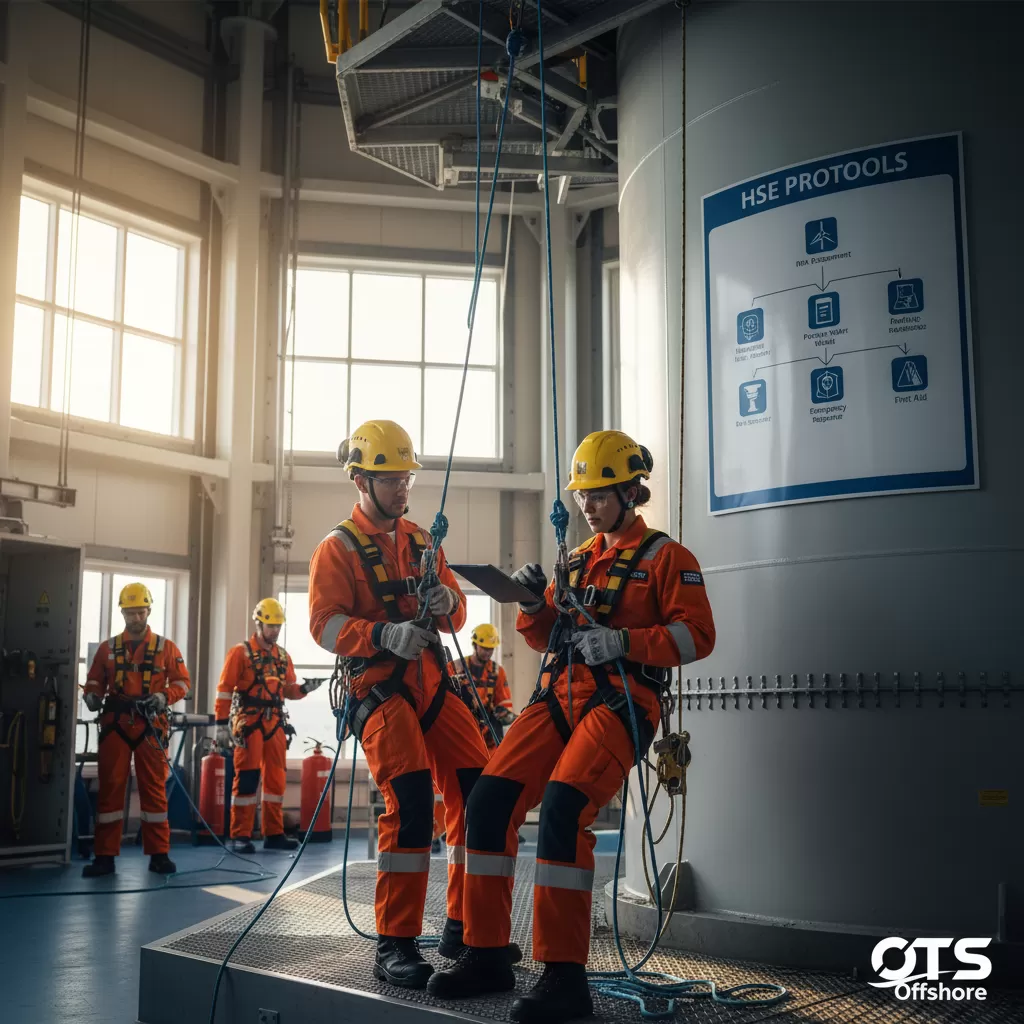
HSE Protocols: The Backbone of Offshore Safety Management
Health, Safety, and Environment (HSE) protocols are the comprehensive set of rules, procedures, and guidelines that govern all activities on an offshore installation. They are designed to prevent accidents, protect the health and well-being of personnel, and minimize the environmental impact of operations. A robust HSE management system is indispensable for any offshore operation, and its effectiveness hinges on consistent implementation and continuous improvement.
Key Components of an Effective HSE Protocol
An effective HSE protocol is multi-faceted, addressing various aspects of offshore operations to ensure a holistic approach to safety.
– Risk Assessment and Hazard Identification: This is the foundational step. Before any task is undertaken, a thorough risk assessment must be conducted to identify potential hazards and evaluate their associated risks. This involves understanding the specific dangers of the task, the environment, and the equipment involved.
– Safe Work Procedures (SWPs): Detailed, step-by-step procedures for carrying out specific tasks safely. SWPs are developed based on risk assessments and outline the necessary precautions, personal protective equipment (PPE), and equipment checks required.
– Permit-to-Work (PTW) Systems: For high-risk activities, a PTW system ensures that all necessary safety precautions are in place and authorized by competent personnel before work commences. This includes hot work permits, confined space entry permits, and work at height permits.
– Personal Protective Equipment (PPE): The selection and mandatory use of appropriate PPE is a critical aspect of HSE protocols. This can include hard hats, safety glasses, hearing protection, chemical-resistant gloves, safety footwear, fall arrest harnesses, and specialized respiratory protection, depending on the task.
– Emergency Preparedness and Response Plans: Detailed plans outlining procedures for responding to various emergencies, including fire, oil spills, medical emergencies, and evacuation. These plans are regularly reviewed, updated, and practiced through drills.
– Incident Reporting and Investigation: A culture of reporting all incidents, near misses, and unsafe conditions is crucial. Thorough investigation of these events helps to identify root causes and implement corrective actions to prevent recurrence.
– Environmental Protection Measures: HSE protocols also encompass measures to prevent pollution and minimize the environmental impact of operations, such as waste management, spill prevention and control, and emissions monitoring.
– Health Monitoring and Surveillance: Regular health checks and surveillance programs for offshore workers are important to monitor their well-being and identify any occupational health issues early.
The integration of GWO training with robust HSE protocols creates a synergistic effect, where trained technicians are empowered to actively participate in and uphold the established safety framework. This layered approach to Safety First: Training and management is what differentiates leading offshore operators.
Bridging the Gap: The Synergistic Relationship Between GWO Training and HSE Protocols
The true strength of an offshore safety program lies in the seamless integration of formal training, like that provided by GWO, and the practical application of HSE protocols. GWO training provides the theoretical knowledge and practical skills, while HSE protocols offer the structured framework and guidelines within which these skills are applied.
Practical Application of Safety First: Training in Daily Operations
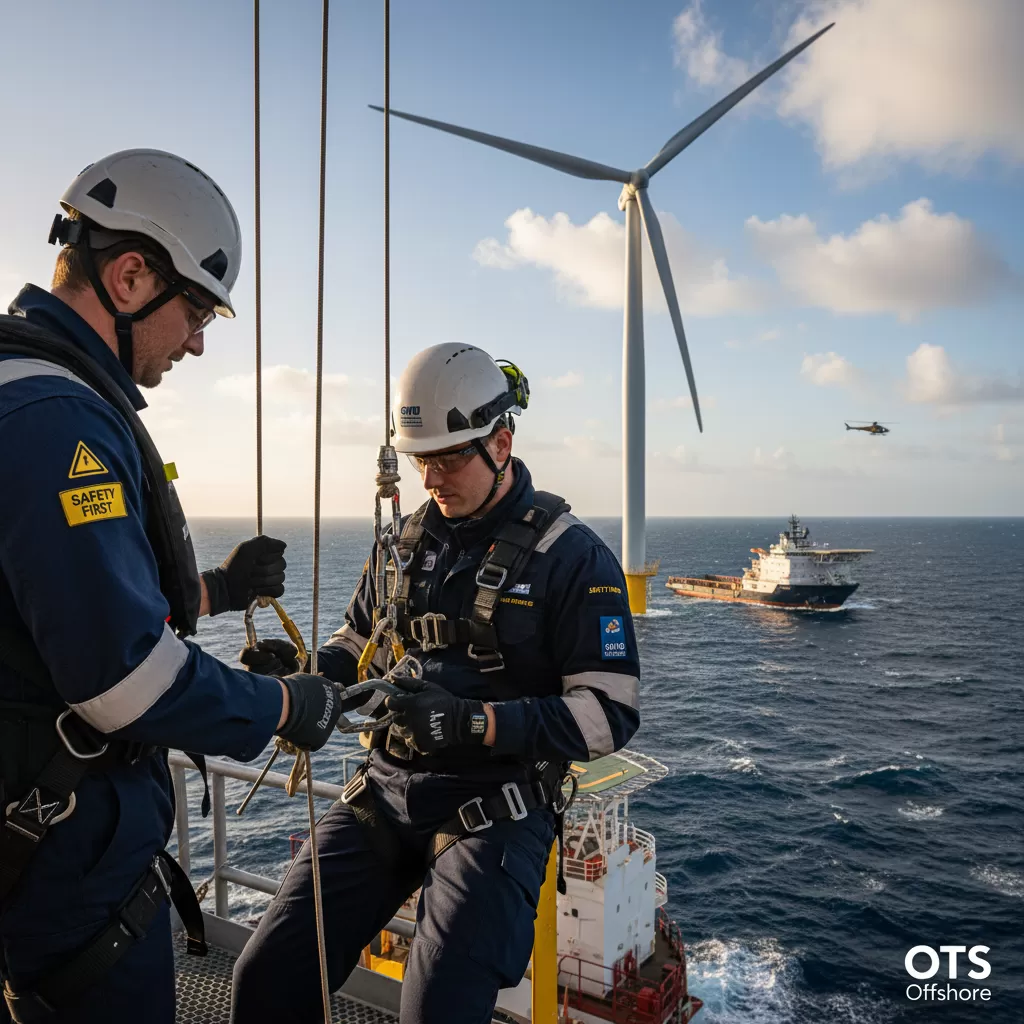
Consider a scenario where an offshore technician needs to perform maintenance at height. The GWO Working at Heights training has equipped them with the knowledge of fall arrest systems, safe climbing techniques, and emergency descent procedures. The site’s HSE protocol, through its Permit-to-Work system and Safe Work Procedures, mandates specific equipment checks, buddy system requirements, and weather condition assessments before work at height can commence. The technician, armed with both the training and the adherence to protocols, can confidently and safely execute the task.
– Hazard Recognition: A technician trained in GWO Fire Awareness will be more adept at spotting potential ignition sources or flammable materials. When combined with an HSE protocol that mandates regular housekeeping and strict control of hot work, the risk of a fire is significantly reduced.
– Emergency Response: During a simulated emergency drill, technicians who have undergone GWO Sea Survival training will be more likely to follow evacuation procedures correctly, know how to don an immersion suit efficiently, and assist colleagues, thereby enhancing the effectiveness of the site’s Emergency Response Plan.
– Incident Prevention: By understanding the principles of Manual Handling from GWO training, technicians are less likely to sustain injuries. This aligns with HSE protocols that promote safe lifting practices and the use of mechanical aids, creating a proactive environment that minimizes workplace accidents.
The synergy is evident: training makes individuals capable, and protocols ensure that capability is channeled effectively within a safe operational context. This is the essence of a mature safety culture where Safety First: Training is not an afterthought but an embedded principle.
The Vital Role of Continuous Improvement in Offshore Safety
The offshore environment is dynamic, with evolving technologies, changing operational demands, and potential for new or unforeseen hazards. Therefore, continuous improvement in both training and HSE protocols is not optional; it is a critical component of maintaining the highest safety standards.
Adapting to Evolving Offshore Challenges
– Training Updates: GWO periodically reviews and updates its training modules to reflect industry best practices and address emerging risks. Offshore companies must ensure their personnel receive these updated trainings promptly.
– Protocol Review and Revision: HSE protocols should be subject to regular review. This includes analyzing incident reports, near misses, and audit findings to identify areas for improvement. Feedback from technicians on the ground is invaluable in this process.
– Technological Advancements: New technologies in safety equipment, monitoring systems, and operational procedures require corresponding updates in both training and protocols. For instance, the introduction of advanced drone technology for inspections may necessitate new training modules and revised work procedures.
– Regulatory Changes: Offshore operations are governed by stringent national and international regulations. Companies must stay abreast of these changes and ensure their HSE protocols and training programs are compliant.
The proactive adaptation of Safety First: Training and HSE protocols ensures that offshore operations remain at the forefront of safety management, safeguarding personnel and the environment against the ever-present risks of the industry. This ongoing commitment to refinement is what truly embeds a culture of safety.
Cultivating a Strong Safety Culture: Beyond Compliance
While adherence to GWO standards and HSE protocols is essential, a truly safe offshore operation fosters a strong safety culture that permeates every level of the organization. This goes beyond mere compliance and involves instilling a deep-seated belief in the value of safety among all personnel.
Key Elements of a Robust Safety Culture
– Leadership Commitment: Visible and unwavering commitment from senior management is crucial. Leaders must not only advocate for safety but also actively participate in safety initiatives and hold themselves and others accountable.
– Open Communication: Encouraging open reporting of safety concerns, near misses, and incidents without fear of reprisal is vital. This allows for early identification and mitigation of risks.
– Employee Involvement: Actively involving technicians in the development and review of safety procedures and risk assessments ensures that protocols are practical and address real-world challenges.
– Continuous Learning and Development: Safety is an ongoing journey. Investing in continuous Safety First: Training and skill development ensures that the workforce remains competent and adaptable.
– Recognition and Reinforcement: Acknowledging and reinforcing safe behaviors and proactive safety contributions helps to embed safety as a core value.
A strong safety culture, built upon the foundation of comprehensive Safety First: Training and robust HSE protocols, is the most effective way to ensure that offshore operations are conducted with the utmost regard for the well-being of personnel and the integrity of the environment.