

Safety First: Training is paramount for offshore technicians, ensuring operational integrity and personnel well-being in high-risk environments. This comprehensive guide explores the critical role of GWO training and robust HSE protocols in mitigating hazards and fostering a culture of safety across the energy sector.
Safety First: Training and its Indispensable Role in Offshore Operations
The offshore energy industry, characterized by its inherently hazardous working conditions and complex technological operations, places an unparalleled emphasis on Safety First: Training. Offshore technicians are the frontline guardians of operational integrity, confronting environments where even minor oversights can lead to catastrophic consequences. Therefore, the rigorous implementation of Safety First: Training, embodied by Global Wind Organisation (GWO) standards and comprehensive Health, Safety, and Environment (HSE) protocols, is not merely a regulatory requirement but a fundamental prerequisite for sustainable and responsible energy production. This article delves into the multifaceted aspects of Safety First: Training for offshore technicians, examining the core tenets of GWO certification, the practical application of HSE management systems, and the overarching benefits derived from prioritizing safety in every operational facet. Understanding and internalizing these principles are vital for minimizing risks, preventing accidents, and safeguarding both human life and valuable assets in the demanding offshore landscape.
The Essential Pillars of GWO Training for Offshore Technicians
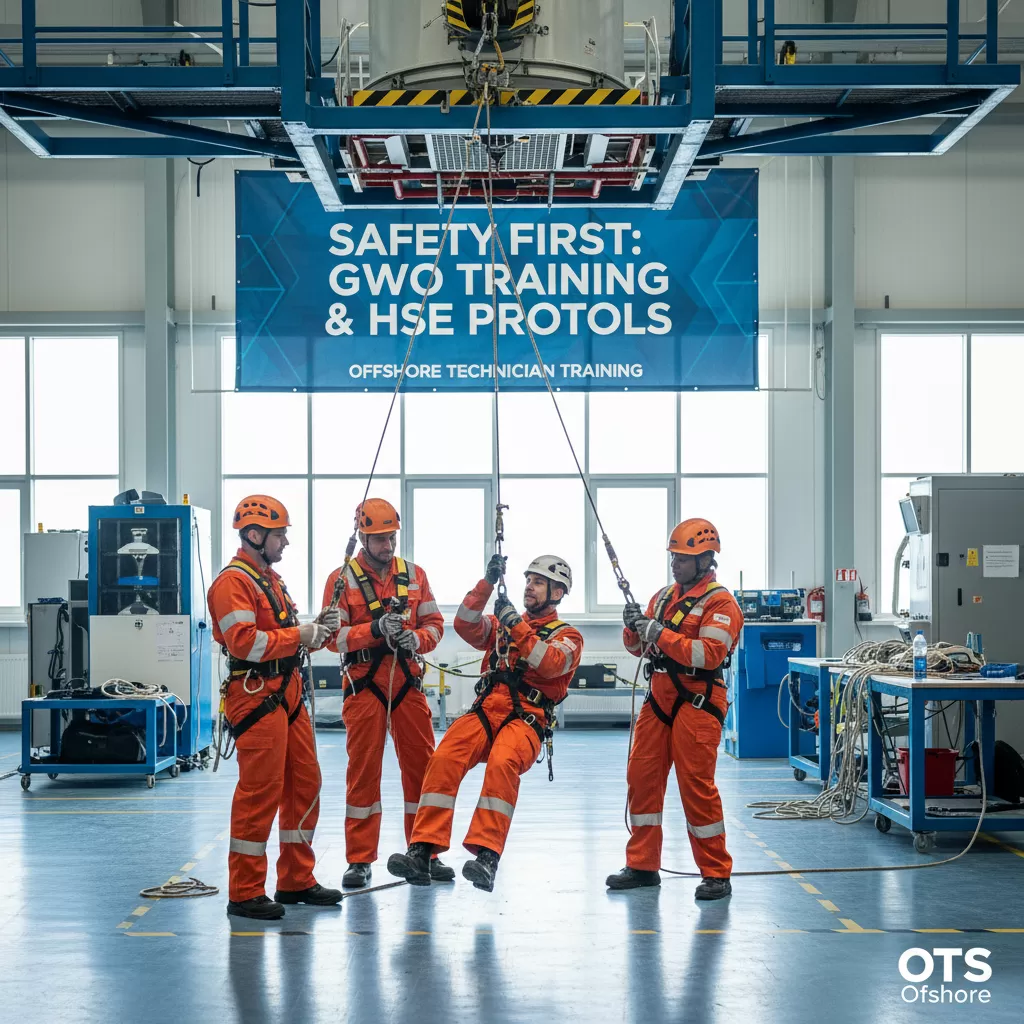
Global Wind Organisation (GWO) training represents a standardized, globally recognized framework designed to equip offshore personnel with the essential skills and knowledge to perform their duties safely and effectively. The commitment to Safety First: Training within the GWO structure addresses a spectrum of potential hazards prevalent in the offshore wind sector, as well as extending its influence to other offshore energy disciplines. These modules are meticulously crafted to provide practical, hands-on experience, ensuring technicians are prepared for a variety of emergency scenarios and routine operational challenges. The core modules, often referred to as the Basic Safety Training (BST), are foundational, but advanced and specialized training are also critical for specific roles.
Understanding the GWO Basic Safety Training (BST) Modules
The BST package is the cornerstone of GWO certification and is indispensable for anyone working offshore. Each module within BST addresses a specific critical safety area, providing technicians with the immediate skills needed to respond to emergencies and perform tasks with an elevated awareness of safety. The emphasis on Safety First: Training is evident in the practical, scenario-based learning integrated into each session.
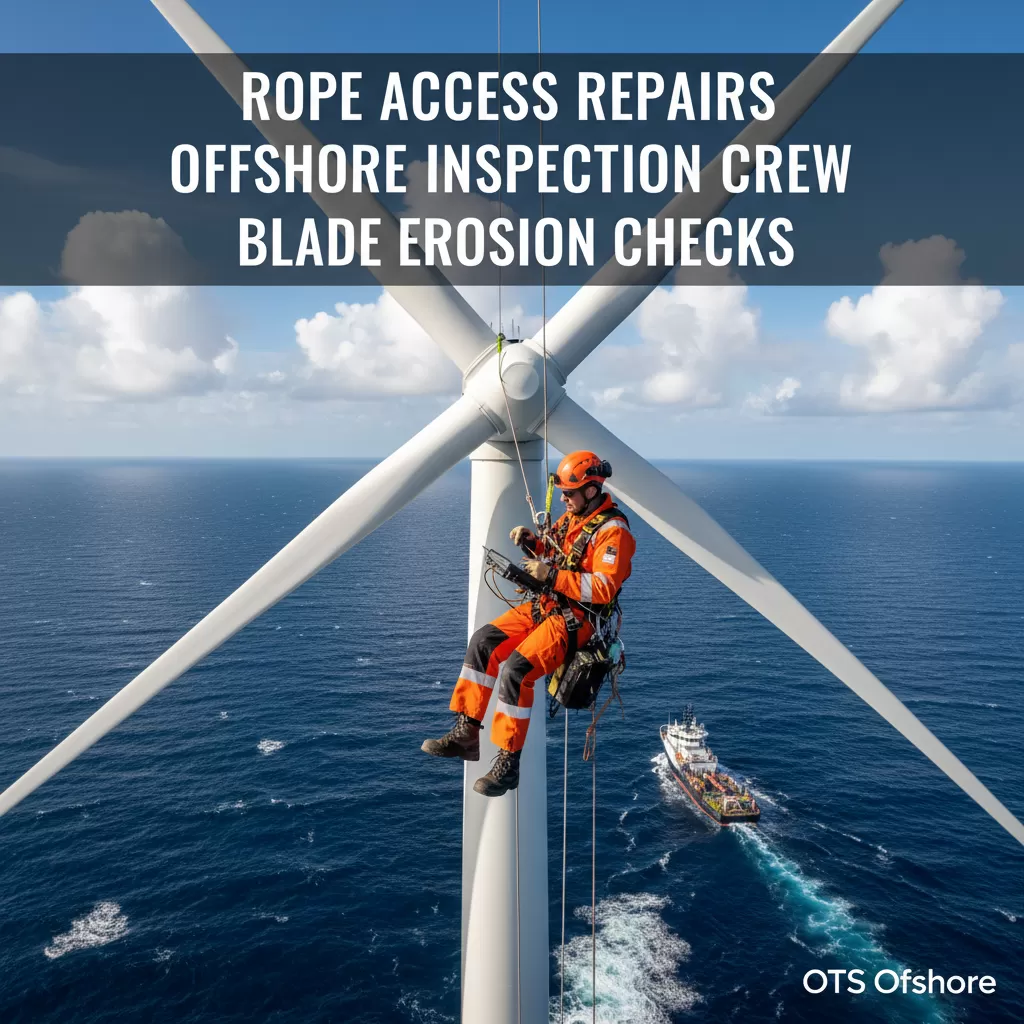
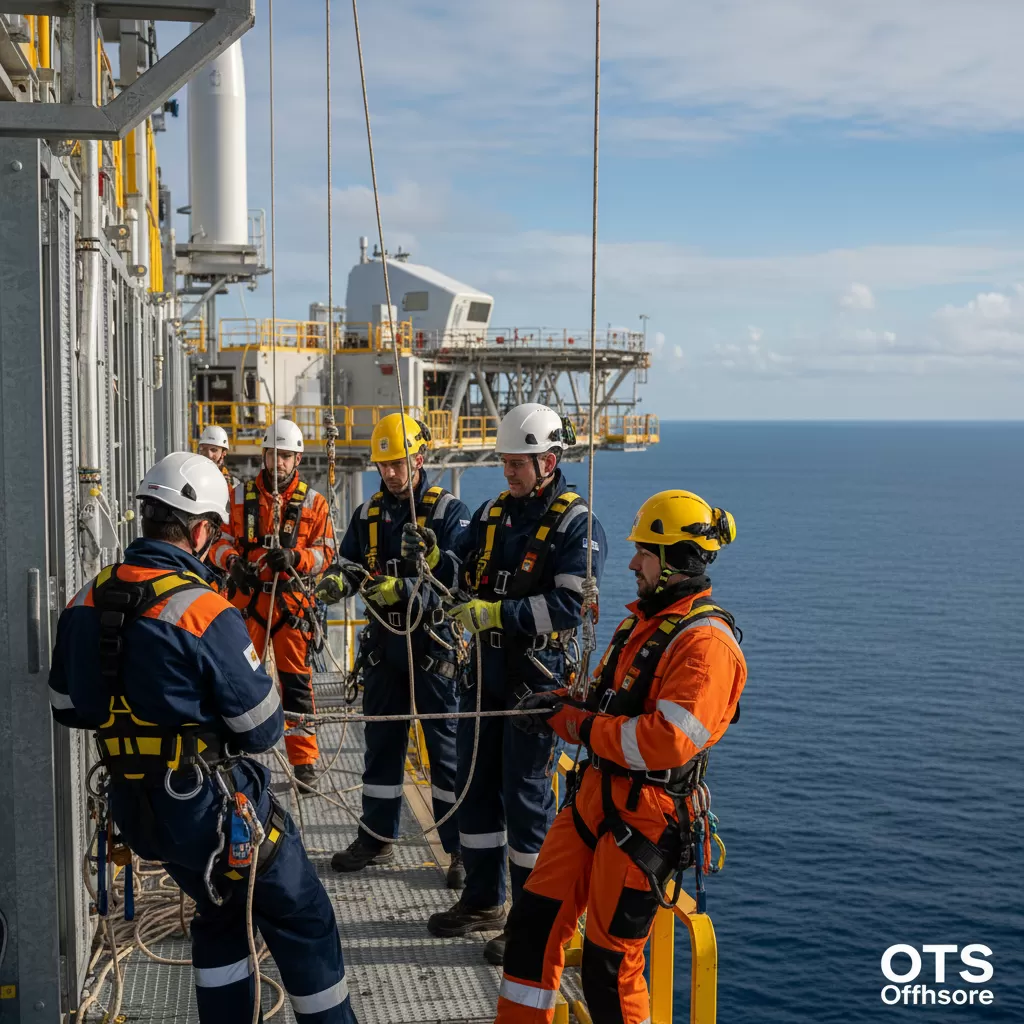
– Working at Height: This module is crucial for offshore technicians who frequently work at elevated positions. It covers safe climbing techniques, the use of fall arrest systems, rescue procedures, and emergency evacuation from heights. Participants learn to inspect and maintain their personal protective equipment (PPE) and understand the risks associated with working at height in dynamic offshore conditions, including wind and varying weather.
– Manual Handling: Offshore environments often involve the movement of heavy equipment and materials. The manual handling module focuses on correct lifting techniques, ergonomic principles, and the use of mechanical aids to prevent musculoskeletal injuries, a common issue in physically demanding roles. This training reinforces the concept of Safety First: Training by teaching proactive measures to avoid strain and injury.
– Fire Awareness: Understanding fire prevention and basic firefighting techniques is vital. This module educates technicians on common fire hazards offshore, the classification of fires, the use of fire extinguishers, and basic emergency response procedures in the event of a fire. It emphasizes early detection and immediate action to contain and manage small fires.
– First Aid: Providing immediate medical assistance is critical in remote offshore locations where professional medical help may be delayed. The GWO First Aid module equips technicians with the knowledge and skills to administer basic first aid, including cardiopulmonary resuscitation (CPR), treating common injuries such as cuts, burns, and fractures, and managing unconscious casualties. This is a direct application of Safety First: Training in critical situations.
– Sea Survival: For personnel working on vessels or transferring to offshore installations, proficiency in sea survival techniques is non-negotiable. This module covers the use of immersion suits, life rafts, life jackets, and other survival equipment, along with procedures for man overboard situations and emergency evacuation from vessels. It prepares technicians for the challenges of surviving in a marine environment.
Advanced and Specialized GWO Training
Beyond the BST, further specialized GWO training is available and often mandatory for specific roles and responsibilities. These courses build upon the foundational knowledge, providing deeper expertise in particular areas.
– GWO Advanced First Aid: This course offers a more in-depth understanding of advanced first aid techniques, including managing advanced trauma, administering oxygen, and understanding common offshore medical emergencies.
– GWO Basic Technical Training (BTT): For technicians involved in the installation and maintenance of wind turbines, BTT provides specific technical skills and safety awareness related to working on these complex structures, including electrical, mechanical, and hydraulic systems.
– GWO Enhanced First Aid: This advanced level training equips technicians with the skills to provide comprehensive medical care in remote and isolated environments, including advanced airway management and pharmacological interventions.
– GWO Working at Height Refresher: To maintain competency, GWO training requires periodic refreshers, especially for high-risk activities like working at height.
The consistent reinforcement of Safety First: Training principles through these varied modules ensures that offshore technicians possess a holistic understanding of risk management and emergency response.
HSE Protocols: The Operational Framework for Offshore Safety
While GWO training provides the individual competencies, robust Health, Safety, and Environment (HSE) protocols form the overarching framework that governs safe operations in the offshore sector. These protocols are designed to systematically identify, assess, and control risks, ensuring that Safety First: Training is not just a training program but an ingrained operational philosophy. Effective HSE management systems are dynamic, continuously evolving to incorporate lessons learned, technological advancements, and regulatory changes.
Key Components of an Effective Offshore HSE Management System
A well-structured HSE management system is the bedrock of a strong safety culture. It provides clear guidelines, procedures, and responsibilities for all personnel involved in offshore activities.
– Risk Assessment and Hazard Identification: This is the foundational step in any HSE protocol. It involves systematically identifying potential hazards associated with specific tasks, equipment, and the offshore environment itself. Techniques like Job Safety Analysis (JSA) and Hazard and Operability Studies (HAZOP) are commonly employed. The output of these assessments directly informs the content and focus of Safety First: Training.
– Permit-to-Work Systems: These systems ensure that high-risk activities are authorized, planned, and executed under strict controls. Permits are issued for specific tasks, outlining the necessary safety precautions, required PPE, and authorized personnel. This mechanism is a practical implementation of Safety First: Training principles.
– Incident Reporting and Investigation: A culture that encourages the reporting of all incidents, near misses, and unsafe conditions is crucial. Thorough investigations aim to identify root causes, not just immediate factors, to prevent recurrence. Lessons learned from these investigations are fed back into training programs and operational procedures, further strengthening Safety First: Training.
– Emergency Preparedness and Response Plans: Comprehensive plans are developed for various emergency scenarios, including fires, explosions, man overboard situations, medical emergencies, and severe weather. These plans are regularly drilled and tested to ensure personnel are proficient in their roles. The GWO Sea Survival and First Aid modules directly support these plans.
– Management of Change (MOC): Any proposed changes to equipment, procedures, or personnel must undergo a rigorous MOC process to assess potential safety impacts. This ensures that new risks introduced by changes are identified and managed before implementation, reinforcing Safety First: Training for new or altered scenarios.
– Auditing and Review: Regular internal and external audits of HSE systems and practices are conducted to ensure compliance and identify areas for improvement. These audits provide an independent assessment of the effectiveness of Safety First: Training and HSE protocols.
Promoting a Proactive Safety Culture
Beyond formal protocols, fostering a proactive safety culture is perhaps the most critical element. This involves creating an environment where every individual feels responsible for their own safety and the safety of their colleagues.
– Leadership Commitment: Strong commitment from senior management is essential. When leaders visibly prioritize safety, it sets the tone for the entire organization. This includes allocating resources for Safety First: Training and actively participating in safety initiatives.
– Employee Involvement: Engaging employees at all levels in safety discussions, risk assessments, and incident investigations is vital. Their practical experience provides invaluable insights.
– Communication and Awareness: Clear and consistent communication about safety policies, procedures, and lessons learned is crucial. Safety meetings, toolbox talks, and visual aids play a significant role.
– Continuous Improvement: The pursuit of excellence in safety is an ongoing journey. Regularly reviewing performance, seeking feedback, and implementing improvements based on new knowledge and experiences are key to maintaining high standards of Safety First: Training and operations.
The Profound Impact of Prioritizing Safety First: Training for Offshore Technicians
The unwavering commitment to Safety First: Training and robust HSE protocols yields a multitude of benefits that extend far beyond mere compliance. These advantages permeate every aspect of offshore operations, contributing to enhanced efficiency, reduced costs, and a more sustainable industry. The investment in Safety First: Training is an investment in the long-term success and viability of offshore energy projects.
Enhancing Operational Efficiency and Productivity
A well-trained workforce is an efficient workforce. When technicians are confident in their ability to handle potential hazards and emergencies, they can focus on their tasks without undue apprehension. This leads to fewer disruptions, reduced downtime, and improved overall productivity.
– Reduced Accidents and Incidents: The most direct benefit is the significant reduction in workplace accidents and incidents. This not only protects personnel but also prevents costly equipment damage and operational delays.
– Improved Morale and Retention: A workplace that prioritizes safety fosters a sense of security and value among employees. This leads to higher morale, increased job satisfaction, and ultimately, better employee retention rates, reducing the costs associated with recruitment and training new staff.
– Streamlined Operations: Clear safety procedures and well-rehearsed emergency plans ensure that operations are conducted in a systematic and predictable manner, minimizing unforeseen complications.
Mitigating Financial and Reputational Risks
The financial implications of safety failures in the offshore sector can be astronomical. Accidents can lead to significant compensation claims, litigation, fines, and costly repairs. Furthermore, a poor safety record can severely damage an organization’s reputation.
– Cost Savings: Preventing accidents directly translates into cost savings related to medical expenses, lost workdays, equipment repair, and potential legal liabilities.
– Insurance Premium Reductions: Organizations with excellent safety records often benefit from lower insurance premiums, reflecting a reduced risk profile.
– Enhanced Reputation: A strong commitment to Safety First: Training and HSE excellence enhances an organization’s reputation among clients, regulators, and the wider community, attracting talent and business opportunities.
Protecting Personnel and the Environment
Ultimately, the most critical benefit of prioritizing Safety First: Training is the protection of human life and the environment. Offshore work is inherently dangerous, and ensuring that every technician is equipped with the necessary skills and knowledge to stay safe is a moral imperative.
– Safeguarding Workforce Well-being: The primary goal is to ensure that every technician returns home safely at the end of their tour of duty. GWO training and HSE protocols are designed to achieve this fundamental objective.
– Environmental Protection: Many offshore operations carry environmental risks, such as oil spills or hazardous material releases. Robust HSE protocols, informed by comprehensive training, are essential for preventing such occurrences and responding effectively if they do happen, thereby safeguarding the marine ecosystem.
– Regulatory Compliance: Adherence to stringent safety regulations is not only a legal requirement but also a demonstration of an organization’s commitment to responsible operations.
The integration of GWO training standards with comprehensive HSE protocols creates a powerful synergy, ensuring that offshore technicians are not only technically competent but also exceptionally prepared to navigate the inherent risks of their demanding profession. The continuous investment in Safety First: Training is an ongoing commitment that underpins the resilience, sustainability, and ethical operation of the global offshore energy sector.