

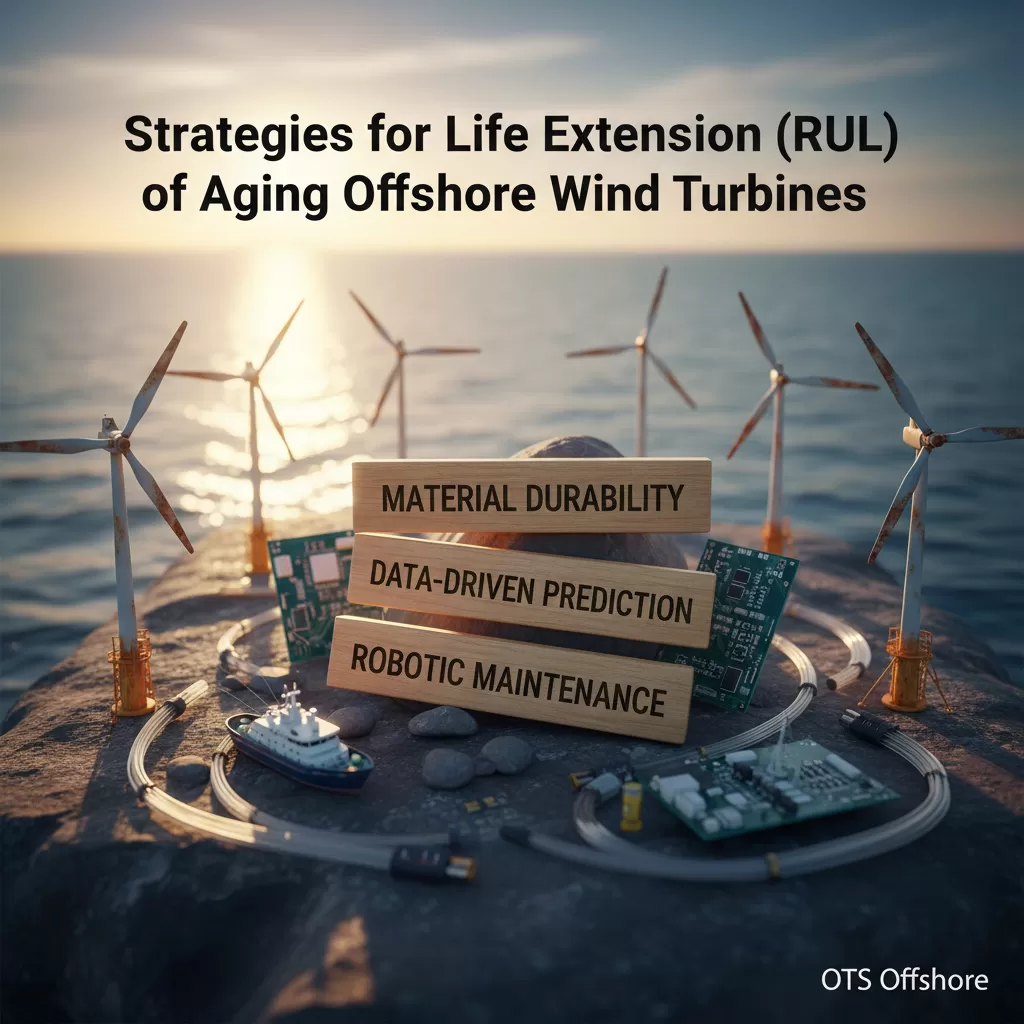
Strategies Life Extension, particularly for aging offshore wind turbines, is becoming increasingly crucial as the global renewable energy sector matures. This article delves into the multifaceted strategies employed to maximize the operational lifespan and economic viability of these complex marine structures. It explores innovative approaches in maintenance, component assessment, and technological upgrades, all aimed at extending the residual useful life of offshore wind assets and ensuring continued clean energy generation.
Strategies for Life Extension of Aging Offshore Wind Turbines
The burgeoning offshore wind sector, a cornerstone of global decarbonization efforts, is now confronting a significant challenge: the aging of its installed turbine fleet. As turbines installed in the early phases of offshore wind development approach the end of their initial design life, operators face critical decisions. Replacing these assets represents a substantial capital expenditure and a potential disruption to established energy generation. Therefore, robust Strategies for Life Extension (RUL) are paramount. This shift from a “replace-when-broken” mentality to a proactive, data-driven approach to asset longevity is redefining the operational economics and sustainability of offshore wind farms. Implementing effective Strategies for Life Extension not only postpones costly decommissioning and repowering but also unlocks new revenue streams through extended operational periods, thereby maximizing the return on initial investments and contributing to energy security. This comprehensive exploration will detail the critical elements and advanced methodologies that underpin successful Strategies for Life Extension for offshore wind turbines, offering insights into predictive maintenance, structural integrity management, component upgrades, and the role of digital technologies.
Understanding the Aging Process in Offshore Wind Turbines
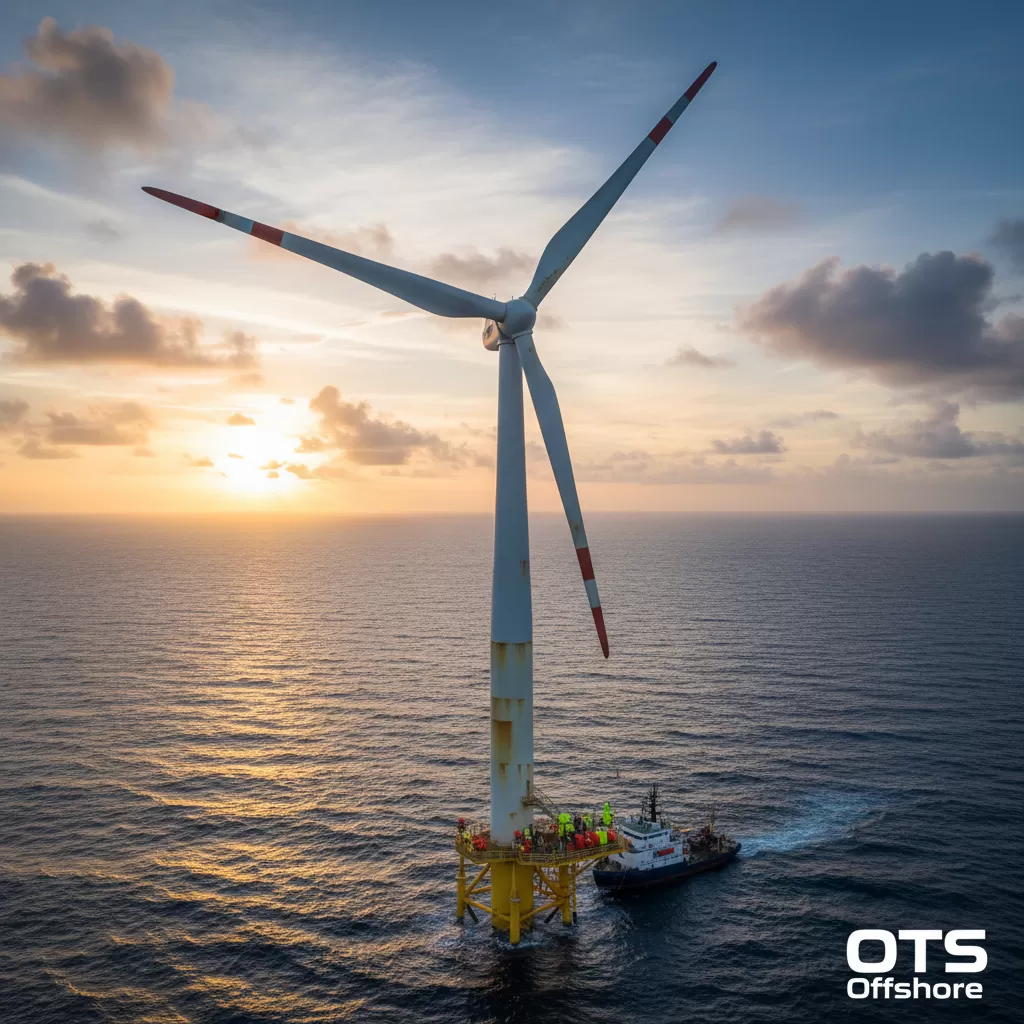
Offshore wind turbines operate in some of the harshest environments on Earth. The relentless combination of corrosive saltwater, high winds, extreme wave action, and UV radiation subjects turbine components to significant stress and degradation. This accelerated aging process affects various critical systems, from the foundation and tower to the drivetrain, blades, and electrical systems. Understanding the specific degradation mechanisms is the first step in formulating effective Strategies for Life Extension.
Foundation and Structural Integrity
The substructure, whether monopile, jacket, or gravity-based, bears the brunt of the environmental loads. Corrosion is a primary concern, exacerbated by the splash zone and subsea environments. Fatigue cracking, particularly at welding seams and interfaces, can compromise structural integrity. Scour around the foundation can also undermine stability. Assessing the extent of corrosion, monitoring for fatigue accumulation, and implementing protective measures like cathodic protection or advanced coating systems are vital for extending the life of the foundation. Non-destructive testing (NDT) methods, such as ultrasonic testing and magnetic particle inspection, play a crucial role in identifying early signs of damage.
The Turbine Drivetrain and Electrical Systems
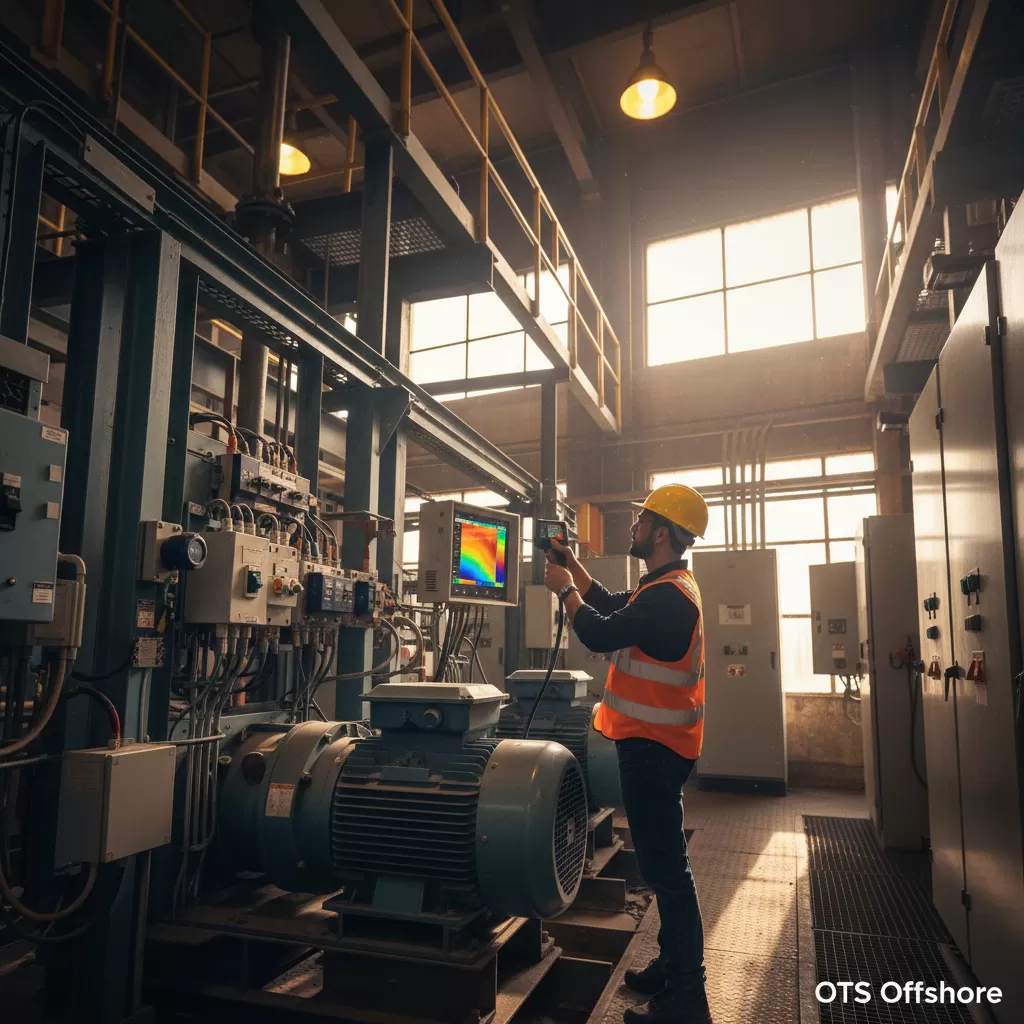
The gearbox, bearings, and generator within the drivetrain are subject to continuous mechanical stress and thermal cycling. Oil degradation, ingress of contaminants, and wear on moving parts can lead to premature failure. Similarly, the electrical systems, including power converters, transformers, and cabling, can degrade due to voltage fluctuations, thermal stress, and moisture ingress. Regular condition monitoring, including vibration analysis, oil sampling, and thermography, is essential for detecting anomalies. Predictive maintenance strategies, utilizing historical data and machine learning algorithms, can forecast potential failures, allowing for timely intervention and component refurbishment or replacement as part of broader Strategies for Life Extension.
Blade Degradation and Performance Degradation
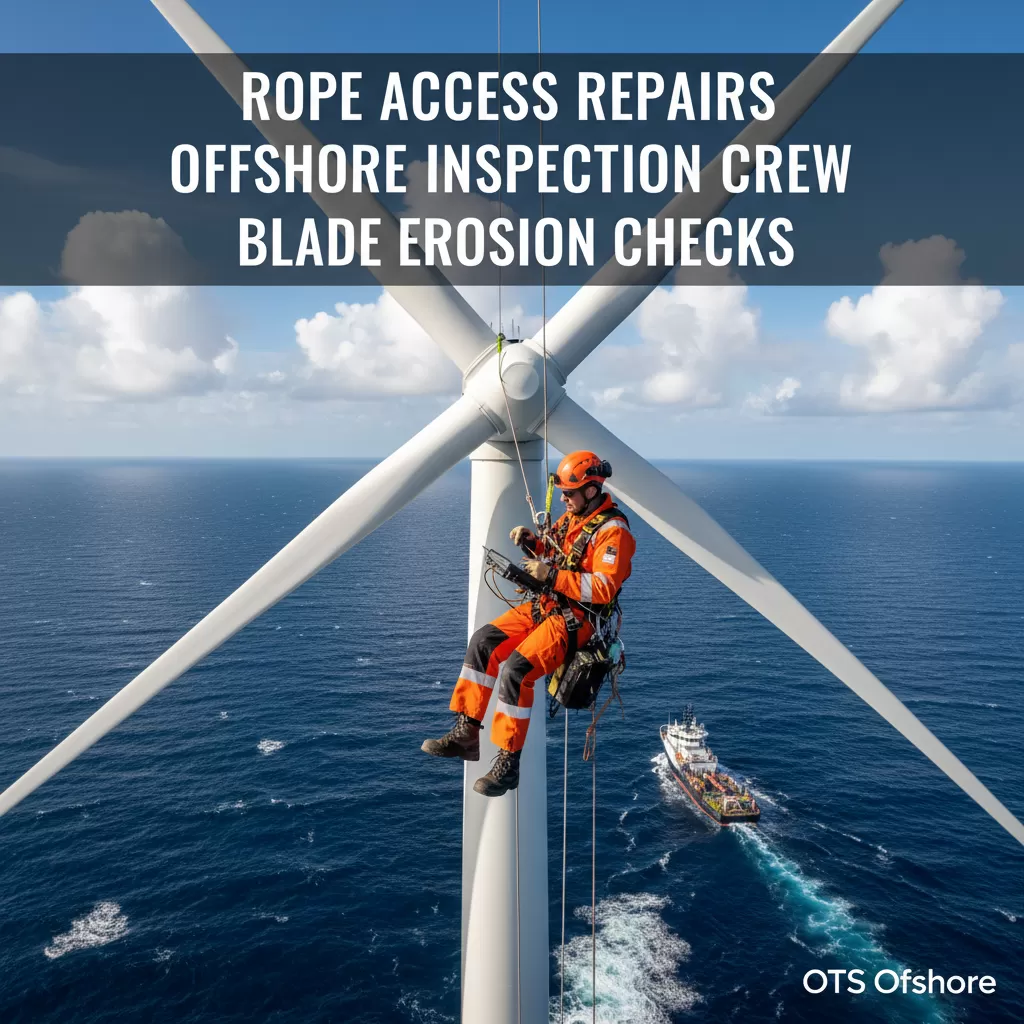
Wind turbine blades, typically made of composite materials, are susceptible to erosion from rain, hail, and sand particles, as well as lightning strikes and fatigue damage. Leading-edge erosion can significantly reduce aerodynamic efficiency and increase loads on the entire structure. Visual inspections, drone-based imaging, and acoustic emission monitoring are used to detect cracks, delamination, and surface damage. Repair strategies, including aerodynamic enhancements and leading-edge protection, can restore performance and prevent further degradation, thus contributing to extended operational Strategies for Life Extension.
Key Strategies for Life Extension
The effective implementation of Strategies for Life Extension relies on a holistic approach that integrates advanced technologies, sophisticated data analysis, and proactive maintenance philosophies.
1. Enhanced Condition Monitoring and Predictive Maintenance
– Proactive identification of potential failures before they occur is fundamental.
– Advanced sensor networks deployed on turbines capture real-time data on vibration, temperature, strain, oil quality, and electrical parameters.
– Data analytics platforms, powered by machine learning and artificial intelligence, process this vast dataset to identify subtle anomalies and predict component failure.
– This allows for scheduled maintenance interventions, optimizing resource allocation and minimizing unscheduled downtime.
– For instance, analyzing vibration patterns in a gearbox can predict bearing wear, enabling proactive replacement during a planned shutdown.
2. Structural Integrity Management Programs
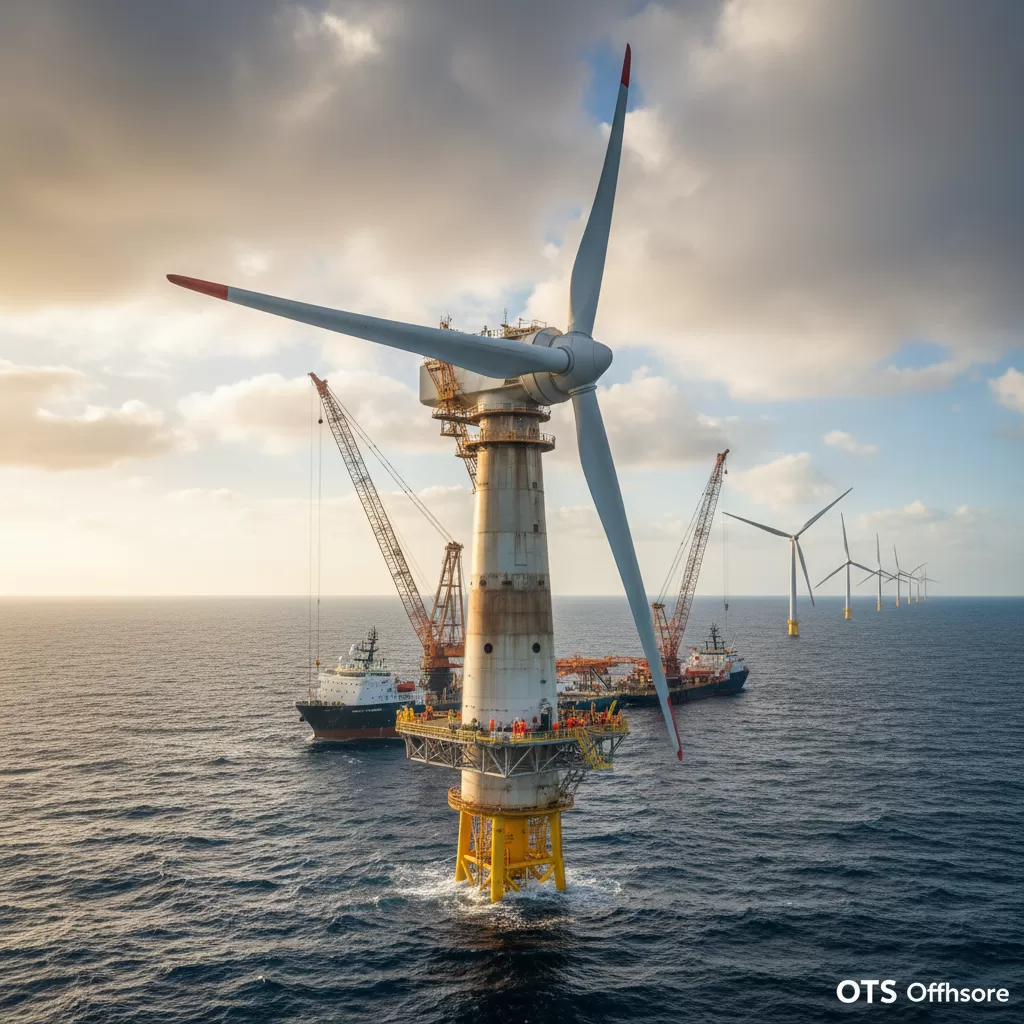
– Comprehensive programs are designed to assess and maintain the physical integrity of the offshore wind turbine structure.
– This includes regular inspections using remotely operated vehicles (ROVs) for subsea components and drones for aerial surveys.
– Finite element analysis (FEA) is used to model stress and fatigue accumulation under varying environmental conditions.
– Repair strategies for foundational elements may involve scour protection, crack repair, and the application of advanced anti-corrosion coatings.
– For towers, monitoring for fatigue cracks at critical joints and weldments is paramount.
3. Component Refurbishment and Upgrade Pathways
– Instead of full replacement, many components can be refurbished or upgraded to extend their service life.
– Drivetrain components like gearboxes and bearings can be overhauled, with worn parts replaced and upgraded materials utilized for enhanced durability.
– Electrical components, such as power converters, may be retrofitted with newer, more efficient, and reliable technologies.
– Blade refurbishment, including leading-edge repairs and erosion protection, is a common strategy to restore aerodynamic performance and prevent further damage.
– These upgrades can also incorporate performance enhancements, leading to increased energy capture.
4. Data-Driven Decision Making and Digital Twins
– The digital transformation is revolutionizing Strategies for Life Extension.
– Digital twins, virtual replicas of physical assets, allow for the simulation of various operational scenarios and the impact of different maintenance strategies.
– By integrating real-time operational data with historical performance, operators can make informed decisions about when and how to intervene.
– These digital models can predict the remaining useful life (RUL) of components with greater accuracy.
– This leads to optimized maintenance schedules and capital expenditure planning, ensuring the most cost-effective approach to extending turbine life.
5. Material Science Innovations and Enhanced Protective Systems
– Advances in material science are crucial for developing more resilient components and protective systems.
– High-performance composites for blades are being engineered for increased fatigue resistance and reduced susceptibility to erosion.
– Advanced coatings and cathodic protection systems offer superior corrosion resistance in the harsh marine environment.
– Novel materials for bearings and seals can withstand higher loads and temperatures, extending their operational lifespan.
– The development of self-healing materials is also an area of research that could significantly impact future Strategies for Life Extension.
The Role of Advanced Analytics in RUL Strategies
The application of sophisticated data analytics, including machine learning and artificial intelligence, is transforming how offshore wind farm operators approach asset management and Strategies for Life Extension. These technologies enable a shift from reactive maintenance to predictive and prescriptive maintenance, significantly improving operational efficiency and reducing costs.
Machine Learning for Anomaly Detection
– Machine learning algorithms can analyze vast datasets from SCADA (Supervisory Control and Data Acquisition) systems, condition monitoring sensors, and maintenance records.
– These algorithms are trained to identify patterns indicative of impending failures. For example, subtle deviations in vibration signatures or temperature profiles can signal the early stages of bearing wear or gearbox issues.
– By detecting these anomalies at an early stage, operators can schedule maintenance before a catastrophic failure occurs, minimizing downtime and costly emergency repairs.
– This proactive approach is a cornerstone of effective Strategies for Life Extension.
Predictive Modeling for Remaining Useful Life (RUL)
– Beyond detecting anomalies, machine learning models can estimate the Remaining Useful Life (RUL) of critical components.
– By considering factors such as operational history, environmental conditions, and observed degradation trends, these models provide a probabilistic forecast of component lifespan.
– This RUL estimation allows for more accurate planning of component replacement or refurbishment, optimizing inventory management and maintenance scheduling.
– It also informs decisions about whether extending the life of a component is economically viable or if replacement is the more prudent option within the broader Strategies for Life Extension.
Prescriptive Maintenance Recommendations
– The most advanced analytics platforms can go beyond prediction to offer prescriptive maintenance recommendations.
– Based on the predicted RUL and potential failure modes, these systems suggest specific maintenance actions, optimal timing, and necessary parts.
– For instance, a system might recommend a specific type of lubrication for a gearbox bearing based on its current condition and expected operational load to maximize its remaining life.
– This level of actionable insight empowers maintenance teams to make the most effective interventions, truly enhancing the effectiveness of Strategies for Life Extension.
Challenges and Opportunities in Implementing Life Extension Strategies
While the benefits of extending the life of offshore wind turbines are clear, several challenges must be addressed to successfully implement these Strategies for Life Extension.
1. Data Acquisition and Quality
– The effectiveness of data-driven Strategies for Life Extension hinges on the quality and availability of data.
– Ensuring robust sensor deployment, accurate data logging, and standardized data formats across different turbine models and manufacturers is crucial.
– Addressing data gaps and ensuring data integrity are ongoing challenges in the industry.
2. Regulatory and Certification Frameworks
– Extending the operational life of turbines often requires compliance with updated safety regulations and certification standards.
– Developing clear frameworks for assessing and certifying the extended life of offshore wind assets is essential for investor confidence and regulatory approval.
– This involves rigorous technical validation and demonstration of continued safety and performance.
3. Economic Viability and Investment Models
– The decision to invest in life extension programs must be economically sound.
– Detailed techno-economic analyses are required to compare the cost of life extension with the cost of repowering or decommissioning and new build.
– Innovative financing models and risk-sharing mechanisms are needed to encourage investment in these longer-term asset management strategies.
4. Integration of New Technologies
– The offshore wind industry is rapidly evolving, with new technologies constantly emerging.
– Integrating these new technologies, such as advanced robotics for inspection and repair or more efficient power electronics, into existing life extension programs can be complex.
– A flexible and adaptive approach is necessary to capitalize on technological advancements.
5. Skills and Workforce Development
– Implementing advanced Strategies for Life Extension requires a skilled workforce.
– Training and upskilling technicians and engineers in areas such as data analytics, predictive maintenance, and advanced repair techniques are critical.
– The development of specialized expertise is vital for the long-term success of offshore wind asset management.
The opportunities presented by successful Strategies for Life Extension are significant. They include reduced levelized cost of energy (LCOE), extended asset utilization, increased profitability, and a more sustainable contribution to the energy transition. By embracing these strategies, the offshore wind industry can continue to deliver clean, reliable power for decades to come, maximizing the value of its existing infrastructure.