

Strategies Life Extension for aging offshore wind turbines is critical for maximizing asset value and ensuring sustainable energy production. This article delves into effective methodologies and advanced techniques employed within the oil and gas, and energy sectors to extend the operational lifespan of these complex structures.
Key Strategies for Life Extension of Aging Offshore Wind Turbines
The imperative to extend the operational life of aging offshore wind turbines has become a paramount concern within the renewable energy sector. As initial generations of wind farms approach their designed decommissioning dates, operators and asset managers are increasingly exploring robust Strategies for Life Extension (RUL). This proactive approach not only safeguards significant capital investments but also contributes to the global decarbonization agenda by maintaining a crucial source of clean energy. The oil and gas industry, with its decades of experience in managing high-value, long-lifespan offshore assets, provides a rich tapestry of lessons learned and transferable technologies that are directly applicable to enhancing the resilience and longevity of offshore wind infrastructure. Implementing comprehensive Strategies for Life Extension requires a multi-faceted approach, encompassing advanced inspection techniques, predictive maintenance, component upgrades, and a deep understanding of fatigue and degradation mechanisms inherent in the harsh marine environment. This exploration will detail the most impactful Strategies for Life Extension, focusing on their practical application and the tangible benefits they deliver.
The Economic and Environmental Imperative for Life Extension Strategies
The economic rationale behind extending the operational life of offshore wind turbines is compelling. Decommissioning an offshore wind farm involves substantial costs, including removal of turbines, foundations, and subsea cables, as well as site remediation. Conversely, extending the operational lifespan through effective Strategies for Life Extension allows operators to continue generating revenue from these assets for an additional period, thereby maximizing return on investment. This financial benefit is amplified by the declining cost of offshore wind power generation, making continued operation of existing turbines more economically attractive than investing in entirely new renewable energy sources in many cases.
Beyond the direct financial gains, the environmental implications of these Strategies for Life Extension are profound. Each year an operational offshore wind turbine continues to generate electricity, it displaces a proportional amount of fossil fuel-based power generation, leading to a reduction in greenhouse gas emissions. This contribution to climate change mitigation is a critical component of global sustainability goals. Furthermore, the manufacturing and installation of new wind turbines carry their own significant carbon footprint. By prolonging the life of existing turbines, we reduce the need for new manufacturing, thereby minimizing the overall environmental impact associated with the wind energy lifecycle. This holistic view underscores the importance of investing in sophisticated Strategies for Life Extension.
Minimizing Carbon Footprint Through Extended Operations
The direct correlation between extended turbine operation and reduced carbon emissions is a primary driver for adopting advanced Strategies for Life Extension. Every megawatt-hour (MWh) generated by an operational wind turbine effectively offsets the need to generate that same amount of energy from sources that release carbon dioxide and other pollutants. For offshore wind farms that have been operating for over a decade, the cumulative carbon emission avoidance is substantial. By implementing effective Strategies for Life Extension, this positive environmental impact is amplified, potentially for another 10 to 20 years or more. This sustained contribution to a cleaner energy mix is invaluable in the global fight against climate change.
Maximizing Return on Investment (ROI)
Capital expenditure on offshore wind farms represents a significant investment. The lifespan of these assets is a critical factor in determining their overall profitability. By successfully implementing Strategies for Life Extension, operators can significantly increase the revenue-generating period of their turbines, leading to a higher cumulative return on the initial investment. This can be achieved through reduced operational costs associated with proactive maintenance and component refurbishment, as opposed to the capital-intensive nature of decommissioning and repowering. The economic advantages are multifaceted, impacting both short-term operational budgets and long-term shareholder value.
Advanced Inspection and Monitoring Techniques for RUL
The foundation of any successful Strategies for Life Extension program lies in a thorough understanding of the current condition of the wind turbine and its components. This necessitates the deployment of advanced inspection and monitoring techniques that go beyond traditional visual inspections.
Non-Destructive Testing (NDT) for Structural Integrity
Non-Destructive Testing (NDT) methods are crucial for assessing the integrity of critical structural components, such as the turbine tower, foundation, and blades, without causing damage. Techniques like ultrasonic testing (UT) are employed to detect internal flaws, cracks, and delaminations within materials. Eddy current testing (ECT) is effective for identifying surface and near-surface defects in conductive materials. Magnetic particle testing (MPT) and liquid penetrant testing (LPT) are used for detecting surface cracks in ferromagnetic and non-ferromagnetic materials, respectively. These NDT methods provide invaluable data for assessing the remaining useful life of components and for identifying areas requiring targeted intervention as part of a comprehensive Strategies for Life Extension plan.
Vibration Analysis and Condition Monitoring Systems (CMS)
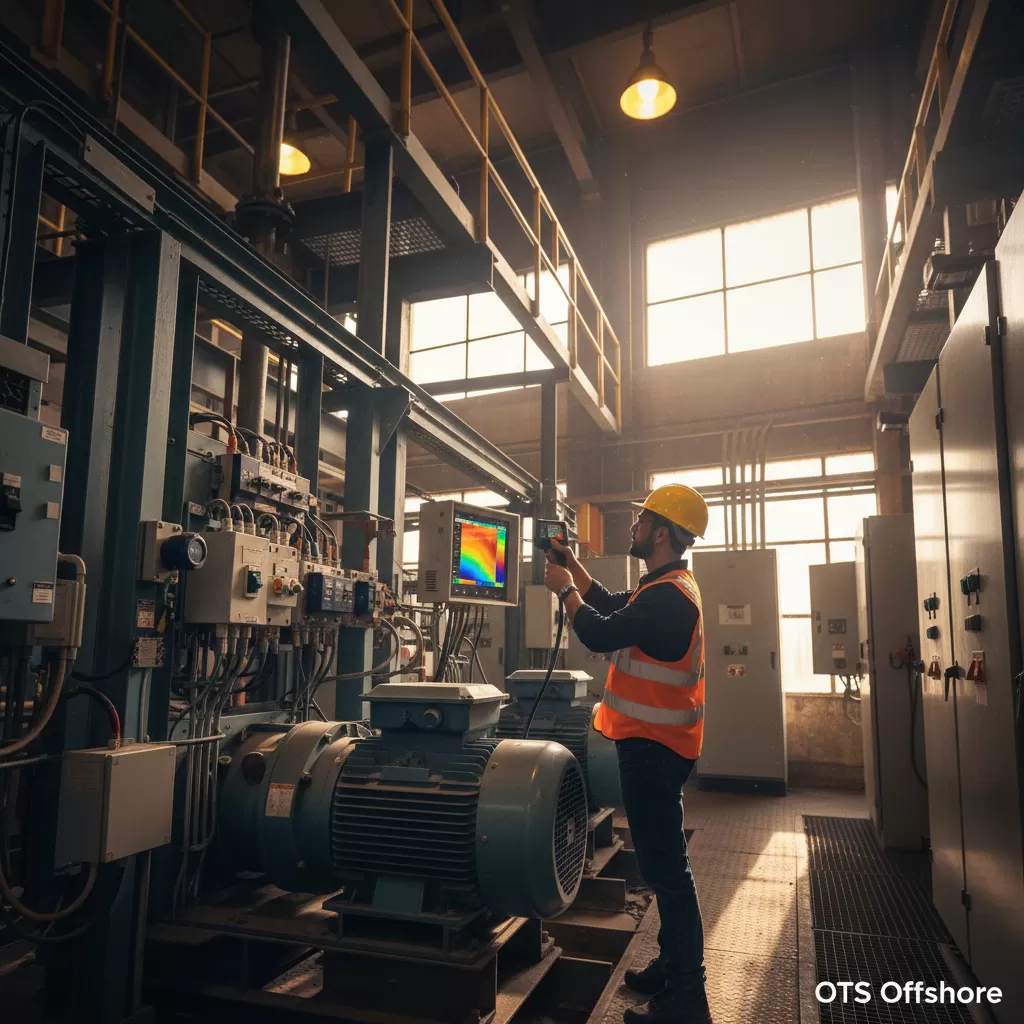
Vibration analysis is a cornerstone of predictive maintenance and a vital component of effective Strategies for Life Extension. By monitoring the vibration signatures of rotating machinery, such as the gearbox, generator, and bearings, anomalies can be detected in their early stages. Unusual vibration patterns often indicate wear, imbalance, misalignment, or impending failure. Condition Monitoring Systems (CMS) integrate sensors that continuously collect data on vibration, temperature, oil debris, and other operational parameters. Advanced algorithms then analyze this data to detect deviations from normal operating conditions, allowing for scheduled maintenance before catastrophic failure occurs. This shift from reactive to proactive maintenance is central to extending the operational life of offshore wind turbines.
Drone-Based Inspections and Automated Data Analysis
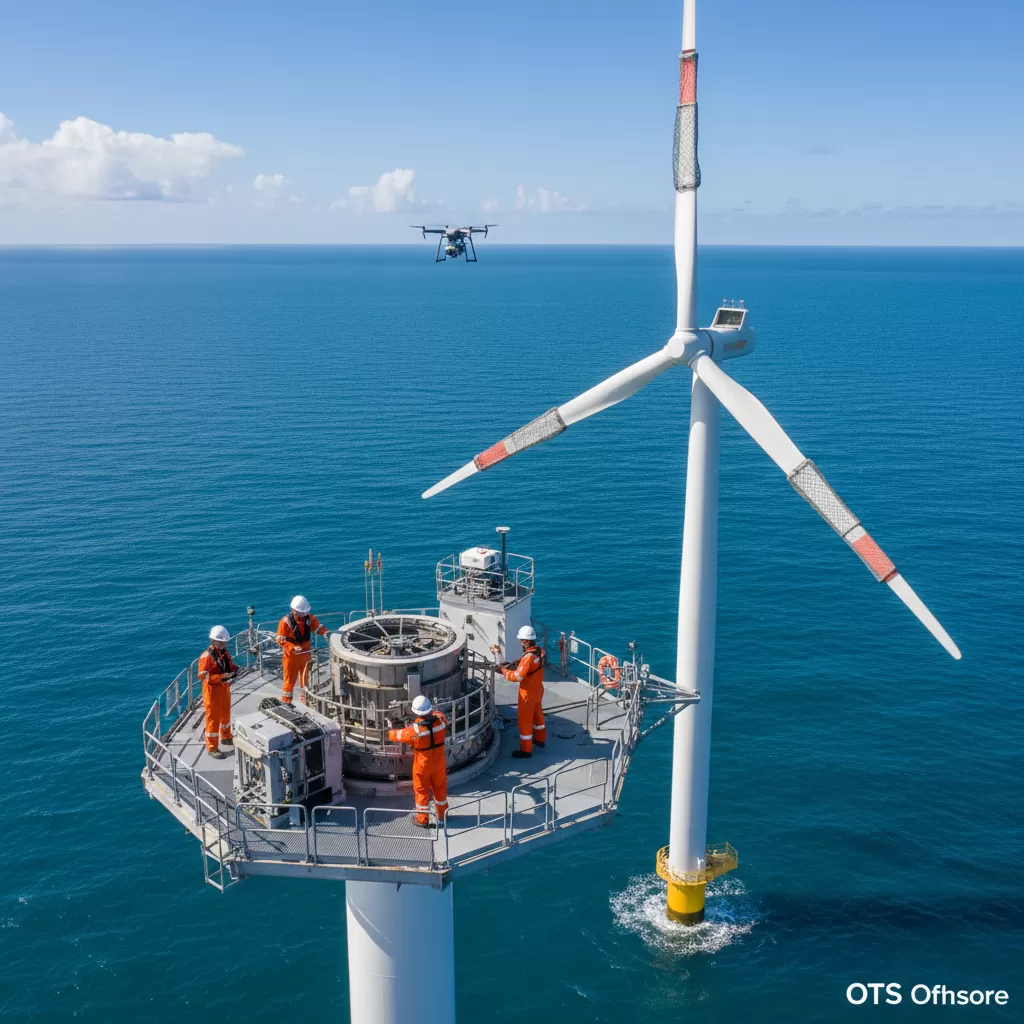
The advent of unmanned aerial vehicles (UAVs), or drones, has revolutionized offshore wind turbine inspections. Drones equipped with high-resolution cameras, thermal imaging sensors, and even ultrasonic probes can access hard-to-reach areas of the turbine, including blade surfaces, tower exteriors, and nacelle components, with greater speed and safety than traditional methods. Automated data analysis, often leveraging artificial intelligence (AI) and machine learning (ML), is increasingly being used to process the vast amounts of imagery and sensor data collected. These systems can automatically detect and classify defects, quantify their severity, and generate detailed reports, significantly streamlining the inspection process and providing actionable insights for Strategies for Life Extension.
Component-Specific Strategies for Life Extension
Each major component of an offshore wind turbine presents unique challenges and opportunities for extending its operational life. Tailored Strategies for Life Extension are essential for maximizing the longevity of the entire asset.
Blade Rehabilitation and Strengthening Techniques
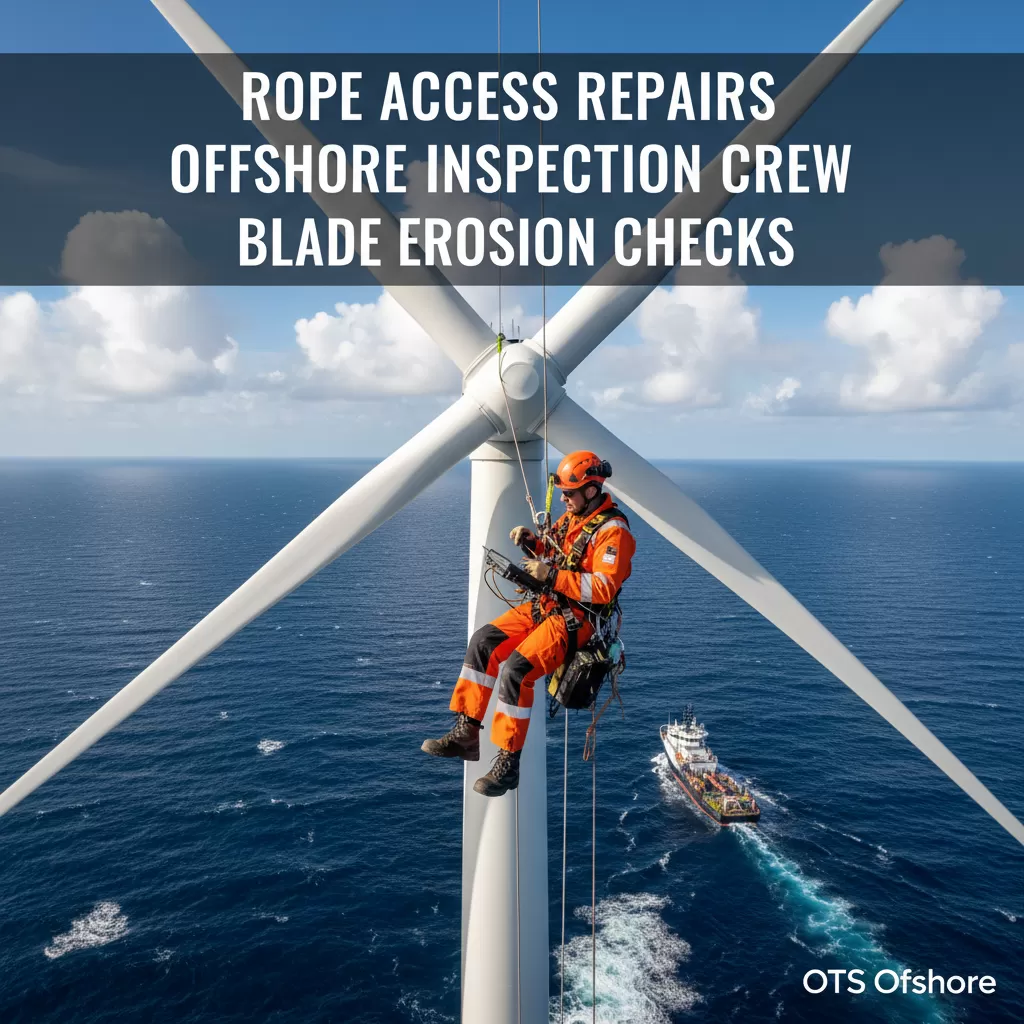
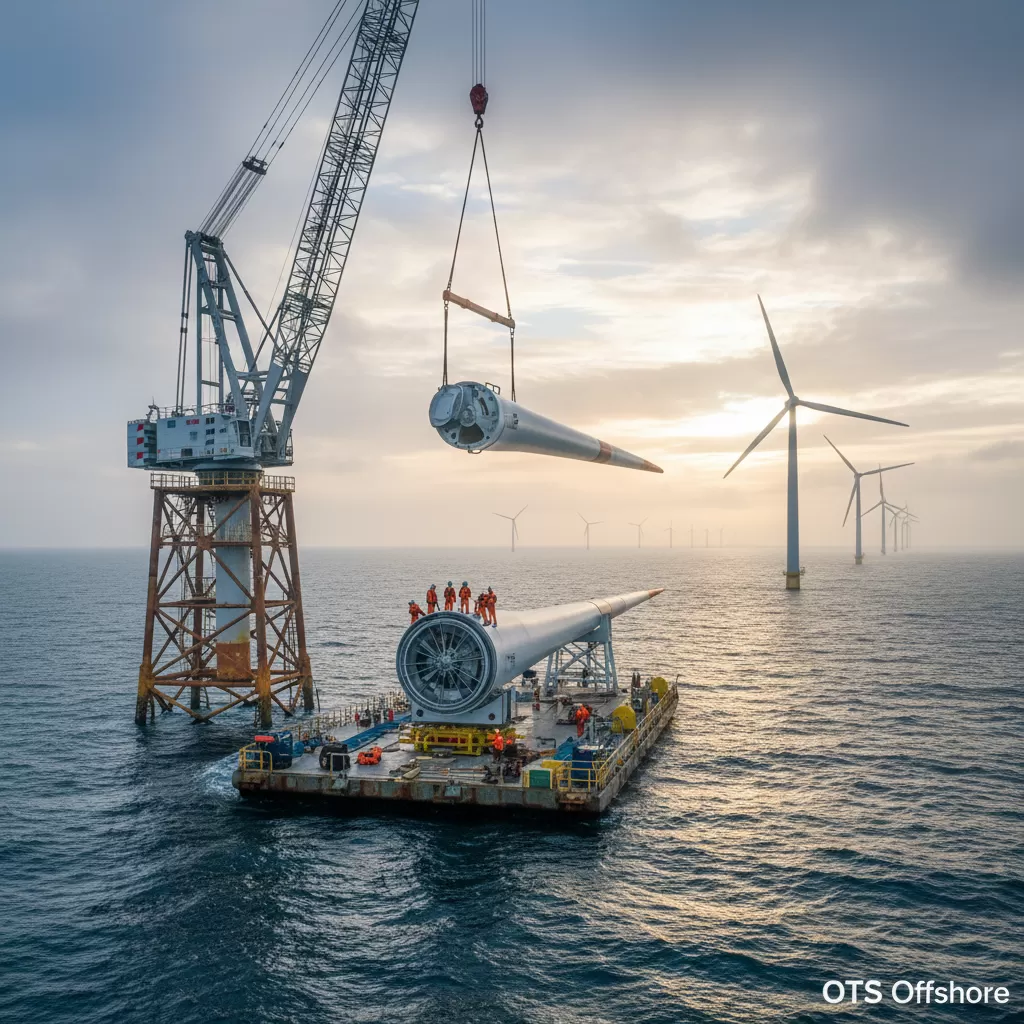
Wind turbine blades are constantly subjected to significant aerodynamic loads, fatigue cycling, and environmental stressors such as erosion and lightning strikes. Blade damage, ranging from minor leading-edge erosion to significant structural cracks, can impact performance and compromise structural integrity. Blade rehabilitation strategies include meticulous cleaning, repair of erosion damage, and application of protective coatings. For more severe damage, techniques such as composite patching and structural bonding can be employed to restore the blade’s integrity. Advanced composite materials and design modifications are also being explored to improve the inherent durability of future blades and to enhance the life extension potential of existing ones through retrofitting.
Gearbox and Drivetrain Upgrades and Overhauls
The gearbox and drivetrain are critical components that transmit the rotational energy from the rotor to the generator. These systems are subjected to high torque and constant stress, making them prone to wear and fatigue. Strategies for Life Extension for gearboxes include rigorous condition monitoring to detect early signs of wear in bearings and gears. Regular oil analysis can identify particulate matter and lubricant degradation. Comprehensive overhauls, including component replacements (e.g., bearings, seals, gears) and upgrades to more robust designs, can significantly extend the operational life of these complex systems. The development of direct-drive turbines, which eliminate the gearbox, represents a design evolution that inherently improves reliability and reduces maintenance requirements, contributing to longer asset lifespans.
Foundation and Subsea Structure Integrity Management
The foundation of an offshore wind turbine is its critical link to the seabed. These structures are exposed to constant wave loading, currents, and corrosive marine environments, leading to potential issues such as corrosion, scour around the base, and fatigue in structural members. Strategies for Life Extension for foundations involve regular inspections for signs of corrosion, cracking, and scour. Cathodic protection systems are vital for mitigating corrosion. Techniques such as concrete repair and the application of protective coatings can address existing damage. Monitoring scour around monopile or jacket foundations is crucial, and preventative measures like scour protection mats may be implemented. Advanced fatigue analysis models help predict the remaining life of the foundation under current and projected operational loads.
Risk-Based Maintenance and Reliability-Centered Strategies
Implementing effective Strategies for Life Extension necessitates a shift towards risk-based maintenance (RBM) and reliability-centered maintenance (RCM) methodologies. These approaches prioritize maintenance efforts based on the criticality of components and the potential consequences of failure.
Implementing Reliability-Centered Maintenance (RCM) Principles
Reliability-Centered Maintenance (RCM) is a systematic process for determining the maintenance requirements of a system. It involves identifying potential failure modes of components, assessing their consequences, and developing maintenance tasks that will prevent or mitigate these failures. For offshore wind turbines, RCM helps to prioritize inspections and maintenance activities on components that are most critical to overall system reliability and safety. By focusing resources on these high-risk areas, RCM helps to optimize maintenance budgets and maximize asset availability, directly contributing to the success of Strategies for Life Extension.
Leveraging Predictive Analytics and Digital Twins
Predictive analytics, powered by machine learning algorithms, analyzes historical and real-time operational data to forecast potential component failures. By identifying patterns and anomalies, these systems can predict when a component is likely to fail, allowing maintenance to be scheduled proactively. Digital twins, virtual replicas of physical assets, are increasingly being used to simulate operational scenarios, test maintenance strategies, and predict the long-term performance of turbines. By integrating real-time data into a digital twin, operators can gain unprecedented insights into the health of their assets and make informed decisions regarding Strategies for Life Extension.
Optimizing Maintenance Scheduling for Extended Lifespans
Effective Strategies for Life Extension involve optimizing maintenance schedules to ensure that interventions are performed at the right time. This means moving away from fixed, time-based maintenance schedules that may lead to unnecessary work or missed opportunities for addressing emerging issues. Instead, maintenance is driven by the actual condition of the components, as determined by monitoring systems and predictive analytics. This dynamic approach minimizes downtime, reduces maintenance costs, and ensures that components are maintained to a standard that supports their extended operational life.
Technological Advancements and Future Trends in RUL
The field of Strategies for Life Extension is constantly evolving, driven by technological innovation and the continuous pursuit of greater efficiency and reliability.
Material Science Innovations for Enhanced Durability
Advances in material science are playing a crucial role in enhancing the durability and extending the lifespan of wind turbine components. The development of advanced composite materials with improved fatigue resistance and environmental resilience for blades is ongoing. For structural components, new alloys and protective coatings are being developed to combat corrosion and fatigue in the harsh offshore environment. These material innovations are key to ensuring that turbines can withstand the rigors of extended operation.
The Role of AI and Machine Learning in Proactive Management
Artificial intelligence (AI) and machine learning (ML) are transforming how offshore wind turbines are managed. AI-powered systems can analyze vast datasets from sensors, inspections, and operational logs to identify complex patterns and predict potential issues with remarkable accuracy. This enables a highly proactive approach to maintenance, allowing for interventions before failures occur. AI can also optimize turbine performance, adjust operating parameters for reduced stress, and enhance the overall efficiency of the asset, all contributing to longer operational lifespans as part of comprehensive Strategies for Life Extension.
The Circular Economy and Repowering Strategies
The concept of the circular economy is gaining traction in the renewable energy sector. For aging wind turbines, this translates into exploring opportunities for component refurbishment and reuse, rather than outright replacement. Repowering, which involves replacing older, less efficient turbines with newer, more powerful models on existing foundations, is another significant trend. This strategy leverages the established infrastructure and offshore location, offering a quicker and often more cost-effective route to increasing energy generation capacity while extending the economic utility of the site. However, for turbines that are not being repowered, robust Strategies for Life Extension remain the primary path to maximizing their value.
Challenges and Considerations for Implementing Strategies for Life Extension
While the benefits of extending the life of offshore wind turbines are clear, several challenges must be addressed to ensure successful implementation of Strategies for Life Extension.
Regulatory and Certification Hurdles
Extending the operational life of turbines beyond their original design certification requires careful consideration of regulatory frameworks and certification processes. Asset owners must demonstrate that the extended operational life is safe and reliable, often necessitating new structural integrity assessments and recertification by relevant authorities. Navigating these regulatory landscapes and obtaining necessary approvals can be a complex and time-consuming process, forming a crucial part of comprehensive Strategies for Life Extension.
Environmental and Geological Site-Specific Factors
The marine environment presents unique challenges for offshore wind assets. Factors such as water depth, seabed conditions, wave climate, ice loading (in certain regions), and corrosive seawater can significantly influence the rate of degradation. A thorough understanding of these site-specific environmental and geological factors is critical for accurately assessing the remaining life of turbine components and for tailoring maintenance strategies. Ignoring these elements can compromise the effectiveness of any proposed Strategies for Life Extension.
Supply Chain and Spare Parts Availability
As turbines age, the availability of original spare parts can become a concern. Manufacturers may no longer produce certain components, or older designs may be phased out. This necessitates proactive inventory management, the development of alternative sourcing strategies, or the design and manufacture of compatible replacement parts. Ensuring a robust supply chain for critical components is essential for maintaining operational continuity and supporting long-term Strategies for Life Extension efforts.
The Role of Collaboration and Knowledge Sharing
Effective Strategies for Life Extension require collaboration among various stakeholders, including turbine manufacturers, operators, maintenance providers, research institutions, and regulatory bodies. Sharing knowledge, best practices, and lessons learned across the industry is vital for advancing the state of the art in life extension technologies and methodologies. Collaborative initiatives can accelerate the development and adoption of innovative solutions, ensuring that the offshore wind industry as a whole benefits from improved asset longevity.
The successful implementation of Strategies for Life Extension for aging offshore wind turbines is not merely a technical undertaking; it is a strategic imperative that balances economic viability, environmental responsibility, and technological advancement. By embracing advanced inspection, predictive maintenance, component-specific strategies, and a proactive risk-management approach, the industry can unlock significant value from its existing assets, contributing to a more sustainable and resilient energy future.