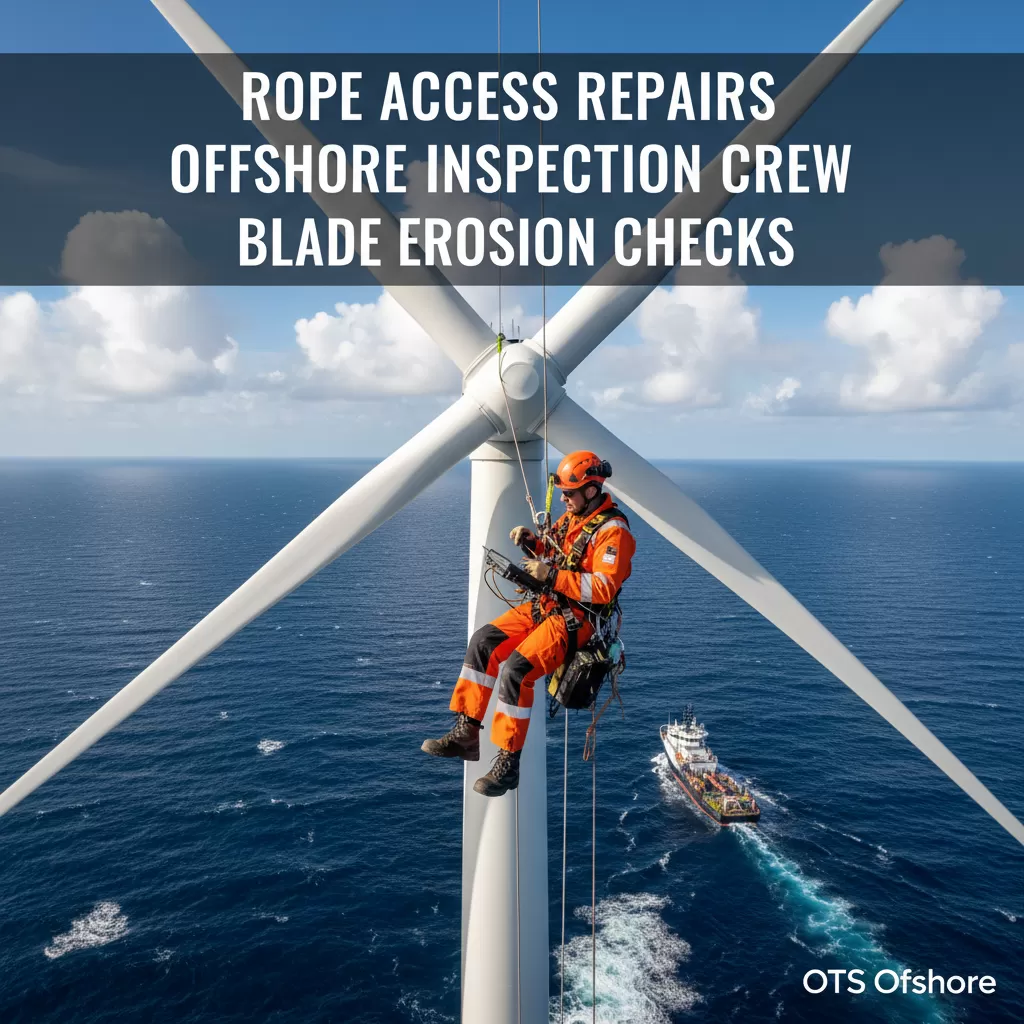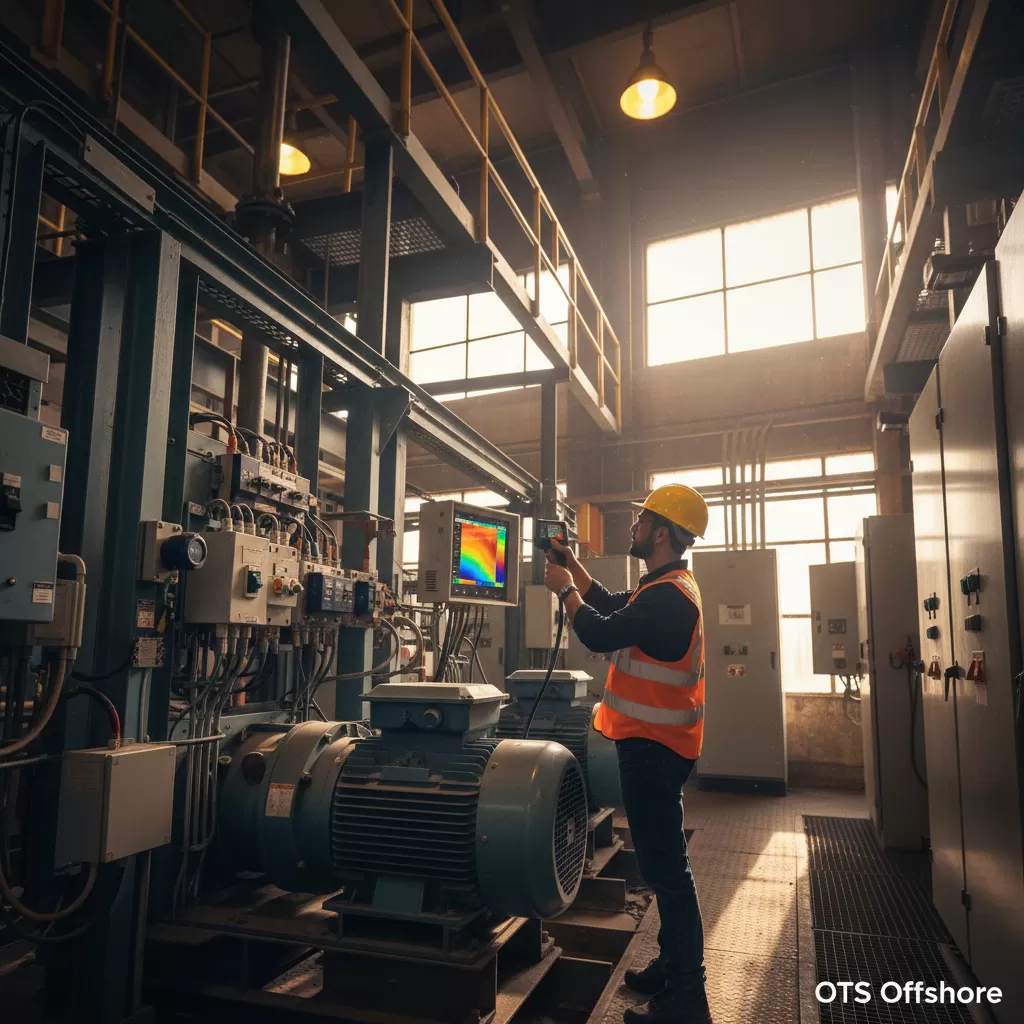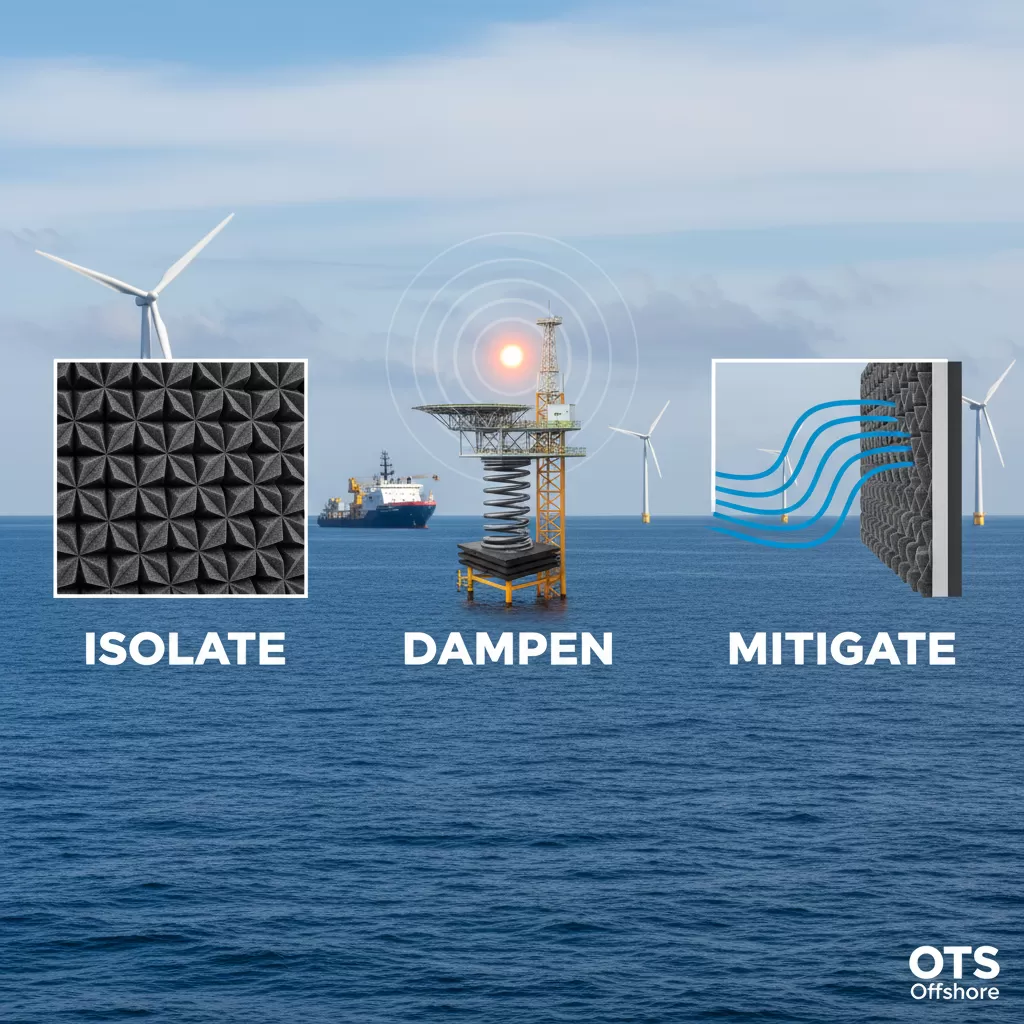


Technical Requirements Certification: là quá trình thiết yếu để đảm bảo tuân thủ các tiêu chuẩn an toàn, hiệu suất và độ tin cậy cho tua-bin gió. Bài viết này khám phá sâu hơn về các yêu cầu kỹ thuật và chứng nhận theo các tiêu chuẩn TCVN và IEC, nhấn mạnh tầm quan trọng của chúng trong ngành năng lượng gió.
Technical Requirements Certification: The Cornerstone of Wind Turbine Reliability and Safety
Technical Requirements Certification: is not merely a procedural hurdle but a fundamental pillar supporting the entire lifecycle of wind turbine technology. In the rapidly evolving renewable energy sector, particularly for wind power, establishing robust technical requirements and obtaining rigorous certification are paramount. These processes ensure that wind turbines, from their individual components to the entire system, meet stringent safety, performance, and reliability benchmarks. The Vietnamese National Standards (TCVN) and the International Electrotechnical Commission (IEC) standards play a critical role in defining these benchmarks, providing a universally recognized framework for manufacturers, developers, and operators. Understanding these standards is crucial for anyone involved in the design, manufacturing, installation, or operation of wind turbines, as it directly impacts project viability, operational efficiency, and long-term sustainability. The complexity of wind turbine technology, operating in diverse and often harsh environmental conditions, necessitates a comprehensive approach to technical validation and certification. This certification process acts as an independent assurance that the technology has been thoroughly tested and meets established criteria, mitigating risks for all stakeholders involved in the burgeoning global wind energy market.
The Evolving Landscape of Wind Turbine Standards
The wind energy industry is characterized by continuous innovation and technological advancement. As turbine designs become larger, more efficient, and capable of operating in more challenging environments, the associated standards must evolve in tandem. This dynamic landscape necessitates ongoing updates and revisions to existing standards and the development of new ones to address emerging technologies and operational paradigms. Both TCVN and IEC standards are regularly reviewed and updated by expert committees, incorporating the latest research, operational experience, and technological breakthroughs.
Understanding the Role of TCVN in Vietnam
TCVN standards, particularly those related to wind energy, are adapted from international standards, most notably IEC standards, to suit the specific context and regulatory framework of Vietnam. These standards provide detailed specifications for the design, manufacturing, testing, installation, and operation of wind turbines within the country. They are crucial for ensuring that wind power projects in Vietnam align with national energy policies, environmental regulations, and safety requirements. TCVN certification for wind turbine components and systems validates that they meet these localized technical requirements, facilitating domestic manufacturing and ensuring the successful integration of wind power into the national grid.
IEC Standards: The Global Benchmark for Wind Turbines
The International Electrotechnical Commission (IEC) develops and publishes international standards for all electrical, electronic, and related technologies, including wind energy. IEC standards for wind turbines are globally recognized and serve as the foundation for many national standards. Key IEC standards in this domain cover a wide array of aspects, from the structural integrity of blades and towers to the electrical systems, control mechanisms, and overall safety of the wind turbine. Adherence to IEC standards is often a prerequisite for international trade and investment in wind energy projects, ensuring a consistent level of quality and safety worldwide.
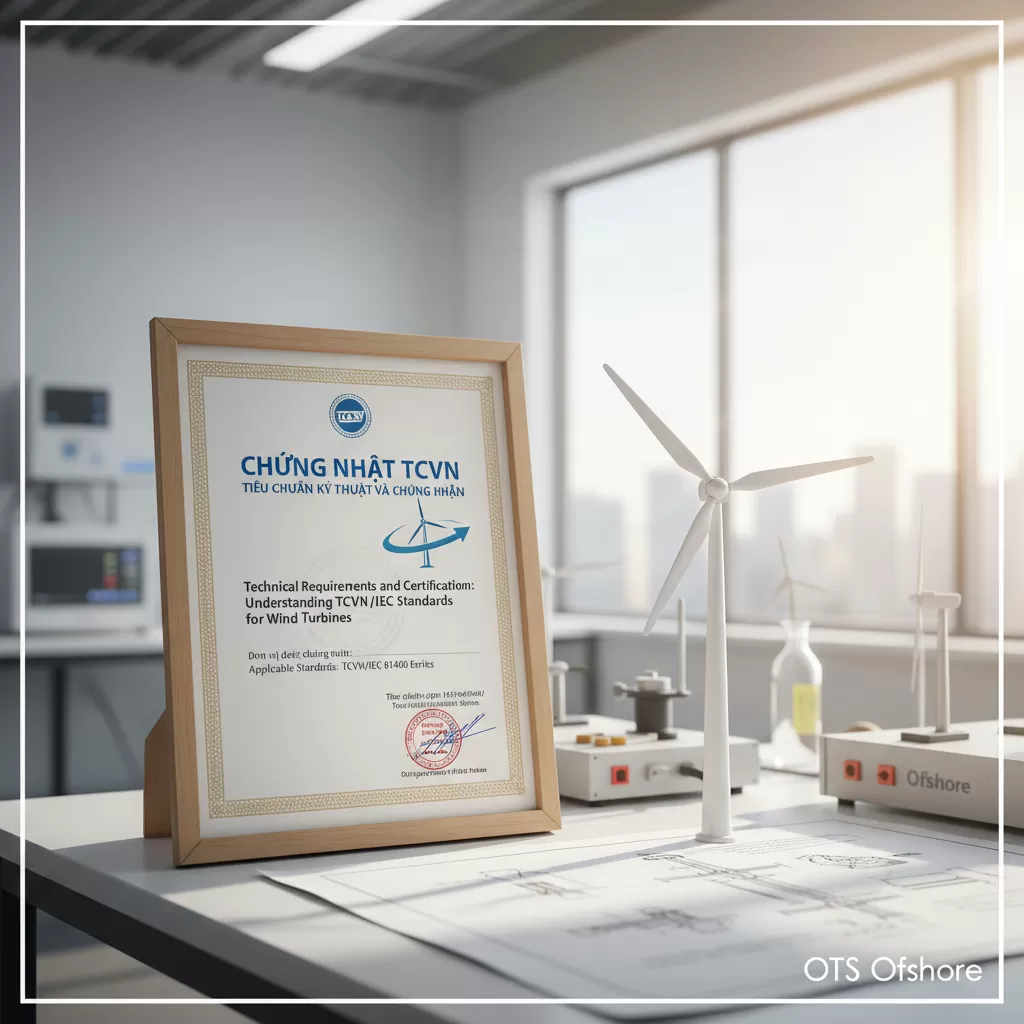
Key Technical Requirements Addressed by Standards
The comprehensive nature of TCVN and IEC standards means they delve into numerous critical technical aspects of wind turbine design and operation. These requirements are designed to ensure not only the efficient generation of electricity but also the safety of personnel, the public, and the environment.
Structural Integrity and Mechanical Design
Wind turbines are subjected to immense and fluctuating mechanical loads, including wind forces, gravitational forces, and centrifugal forces. Standards meticulously define requirements for the structural integrity of all major components.
– Blade design and aerodynamics: This includes material properties, fatigue resistance, aerodynamic performance, and resistance to environmental factors like erosion and lightning strikes. Standards specify testing methodologies to validate these characteristics.
– Tower strength and stability: Requirements cover material specifications, welding procedures, foundation design, and resistance to buckling and fatigue under dynamic loading.
– Nacelle and drivetrain components: This encompasses the gearbox, generator, bearings, and other rotating parts, with standards dictating material quality, lubrication, thermal management, and performance under varying operational conditions.
– Foundation design: Ensuring a stable and robust foundation capable of withstanding all static and dynamic loads is paramount. Standards provide guidance on soil analysis, concrete specifications, and structural design of various foundation types.
Electrical Systems and Control Technology
The electrical systems of a wind turbine are complex and must operate reliably under a wide range of environmental conditions. Standards ensure the safety and efficiency of these systems.
– Generator and power conversion: Specifications for generator type, efficiency, voltage and frequency regulation, and compatibility with grid requirements are detailed. This also includes the inverter technology used for grid connection.
– Grid connection and power quality: Standards address requirements for grid compatibility, including voltage fluctuations, harmonic distortion, and fault ride-through capabilities. This ensures the smooth integration of wind power into the existing electricity grid.
– Control systems and protection devices: Requirements for the turbine’s control system, including pitch control, yaw control, overspeed protection, and emergency shutdown procedures, are crucial. Protection devices against electrical faults, overloads, and environmental hazards are also specified.
– Cabling and electrical connections: Standards outline requirements for the selection of appropriate cables, connectors, and insulation to ensure safety and durability in harsh operating environments, including resistance to moisture, temperature extremes, and UV radiation.
Environmental Resilience and Operational Safety
Wind turbines operate in diverse environments, from onshore plains to offshore waters, often facing extreme weather. Standards address the need for resilience and operational safety.
– Extreme wind loads: Turbines must be designed to withstand extreme wind events, including survival speeds and operational limits, without catastrophic failure. Standards provide methodologies for calculating these loads.
– Temperature and humidity considerations: Materials and components must be selected and tested to perform reliably across a wide range of ambient temperatures and humidity levels, preventing material degradation or system malfunction.
– Corrosion resistance: Particularly for offshore wind turbines, resistance to saltwater corrosion is a critical requirement. Standards specify material choices and protective coatings.
– Lightning protection: Turbines are susceptible to lightning strikes. Standards detail the design and implementation of lightning protection systems to safeguard the turbine and prevent fires.
– Noise emissions: Standards often include requirements for limiting noise emissions from the turbine to minimize environmental impact on surrounding communities.
– Safety during maintenance and operation: This includes requirements for access systems, fall protection, and emergency procedures to ensure the safety of personnel working on or near the turbine.
The Certification Process: A Deep Dive
Technical Requirements Certification: for wind turbines is a multi-stage process involving rigorous testing and documentation. It is typically undertaken by independent, accredited certification bodies.
Types of Certification and Testing
Certification can apply to individual components, sub-assemblies, or the entire wind turbine system. Different types of testing are employed to validate compliance with standards.
– Component certification: Individual parts like blades, gearboxes, or control units undergo specific testing to ensure they meet the requirements of relevant IEC or TCVN standards.
– Type certification: This applies to a specific wind turbine model, validating its design and performance against the relevant standards. It is a crucial step before mass production and deployment.
– Project certification: For a specific wind farm project, certification may involve verifying that the installed turbines and associated infrastructure comply with all applicable standards and project-specific requirements.
Testing methodologies are diverse and can include:
– Design validation: Review of engineering drawings, calculations, and simulation results.
– Material testing: Verification of material properties against specified requirements, including tensile strength, fatigue life, and impact resistance.
– Prototype testing: Full-scale testing of a representative turbine or component under simulated operating conditions.
– Type testing: Standardized tests conducted in accredited laboratories to verify performance and safety characteristics.
– Site acceptance testing (SAT): Verification that the installed turbine meets specifications after commissioning.
– Load testing: Subjecting components or the entire structure to simulated operational and extreme loads.
The Importance of Independent Certification Bodies
Independent certification bodies play a crucial role in the Technical Requirements Certification: process. These organizations are accredited to assess compliance with TCVN and IEC standards without bias.
– Ensuring objectivity: Their independence guarantees that the certification is based solely on technical merit and adherence to standards, free from manufacturer influence.
– Expertise and experience: Certification bodies possess specialized knowledge and extensive experience in wind turbine technology and the relevant standards.
– Facilitating market access: Certification from a reputable body provides confidence to investors, grid operators, and regulatory authorities, facilitating market access and project approval.
– Risk mitigation: By identifying potential non-compliance issues early in the process, certification helps mitigate risks related to performance failures, safety hazards, and costly redesigns.
Documentation and Traceability
A fundamental aspect of the certification process is comprehensive documentation. Every stage, from design and manufacturing to testing and installation, must be meticulously documented.
– Design documents: Detailed engineering drawings, specifications, and calculations are reviewed.
– Manufacturing records: Traceability of materials, production processes, and quality control checks is essential.
– Test reports: All test results, whether performed by the manufacturer or independent labs, must be documented and verifiable.
– Quality management systems: Manufacturers are often required to demonstrate adherence to robust quality management systems, such as ISO 9001, which underpins their ability to consistently produce compliant products.
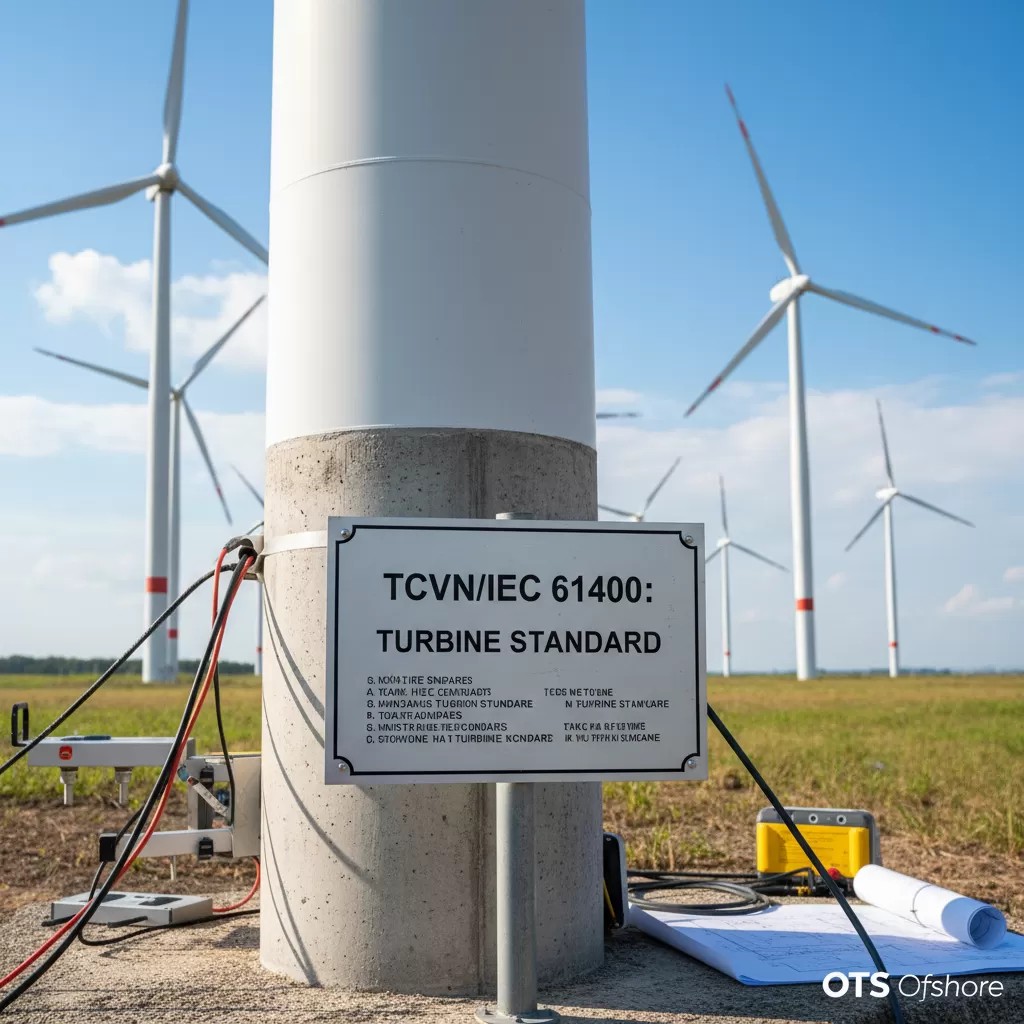
Navigating TCVN and IEC Standards: A Practical Guide
For stakeholders in the wind energy sector, a clear understanding and systematic approach to navigating these standards are vital for success.
For Manufacturers
Manufacturers must embed compliance with relevant TCVN and IEC standards into their product development and manufacturing processes from the outset.
– Early engagement with standards: Thoroughly understanding the applicable standards during the design phase is critical to avoid costly redesigns later.
– Robust quality control: Implementing stringent quality control measures at every stage of production is essential to ensure consistent compliance.
– Collaboration with certification bodies: Proactive engagement and collaboration with accredited certification bodies can streamline the certification process.
– Staying updated: Regularly monitoring updates and revisions to TCVN and IEC standards is crucial to maintain compliance.
For Developers and Project Owners
Developers and project owners bear the ultimate responsibility for ensuring that the wind turbines they procure and install meet all necessary technical requirements and certifications.
– Due diligence on suppliers: Thoroughly vetting turbine manufacturers and their compliance documentation is paramount.
– Specifying certification requirements: Clearly stipulating the required TCVN and IEC certifications in procurement contracts provides a legal basis for compliance.
– Engaging with certification bodies: Understanding the certification status of proposed turbines and potentially engaging directly with certification bodies for project-specific verification.
– Ensuring operational compliance: Post-installation, ensuring that operation and maintenance procedures adhere to the certified parameters and standards.
For Investors and Financiers
Investors and financiers rely heavily on Technical Requirements Certification: to assess the technical and financial viability of wind energy projects.
– Risk assessment: Certification serves as a key indicator of reduced technical risk, thereby improving the project’s overall risk profile.
– Asset valuation: Certified turbines are generally considered more reliable and valuable, positively impacting asset valuation.
– Regulatory compliance: Ensuring projects meet regulatory requirements through certification is often a condition for financing.
The Future of Wind Turbine Technical Requirements and Certification
As the wind energy industry continues to mature and expand, the emphasis on robust Technical Requirements Certification: will only grow. Future developments are likely to include:
– Increased focus on digitalization and smart technologies: Standards will need to evolve to address cybersecurity, data management, and the integration of advanced digital control systems in wind turbines.
– Enhanced requirements for offshore wind: The unique challenges of offshore environments, including extreme weather, corrosion, and accessibility, will drive further refinement of specific offshore standards.
– Lifecycle management and circular economy principles: Standards may increasingly incorporate requirements related to the entire lifecycle of wind turbines, including end-of-life decommissioning and material recycling, promoting a more sustainable industry.
– Harmonization of international standards: Continued efforts towards global harmonization of standards will further facilitate international trade and investment in wind energy.
The rigorous application of TCVN and IEC standards, coupled with thorough Technical Requirements Certification:, is indispensable for fostering a safe, reliable, and sustainable global wind energy sector.