

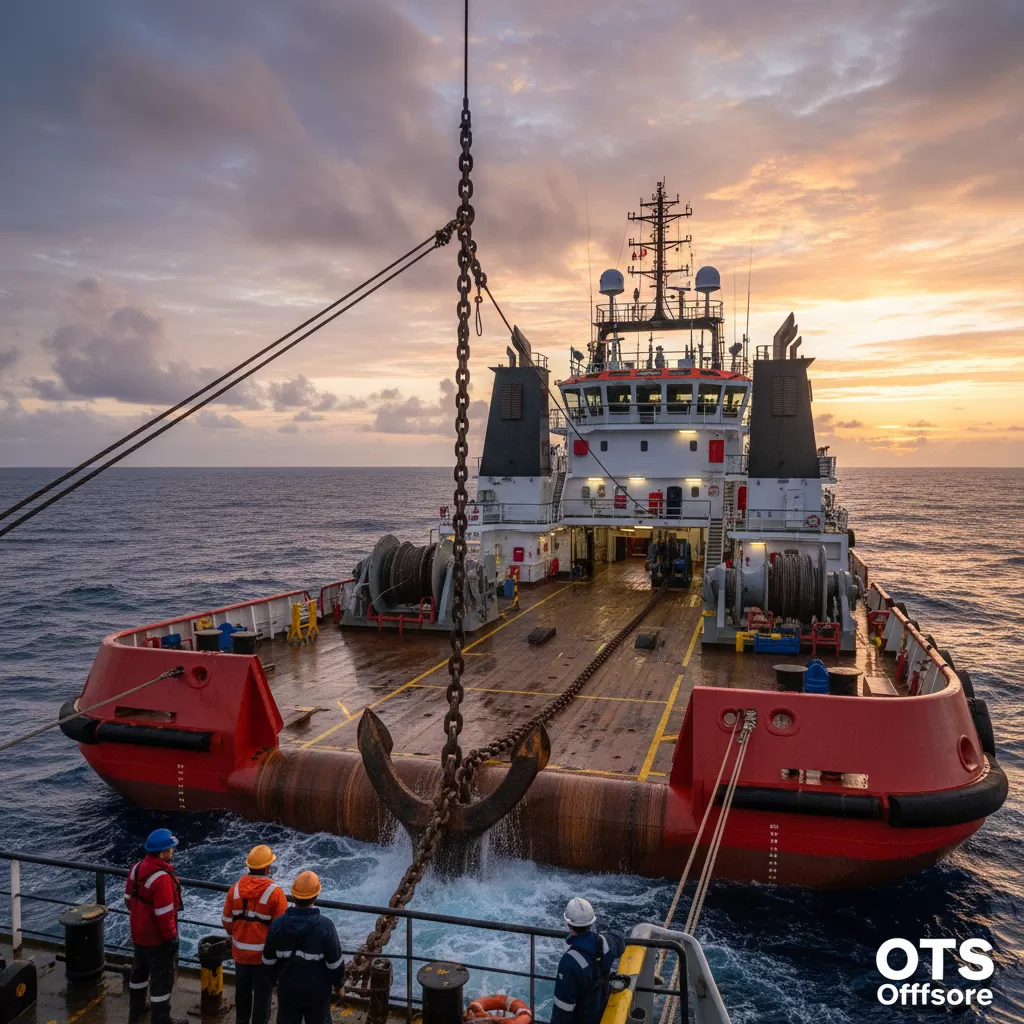
The Function and Maintenance of Anchor Handling Tug Supply (AHTS) Vessels
This article delves into the critical roles and essential upkeep of Anchor Handling Tug Supply (AHTS) vessels within the offshore oil and gas industry. We will explore their primary functions, the specialized equipment they utilize, and the rigorous maintenance schedules required to ensure operational reliability and safety in challenging marine environments, with a specific focus on aspects related to Function Maintenance Anchor.
Understanding the Core Function and Maintenance of Anchor Handling Tug Supply (AHTS) Vessels
The Function Maintenance Anchor of Anchor Handling Tug Supply (AHTS) vessels forms the backbone of numerous offshore operations. These sophisticated vessels are indispensable for the safe and efficient deployment, retrieval, and management of anchors for a wide array of offshore structures. Their operational scope extends beyond simple anchoring duties, encompassing the transportation of vital supplies, personnel, and critical equipment to remote drilling sites and production platforms. The inherent demands of the offshore environment necessitate a robust understanding of both the primary Function Maintenance Anchor of these vessels and their comprehensive maintenance protocols. Without meticulous attention to both, operational integrity and safety can be severely compromised. The intricate interplay between the vessel’s design, its specialized equipment, and the disciplined execution of Function Maintenance Anchor procedures is paramount for success in the high-stakes world of offshore energy exploration and production. This detailed examination aims to illuminate the multifaceted aspects of AHTS vessel operations, emphasizing the critical importance of ongoing maintenance for optimal performance and longevity, particularly in relation to anchor management and related systems.
Defining the Primary Functions of AHTS Vessels
AHTS vessels are designed with a dual purpose, catering to both anchor handling and supply duties. Their primary functions are intricately linked to supporting the mobility and stability of offshore installations.
– Anchor Handling Operations: This is arguably the most defining function of an AHTS vessel. They are equipped with powerful winches and specialized towing pins to manage large, heavy anchors used for floating structures such as semi-submersible rigs, drillships, and FPSOs (Floating Production, Storage, and Offloading units). This involves:
– Anchor Deployment: Safely lowering and positioning anchors at predetermined locations to moor these structures.
– Anchor Retrieval: Recovering anchors when a structure needs to be relocated or decommissioned. This process can be exceptionally demanding due to the immense forces involved and the potential for anchors to become fouled on the seabed.
– Anchor Towing: Transporting anchors from shore to the offshore site or between sites.
– Supply Operations: Complementing their anchor handling capabilities, AHTS vessels are vital for logistical support. They transport essential supplies to offshore platforms and drilling rigs. This includes:
– Deck Cargo: Carrying equipment, machinery parts, pipes, and other project-specific materials.
– Liquid Cargo: Transporting fuel, potable water, drilling fluids, and chemicals in dedicated tanks.
– Crew and Provisions: Transferring personnel and essential consumables.
– Towing Services: Beyond anchor towing, AHTS vessels can also be tasked with towing larger vessels or barges that are not self-propelled or are disabled.
– Platform Support: Providing assistance to offshore platforms during installation, maintenance, and decommissioning phases. This can include positioning operations, providing power or water, and acting as standby vessels.
– Emergency Response: AHTS vessels often serve as standby vessels, ready to respond to emergencies such as fires, medical evacuations, or pollution incidents. Their robust construction and maneuverability make them suitable for such critical roles.
The Crucial Role of Function Maintenance Anchor in Vessel Operations
The effective performance of Function Maintenance Anchor on an AHTS vessel is not merely a matter of routine; it is fundamental to the vessel’s ability to execute its core duties safely and efficiently. When we speak of Function Maintenance Anchor, we are referring to the holistic approach to ensuring that the anchor handling systems, including winches, cables, shackles, and the anchors themselves, are in optimal working condition. This encompasses regular inspections, servicing, and prompt repairs. For instance, the integrity of the towing wire is paramount. A worn or damaged wire could snap under load, leading to catastrophic consequences, including the loss of an anchor, damage to the offshore installation, and severe risks to personnel. Similarly, the anchor winch, a complex piece of machinery, requires meticulous maintenance to prevent failures during deployment or retrieval. Regular lubrication, inspection of gears, brakes, and hydraulic systems are all part of this critical Function Maintenance Anchor regime. The focus extends to the anchors themselves, ensuring they are free from damage and properly secured when not in use. Proactive Function Maintenance Anchor significantly reduces the likelihood of unexpected breakdowns, costly downtime, and potentially hazardous situations offshore, directly contributing to the overall operational success and economic viability of the energy exploration mission.
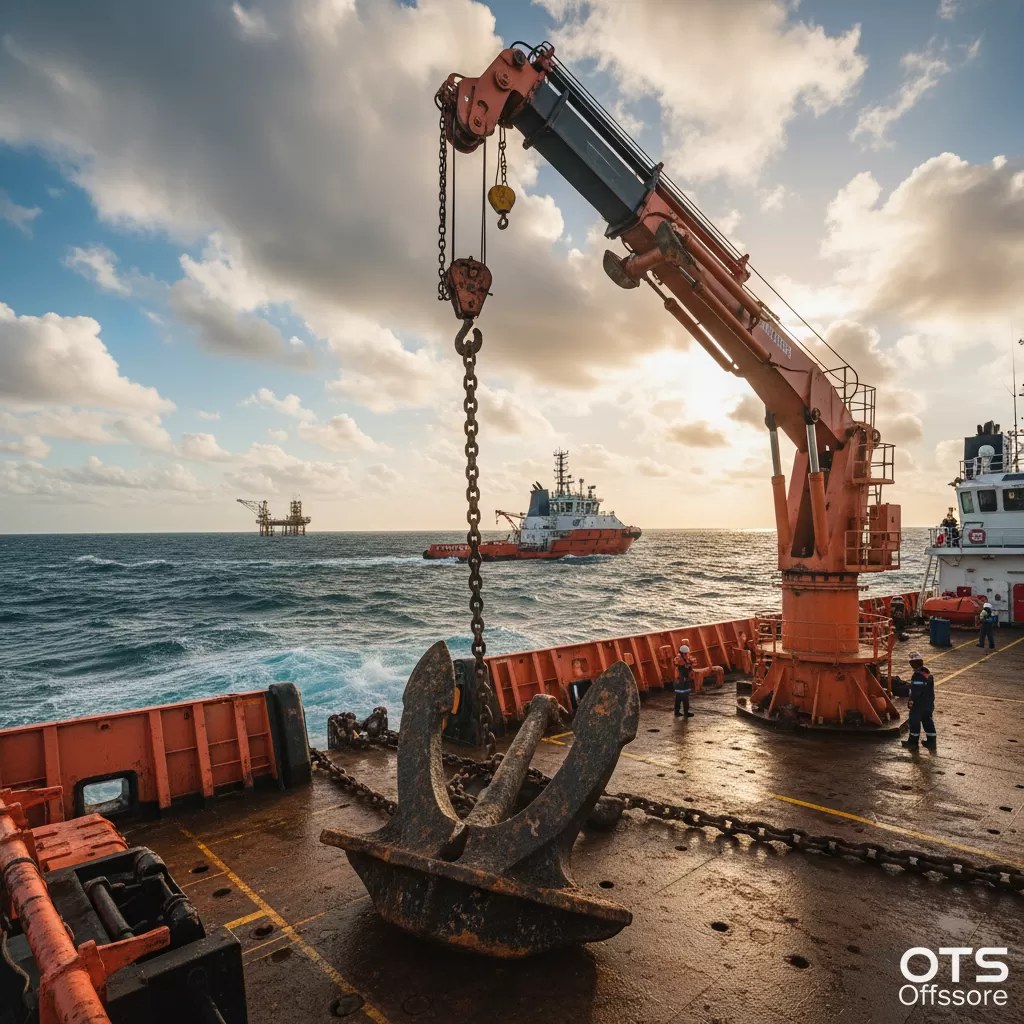
Anatomy of an AHTS Vessel: Key Equipment for Function Maintenance Anchor and Supply
AHTS vessels are purpose-built with specialized equipment designed to handle the immense forces and logistical demands of offshore operations. Understanding this equipment is key to appreciating the complexity of Function Maintenance Anchor.
– Anchor Handling Winches: These are the heart of the anchor handling operation.
– Main Waterfall Winch: Typically a powerful double-drum winch capable of handling very long and heavy anchor wires or chains. One drum is for retrieving anchors, and the other for deploying.
– Secondary Winches: Smaller winches for various tasks like spooling wire or general towing operations.
– Towing Pins and Shark Jaws: These are specialized devices located on the aft deck that secure the tow wire or chain during towing and anchor handling operations, preventing uncontrolled movement and providing a secure point of engagement. The proper Function Maintenance Anchor of these safety devices is critical.
– Stern Roller: A robust roller fitted at the stern of the vessel, facilitating the smooth passage of anchor chains and wires over the vessel’s side or stern. Its condition directly impacts the efficiency and safety of anchor deployment and retrieval.
– Towing Hook: A quick-release towing hook, often hydraulically operated, used for towing barges or other vessels.
– Deck Crane: A versatile crane for lifting and moving cargo on deck, essential for supply operations.
– Bow Thrusters and Stern Thrusters: Powerful propellers located at the bow and stern, providing exceptional maneuverability, which is vital for precise positioning during anchor handling and alongside platforms.
– Deck Space: Large, open deck areas are designed to carry substantial amounts of cargo, including anchors, pipes, and containers.
– Tankage: Integral tanks for carrying various liquid cargoes such as fuel oil, diesel, potable water, and drilling mud.
The Importance of Specialized Maintenance for AHTS Equipment
The specialized nature of AHTS equipment necessitates equally specialized maintenance routines. The Function Maintenance Anchor of these systems is far more involved than standard vessel upkeep. For anchor handling winches, this includes regular inspections of wire ropes for wear, corrosion, and broken strands. Hydraulic systems require fluid checks, seal replacements, and pressure testing. The braking systems, critical for controlling heavy loads, undergo frequent examinations and adjustments. Towing pins and shark jaws, which bear immense loads, are inspected for wear, deformation, and proper functioning of their release mechanisms. Failure in any of these components during a critical operation can lead to severe accidents. The maintenance procedures are often dictated by the equipment manufacturer and regulatory bodies, ensuring that Function Maintenance Anchor adheres to the highest safety standards. Regular surveys by classification societies also play a crucial role in verifying that all safety-critical equipment is maintained to the required specifications. The integrity of the anchor systems, from the anchor itself to the towing wire and winch, is directly dependent on this diligent and specialized maintenance approach.
Comprehensive Maintenance Strategies for AHTS Vessels
Maintaining an AHTS vessel is a complex, multi-layered undertaking that requires meticulous planning and execution. The focus on Function Maintenance Anchor is a significant component of this broader strategy.
– Planned Maintenance System (PMS): Most AHTS operators employ sophisticated PMS software to schedule and track all maintenance activities. This system tracks component hours, calendar dates, and specific task requirements, ensuring that no critical maintenance is overlooked. The PMS is a cornerstone of effective Function Maintenance Anchor.
– Hull and Structure Inspections: Regular inspections of the vessel’s hull, superstructure, and deck plating are performed to identify any signs of corrosion, fatigue, or structural damage. This is particularly important in the harsh marine environment.
– Machinery Overhauls: Major machinery components such as main engines, generators, and auxiliary equipment undergo periodic overhauls to ensure their reliability and performance.
– Electrical Systems Maintenance: Comprehensive checks and maintenance of the vessel’s electrical systems, including switchboards, cabling, and navigation equipment, are vital for safe operation.
– Safety Equipment Checks: All safety equipment, including lifeboats, fire fighting systems, and personal protective equipment (PPE), are regularly inspected and tested to ensure they are in full working order.
– Certification and Surveys: AHTS vessels must undergo regular inspections and surveys by classification societies and flag state authorities to ensure compliance with international maritime regulations. These surveys often scrutinize the effectiveness of the Function Maintenance Anchor program.
– Crew Training and Competency: A well-trained and competent crew is essential for both operating the vessel and performing routine maintenance. Ongoing training ensures that crew members are up-to-date with the latest procedures and technologies, including those related to Function Maintenance Anchor.
Challenges in Function Maintenance Anchor and Supply Operations
The demanding nature of offshore operations presents unique challenges for Function Maintenance Anchor and the overall operational scope of AHTS vessels.
– Harsh Environmental Conditions: AHTS vessels operate in some of the world’s most challenging marine environments, including extreme weather, rough seas, and corrosive saltwater. These conditions accelerate wear and tear on equipment, making regular maintenance even more critical. The Function Maintenance Anchor regime must account for these environmental factors.
– Extended Operational Periods: Vessels often operate for extended periods offshore with limited opportunities for dry-docking or major repairs. This necessitates robust on-board maintenance capabilities and efficient spare parts management.
– Complex Equipment: The sophisticated anchor handling winches and dynamic positioning systems on modern AHTS vessels require specialized knowledge and tools for maintenance.
– High Operational Demands: The constant strain placed on anchor handling equipment during operations means that components are subjected to extreme forces, increasing the risk of fatigue and failure. This underscores the importance of proactive Function Maintenance Anchor.
– Logistical Challenges: Supplying spare parts and qualified technicians to remote offshore locations can be complex and time-consuming.
– Regulatory Compliance: Adhering to stringent international and national maritime regulations requires constant vigilance and meticulous record-keeping, particularly concerning maintenance logs and survey reports for Function Maintenance Anchor.
Innovations Enhancing Function Maintenance Anchor and Vessel Efficiency
The maritime industry is constantly evolving, and AHTS operations are benefiting from technological advancements aimed at improving efficiency and safety, including in Function Maintenance Anchor.
– Advanced Diagnostic Tools: Modern vessels are equipped with advanced diagnostic tools that can monitor the health of critical equipment in real-time, allowing for predictive maintenance rather than reactive repairs. This is particularly beneficial for understanding the condition of anchor handling systems.
– Remote Monitoring and Control: The ability to remotely monitor vessel performance and equipment status allows for better planning of maintenance activities and quicker response times to potential issues.
– Automation: Increased automation in anchor handling operations can reduce the physical strain on the crew and improve precision, though it also introduces new complexities for maintenance.
– Improved Material Science: The development of stronger, more durable materials for anchor chains, wires, and winch components contributes to longer service life and reduced maintenance frequency.
– Digitalization of Maintenance Records: Transitioning from paper-based logs to digital platforms streamlines record-keeping, analysis, and compliance verification for Function Maintenance Anchor.
– Training Simulators: Advanced simulators provide realistic training environments for crews to practice complex operations and emergency procedures, including those involving anchor handling and critical maintenance tasks.
The Function Maintenance Anchor of these vessels is a perpetual cycle of inspection, servicing, and repair, directly impacting their operational readiness and safety. The integration of innovative technologies is continuously refining these processes, ensuring that AHTS vessels remain at the forefront of offshore support operations.
The Function Maintenance Anchor of AHTS vessels is a critical element in the successful execution of offshore oil and gas exploration and production activities. These vessels are designed with specialized equipment to handle immense loads and provide vital logistical support. The rigorous maintenance schedules, encompassing planned maintenance systems, specialized inspections, and adherence to international regulations, are paramount for ensuring operational reliability and safety. Despite the challenges posed by harsh environmental conditions and the complexity of the equipment, continuous innovation in diagnostics, automation, and material science is enhancing both the efficiency of Function Maintenance Anchor and the overall performance of AHTS vessels.