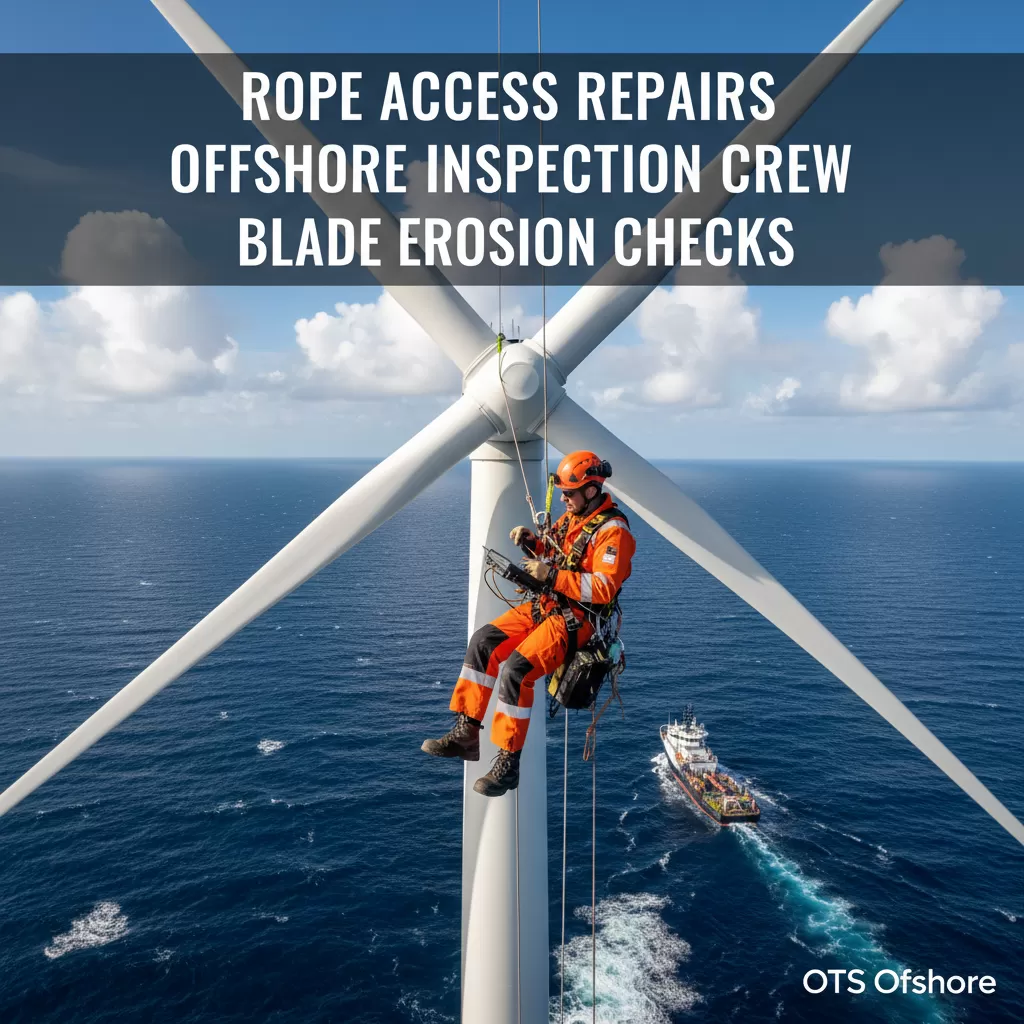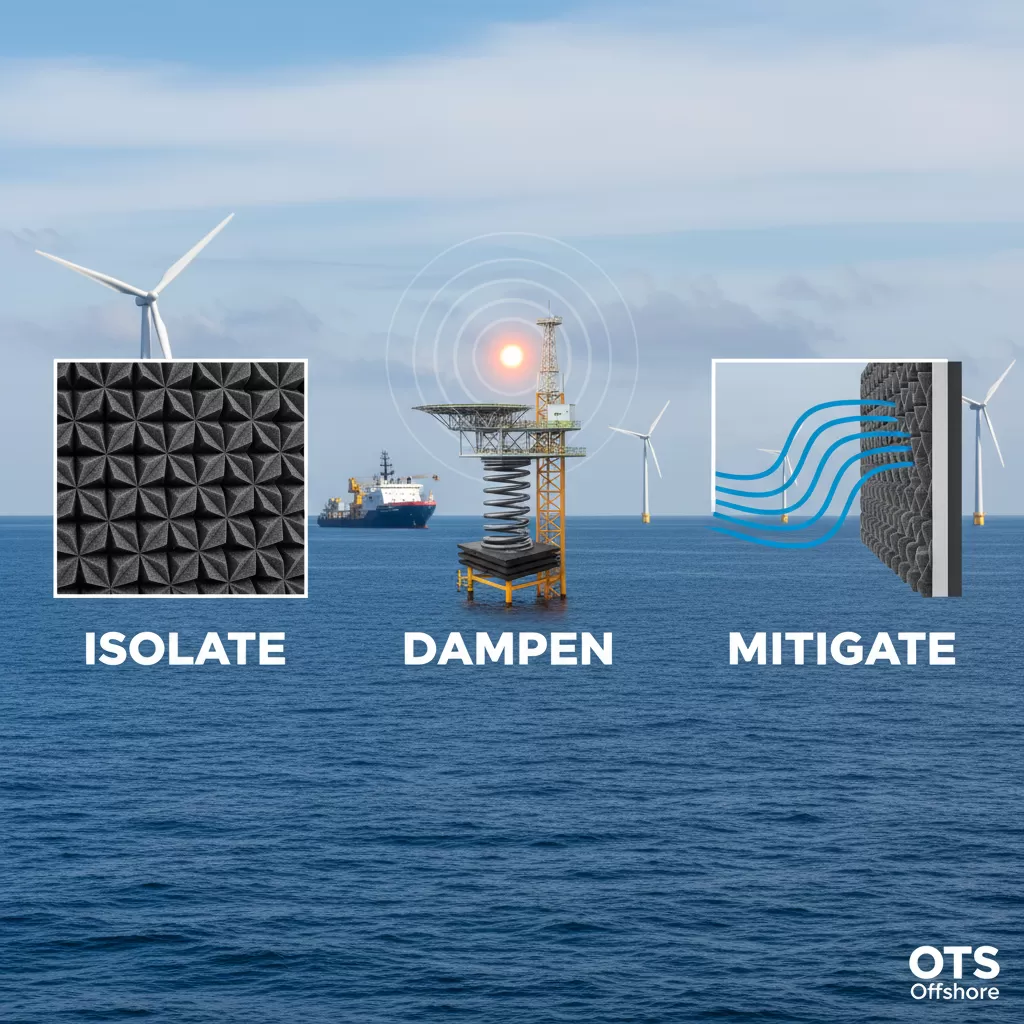



The Role of Risk-Based Inspection (RBI) in Offshore Wind Maintenance Planning is paramount for ensuring operational efficiency, safety, and asset longevity in this rapidly expanding sector. By shifting from time-based to risk-based approaches, operators can optimize maintenance schedules, allocate resources effectively, and mitigate potential failures in complex offshore wind farm environments.
The Pivotal Role of Risk-Based Inspection in Offshore Wind Maintenance Planning
The maritime environment presents unique and formidable challenges for offshore wind energy infrastructure. Turbine components, subsea cables, and support structures are constantly subjected to harsh weather conditions, corrosive saltwater, and the inherent complexities of offshore operations. Effective maintenance planning is not merely a matter of routine upkeep; it is a critical determinant of the economic viability and safety of an offshore wind farm. In this context, understanding the Role of Risk-Based Inspection (RBI) in offshore wind maintenance planning emerges as a cornerstone of modern asset management strategies. Traditional, time-based maintenance schedules, while offering a degree of predictability, often lead to either premature component replacement or insufficient attention to critical assets that might be degrading faster than anticipated. RBI fundamentally alters this paradigm by introducing a data-driven, consequence-aware methodology. It prioritizes inspection and maintenance activities based on the probability of equipment failure and the potential consequences of that failure, thereby enabling a more targeted, efficient, and cost-effective approach to managing the intricate network of an offshore wind farm. The focus shifts from simply performing maintenance because a certain time has elapsed, to performing it because the risk of failure is demonstrably higher or the impact of failure would be severe. This strategic reallocation of resources ensures that the most vulnerable components receive the necessary attention, while less critical ones are managed with appropriate, often less frequent, interventions. This advanced approach to asset integrity management is indispensable for the sustainable growth of the offshore wind sector, safeguarding investments and ensuring reliable energy generation.
Understanding the Core Principles of Risk-Based Inspection in Offshore Wind
At its heart, the Role of Risk-Based Inspection in offshore wind maintenance planning is underpinned by a sophisticated assessment process that quantifies risk. This involves a systematic evaluation of two primary factors: the probability of failure (POF) and the consequence of failure (COF). For offshore wind assets, the POF is influenced by a multitude of variables. These include the intrinsic reliability of the equipment, its operating history, environmental factors such as wind speed, wave height, and ice loading, as well as external influences like shipping traffic and operational stresses. Components such as gearboxes, bearings, blades, foundation structures, and subsea electrical systems are all subject to different degradation mechanisms, each with its own probability curve. The COF, on the other hand, considers the potential impact should a failure occur. This encompasses financial losses due to downtime and lost revenue, safety risks to personnel and the public, environmental damage, and reputational harm. For instance, a failure in a main bearing of a wind turbine might lead to significant downtime and costly repairs, impacting energy output and revenue. A structural failure of a foundation, however, could have far more catastrophic consequences, including environmental disaster and severe safety risks. RBI methodologies employ various tools and techniques to assess these factors. These can range from simplified qualitative assessments to highly detailed quantitative analyses utilizing advanced modeling and historical data. The outcome of this assessment is a risk ranking for each component or system, which then directly informs the frequency, type, and scope of inspection and maintenance activities. This ensures that resources are allocated where they are most needed, maximizing the return on investment in maintenance programs.

Key Data Sources and Analytical Methods Driving RBI in Offshore Wind
The efficacy of the Role of Risk-Based Inspection in offshore wind maintenance planning hinges on the quality and accessibility of data, coupled with robust analytical methodologies. Operators leverage a diverse array of data streams to build a comprehensive picture of asset condition and operational performance. This includes sensor data from Supervisory Control and Data Acquisition (SCADA) systems, which provides real-time information on parameters like wind speed, power output, temperature, vibration levels, and electrical loads. Increasingly, advanced diagnostic tools such as vibration analysis, oil analysis, thermography, and ultrasonic testing are employed to detect early signs of degradation in critical components like gearboxes and generators. Furthermore, historical maintenance records, failure data from similar assets within the fleet or across the industry, and design specifications all contribute to the POF calculations. Environmental monitoring data, including meteorological reports and oceanographic surveys, is crucial for understanding the external stresses placed on structures and components. To process this wealth of information, sophisticated analytical models are utilized. These can include probabilistic models, finite element analysis (FEA) for structural integrity assessment, and machine learning algorithms for predictive maintenance. Machine learning, in particular, is proving transformative, enabling the identification of complex patterns and anomalies in data that might elude human analysts, thereby improving the accuracy of failure predictions. The integration of data from various sources and the application of advanced analytical techniques allow for dynamic risk assessment, where the risk profile of an asset can be continuously updated as new information becomes available, leading to highly responsive and effective maintenance planning.
The Benefits of Embracing a Risk-Based Approach for Offshore Wind Farms
Adopting the Role of Risk-Based Inspection in offshore wind maintenance planning unlocks a cascade of significant benefits, directly contributing to the operational and financial success of these complex assets.
– Optimized Maintenance Scheduling and Resource Allocation:
Perhaps the most immediate advantage is the ability to move away from inefficient, calendar-based maintenance. RBI allows for a dynamic, condition-dependent approach. Instead of servicing every turbine every year, for example, turbines identified as having a higher risk of failure will receive more frequent or more intensive inspections. This targeted approach ensures that maintenance crews and specialized equipment are deployed efficiently, reducing unnecessary travel, personnel time, and equipment usage. Resources can be directed towards the assets that truly require attention, leading to substantial cost savings.
– Enhanced Asset Longevity and Performance:
By proactively identifying and addressing potential failure points before they escalate, RBI plays a crucial role in extending the operational lifespan of offshore wind turbines and associated infrastructure. Preventing catastrophic failures also minimizes secondary damage, which can be significantly more costly and time-consuming to repair. This leads to more consistent energy production and a higher overall return on investment for the wind farm.
– Improved Safety and Environmental Protection:
The paramount concern in any offshore operation is safety. By focusing inspections on components with a high probability of failure and a significant consequence of failure, RBI directly mitigates risks to personnel working on the turbines or in the vicinity. Furthermore, preventing equipment failures, particularly those involving leaks of lubricants or hydraulic fluids, significantly reduces the likelihood of environmental incidents, aligning with the sustainable ethos of renewable energy generation.
– Reduced Operational Downtime and Increased Energy Production:
Unplanned downtime is a major drain on the profitability of offshore wind farms. RBI’s predictive capabilities help to minimize unexpected failures, thereby reducing the duration and frequency of costly outages. This increased uptime translates directly into higher energy output and greater revenue generation over the lifetime of the wind farm.
– Data-Driven Decision Making and Continuous Improvement:
The RBI process inherently fosters a culture of data-driven decision making. The continuous collection and analysis of performance data, coupled with the outcomes of inspections and maintenance activities, provide invaluable feedback loops. This information can be used to refine risk models, improve inspection techniques, and update maintenance strategies over time, leading to ongoing enhancements in operational efficiency and asset management.
Implementing Role of Risk-Based Inspection: Practical Considerations for Offshore Wind Operators
Successfully integrating the Role of Risk-Based Inspection into offshore wind maintenance planning requires careful consideration of several practical aspects. It is not merely a matter of acquiring software; it involves a holistic approach that encompasses technology, people, and processes. Establishing a robust data management system is foundational. This involves creating a centralized repository for all relevant asset information, including design specifications, operational data, inspection reports, and maintenance history. Ensuring data quality, accuracy, and accessibility is paramount for the reliability of the RBI analysis. The selection of appropriate RBI software and analytical tools is also critical. These systems should be capable of handling the complexity of offshore wind assets, supporting various degradation models, and integrating with existing operational systems. Training and upskilling of personnel are equally vital. Maintenance engineers, technicians, and asset managers need to understand the principles of RBI, how to interpret the results of risk assessments, and how to apply them to their daily work. A dedicated RBI team or a cross-functional working group can facilitate the implementation and ongoing management of the RBI program. Defining clear roles and responsibilities within this team ensures accountability and effective execution. Furthermore, establishing clear inspection protocols and maintenance action plans based on the RBI output is essential. These plans should specify the type of inspection required, the frequency, the criteria for acceptance or rejection, and the recommended corrective actions. Regular review and updates of the RBI program are necessary to adapt to changing operational conditions, technological advancements, and evolving industry best practices. The initial implementation may require a pilot program on a subset of assets to refine the methodology and build confidence before a full-scale rollout.
Challenges and Mitigation Strategies in Applying RBI Offshore
While the Role of Risk-Based Inspection in offshore wind maintenance planning offers substantial advantages, its implementation is not without its challenges. The extreme and remote nature of offshore environments presents unique logistical hurdles. Access to turbines for inspections can be weather-dependent, leading to delays and increased costs. The harsh marine conditions also accelerate the degradation of components, making accurate failure prediction more complex. To mitigate these challenges, operators are increasingly investing in advanced remote inspection technologies, such as drones equipped with high-resolution cameras and sensors for visual and thermal inspections. Underwater remotely operated vehicles (ROVs) are essential for inspecting subsea foundations and cables. Developing robust weather forecasting and logistical planning systems can help optimize vessel and personnel deployment, minimizing downtime due to unfavorable weather. Another significant challenge is the availability of historical failure data, especially for newer technologies or specific turbine models. Limited data can impact the accuracy of the probability of failure (POF) calculations in RBI models. To address this, operators can leverage data from similar assets, participate in industry data-sharing initiatives, and employ conservative assumptions in their initial risk assessments. Advanced modeling techniques, including physics-based models and Bayesian approaches, can also help to infer failure probabilities from limited data. Ensuring the competency of inspection personnel in identifying subtle signs of wear and tear is also critical. Continuous training and development programs, coupled with standardized inspection checklists and reporting procedures, help maintain a high level of expertise. The integration of RBI with other asset management systems, such as enterprise resource planning (ERP) and computerized maintenance management systems (CMMS), can streamline workflows and ensure that RBI insights are effectively translated into actionable maintenance tasks.
The Evolution of RBI: Incorporating Advanced Technologies for Offshore Wind
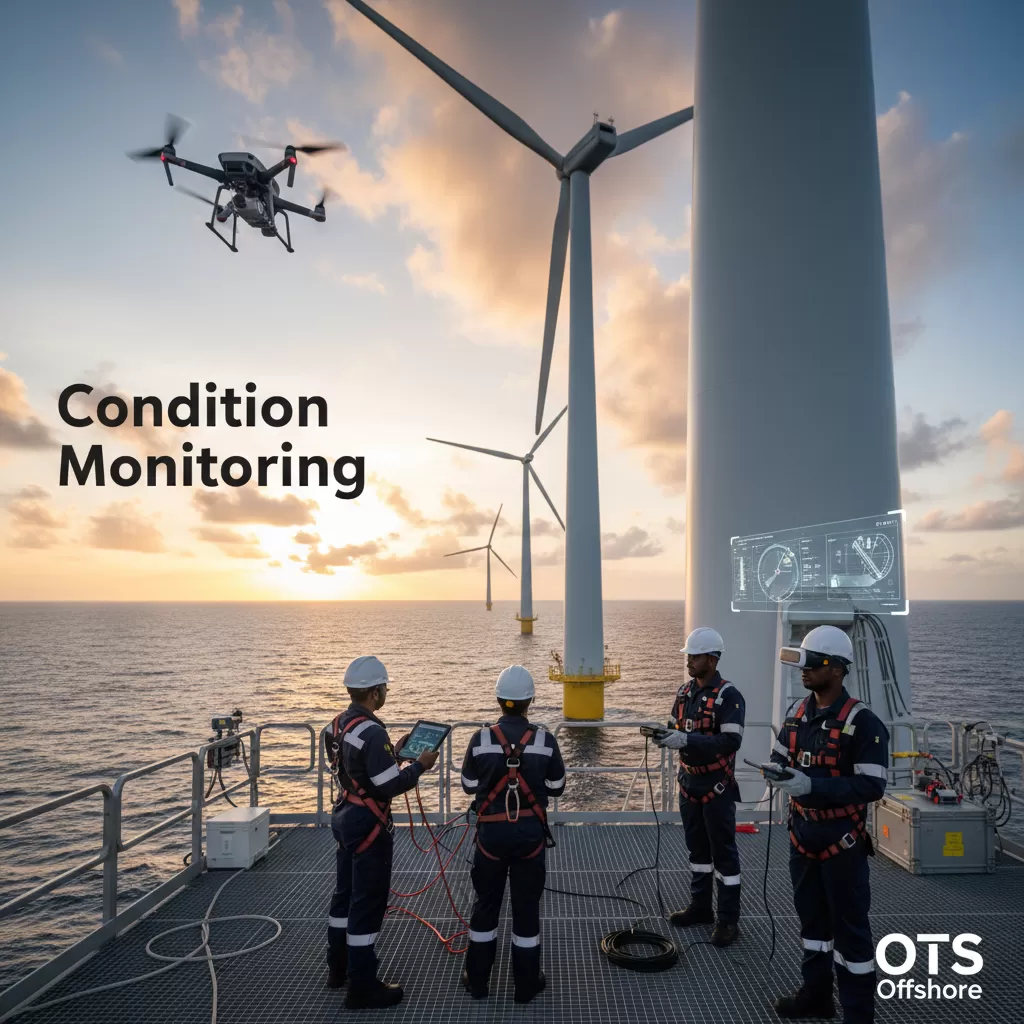
The Role of Risk-Based Inspection in offshore wind maintenance planning is continuously evolving, driven by technological advancements that enhance its precision and efficiency. The integration of Artificial Intelligence (AI) and Machine Learning (ML) is revolutionizing predictive maintenance. AI algorithms can analyze vast datasets from SCADA systems, condition monitoring equipment, and external sources to identify subtle patterns indicative of impending failures, often long before they would be detected by traditional methods. This allows for highly accurate predictions of component degradation and optimal timing for intervention. For example, ML models can learn to predict gearbox failures based on vibration signatures, oil analysis data, and operating loads, enabling proactive replacement of critical components. The advent of the Industrial Internet of Things (IIoT) has led to an explosion of sensor data from offshore wind turbines. IIoT devices enable continuous, real-time monitoring of a wide range of parameters, providing a granular view of asset health. This data fuels the sophisticated analytical models used in RBI, allowing for dynamic risk assessments that adapt to changing operating conditions. Digital twins are also emerging as powerful tools. A digital twin is a virtual replica of a physical asset, updated with real-time data. It allows operators to simulate different operational scenarios, test the impact of maintenance interventions, and gain deeper insights into asset behavior without risking the physical asset. Furthermore, advancements in non-destructive testing (NDT) techniques, such as phased array ultrasonic testing and eddy current testing, provide more accurate and efficient methods for assessing material integrity and detecting subsurface defects in critical structures and components. These technologies collectively enhance the ability of RBI to provide precise risk assessments, optimize maintenance schedules, and ultimately improve the overall performance and reliability of offshore wind farms.
The increasing scale and complexity of offshore wind farms, coupled with the immense pressure to optimize operational expenditure (OPEX) and maximize energy production, underscore the indispensable nature of robust asset integrity management. The Role of Risk-Based Inspection in offshore wind maintenance planning has transitioned from a novel concept to a foundational pillar of successful operations. By meticulously evaluating the probability and consequences of failure, operators can move beyond reactive or purely time-based maintenance, embracing a proactive, data-informed strategy. This strategic shift not only safeguards investments and extends asset life but also enhances safety, minimizes environmental impact, and crucially, ensures the reliable and consistent delivery of clean energy to the grid. The continuous integration of cutting-edge technologies, from AI-driven predictive analytics to IIoT sensors and digital twins, further refines the precision and effectiveness of RBI, empowering operators to navigate the inherent challenges of the offshore environment with greater confidence and efficiency. As the offshore wind sector continues its rapid expansion, a sophisticated and continuously evolving RBI framework will remain a critical enabler of its sustainable growth and long-term success.