

Troubleshooting Repair Bars is a critical aspect of maintaining the operational integrity and safety of electrical systems within tall structures, particularly in the demanding oil and gas and energy sectors. This article delves into the common issues, systematic approaches, and best practices for addressing problems and performing necessary repairs on bus bars and associated electrical components in tower installations, ensuring reliable power distribution and minimizing downtime.
Comprehensive Troubleshooting and Repair of Bus Bars and Electrical Components in Tower Installations
The structural and electrical complexity of tower installations in the oil and gas and energy industries necessitates a rigorous approach to maintenance, especially concerning bus bar systems and allied electrical components. These systems are the arteries of power distribution, carrying substantial electrical currents from generation sources to various operational units. Failures in these critical components can lead to catastrophic consequences, including extensive downtime, significant financial losses, environmental hazards, and severe safety risks to personnel. Effective troubleshooting and repair strategies are paramount for ensuring the continuous and safe operation of these vital assets. This detailed exploration aims to equip engineers, technicians, and maintenance managers with the knowledge to identify, diagnose, and rectify common issues affecting bus bars and electrical components within tower environments, thereby enhancing system reliability and longevity.
The Critical Role of Bus Bars in Tower Electrical Systems
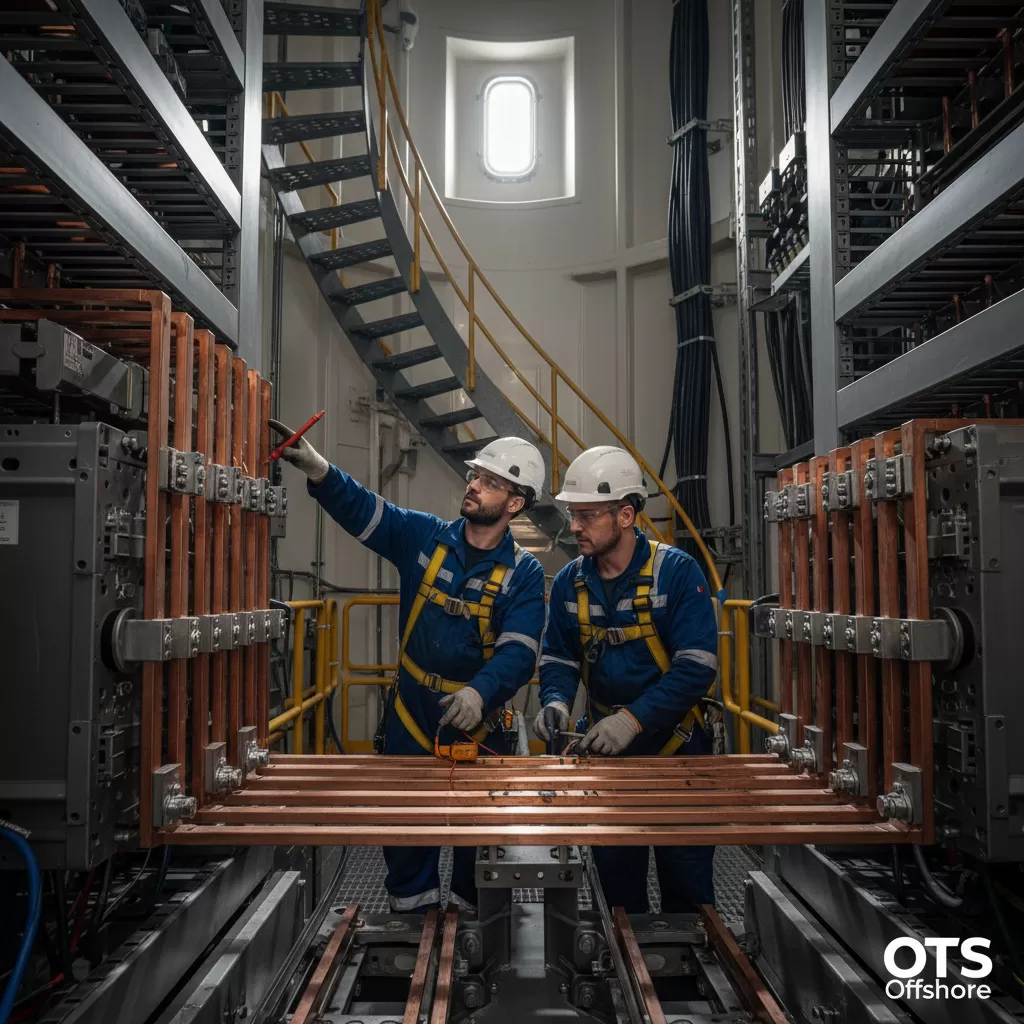
Bus bars, essentially heavy-duty conductors, serve as the backbone of electrical distribution within tower structures. They facilitate the efficient and safe transfer of high electrical currents, often from transformers or generators to multiple outgoing feeders. Their design and installation must account for significant thermal and mechanical stresses, as well as environmental factors prevalent in offshore or remote onshore locations. Understanding the fundamental principles behind bus bar operation is the first step in effective troubleshooting. Factors such as conductor material (copper or aluminum), cross-sectional area, insulation type, and mounting configuration directly influence their performance and susceptibility to faults.
Understanding Bus Bar Functionality and Design Considerations
Bus bar systems are engineered to handle specific current loads and fault levels. Their design takes into account factors like ambient temperature, conductor temperature rise limits, and the potential for electromagnetic forces during short-circuit events. Proper insulation is crucial to prevent phase-to-phase or phase-to-ground faults, especially in environments prone to moisture, dust, or corrosive agents. The physical arrangement of bus bars, whether in a single, double, or multiple bus configuration, impacts operational flexibility and the ability to isolate sections for maintenance or repair. Knowledge of the specific bus bar system installed, including its single-line diagrams and specifications, is indispensable for any troubleshooting effort.
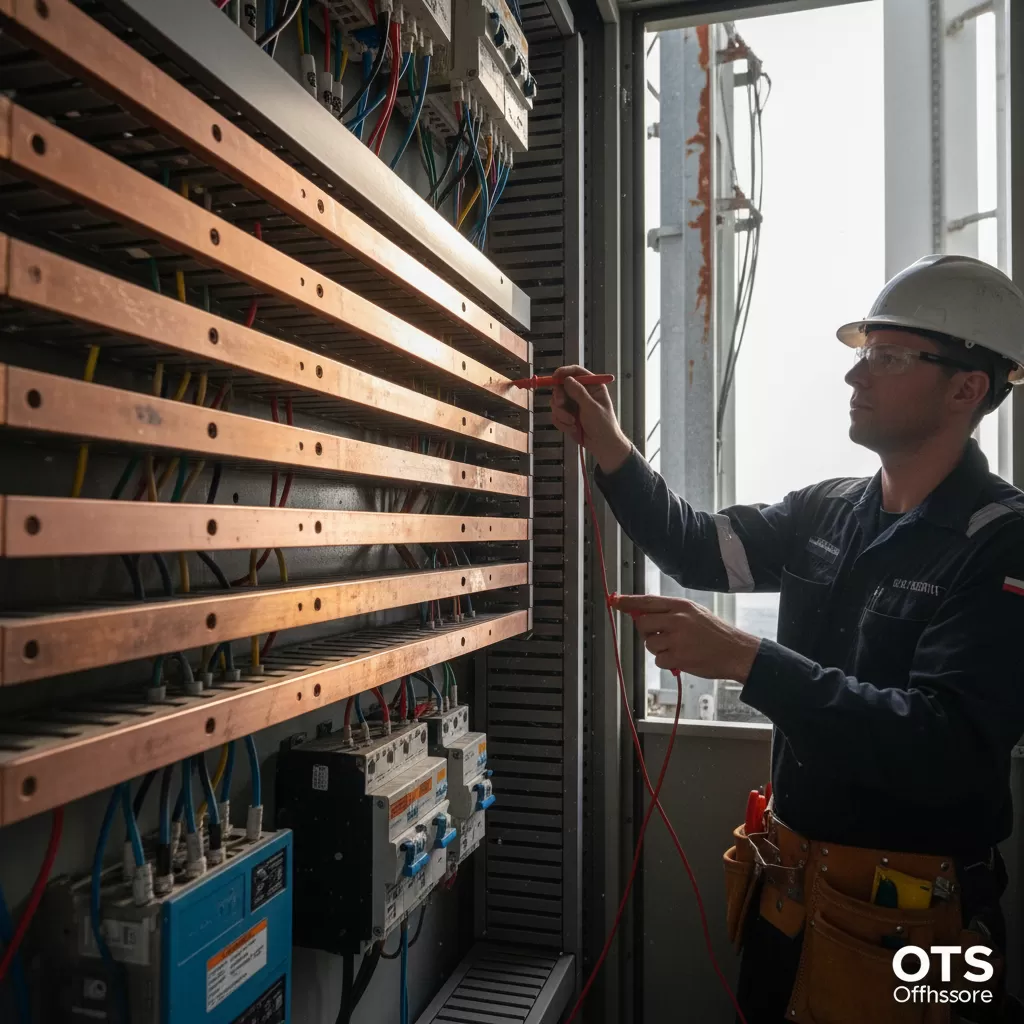
Common Troubleshooting Scenarios for Tower Bus Bars
Troubleshooting Repair Bars within tower electrical systems often begins with recognizing subtle indicators of potential problems. These can range from visual anomalies to electrical readings that deviate from expected parameters. Early detection is key to preventing minor issues from escalating into major failures. The harsh operating conditions inherent in oil and gas and energy infrastructure, such as extreme temperatures, high humidity, corrosive atmospheres, and vibrations, significantly contribute to the wear and tear of these components.
Identifying Signs of Bus Bar Degradation
– Overheating: Visible signs of overheating include discoloration of the bus bar surface (brownish or bluish hues), melted insulation on adjacent components, and hot spots detected by infrared thermography.
– Corrosion and Oxidation: Surface corrosion, particularly on aluminum bus bars, can increase resistance and lead to overheating. Visible pitting or powdery residue indicates a degradation of the conductor material.
– Loose Connections: Bolts, nuts, and connectors are prime areas for developing looseness due to thermal cycling, vibration, or improper torque. Loose connections lead to increased resistance and significant heat generation.
– Physical Damage: Dents, cracks, or deformation of the bus bar can occur due to external impacts, short-circuit forces, or improper handling during installation or maintenance.
– Insulation Failure: Cracks, punctures, or charring of the insulating material surrounding the bus bars are clear signs of impending electrical faults.
Systematic Approach to Troubleshooting Electrical Components
When faced with an issue, a structured troubleshooting methodology ensures efficiency and accuracy, minimizing the risk of overlooking critical factors. This systematic approach is particularly vital in complex tower environments where access might be challenging and safety paramount.
Diagnostic Procedures for Bus Bar Faults
– Visual Inspection: A thorough visual examination under good lighting conditions is the first and often most informative step. Look for any of the degradation signs mentioned previously.
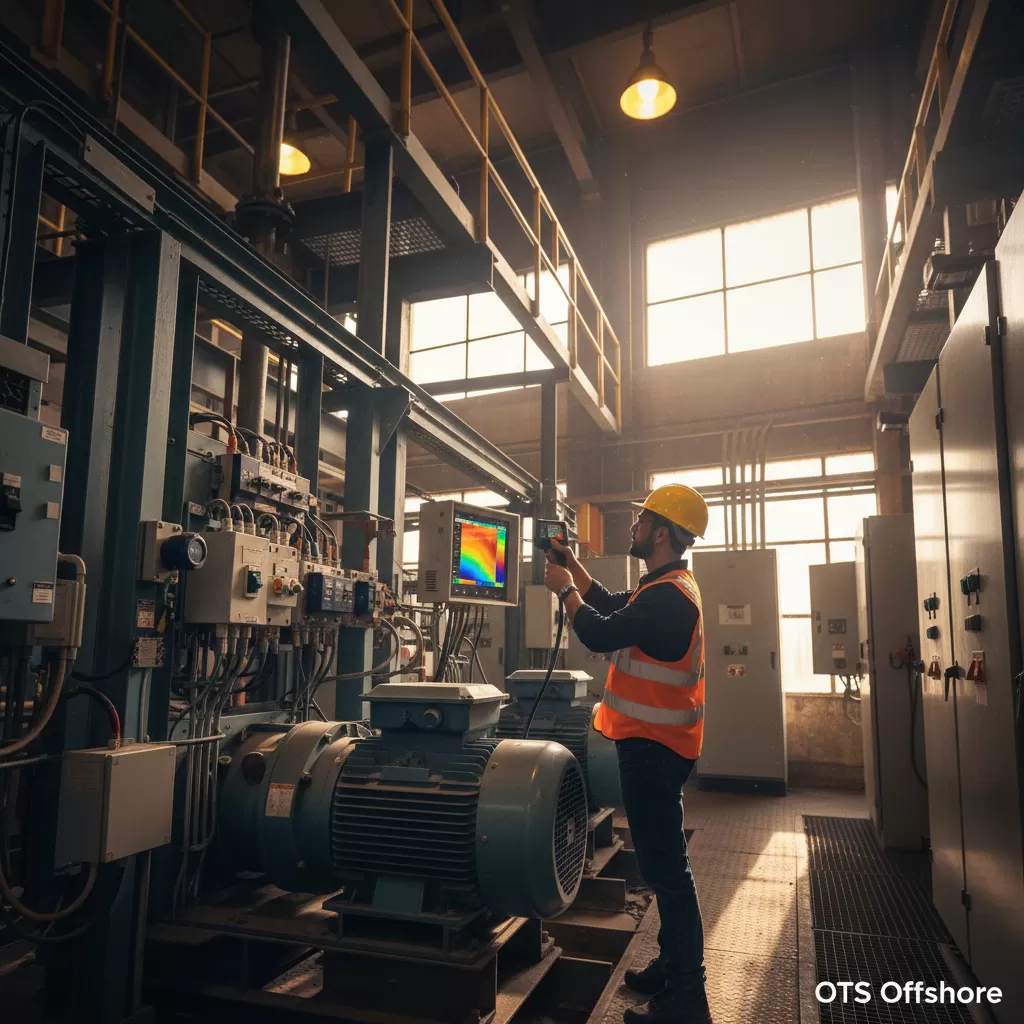
– Infrared Thermography: This non-contact method allows for the detection of abnormal temperature rises across the bus bar system and connections. Hot spots are indicative of high resistance points, which require immediate attention.
– Electrical Testing:
– Continuity Testing: Verifies the integrity of the conductor path.
– Insulation Resistance Testing (Megger Test): Measures the resistance of the insulation between conductors and to ground. Low readings indicate insulation breakdown.
– Voltage and Current Measurements: Ensuring voltage levels are within specifications and that current distribution among phases is balanced is crucial.
– Bolted Connection Checks: Using calibrated torque wrenches to verify that all bolted connections are torqued to the manufacturer’s specifications is essential. This should be done periodically as part of preventive maintenance.
– Environmental Monitoring: Checking for signs of moisture ingress, dust accumulation, or corrosive elements in the vicinity of the bus bars.
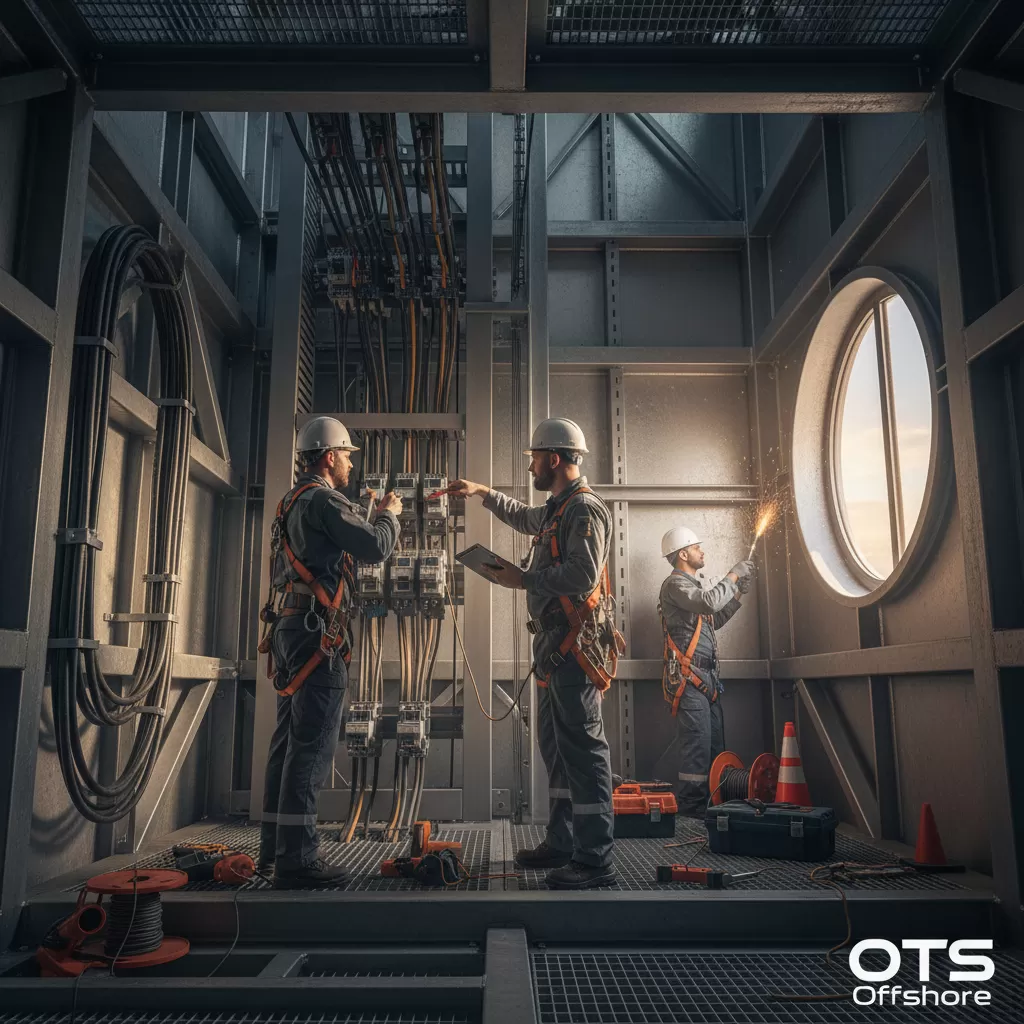
Repair Strategies for Damaged Bus Bars
The repair of bus bars requires careful consideration of the type of damage, the materials involved, and the potential impact on the system’s overall capacity and safety. Not all damage can be repaired, and in some cases, replacement might be the only viable option.
Effective Repair Techniques for Bus Bar Systems
– Cleaning and Re-torquing Connections: For minor oxidation or looseness, carefully cleaning the contact surfaces with appropriate abrasive materials (e.g., fine-grit sandpaper or specialized contact cleaner) and then re-torquing the connections to the specified torque is often sufficient. It is critical to use contact enhancers or anti-oxidant compounds where appropriate, especially for aluminum bus bars.
– Replacement of Damaged Sections: If a bus bar section is physically damaged or severely corroded, it may need to be replaced. This typically involves cutting out the damaged segment and fabricating and installing a new section, ensuring proper joint preparation, connection, and torque application. Special care must be taken to match the material and cross-section of the original bus bar.
– Repair of Insulation: Damaged insulation can sometimes be repaired using specialized tapes, resins, or shrink sleeves designed for high-voltage applications. However, the integrity of the repair must be thoroughly tested before re-energizing the system. In many critical applications, damaged insulation necessitates the replacement of the affected bus bar section.
– Addressing Overheating: If overheating is due to a loose connection, re-torquing is the solution. If it’s due to undersized conductors or excessive load, system upgrades might be necessary.
Maintenance of Associated Electrical Components
Bus bars do not operate in isolation. Their performance is intrinsically linked to the health of other electrical components within the tower’s power distribution system, such as circuit breakers, disconnect switches, cable terminations, and control panels.
Key Components Requiring Regular Attention
– Circuit Breakers and Disconnect Switches: Regular testing, cleaning of contacts, and lubrication of moving parts are vital to ensure proper operation and to prevent them from becoming points of failure that could overload the bus bars.
– Cable Terminations: Inspect for signs of overheating, fraying, or degradation of insulation. Ensure that crimps are secure and that connections are clean.
– Current Transformers (CTs) and Potential Transformers (PTs): While less directly involved in current carrying, their integrity is crucial for system protection and monitoring. Inspect for leaks, damage, and proper connections.
– Control and Protection Relays: These devices are critical for system stability and fault protection. Regular calibration and functional testing are essential to ensure they respond correctly to abnormal conditions, thus protecting the bus bars from damage.
– Enclosures and Cable Trays: The integrity of enclosures protecting the bus bars and associated equipment is vital to prevent ingress of moisture and contaminants. Cable trays must be secure to prevent damage to cables that feed into or out of the bus bar system.
Preventive Maintenance Strategies for Tower Electrical Systems
A robust preventive maintenance program is the cornerstone of reliable operation. It shifts the focus from reactive repairs to proactive identification and mitigation of potential issues, significantly reducing the likelihood of unexpected failures.
Elements of an Effective Preventive Maintenance Program
– Scheduled Inspections: Regular visual and infrared inspections should be performed on a predefined schedule, tailored to the criticality of the system and the operating environment.
– Electrical Testing Intervals: Implementing a schedule for insulation resistance tests, continuity tests, and other electrical integrity checks ensures that components remain within acceptable performance parameters.
– Torque Verification: Periodically re-verifying the torque on all bus bar connections is crucial, especially after periods of high load or thermal cycling.
– Cleaning and Environmental Control: Maintaining a clean environment around electrical equipment by regularly cleaning bus bars, enclosures, and surrounding areas helps prevent corrosion and insulation breakdown.
– Record Keeping: Meticulous record-keeping of all inspections, tests, and maintenance activities is essential for tracking trends, identifying recurring problems, and planning future maintenance. This data is invaluable for informed decision-making regarding system upgrades or replacements.
Advanced Troubleshooting Techniques and Technologies
The evolution of diagnostic tools and technologies offers enhanced capabilities for troubleshooting and maintaining complex electrical systems like those found in towers. Leveraging these advancements can lead to more precise problem identification and more efficient repair processes.
Modern Tools for Fault Diagnosis
– Partial Discharge (PD) Detection: For high-voltage bus bars, partial discharge testing can identify incipient insulation failures before they escalate into flashovers.
– Advanced Thermal Imaging: High-resolution thermal cameras with sophisticated software can provide detailed thermal mapping and trend analysis, offering deeper insights into heat generation patterns.
– Online Monitoring Systems: Real-time monitoring of key parameters such as current, voltage, temperature, and partial discharge activity can provide continuous assessment of bus bar health and alert operators to anomalies as they occur.
– Digital Multimeters and Oscilloscopes: For detailed electrical signal analysis, these tools are indispensable for diagnosing complex circuit issues.
Safety Protocols for Bus Bar Maintenance and Repair
Working with high-voltage bus bars in tower environments presents significant safety challenges. Strict adherence to safety protocols is non-negotiable.
Essential Safety Precautions
– Lockout/Tagout (LOTO) Procedures: Always implement robust LOTO procedures to ensure the de-energization and isolation of the system before any work begins.
– Personal Protective Equipment (PPE): Ensure that all personnel wear appropriate PPE, including arc-rated clothing, insulated gloves, safety glasses, and hard hats.
– Qualified Personnel: Only trained and qualified personnel should perform troubleshooting and repair work on bus bar systems.
– Work Permits: Obtain all necessary work permits and follow site-specific safety procedures.
– Emergency Response Plan: Familiarize yourself with the site’s emergency response plan and ensure emergency equipment is readily accessible.
– Risk Assessment: Conduct a thorough risk assessment for each maintenance task to identify potential hazards and implement appropriate control measures.
The reliable functioning of bus bars and associated electrical components in tower installations is fundamental to the safe and efficient operation of oil and gas and energy facilities. A proactive approach encompassing thorough understanding, systematic troubleshooting, effective repair, and rigorous preventive maintenance, all underpinned by strict safety protocols, is essential. By embracing these principles, operators can significantly enhance system reliability, minimize downtime, and ensure the long-term integrity of their critical infrastructure.