

Troubleshooting Repair Bars is a critical aspect of maintaining the operational integrity and safety of electrical systems within the complex structures of oil and gas platforms and renewable energy towers. This article delves into the common issues, diagnostic methodologies, and effective repair strategies for bus bars and associated electrical components, ensuring reliable power distribution in challenging environments.
Comprehensive Troubleshooting and Repair of Bus Bars and Electrical Components in Tower Structures
Maintaining the reliable functionality of electrical distribution systems within towering structures, such as offshore oil and gas platforms and wind turbine towers, is paramount for operational continuity and personnel safety. The integrity of bus bars and associated electrical components directly impacts the seamless flow of power, and their failure can lead to significant downtime, costly repairs, and potential hazards. This comprehensive guide focuses on the detailed troubleshooting and repair of bus bars and electrical components, offering insights into common issues, diagnostic techniques, and effective resolution strategies. Addressing these challenges proactively through rigorous inspection and timely intervention is key to preventing cascading failures and ensuring the long-term performance of critical infrastructure. Understanding the intricacies of bus bar systems and their electrical connections is fundamental for any engineer or technician working in these demanding sectors.
Understanding Bus Bar Systems in Tower Environments
Bus bar systems are the backbone of electrical distribution within tower structures, acting as conduits for high-current power transfer between primary power sources and various distribution panels or equipment. In the context of oil and gas platforms and wind turbines, these systems are designed to withstand harsh environmental conditions, including extreme temperatures, high humidity, corrosive atmospheres, and significant mechanical stresses from wind and platform movement.
– The primary function of bus bars is to efficiently conduct electrical current with minimal loss.
– They are typically constructed from highly conductive materials such as copper or aluminum, chosen based on conductivity, weight, and cost considerations.
– Bus bars can be found in various configurations, including single, double, or triple pole arrangements, and are often insulated or enclosed within specialized enclosures to prevent accidental contact and provide environmental protection.
– In tower applications, bus bars are subjected to dynamic loads and vibrations, which can exacerbate wear and tear on connections and insulation.
– The design must also account for thermal expansion and contraction due to operational temperature fluctuations.

Common Failures and Troubleshooting Techniques for Tower Bus Bars
Failures within bus bar systems in tower structures are often linked to environmental factors, operational stresses, and maintenance deficiencies. Effective troubleshooting requires a systematic approach to identify the root cause of the problem.
Identifying Issues with Bus Bar Connections
Loose or corroded connections are among the most frequent causes of bus bar failure. These issues lead to increased resistance, overheating, and eventual failure of the connection.
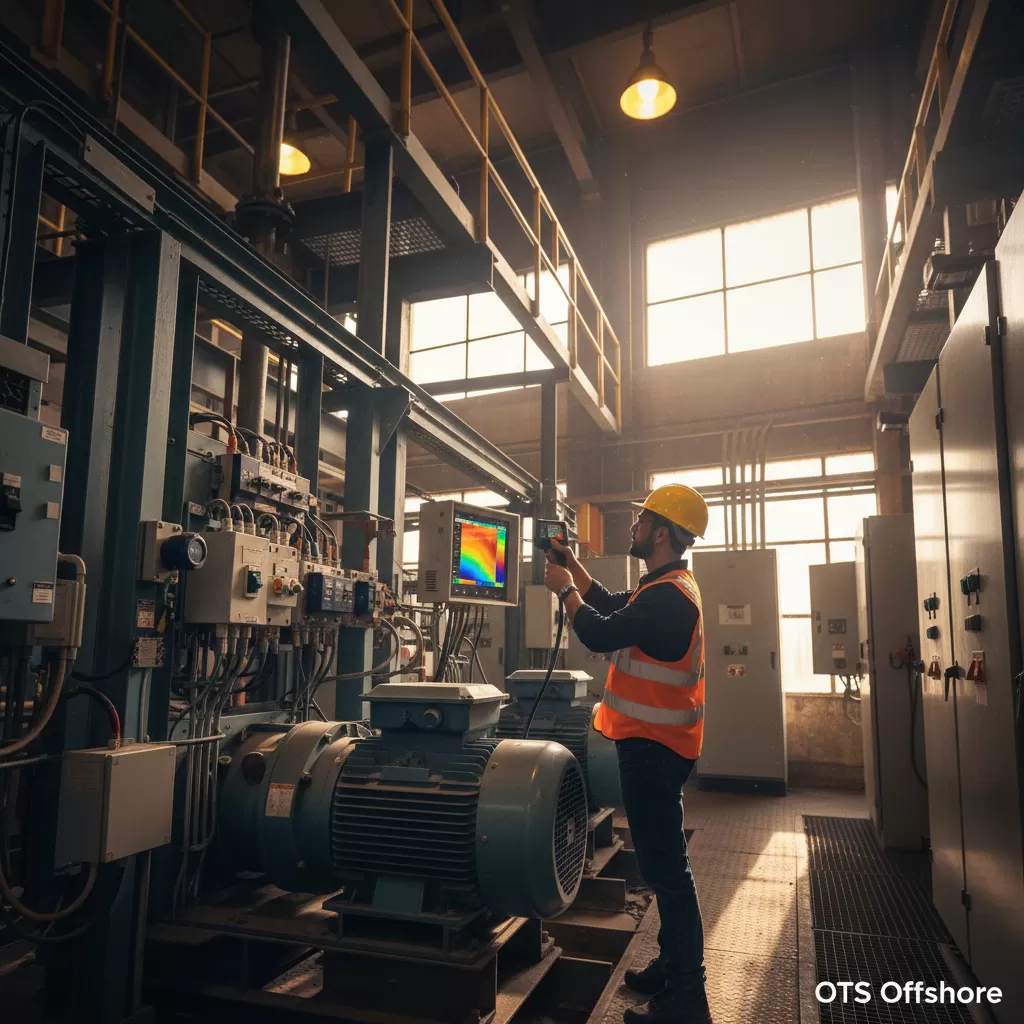
– Overheating: This is often indicated by discoloration, localized melting, or charring around the connection points. Infrared thermography is an invaluable tool for detecting hot spots, allowing for early identification of problematic connections without interrupting power.
– Corrosion: Saltwater spray, humidity, and chemical contaminants can lead to significant corrosion on bus bar surfaces and connection hardware. Visible signs include powdery white or greenish deposits, pitting, and general degradation of the metal.
– Mechanical Stress: Vibration and structural movement can loosen bolts and clamps, compromising the integrity of the connection. Regular torque checks are essential.
– Visual Inspection: A thorough visual inspection of bus bars and their connections for any signs of physical damage, deformation, or unusual wear patterns is the first step in the troubleshooting process.
Diagnosing Electrical Component Malfunctions Related to Bus Bars
Beyond the bus bars themselves, associated electrical components such as circuit breakers, fuses, insulators, and grounding systems are critical for safe and efficient operation. Failures in these components can manifest as problems with power distribution originating from the bus bars.
– Circuit Breaker Tripping: Frequent tripping of circuit breakers connected to the bus bar system often signals an overload condition, a short circuit, or a malfunction within the breaker itself. Investigating the load distribution and performing breaker diagnostics are crucial.
– Insulation Breakdown: Degradation of insulators supporting the bus bars can lead to arcing, short circuits, and ground faults. Signs of breakdown include cracking, chipping, or signs of electrical tracking across the insulator surface.
– Grounding Issues: Improper or failed grounding can lead to safety hazards and equipment damage. Testing the continuity and resistance of the grounding system connected to the bus bars is vital.
– Fuse Blowouts: Repeatedly blown fuses indicate excessive current draw or a short circuit. Identifying the source of the overcurrent is the priority.
Repair and Maintenance Strategies for Bus Bar Systems
Once a problem has been identified, a robust repair and maintenance strategy is necessary to restore the bus bar system’s reliability and prevent recurrence.
Best Practices for Bus Bar Connection Repair
Repairing bus bar connections requires precision to ensure long-term reliability and minimize resistance.
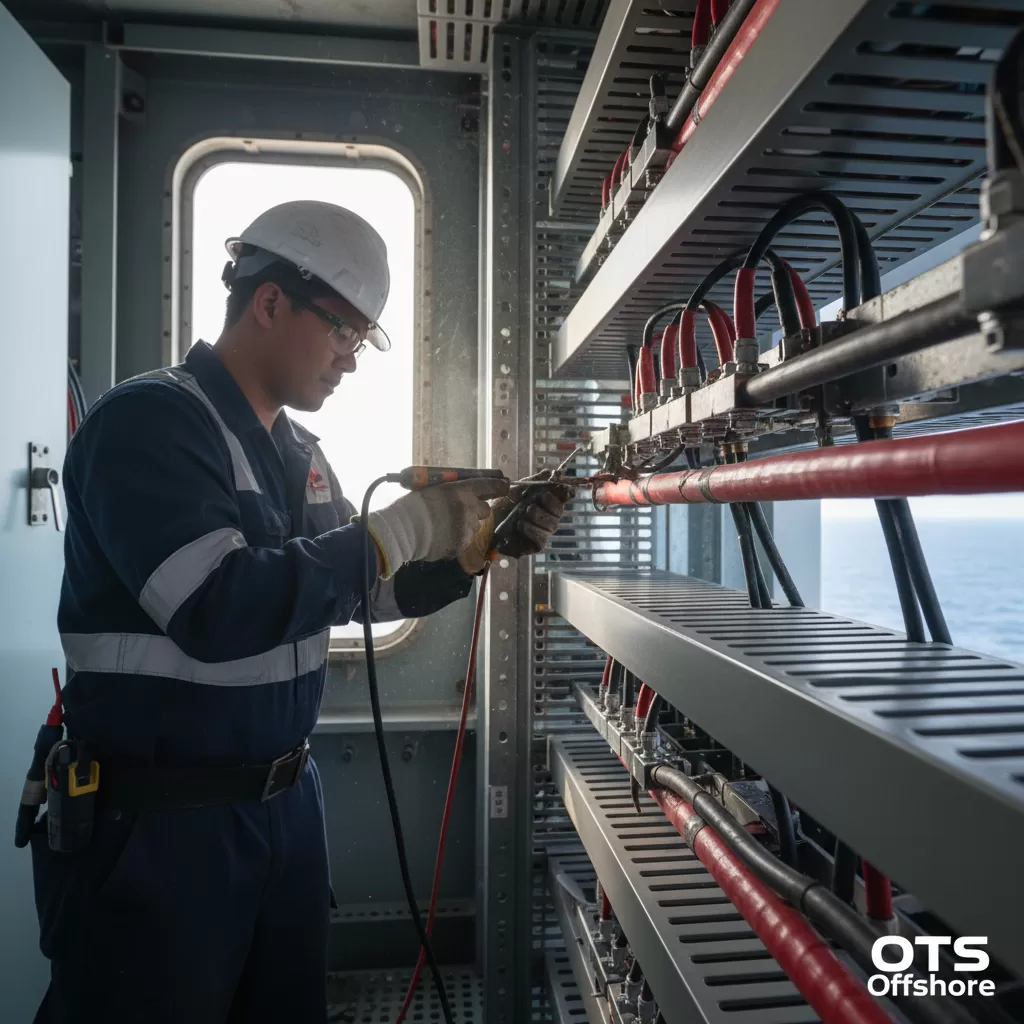
– Cleaning: Thoroughly clean all connection surfaces to remove corrosion, dirt, and oxidation. Specialized cleaning compounds and mechanical methods (e.g., wire brushing, abrasive pads) may be used, ensuring compatibility with the bus bar material.
– Tightening: After cleaning, reconnect the bus bars using appropriate hardware. Torque all bolts and nuts to the manufacturer’s specifications using calibrated torque wrenches. This is critical to ensure a low-resistance, secure connection.
– Replacement of Hardware: If the existing hardware (bolts, nuts, washers) shows signs of corrosion or damage, it should be replaced with new, corrosion-resistant hardware, ideally of the same or equivalent material.
– Application of Conductive Paste: For critical connections, applying a conductive grease or paste can further reduce contact resistance and prevent oxidation, especially in corrosive environments.
Addressing Electrical Component Issues
Repairing or replacing faulty electrical components directly impacts the bus bar system’s overall performance.
– Circuit Breaker Servicing: Faulty circuit breakers should be inspected, cleaned, and tested. If internal damage is found or if they fail diagnostic tests, they must be replaced with units of identical rating and type.
– Insulator Replacement: Damaged insulators must be replaced immediately. Ensure the replacement insulators are rated for the voltage and environmental conditions of the tower.
– Grounding System Maintenance: Inspect grounding connections for corrosion and tightness. Test the resistance of the entire grounding system periodically. Any compromised connections should be cleaned and tightened, and damaged conductors replaced.
– Fuse Replacement: When replacing fuses, always use replacements of the correct rating. If fuses blow repeatedly, a deeper investigation into the electrical circuit is required before replacing the fuse.

Preventive Maintenance Programs for Tower Electrical Systems
A proactive approach to maintenance is far more effective and cost-efficient than reactive repairs. Implementing a comprehensive preventive maintenance program is essential for electrical systems in tower structures.
– Regular Inspections: Conduct scheduled visual and thermographic inspections of bus bars and electrical components. Frequency should be determined by operational history, environmental conditions, and manufacturer recommendations.
– Torque Verification: Periodically check and verify the torque of all bus bar connections. This is especially important after periods of significant vibration or thermal cycling.
– Environmental Monitoring: Implement systems to monitor environmental conditions such as humidity, temperature, and corrosive elements. This data can help predict potential issues and inform maintenance schedules.
– Cleaning Schedules: Establish regular cleaning schedules for bus bars, enclosures, and surrounding areas to remove accumulated dust, dirt, and corrosive substances.
– Load Balancing: Ensure that electrical loads are balanced across the bus bars to prevent localized overheating and excessive stress on specific connections.
– Training and Documentation: Ensure that all personnel involved in troubleshooting and repair are adequately trained and that all maintenance activities are meticulously documented, including inspection findings, repairs performed, and materials used.
Advanced Diagnostics and Monitoring Technologies
Leveraging modern technology can significantly enhance the ability to troubleshoot and prevent failures in tower bus bar systems.
– Infrared Thermography: As mentioned, this is a powerful, non-invasive technique for detecting temperature anomalies indicative of high resistance connections or overloaded components. Regular thermographic surveys are a cornerstone of preventive maintenance.
– Partial Discharge (PD) Detection: For high-voltage bus bar systems, PD monitoring can detect early signs of insulation degradation, which can lead to catastrophic failure if left unaddressed. Various sensors and techniques are available for PD detection.
– Online Monitoring Systems: Advanced monitoring systems can continuously collect data on voltage, current, temperature, and other parameters. These systems can provide real-time alerts for deviations from normal operating conditions, allowing for immediate intervention.
– Vibration Analysis: For systems susceptible to vibration, specialized vibration sensors can detect unusual patterns that might indicate loose components or impending mechanical failure.
Safety Considerations in Bus Bar Troubleshooting and Repair
Working with high-voltage electrical systems in tower structures presents inherent risks. Safety must be the absolute priority during all troubleshooting and repair activities.
– Lockout/Tagout (LOTO) Procedures: Strict adherence to LOTO procedures is mandatory before any work begins on electrical equipment. This ensures that the power source is de-energized and cannot be accidentally re-energized.
– Personal Protective Equipment (PPE): Appropriate PPE, including insulated gloves, safety glasses, flame-resistant clothing, and hard hats, must be worn at all times.
– Qualified Personnel: Only qualified and trained electricians and technicians should perform troubleshooting and repair work on bus bar systems.
– Work Permits: A robust work permit system should be in place to authorize and control all maintenance activities, ensuring that all safety protocols are reviewed and followed.
– Live Work Considerations: While de-energizing is always preferred, some specific troubleshooting tasks may require working on live equipment. These operations must be performed by highly specialized technicians using live-line tools and under strict supervision, following established safety guidelines for live work.
– Environmental Hazards: Tower environments can present additional hazards such as working at height, exposure to weather, and the presence of flammable materials (in oil and gas facilities). These must be assessed and mitigated as part of the overall safety plan.
The Importance of Material Selection and Installation Quality
The longevity and reliability of bus bar systems are profoundly influenced by the initial selection of materials and the quality of installation.
– Material Properties: Choosing copper or aluminum bus bars with appropriate purity and conductivity ratings is crucial. The selection may also depend on factors like weight limitations for offshore structures or specific environmental resistance requirements.
– Insulation Materials: The choice of insulating materials for bus bar supports and enclosures must consider voltage rating, dielectric strength, thermal stability, and resistance to environmental degradation (e.g., UV, moisture, chemicals).
– Fastener Materials: Using compatible, corrosion-resistant fasteners (e.g., stainless steel, brass) is essential to prevent galvanic corrosion and ensure long-term connection integrity.
– Installation Precision: Proper alignment, spacing, and secure mounting of bus bars and associated components during installation are critical. Any deviations can lead to stress points, uneven load distribution, and premature failure.
– Connection Techniques: The method used to join bus bars, whether through bolting, crimping, or welding, must be appropriate for the materials and designed to achieve low resistance and high mechanical strength.
Challenges Specific to Oil and Gas Platforms and Wind Turbine Towers
The operational environments of oil and gas platforms and wind turbine towers present unique challenges that must be factored into troubleshooting and repair strategies for bus bar systems.
– Offshore Corrosion: The highly corrosive marine atmosphere on oil and gas platforms accelerates the degradation of bus bar materials and connections. Increased frequency of inspections and the use of specialized protective coatings or exotic alloys may be necessary.
– Vibration and Movement: The dynamic nature of offshore platforms and the constant motion of wind turbines induce significant vibration. This necessitates robust clamping mechanisms and regular checks to prevent loosening of connections.
– Accessibility: The often-remote and difficult-to-access locations of components within tower structures can make routine maintenance and emergency repairs challenging. This emphasizes the need for reliable systems and advanced remote monitoring capabilities.
– Extreme Weather Conditions: Both environments can be subject to extreme temperatures, high winds, and heavy precipitation, which can impact electrical insulation and the performance of components.
– Hazardous Area Classification: In oil and gas facilities, electrical equipment must often comply with hazardous area classifications (e.g., ATEX, IECEx) to prevent ignition of flammable atmospheres. This impacts the design and maintenance of bus bar enclosures and connections.
Conclusion of Bus Bar Troubleshooting and Repair Insights
Effective Troubleshooting Repair Bars in tower structures is not merely about fixing what is broken; it is about understanding the complex interplay of electrical, mechanical, and environmental factors. A systematic diagnostic approach, coupled with meticulous repair and a robust preventive maintenance program, is indispensable for ensuring the continuous and safe operation of power distribution systems in these critical industrial assets. The ongoing commitment to inspections, material integrity, and the adoption of advanced monitoring technologies will continue to be the hallmark of successful electrical system management in the demanding oil, gas, and renewable energy sectors.